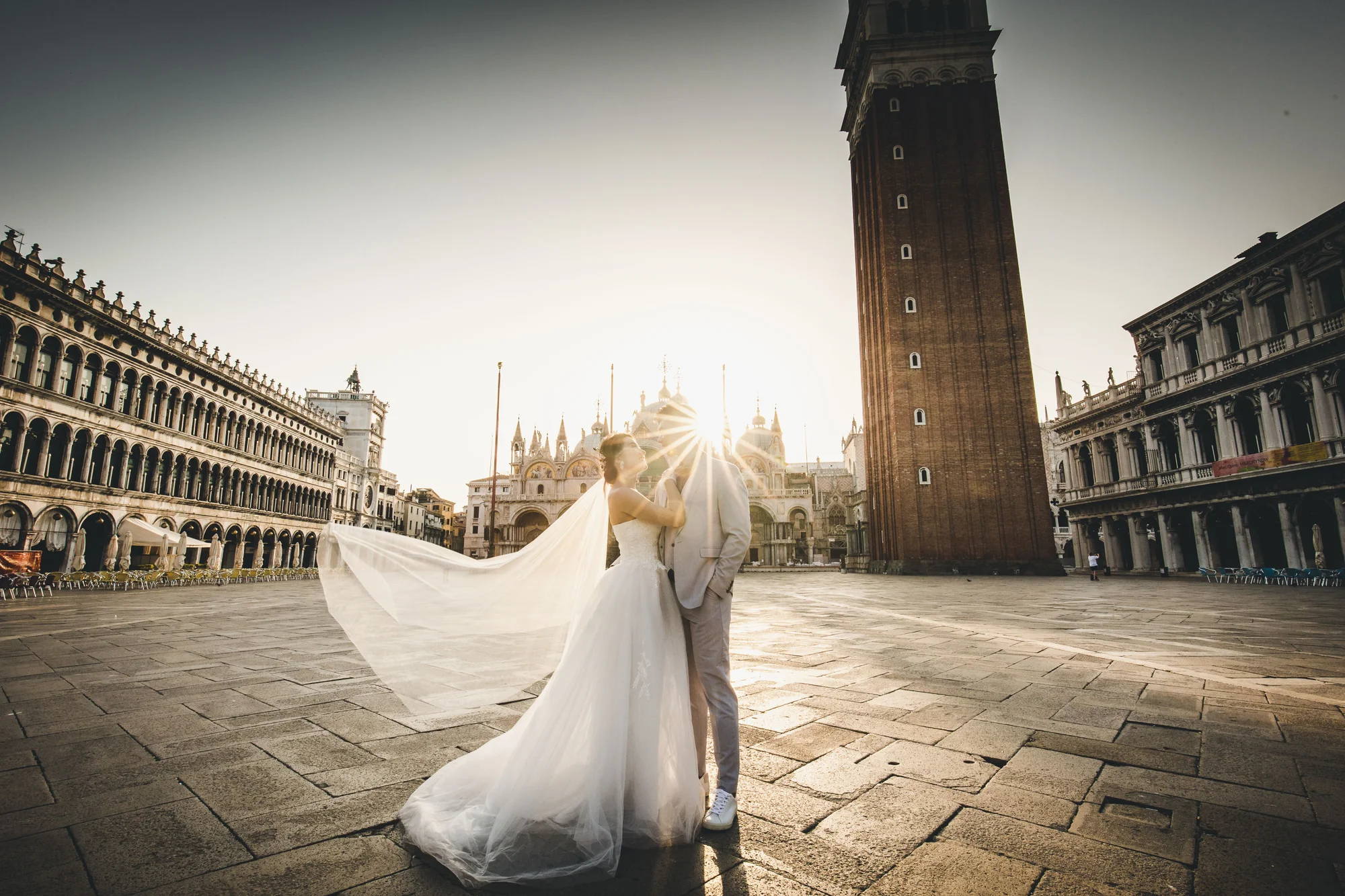


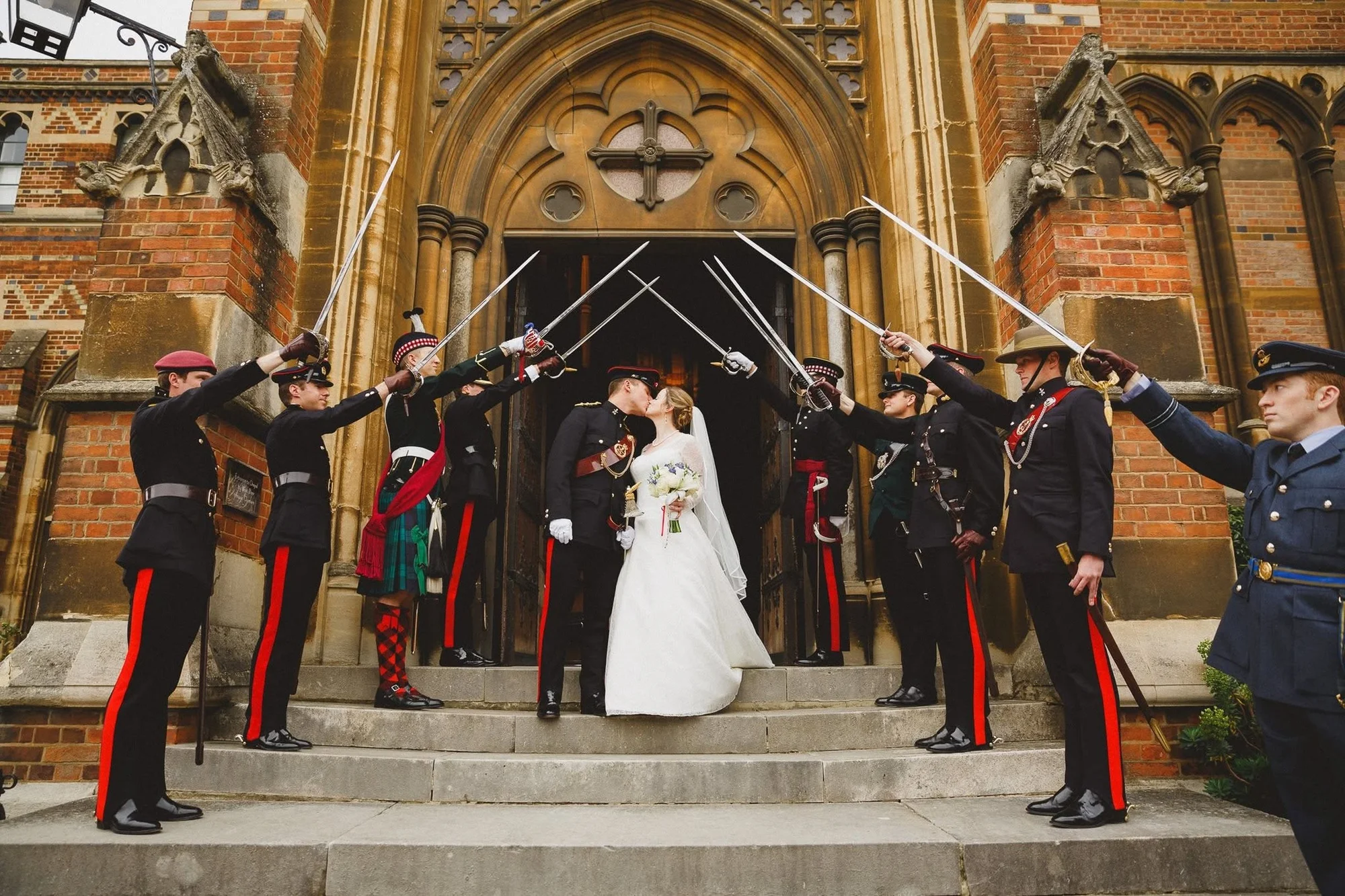
England and Wales could be heading towards one of the biggest changes to their wedding market in decades as the government considers moving the legal framework away from approved premises and towards authorised officiants. The proposed system would significantly expand where legally recognised weddings can take place, potentially bringing beaches, private homes, boats and other non-traditional settings into a market that has long been shaped by venue licensing rules. Under the existing framework, most civil weddings must take place at a register office or approved premises, while different rules apply to religious ceremonies. The proposed reform would instead place greater responsibility on authorised officiants, allowing ceremonies to take place in a wider variety of locations provided legal, safety and dignity requirements are met. Independent officiants could also be permitted to conduct legally binding weddings, while a separate category of maritime officiants is being considered for ceremonies at sea.
For the wedding industry, that change could have consequences far beyond ceremony formats. Removing the requirement for individual venues to obtain approval to host legally recognised weddings could lower barriers for properties that currently sit outside the formal wedding venue market. Restaurants, private estates, hospitality venues, outdoor locations and other spaces could potentially compete for ceremonies without first operating within the existing approved-premises model.
The economic case is also significant. Government consultation documents cite Law Commission estimates suggesting that reform could increase the number of weddings by around 3% and generate almost £140 million in additional annual spending. That spending would not be limited to ceremony fees. Accommodation, catering, transportation, entertainment, floristry, production and other wedding services could all benefit if greater flexibility encourages more couples to marry or to organise larger celebrations within England and Wales.

The Wedding Venue Market Could Become Much Broader
One of the most important changes would be the shift from regulating the building to regulating the person conducting the marriage. Under the proposed model, the legal status of a ceremony would no longer depend primarily on whether a specific property had been approved as a wedding venue. That could reshape competition within the sector. Established hotels, manor houses and dedicated wedding venues would continue to benefit from infrastructure built around large celebrations, but they could face a broader field of competitors. Restaurants, private properties, gardens and temporary event locations could become realistic options for couples seeking ceremonies that are legally recognised rather than symbolic.
For hospitality businesses, the reform could also create opportunities to separate the ceremony from the traditional wedding package. A property that does not currently operate as a licensed ceremony venue could potentially host the marriage itself alongside accommodation, reception and food and beverage services. This could make wedding business accessible to a wider range of operators, particularly boutique hotels and smaller properties that have suitable spaces but have not previously entered the licensed venue market.
The change would not create an unrestricted system. The government is proposing a dignity framework covering the suitability of ceremonies and locations, while officiants would carry legal responsibilities for ensuring requirements are met. Venues could also potentially seek voluntary pre-authorisation, providing couples and officiants with greater certainty before an event is booked.

Beaches, Boats And Cruise Ships Enter The Discussion

The location proposals extend beyond conventional hospitality properties. The government has indicated that weddings could be permitted in inland waters, territorial seas and other coastal waters around England and Wales, subject to legal and safety requirements. That would potentially bring canal boats, river cruise vessels, yachts, sailing boats and other maritime settings into the legally recognised wedding market. Coastal destinations could therefore gain another product to integrate with accommodation and celebration packages, particularly in areas where maritime tourism is already part of the visitor economy.
The consultation goes further by considering legally binding civil weddings aboard UK-registered cruise ships in international waters. Under the proposal, these ceremonies would be conducted by specially authorised maritime officiants. Couples could marry on eligible vessels outside UK territorial waters while having the marriage recognised under the law of England and Wales.
For the cruise sector, this could create a new commercial layer around wedding travel. Cruise weddings already exist internationally under the laws of countries whose ship registries permit them, but the proposed framework would give UK-registered vessels their own route to legally recognised ceremonies. Wedding packages could therefore combine the legal ceremony, voyage, accommodation and guest programme within a single travel product.

Reform Could Change How Destinations Sell Weddings
Greater location flexibility could also affect how destinations position themselves to couples. If the legal ceremony is no longer tied to a limited inventory of approved premises, destination marketing can move beyond individual licensed venues and towards complete environments such as coastal areas, rural estates and waterfront districts.
This has particular implications for destinations trying to capture multi-day wedding spending. A ceremony on a beach or vessel can become one component within a broader programme involving hotels, restaurants, welcome events and post-wedding activities. The economic value of the wedding then spreads across multiple businesses rather than remaining concentrated within a single licensed property.
The proposed system could also make England and Wales more flexible when competing for international couples accustomed to destination weddings built around unconventional settings. However, the commercial impact will depend on the final legislation, the rules applied to officiants and locations, and how easily overseas couples can navigate the legal preliminaries.
The government consultation closed on 24 September 2026, and the responses will now inform the development of legislation. No implementation date has yet been established, with legislation expected to be introduced when parliamentary time allows. For the wedding industry, the next stage will determine how far the proposed shift from licensed premises to authorised officiants translates into a genuinely broader market for venues and destinations.