

Japan’s destination wedding market is beginning to move beyond resort ceremonies and photo shoots, with Kurashiki in Okayama Prefecture testing a model that combines weddings directly with local culture and heritage tourism. A wedding company based in Kurashiki recently invited representatives from three Australian businesses to experience the city as a potential wedding destination. Participants from the travel, wedding planning and events sectors explored how a ceremony could be combined with Japanese cultural experiences across the historic Bikan district.
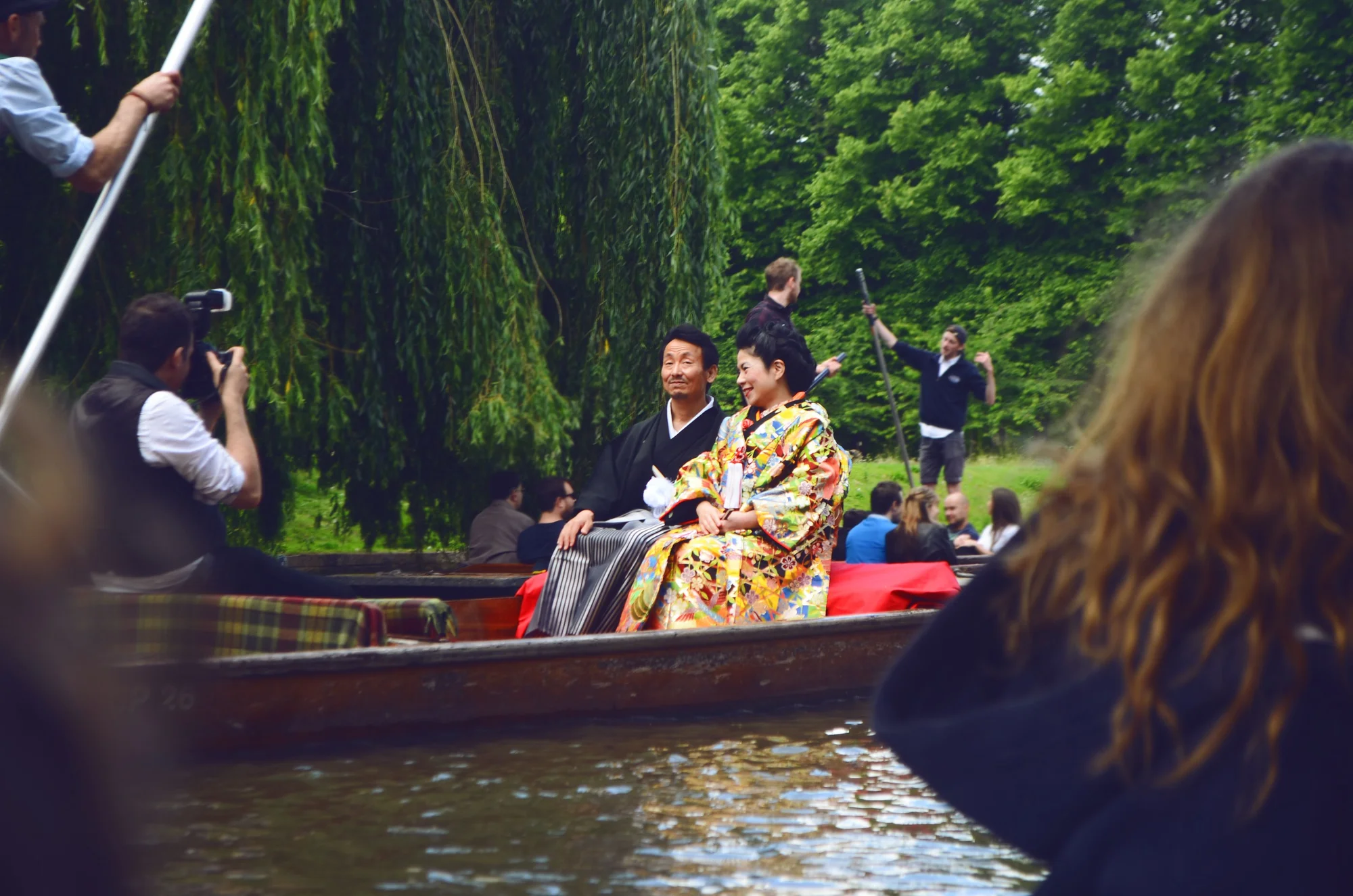
The programme included a mock wedding ceremony in a bamboo garden, a traditional tea experience with matcha and Japanese sweets, and a wedding journey along the Kurashiki River aboard one of the district’s sightseeing boats. Rather than treating cultural activities as optional additions to the wedding itinerary, the model places them at the centre of the celebration itself. That approach reflects a broader shift in destination weddings. Couples travelling internationally are increasingly looking for experiences that could not be reproduced in another destination, placing greater value on local identity, architecture, traditions and food alongside the venue itself. For Kurashiki, the wedding therefore becomes a way of packaging the wider destination.
The City Becomes Part of the Ceremony
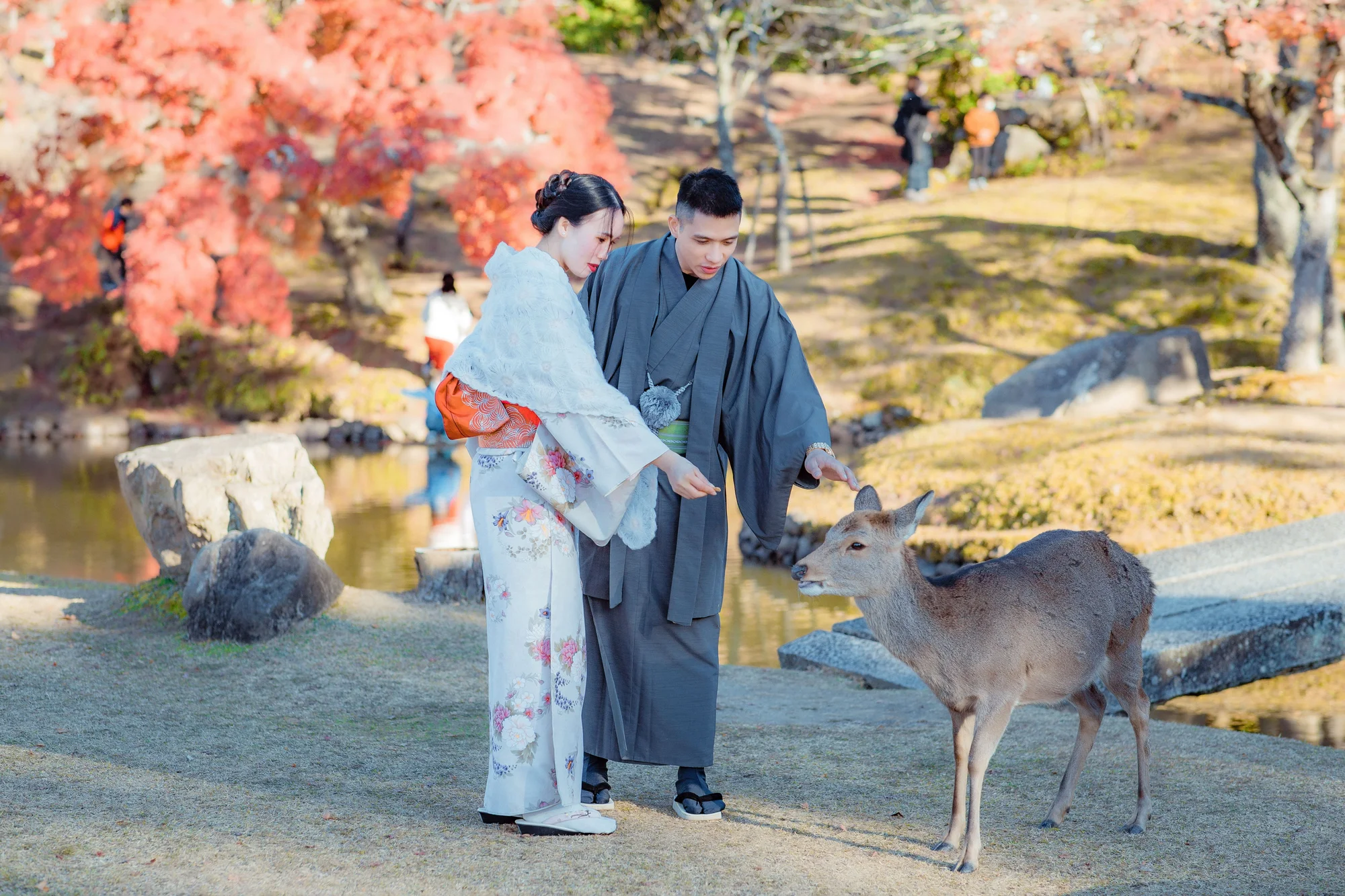
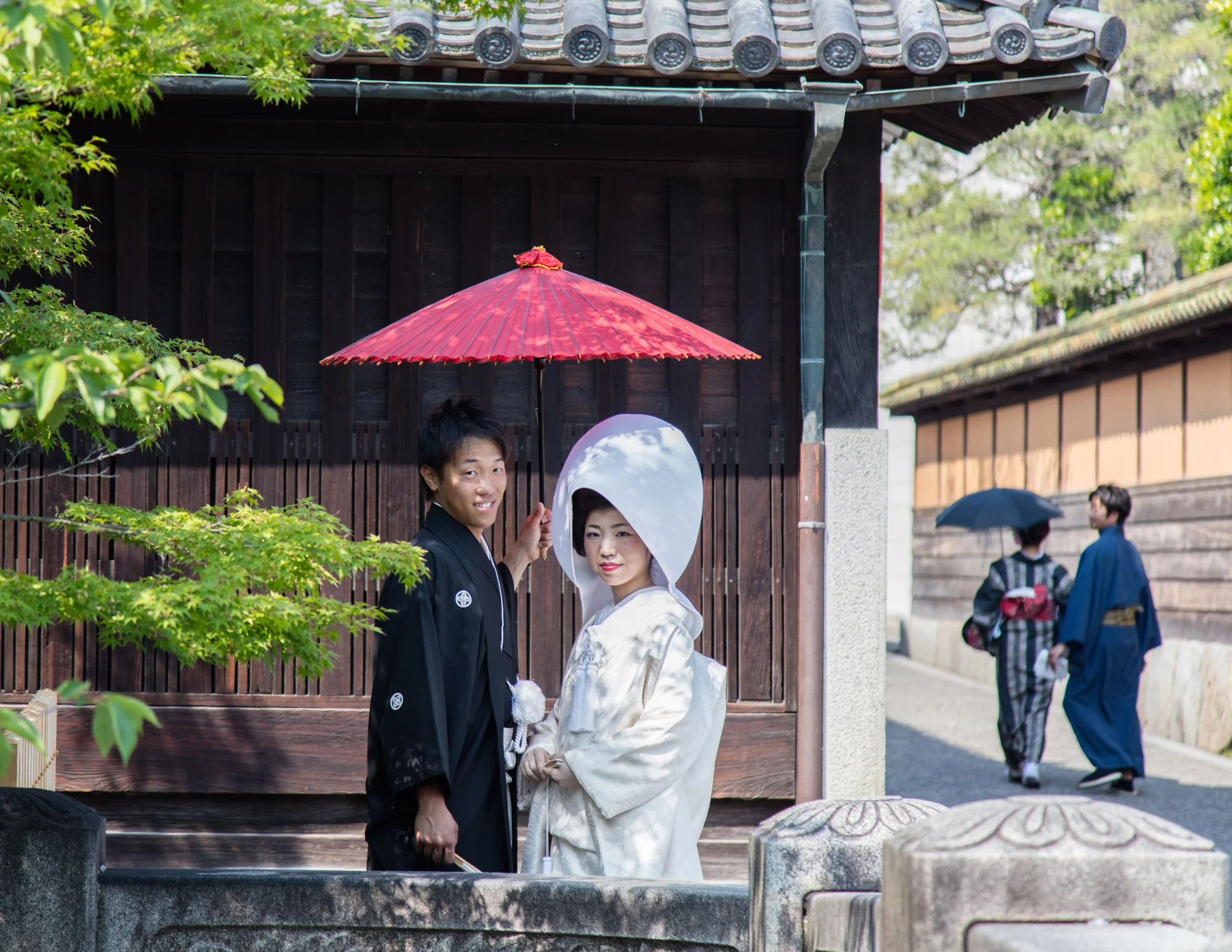
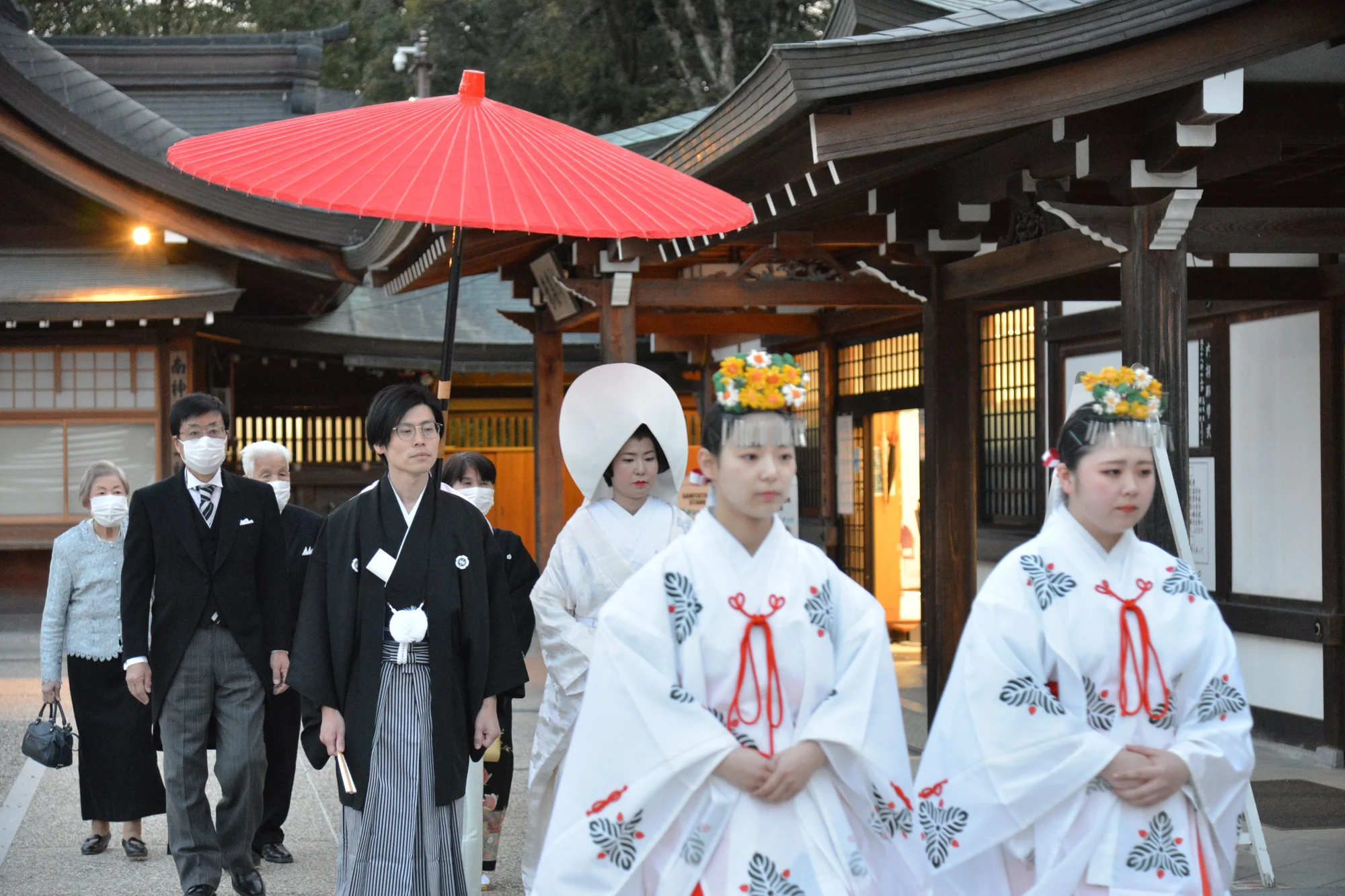
Kurashiki’s Bikan Historical Quarter is characterised by preserved merchant houses, traditional warehouses, canals and narrow streets dating back to the Edo period. Wedding company “Something For” has been incorporating the district into ceremonies and wedding photography for decades. Its Kurashiki wedding model includes historic properties, kimono, traditional bridal processions and journeys along the Kurashiki River.
The company first revived weddings at Shinkeien, a historic cultural property in the district, in the late 1990s and subsequently incorporated river boats and other local elements into its wedding programmes. The latest international initiative takes that model a step further by positioning the experience specifically for overseas couples. Instead of asking international visitors to travel to Japan and enter a conventional wedding venue, the destination itself becomes the venue. A couple can move between a historic residence, bamboo garden, tea room and river while guests experience the surrounding district as part of the programme. That creates a different type of destination wedding from the large resort model developing across markets such as India, Southeast Asia and the Middle East.
Wedding Tourism Extends Beyond the Wedding Day
The Kurashiki approach also illustrates how destination weddings can distribute visitor spending beyond hotels and event venues. An international wedding group may require accommodation, restaurants, local transportation, cultural activities, photography, clothing, guides and pre- or post-wedding travel. When those services are integrated into the wedding programme, the economic footprint of the event spreads across a wider network of local businesses. For heritage destinations, this can create an opportunity to enter the wedding market without constructing large dedicated venues.
The attraction instead lies in assets that already exist: architecture, landscapes, crafts, rituals and local culture. This also changes the role of wedding planners. Designing the event increasingly requires coordination not only with hotels and caterers, but also with cultural venues, tourism operators, local authorities and experience providers.
Japan Looks at Weddings as an Inbound Travel Product
Japan has traditionally attracted international couples for pre-wedding photography, honeymoons and small ceremonies, particularly in destinations such as Kyoto, Okinawa and around Mount Fuji. The Kurashiki initiative points toward a broader opportunity: converting cultural tourism products into complete wedding journeys.
For international couples, Japan’s competitive advantage may not necessarily be event scale. It can instead lie in the ability to build celebrations around experiences that are difficult to replicate elsewhere. Tea ceremonies, traditional clothing, historic architecture, regional cuisine and preserved urban landscapes can all become part of the wedding itinerary rather than remaining separate sightseeing activities. The recent visit by Australian wedding and travel companies is an early test of whether that proposition can be sold internationally.
If the model develops, Kurashiki’s value in the destination wedding market may come not from competing with large resorts on ballroom capacity or guest numbers, but from offering something structurally different: a wedding where the culture and the city are inseparable from the celebration.