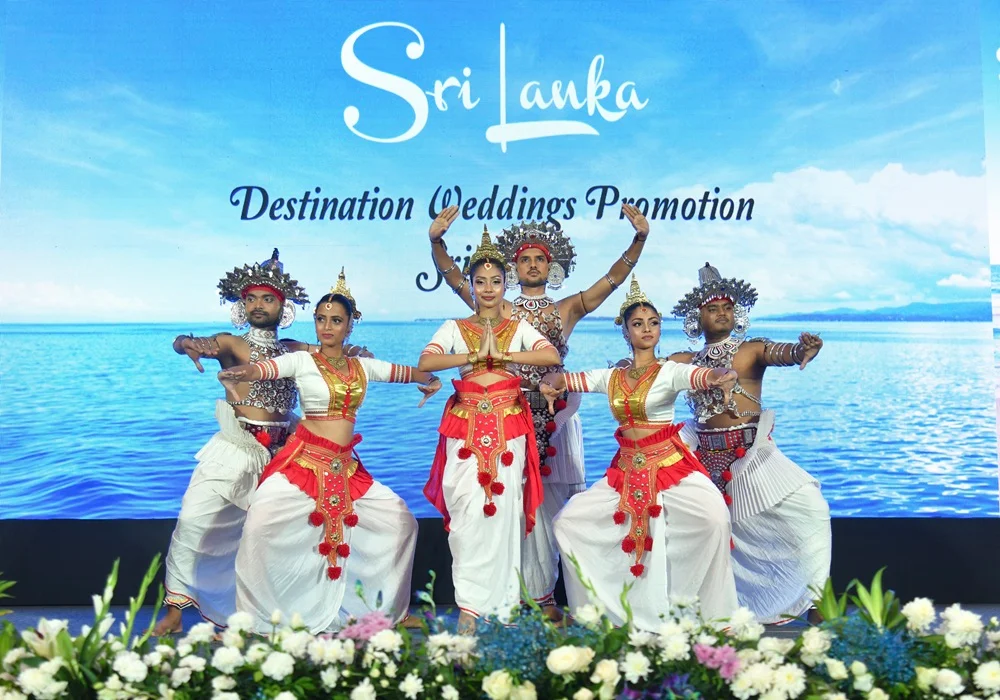


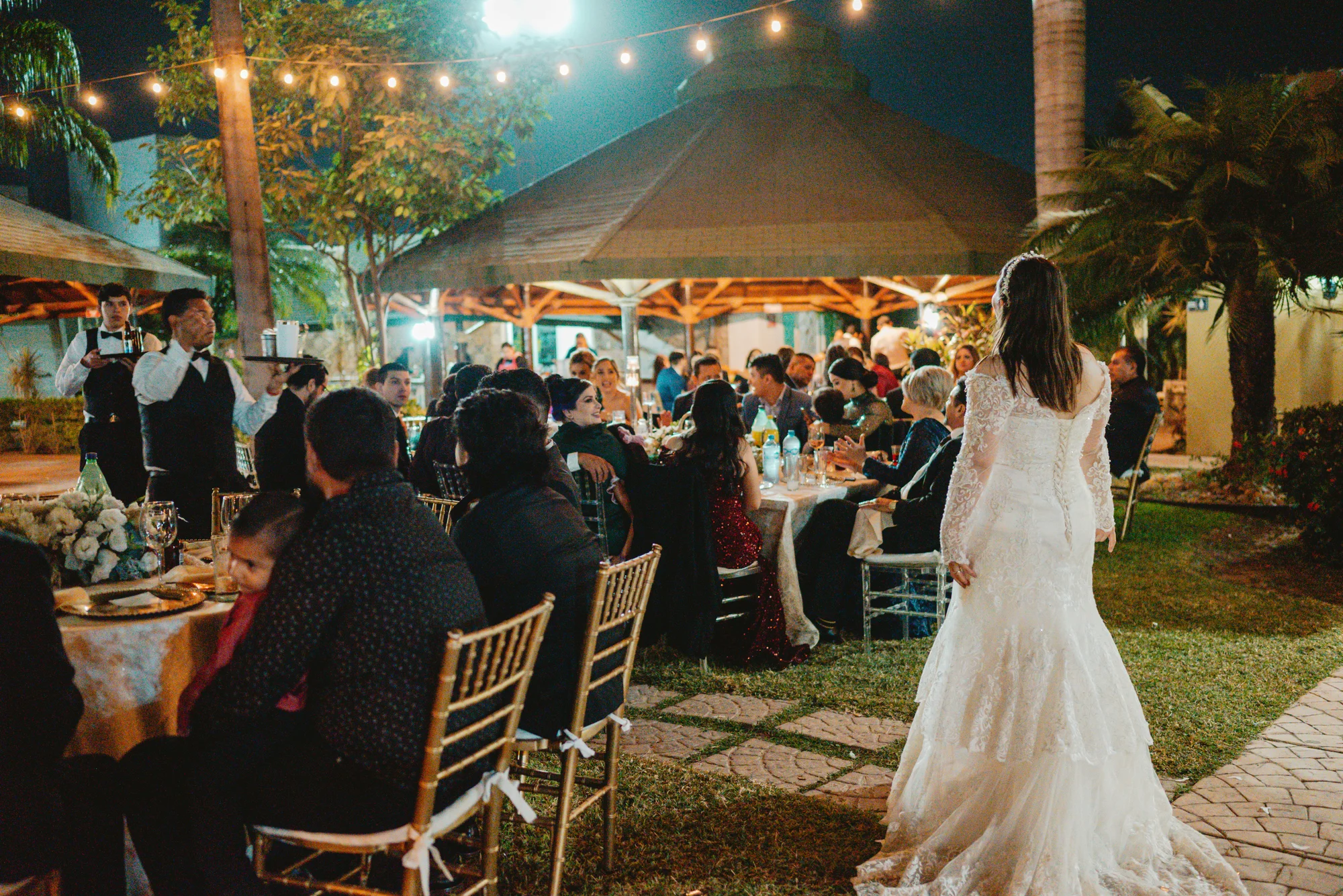
Destination weddings once followed a fairly predictable format: guests arrived, the main ceremony and reception took place, and the group began to disperse the following day. Now, the wedding day is increasingly becoming just the central event within a much longer program. In The Knot’s 2027 wedding trends, “extending the wedding” has emerged as a trend in its own right. Current data shows that nearly one-third of weddings now last at least three days, while 71 percent of celebrations span two or three days. Welcome dinners, pre-wedding gatherings, the main ceremony, post-wedding breakfasts, pool or beach club programs, and different group activities are increasingly being connected within a single event.
This shift is not driven only by couples wanting to celebrate for longer. Guest experience has moved to the center of planning decisions. According to The Knot, 69 percent of couples consider making sure guests feel well hosted and have a good time one of their most important planning priorities. It is no coincidence that many 2027 trends, from personalized wedding identities to interactive food and beverage experiences, converge around the same idea: a wedding is no longer something guests simply watch, but an experience they take part in over several days.
Destination weddings are one of the most natural settings for this transformation. When guests are already traveling to another city or country, turning the trip itself into part of the celebration can feel more meaningful than compressing the entire event into a few hours of reception time. But as the wedding gets longer, the operation also becomes more complex. A three-day celebration does not simply mean three times more entertainment. From hotel rooms and transportation to food and beverage operations and venue use, the wedding begins to function more like a small-scale event program.
The Main Ceremony Is Now Only One Part of the Program
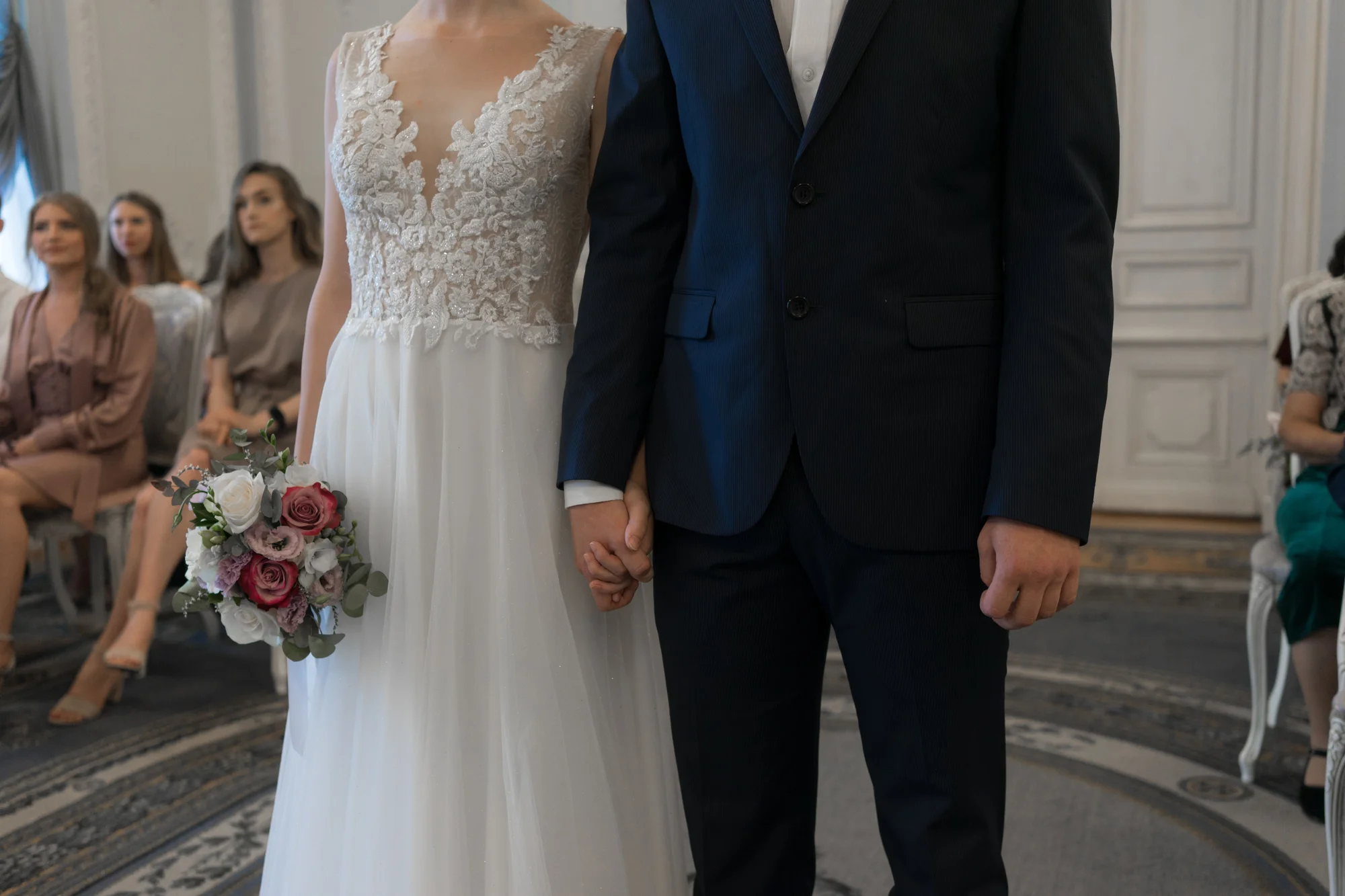
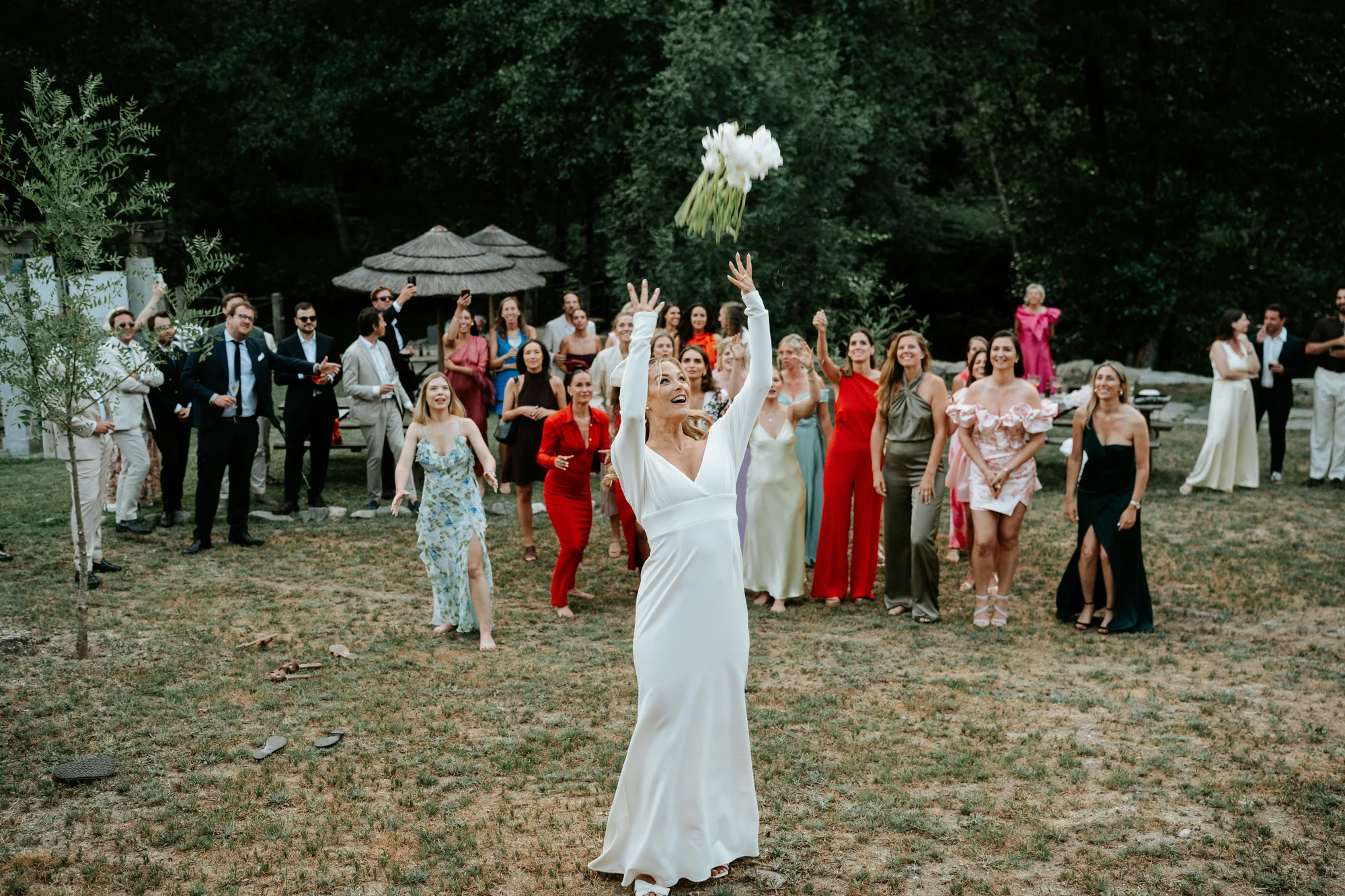
In multi-day weddings, the main ceremony does not lose its importance, but the program around it is expanding. Guests may gather for a welcome dinner on the first day. On the second day, a pool, beach, boat, or destination-specific experience can be added to the program. After the main wedding, the following morning may include brunch, while some celebrations continue with another party.
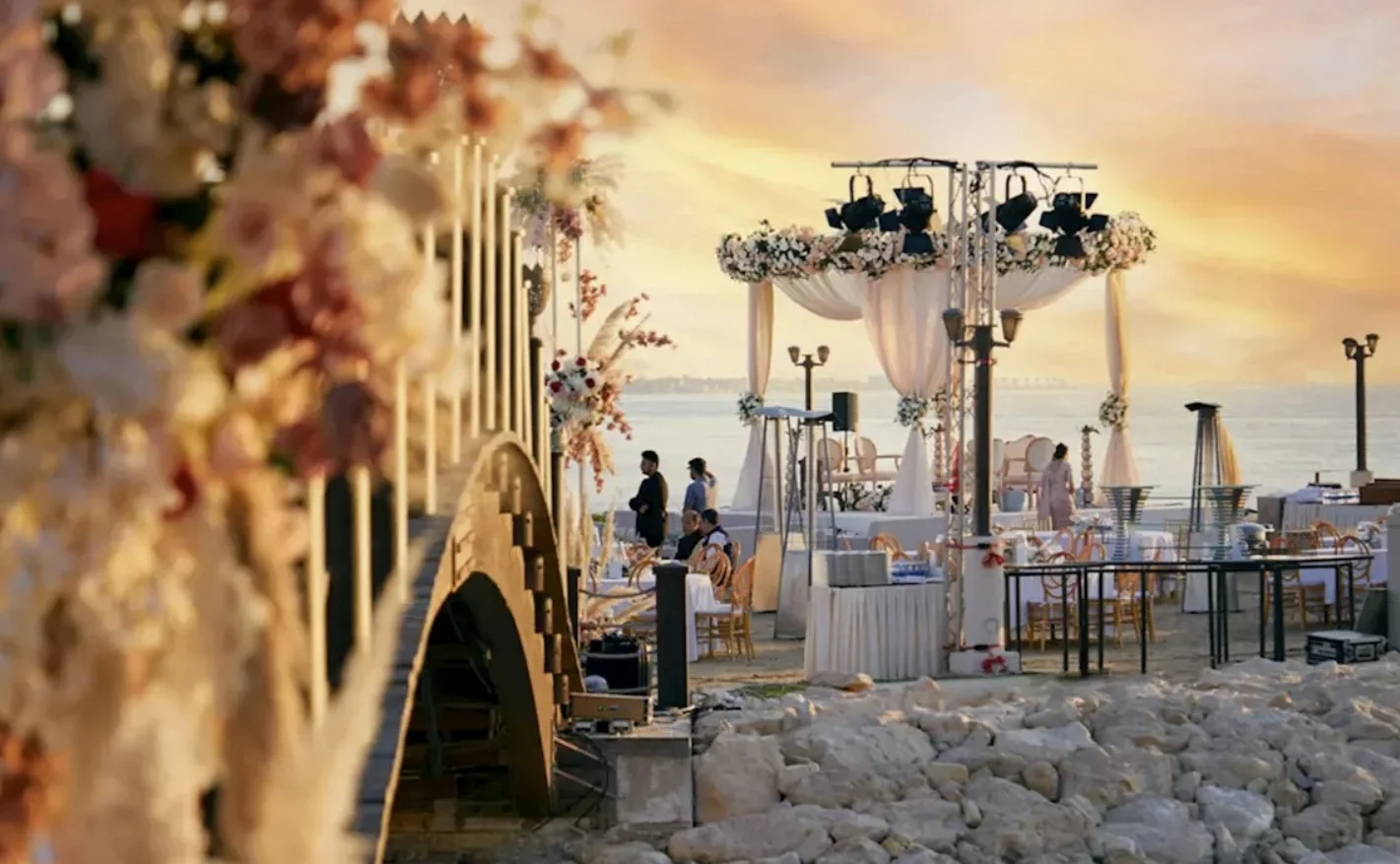
The Knot’s 2027 forecasts also show a 315 percent year-on-year increase in searches for the “beach club” concept, another notable example of this shift. Couples are increasingly using poolside or beachfront experiences as separate parts of multi-day wedding programs. This structure moves the wedding away from a single-peak event. Each day can have its own atmosphere, dress code, gastronomy, and entertainment style. As a result, the concept of the “wedding venue” is also changing. Couples are no longer evaluating only the ballroom or garden where the ceremony will take place, but the entire destination that can be used over three days.
The Hotel’s Role Goes Beyond Selling Rooms
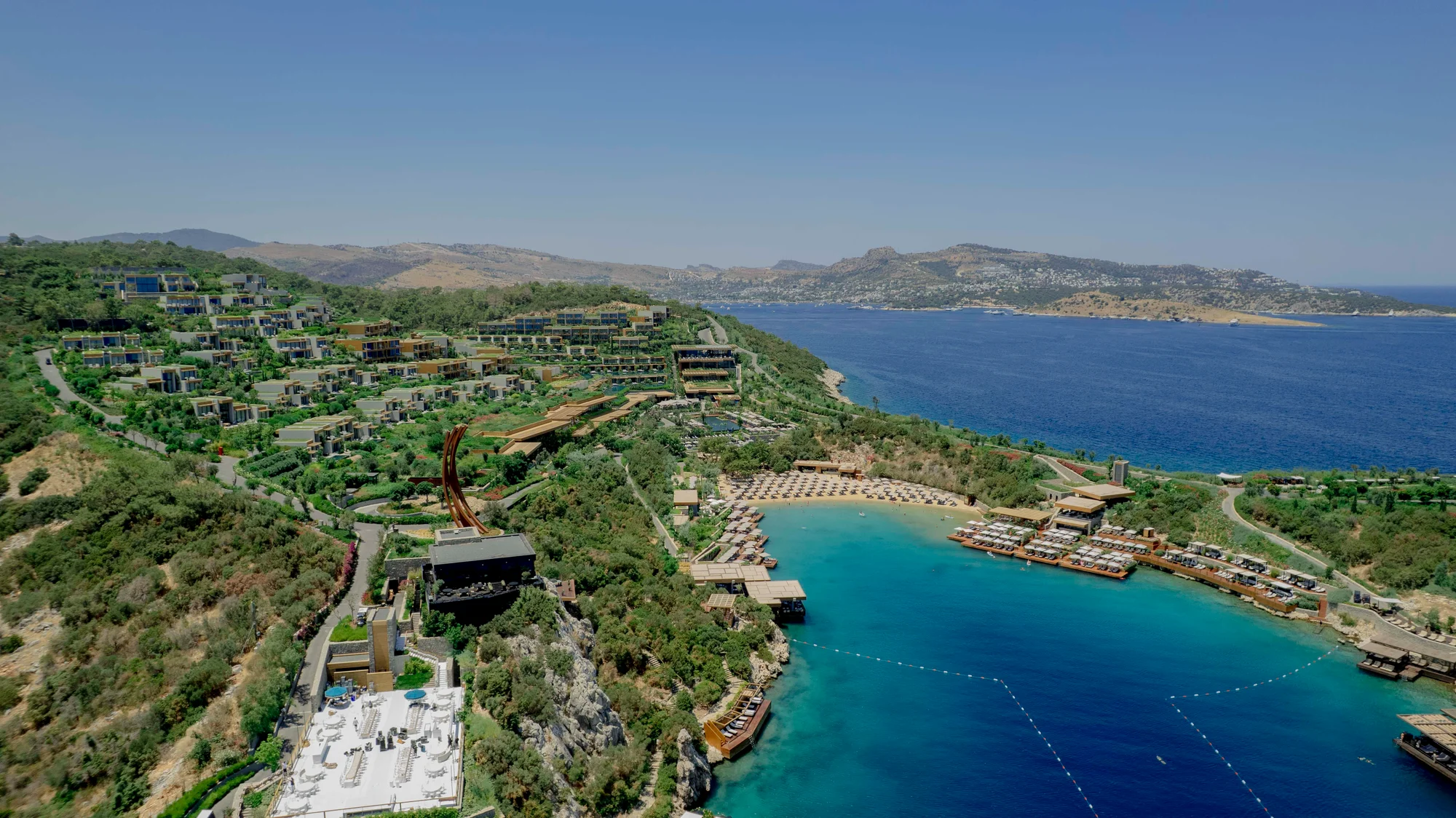
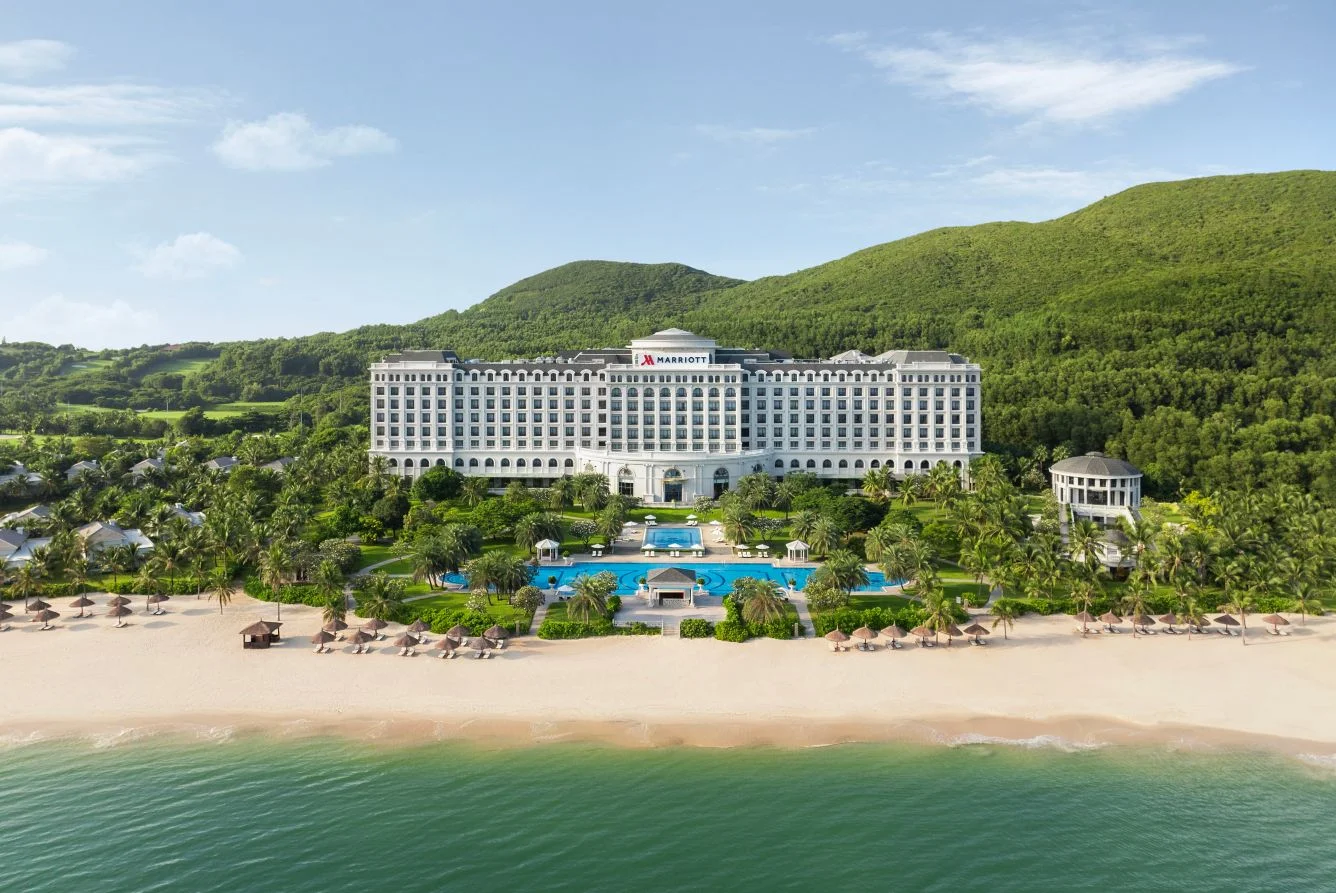
In a one-day event, a hotel’s main role may be to provide accommodation, a ballroom, and food and beverage services. In a three-day program, the same property needs to serve different functions at different times. One area may be used for a welcome dinner, while the pool area becomes a private event space the next day. The beach may be prepared for the main ceremony, while one of the restaurants is reserved for a post-wedding brunch. For larger groups, shared spaces may also need to be separated from other hotel guests, or certain parts of the property may be dedicated exclusively to the wedding group.
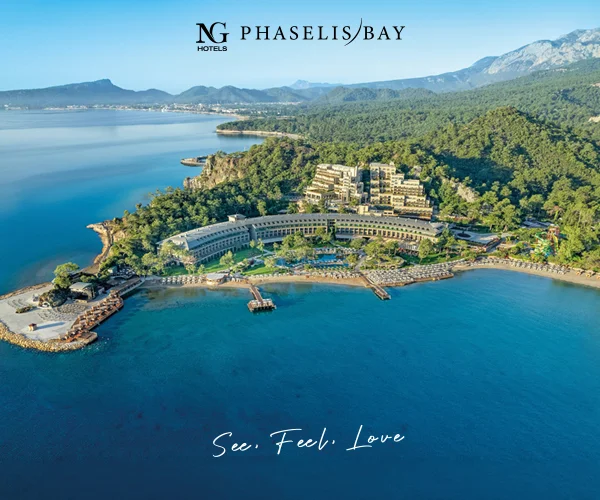
This gives resorts with large grounds, multiple indoor and outdoor venues, and high room capacity a growing advantage in destination weddings. The question is no longer simply, “Can this hotel host a wedding?” It is increasingly becoming, “Can this hotel support an entire three-day wedding program?”
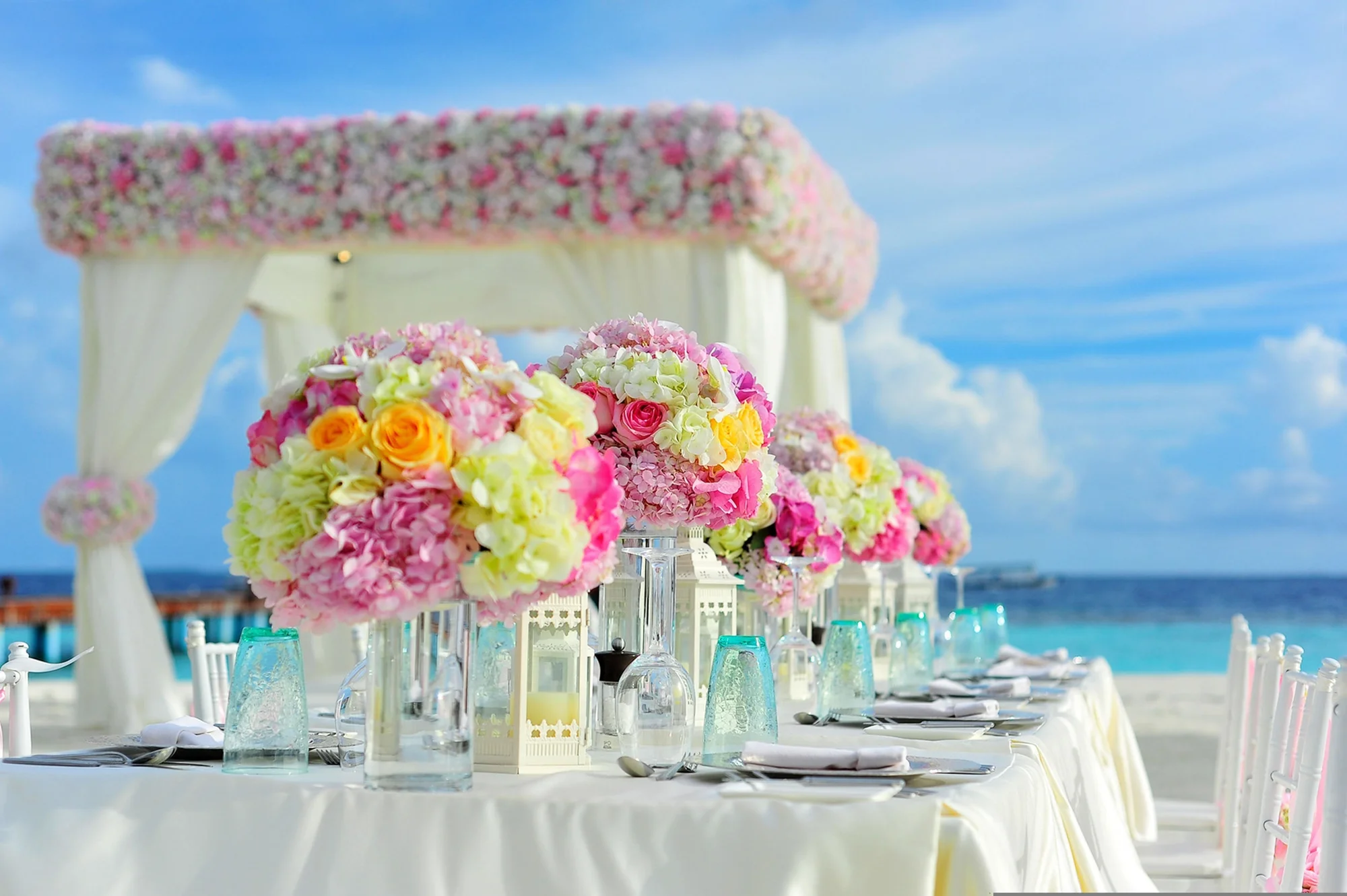
The Wedding Planner’s Role Is Changing Too
Instead of managing the décor, gastronomy, and entertainment of a single ceremony, planners increasingly need to coordinate different guest flows over several days. Airport arrival times, hotel check-ins, transfers, event start times, transportation between venues, and post-wedding programs all become part of the same plan. Particularly in international weddings with hundreds of guests, this structure begins to move away from a traditional social event and closer to a MICE-style operation.
The wedding planner becomes the central coordinator managing accommodation, transportation, food and beverage, venue operations, entertainment, and guest experience at the same time. This also creates a larger volume of business for local suppliers. A single night of décor or catering can be replaced by a series of different needs spread across several days.
Does a Longer Wedding Have to Mean a Bigger Budget?
The rise of multi-day celebrations naturally brings the question of cost. A three-day program can require more venue use, food and beverage, staffing, transportation, and entertainment. However, not every additional event needs to be designed on the same scale as the main wedding night. A welcome program can take the form of a more relaxed dinner, while the post-wedding gathering may be a smaller poolside event. This allows couples to distribute the budget across different experiences rather than concentrating it all into one major evening.
One of the most notable aspects of the 2027 trends emerges here. Luxury no longer means simply more décor or more expensive products. Making guests feel considered, ensuring the program runs smoothly, and creating continuity between different days are becoming more important. For that reason, the success of a three-day wedding may not be best measured by total spending alone. How the same budget is distributed can also determine the quality of the overall experience.