

Vietnam’s Nha Trang is preparing to host one of the largest Indian weddings ever staged in the country toward the end of the year. Around 1,400 guests are expected to travel to Vietnam for the wedding of a couple from billionaire Indian families, while the event will require a broad operation extending beyond the hotels to include the airport, transportation, and local service infrastructure.
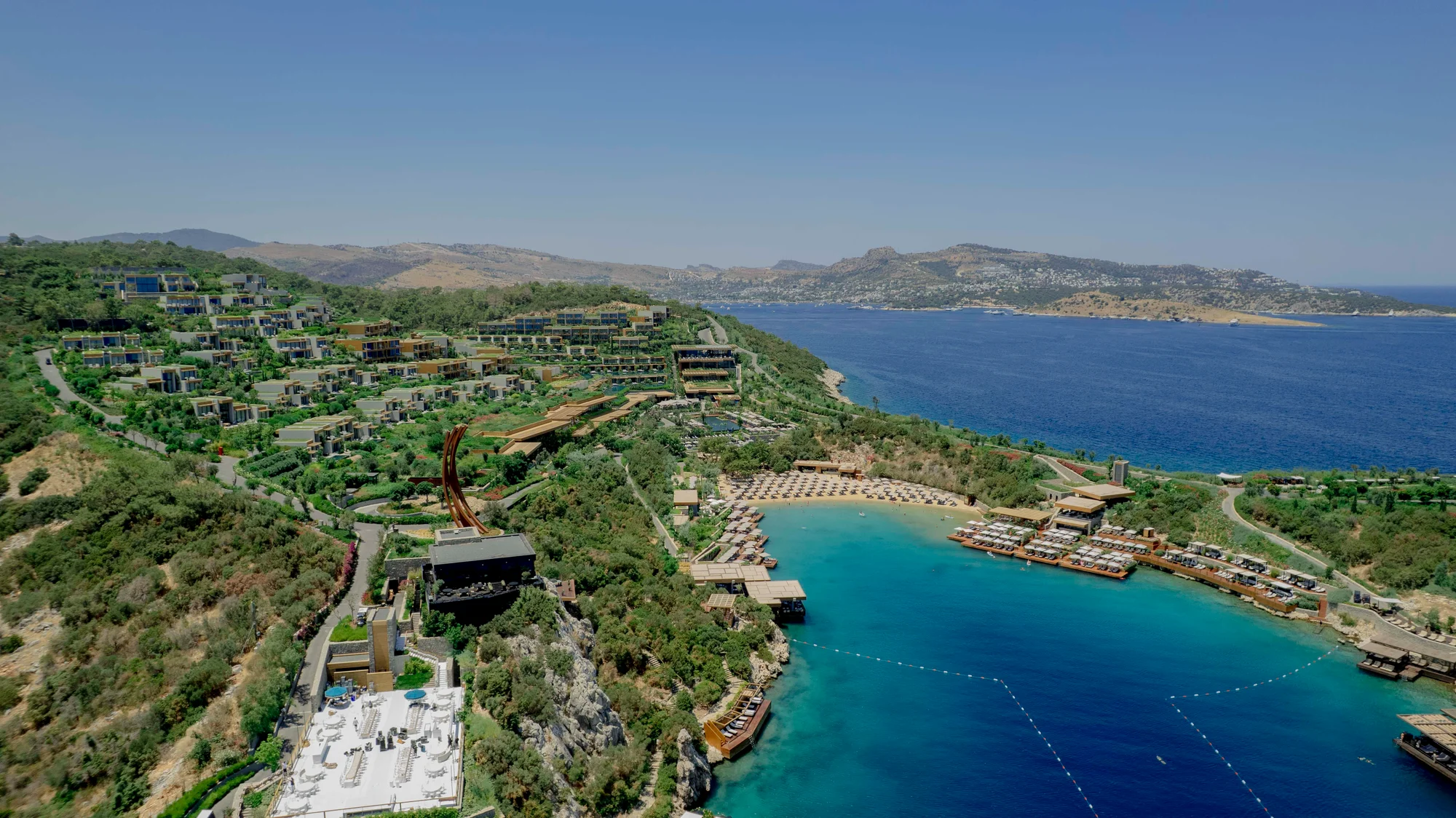
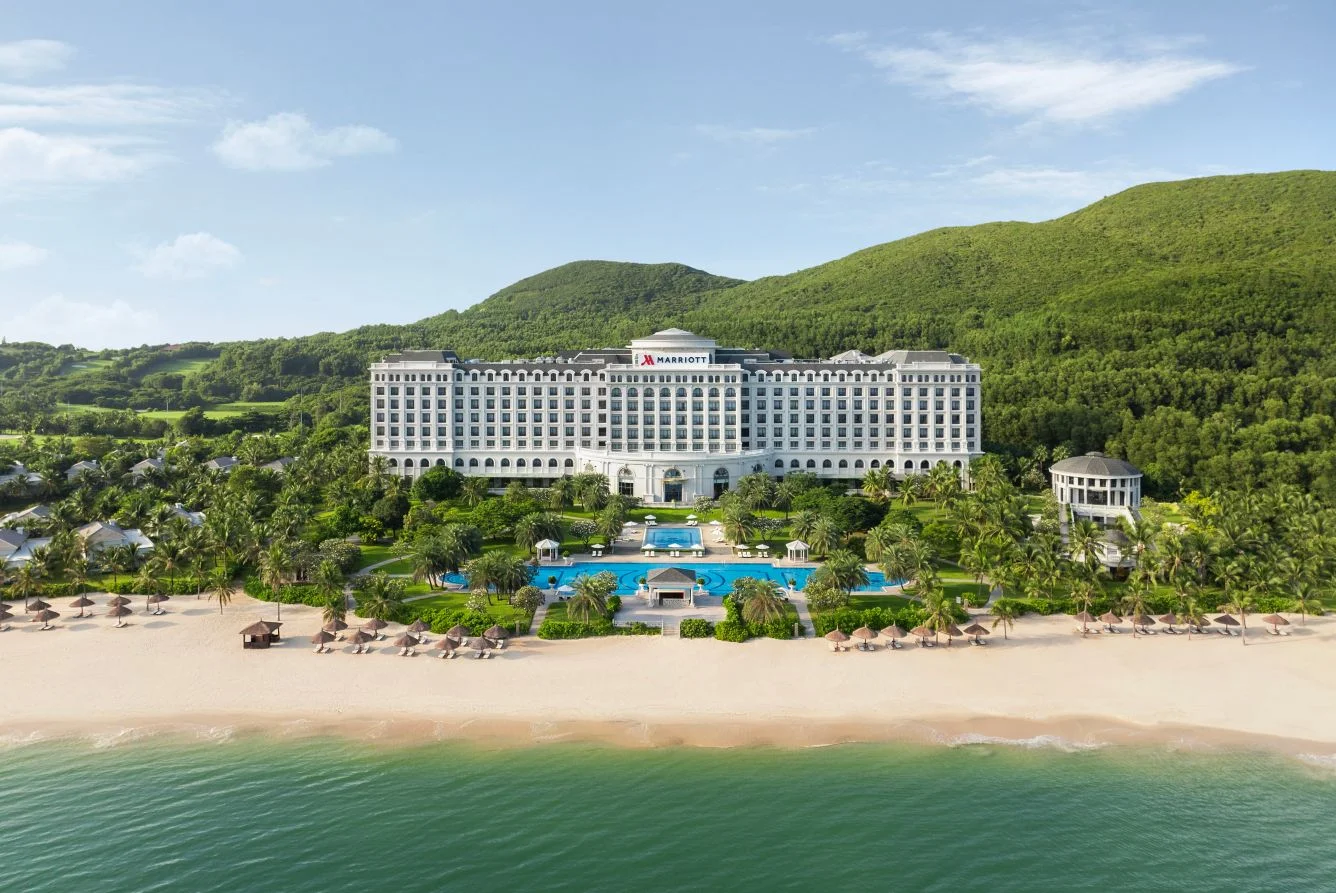
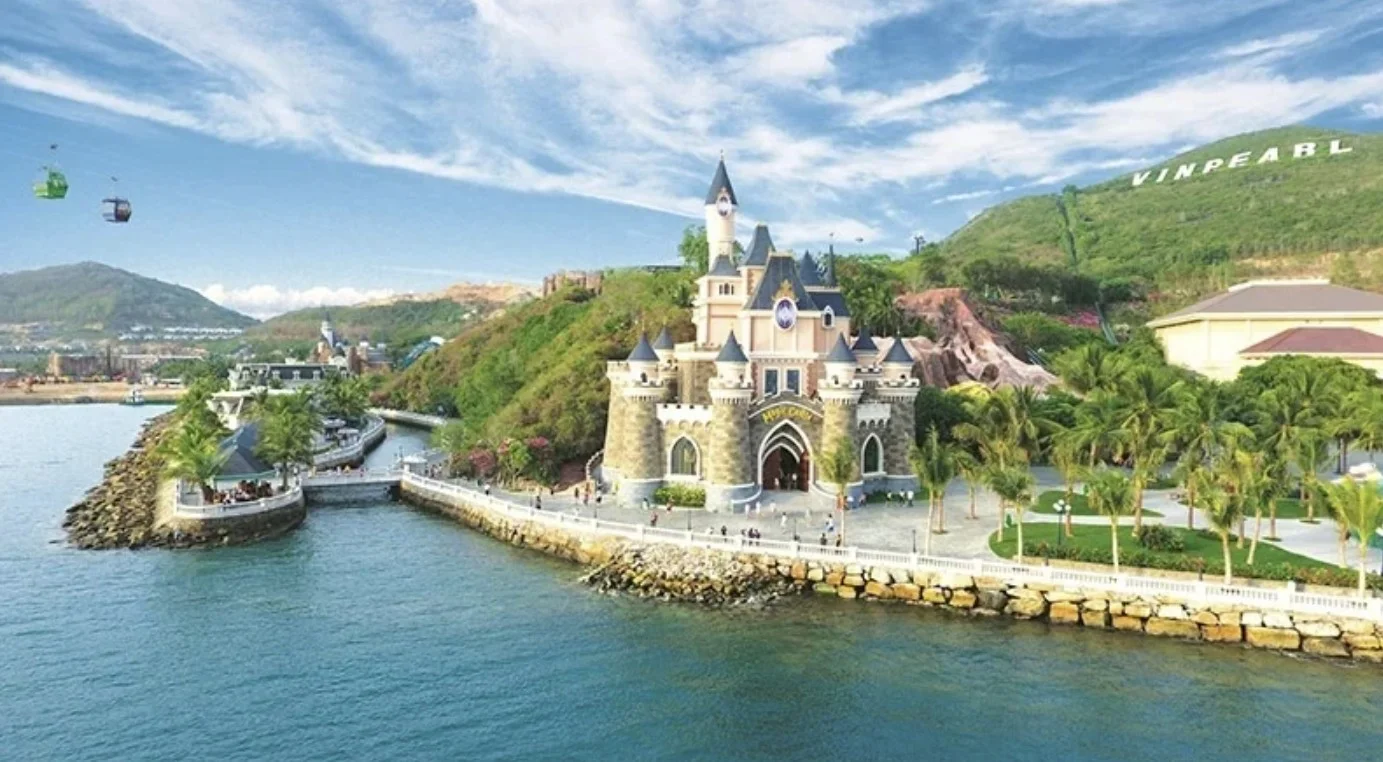
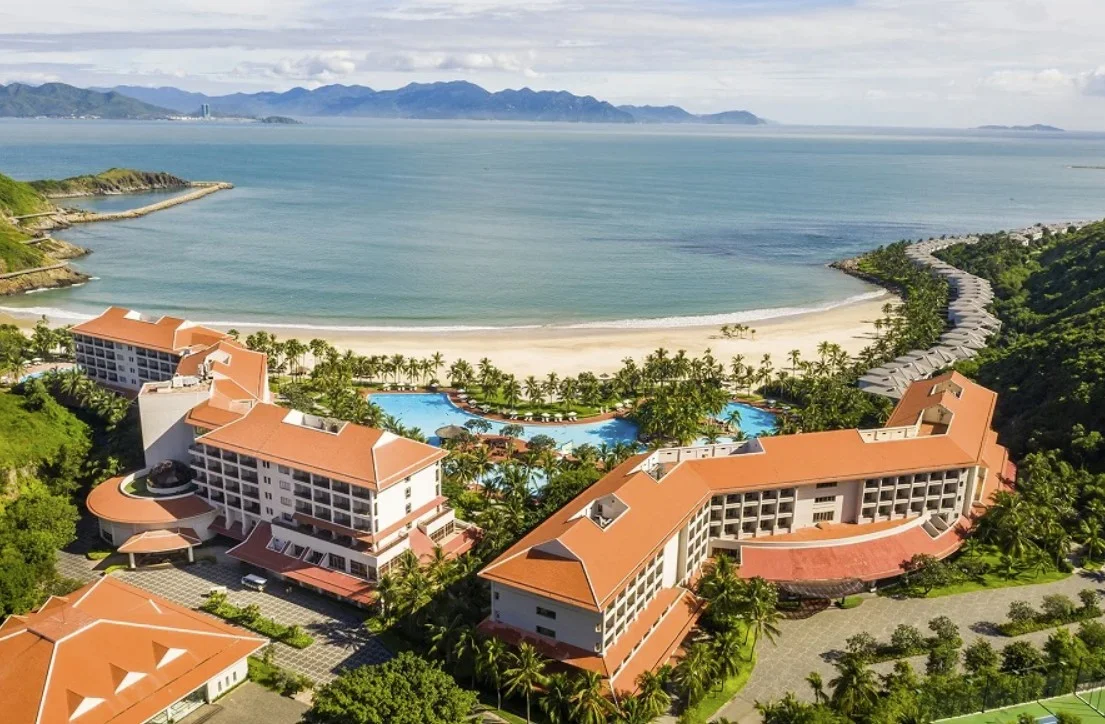
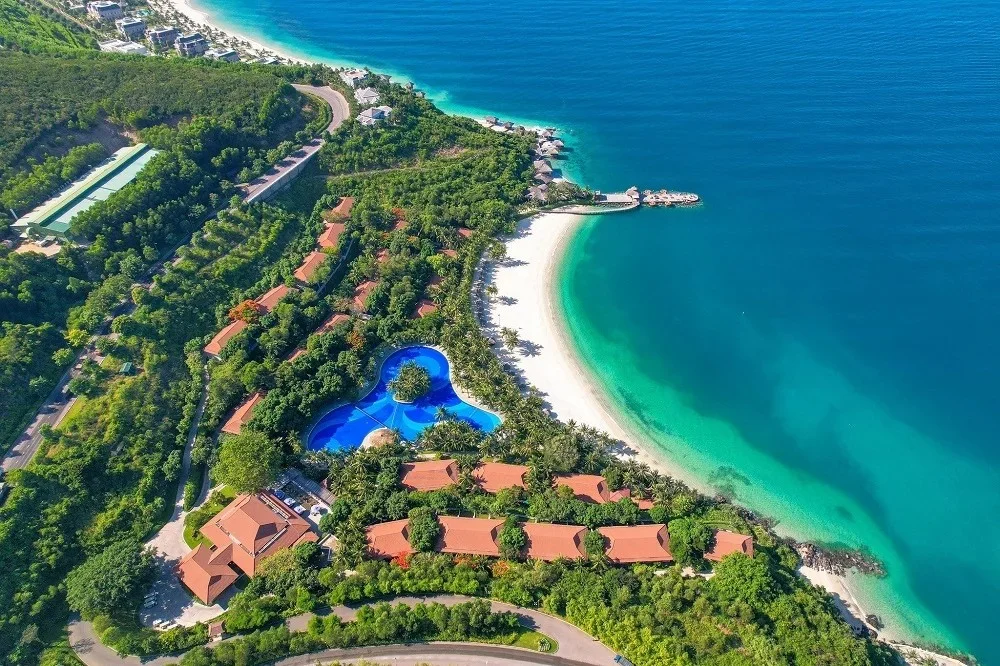
The event will take place from December 9-13 across the Vinpearl Nha Trang complex on Hon Tre Island and Nha Trang Marriott Resort & Spa. The wedding budget is expected to exceed $5 million, while more than 600 people will work directly on the organization.
The Wedding Operation Will Involve More Than 2,000 People
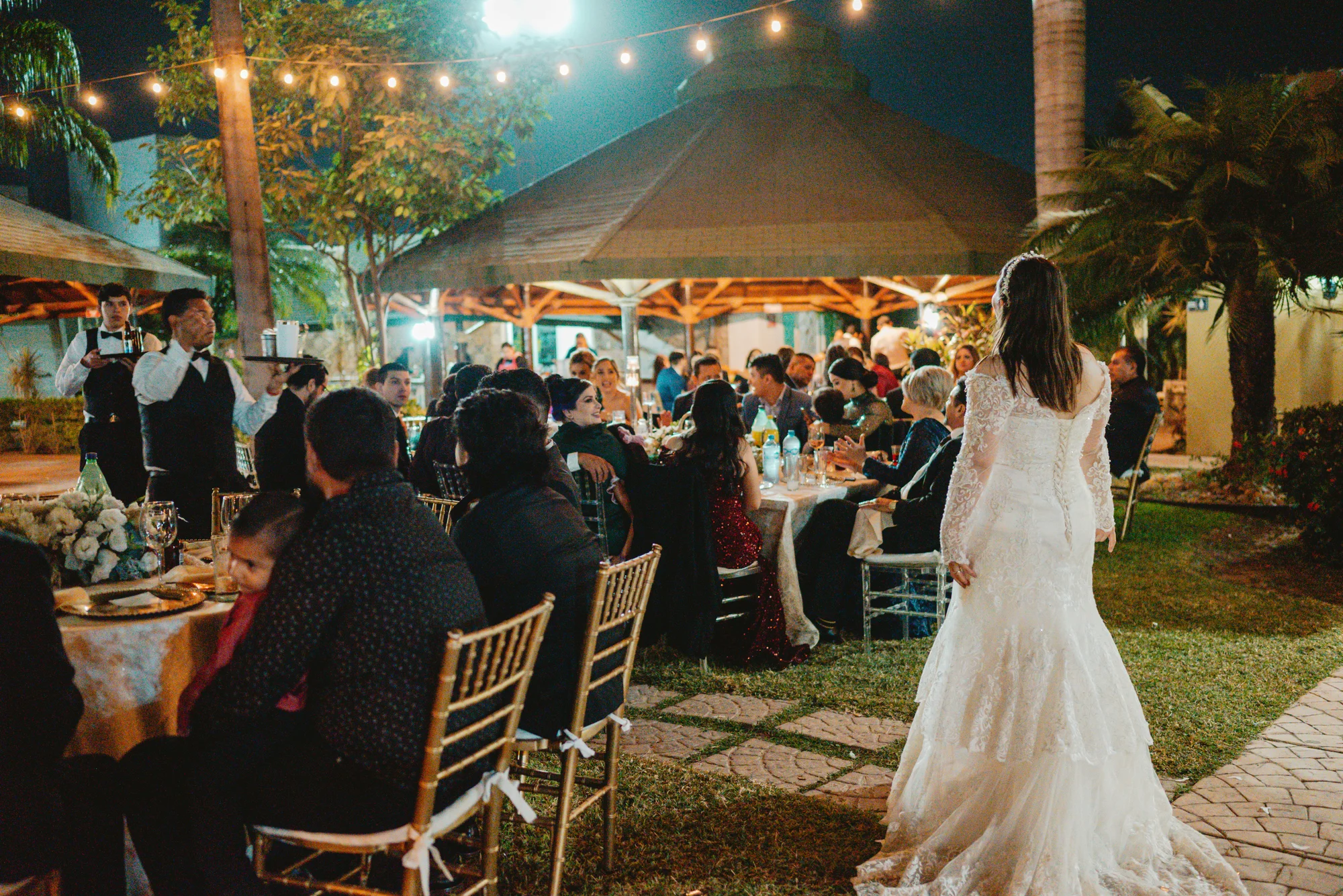
When guests and the event team are considered together, the four-day program will directly involve more than 2,000 people. Logistics, technical production, gastronomy, entertainment, and operations teams will work across different areas throughout the event. The program is expected to include traditional Indian wedding rituals, wedding dining, music and entertainment, as well as leisure and destination experiences for guests.
The event is being organized through a collaboration between Blue Lemon Vietnam, Türkiye-based Inventum Global, and India’s Ranjeet Jain Weddings. Chefs from India are also expected to travel to Nha Trang to meet the requirements of Indian cuisine.
Guests Will Arrive on Charter Flights
The scale of the event is also reflected in airport operations. Guests are expected to travel from India to Cam Ranh International Airport on charter flights, while a special welcome program is being prepared for the families of the bride and groom. Tourism authorities in Khanh Hoa are also coordinating with relevant institutions and companies on accommodation, transportation, and other services. As a result, the wedding is becoming a destination-wide operation stretching from the airport to the resorts, rather than an event taking place only inside two hotels.
This structure also shows why large Indian weddings represent a distinct event segment for destinations. Transporting hundreds of guests at the same time, accommodating them for several nights, and staging different ceremonies across separate venues make transportation, supplier networks, and event management experience just as important as hotel capacity.

A Single Ballroom Is Not Enough for 1,400 Guests
The fact that the wedding will be spread across two different resort systems also highlights the scale of the operation. Vinpearl Resort Nha Trang’s Grand Ballroom alone can accommodate up to 600 people, meaning the different ceremonies and events across the four-day program will need to be distributed across multiple spaces.
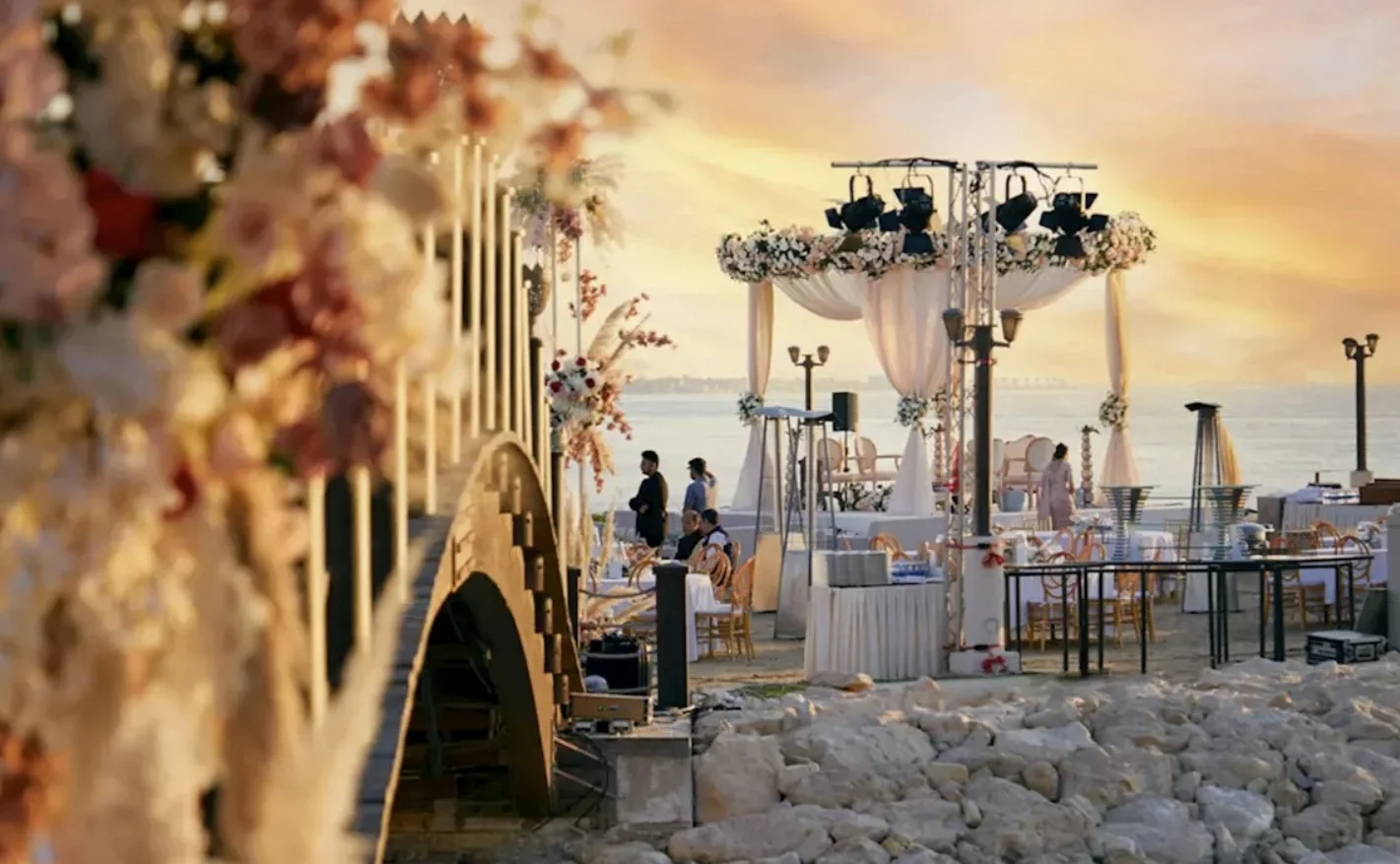
The multi-stage structure of Indian weddings requires more than a single large ballroom. Traditional ceremonies, dining, entertainment programs, and social events taking place at different times and in different spaces make it important for large resorts to use their outdoor areas, ballrooms, and accommodation capacity within the same event. The Nha Trang wedding therefore stands out not only because of its guest count, but also because of the way multiple properties will be used under one wedding program.
Vietnam Is Becoming More Visible in the Indian Wedding Market
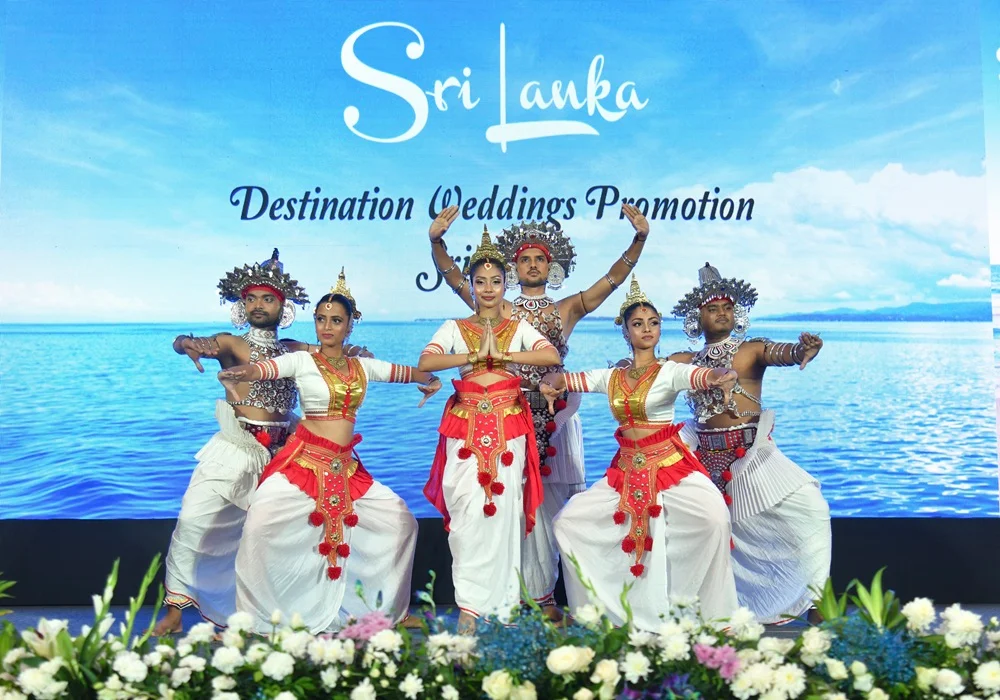
Vietnam has increasingly emerged in recent years as one of the Asian destinations chosen by high-spending Indian wedding groups. Destinations such as Phu Quoc, Da Nang, and Ha Long have previously hosted major Indian weddings, while Nha Trang is preparing to strengthen its position in the market with the December event. The Indian wedding market carries significant spending potential for destinations. Millions of weddings take place in India every year, while only a small proportion are held overseas. Annual spending generated by Indian weddings held abroad is estimated to reach around $5.8 billion.
Competition is therefore not limited to attracting couples alone. Hotel capacity capable of hosting hundreds of guests over several days, direct air connections, service infrastructure able to accommodate different cuisines and rituals, and local supplier networks with experience in managing large-scale events are all becoming part of a destination’s proposition.