

Portugal’s wedding market is growing not only in volume but also in international character. The country recorded 37,714 marriages in 2025, up 3 percent from the previous year and the highest annual total since at least 2012. The national figure tells only part of the story. The latest detailed nationality data published by Statistics Portugal shows that 20.5 percent of marriages registered in the country involved at least one foreign national in 2023. Of these, 14.6 percent were between a Portuguese and a foreign spouse, while 5.8 percent involved two foreign nationals.
The international share rises sharply in destinations already strongly connected to tourism. In the Algarve, 45.3 percent of marriages involved at least one foreign national. A quarter of all marriages in the region were between two foreign spouses, while 23.3 percent of couples said they intended to live abroad after the wedding. Madeira shows a similar, although smaller, pattern. Foreign nationals were involved in 28.1 percent of marriages, while one in four couples planned to live outside Portugal. Greater Lisbon also recorded a strong international component, with 31.2 percent of marriages involving at least one foreign spouse.
These figures should not be read as a direct measure of the destination wedding market. National statistics include marriages involving foreign residents, while international couples who hold a symbolic ceremony in Portugal after completing their legal marriage elsewhere may not appear in the data at all. The actual volume of weddings involving travelling international couples can therefore be different from the official marriage count. Even with that limitation, the regional pattern is significant. The strongest international wedding shares appear in some of Portugal’s most established tourism destinations, suggesting that the country’s visitor economy and wedding economy are increasingly intersecting.

Algarve Stands Apart in the Wedding Market
The Algarve is the clearest example of this overlap. The region has long been one of Portugal’s main international leisure destinations, supported by extensive resort infrastructure, direct air connections, coastal venues and a hospitality sector accustomed to serving overseas guests. In 2023, 25.3 percent of marriages registered in the Algarve were between two foreign nationals, compared with 5.8 percent nationally. Another 20 percent involved one Portuguese and one foreign spouse.
The pattern creates a wedding market with different operational requirements from a predominantly domestic one. International celebrations are more likely to involve airport transfers, multi-night accommodation, welcome events, guest activities and coordination with suppliers before the couple arrives in the destination. They can also extend the economic impact beyond the wedding day itself. Guests travelling from abroad may stay for several nights, combine the celebration with a holiday and spend across restaurants, transportation, experiences and other tourism services. This makes destination weddings particularly relevant to regions already structured around international hospitality.

Portugal’s Tourism Infrastructure Supports Wedding Growth
Portugal’s wider tourism performance provides a strong foundation for this market. The country recorded 32.5 million guests and 82 million overnight stays in tourist accommodation in 2025. Nearly seven out of every ten overnight stays came from international markets, while Greater Lisbon and the Algarve together accounted for approximately half of all nights spent in the country. Portugal also welcomed almost 30 million non-resident tourists during the year, with demand increasingly diversified beyond its traditional European markets. For destination wedding planners, this infrastructure matters. International air access, hotel capacity and an established tourism supply chain reduce some of the operational barriers involved in bringing large groups into a destination.
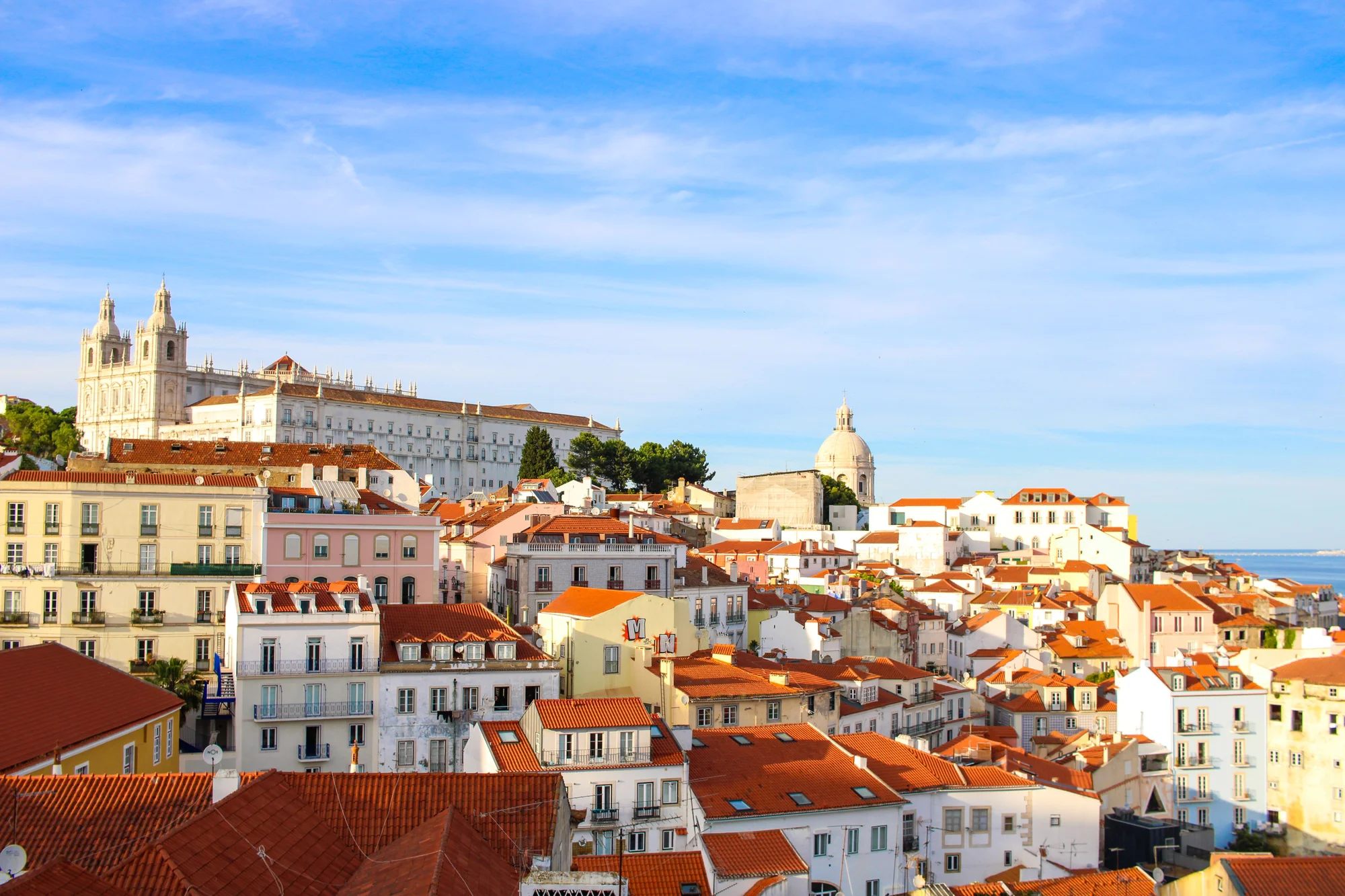
Portugal also offers different wedding environments within a relatively compact geography. Lisbon can support urban and historic celebrations, the Algarve combines resorts and coastal venues, Madeira offers island settings, while regions such as the Alentejo provide countryside estates and vineyards. This allows the country to compete across different segments rather than relying on a single destination wedding format.

The International Market Is Larger Than the Marriage Data Shows
Official marriage statistics provide an important indication of Portugal’s international wedding profile, but they do not capture the entire commercial market. Couples who legally marry in their home country and hold only a symbolic ceremony in Portugal are outside the Portuguese marriage registration figures. The same applies to some vow renewals and other wedding-related celebrations that still generate accommodation, venue and supplier demand.
This distinction is particularly important in established destination wedding regions. The 45.3 percent international share recorded in the Algarve should therefore be viewed as evidence of an already highly international legal marriage market, rather than a complete count of weddings generated by overseas demand. Portugal’s opportunity lies in the connection between these two economies.
The country already has the tourism infrastructure, international visitor base and range of destinations required to support wedding travel. As its domestic marriage market also grows, the next phase will depend on how effectively hotels, venues, planners and destinations turn that international demand into longer stays, multi-day celebrations and a broader wedding economy.