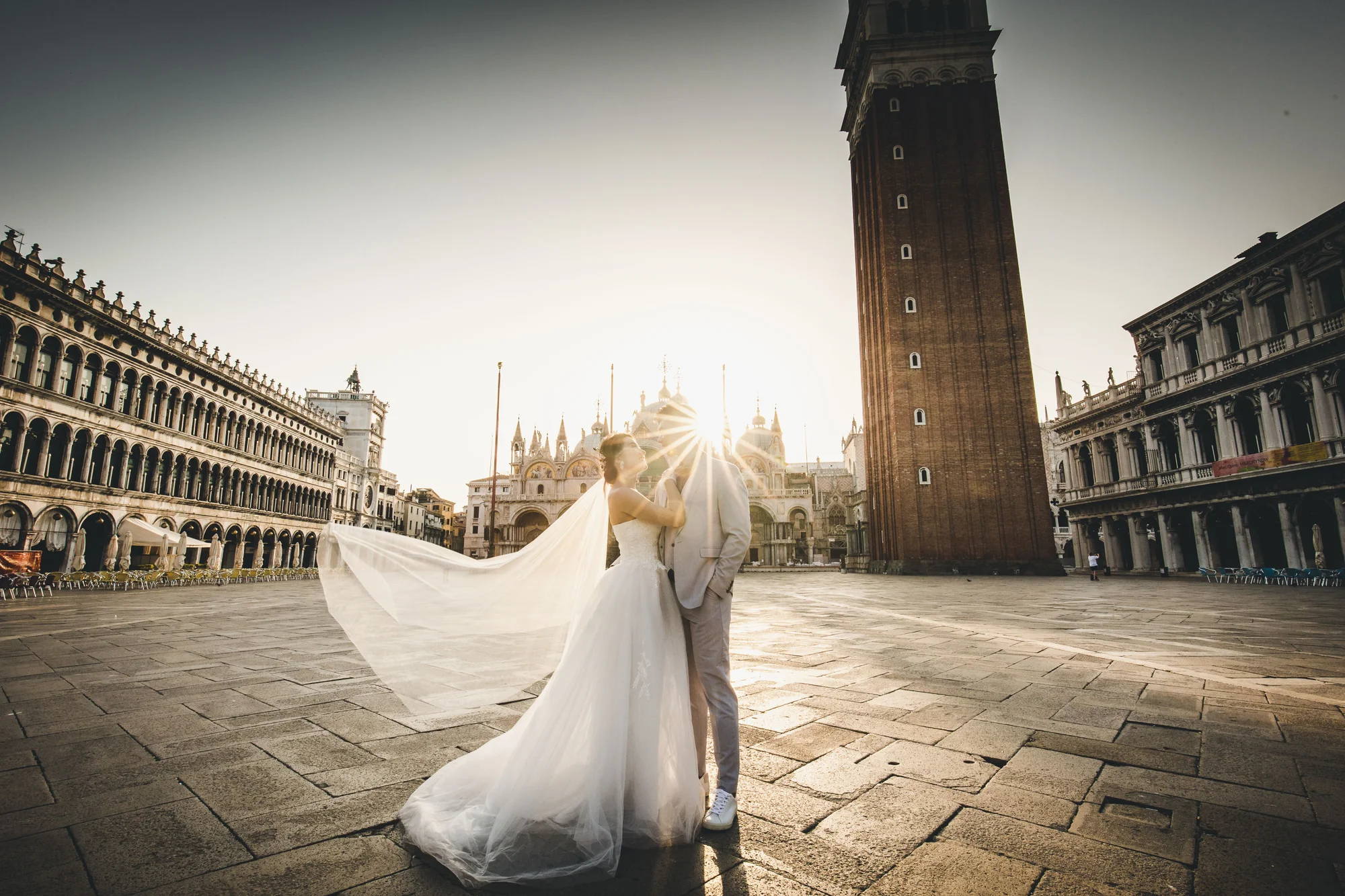
Italy’s destination wedding market generated more than $1.2 billion (€1.1 billion) in revenue in 2025 as international weddings moved further beyond the ceremony itself and became a wider driver of hospitality, accommodation and destination spending. Nearly 17,000 foreign couples held their weddings in Italy during the year, according to the latest Destination Wedding in Italy Observatory report, promoted by Convention Bureau Italia and Italy for Weddings. Those celebrations generated more than three million overnight stays, while the average event budget reached approximately $75,000 (€67,000).
The figures mark another step in the development of a segment that is increasingly being treated as part of Italy’s high-end visitor economy rather than as a niche branch of the domestic wedding industry. In 2024, more than 15,100 international couples married in the country, up 11.4 percent from the previous year. The latest figures indicate that international demand continued to expand in 2025, while spending moved further into accommodation, gastronomy, private venues and multi-day experiences.
A destination wedding brings together several parts of the visitor economy around a single event. Couples may book historic venues or luxury hotels, but their guests also generate room nights, restaurant spending, transportation and pre- and post-wedding travel. Welcome dinners, excursions, tastings, farewell events and extended stays can turn a ceremony lasting several hours into a travel programme stretching across several days. Italy’s advantage is therefore no longer based simply on the number of couples choosing to marry there. The market is increasingly defined by how much additional tourism activity those weddings create around them.
Wedding Demand is Moving Deeper into Hospitality
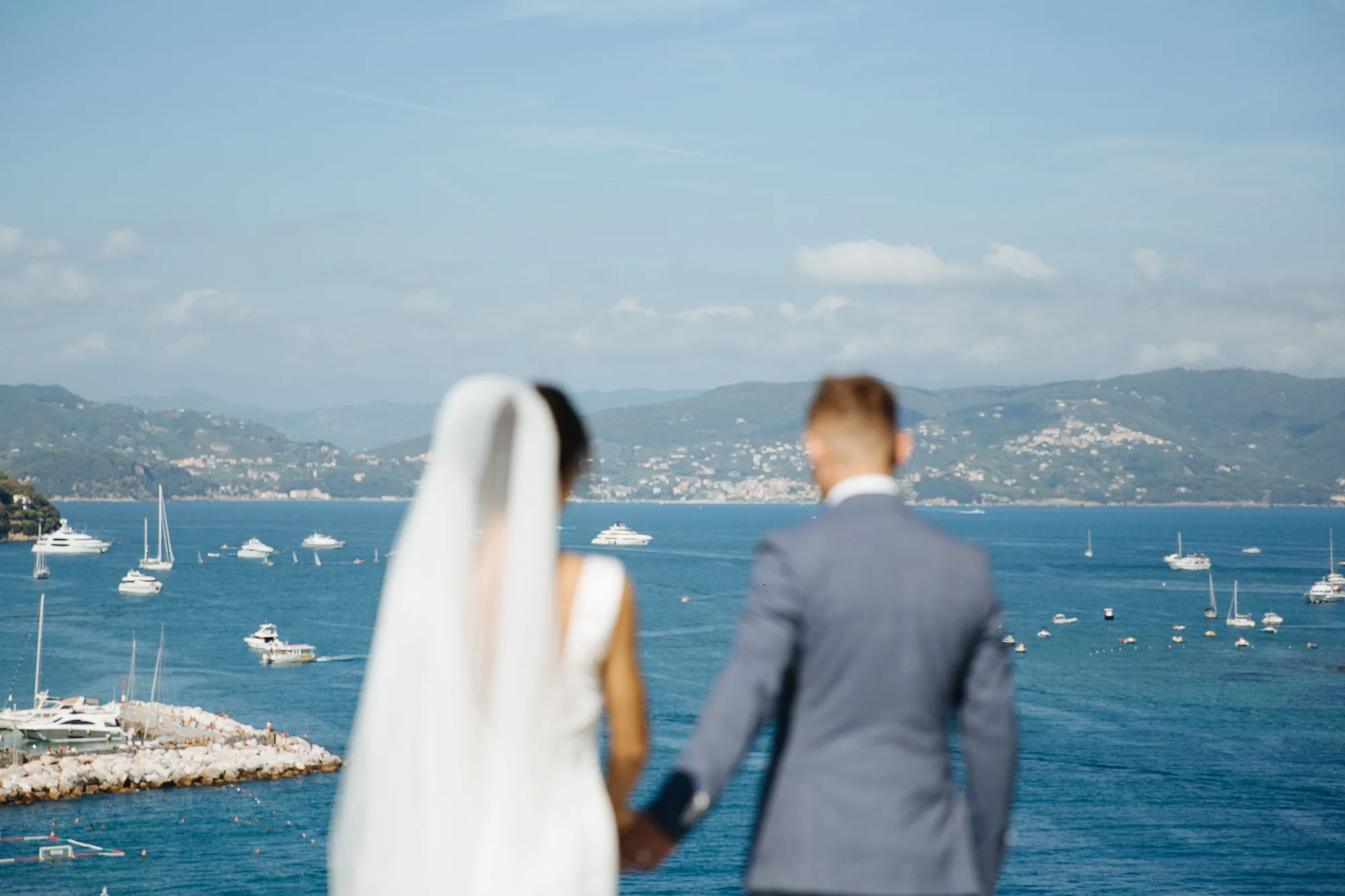
International weddings are having a direct effect on Italy’s high-end accommodation sector. The latest data show stays linked to international weddings extending beyond two nights per event, increasing the value of a wedding booking beyond venue rental or food and beverage revenue. Luxury hotels are one beneficiary, but they are part of a broader hospitality ecosystem. Historic villas, castles, villages and private residences remain prominent venue choices, while demand is also expanding toward private estates, wineries, resorts and properties capable of hosting several stages of the same celebration.
That structure is particularly suited to the growing multi-day wedding format. Instead of moving guests between unrelated suppliers for each event, couples and planners increasingly look for destinations where accommodation, dining, entertainment and experiences can be assembled into one coherent programme. A property may host a welcome dinner on the first evening, the ceremony and reception the following day and a brunch or pool event before departure. Guests may then extend their stay independently. For hotels and destinations, this creates revenue beyond the traditional wedding banquet.
The result is a segment that sits increasingly close to luxury group travel. Weddings generate concentrated room demand, significant food and beverage expenditure and a need for transport, entertainment, production and local experiences, while still maintaining the emotional and highly personalised characteristics of a private celebration.
Tuscany Shows the Economics of a Mature Wedding Destination
Tuscany provides one of the clearest examples of how destination weddings can develop into a measurable regional economy. The region hosted more than 2,860 weddings involving international couples in 2025, an increase of 4.8 percent. Those events generated approximately $240 million (€213.7 million) in turnover, up 14.1 percent. Spending therefore expanded considerably faster than the number of weddings.
The average event budget reached approximately $83,000 (€74,000), an increase of 8.8 percent, showing how higher-value celebrations are contributing to growth alongside event volumes. The United States is Tuscany’s largest wedding source market, accounting for 38.3 percent of international demand, while more than 52 percent of couples originate from countries outside the European Union.
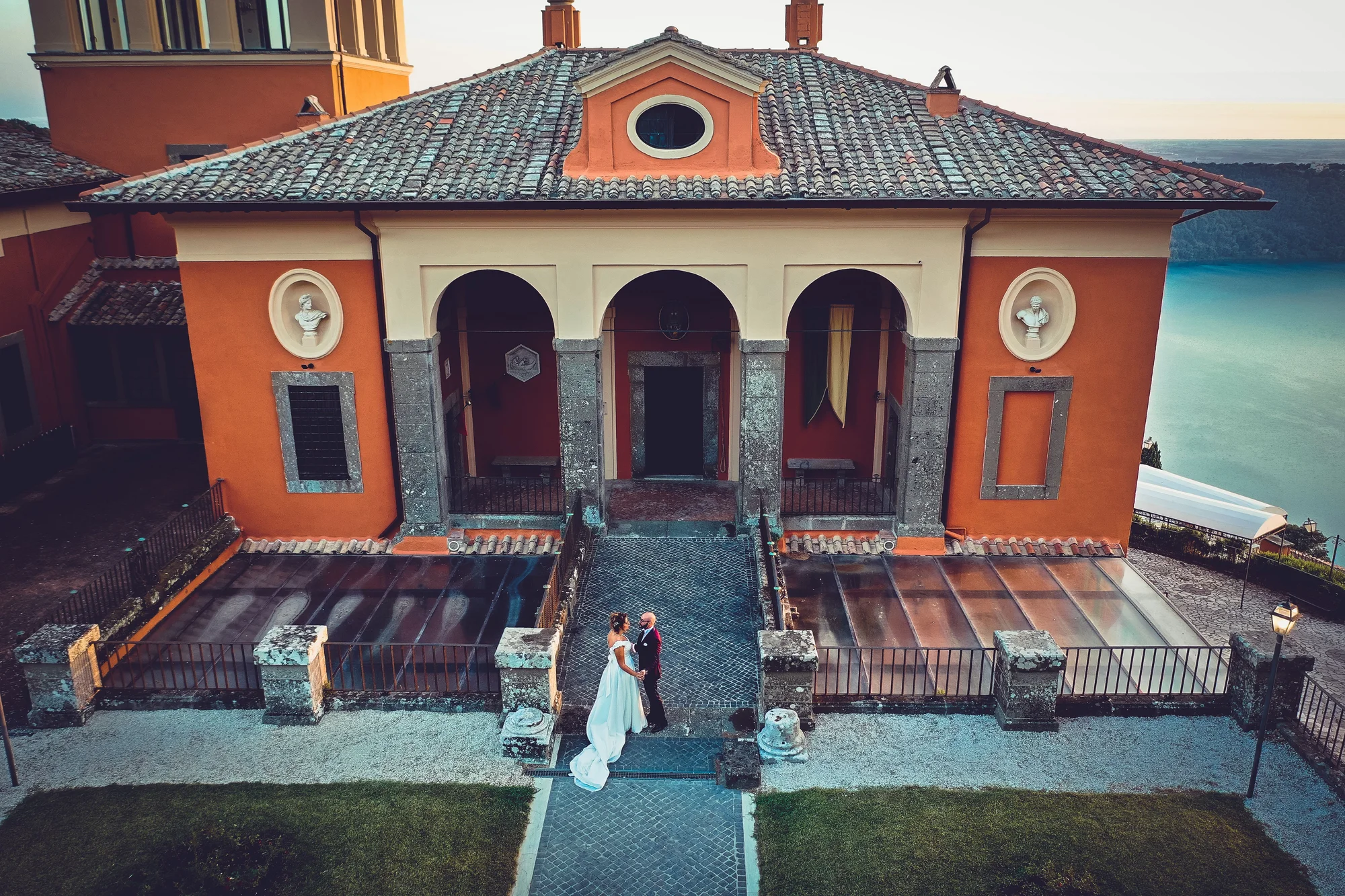
Venue preferences also reveal why the region has been able to monetise its destination identity. Villas represent 26.5 percent of choices, followed by historic villages at 16 percent and castles at 12.3 percent. Demand extends beyond Florence into areas including Val d’Orcia, Chianti and Elba Island. This spreads wedding expenditure across a wider territory rather than concentrating it entirely within major urban tourism centres. Tuscany also has 94 five-star hotels and a wedding-related supply chain of more than 1,000 qualified businesses, giving the region an infrastructure capable of supporting international events from accommodation and catering to production and specialist planning services.
Italy is Building More Than One Wedding Destination
Tuscany remains one of the most recognisable names in the international wedding market, but Italy’s strategy is increasingly broader. Campania combines the Amalfi and Sorrento coasts with Capri, Ischia, historic estates and major cultural sites. Lombardy brings Lake Como together with other lake districts, castles and countryside estates. Sicily offers historic residences, wine estates, coastal settings and destinations such as the Aeolian Islands and Val di Noto.
Puglia represents a particularly interesting example of how wedding positioning can intersect with international market development. The region has recorded a fivefold increase in arrivals from the United States within its high-end tourism and destination wedding segment over the past decade. In 2025, the United States became Puglia’s third-largest international market after France and Germany. The destination has also been actively developing relationships with North American wedding buyers while expanding direct air access from the United States. This matters because a successful wedding destination requires more than an attractive venue.
For long-haul markets, direct aviation access, luxury accommodation, experienced suppliers and the ability to move groups efficiently can determine whether a location progresses from an aspirational choice to a practical one. Italy’s regional diversity gives it another advantage. Couples can select a lake, vineyard, island, city, coastal village or countryside estate without leaving the same national market. That allows the country to serve several wedding aesthetics and price points while retaining a common hospitality and cultural proposition.
The Wedding is Becoming a Destination Product
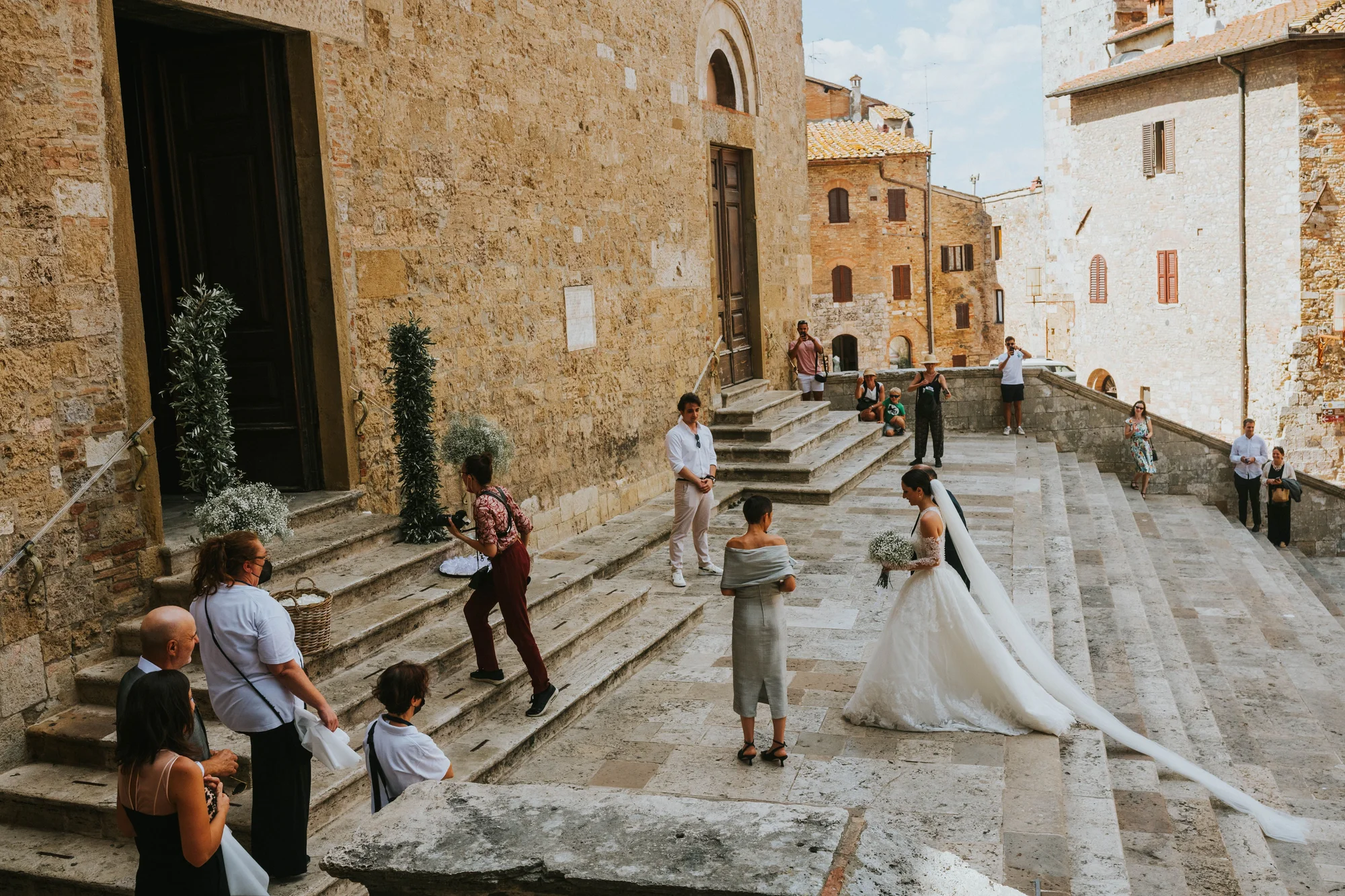
The growth of destination weddings also changes how tourism authorities can approach the segment. Traditional destination marketing often focuses on individual travellers or couples. Weddings introduce an entirely different acquisition model: one decision by a couple can bring dozens or more than 100 visitors into a destination simultaneously. Those guests may also be experiencing the destination for the first time.
The economic value therefore extends beyond the couple’s event budget. A wedding can introduce an entire group to local hotels, restaurants, experiences and surrounding destinations, creating opportunities for additional stays and future return visits. This is one reason wedding tourism increasingly overlaps with destination development.
A historic property restored for private events can support local employment. New luxury accommodation increases the capacity to host international groups. Direct international flights make previously difficult regions more accessible. Local planners, caterers, photographers and production companies become part of an exportable hospitality supply chain without the event itself leaving the destination. The wedding becomes the reason for travel, but the economic footprint extends throughout the destination.