

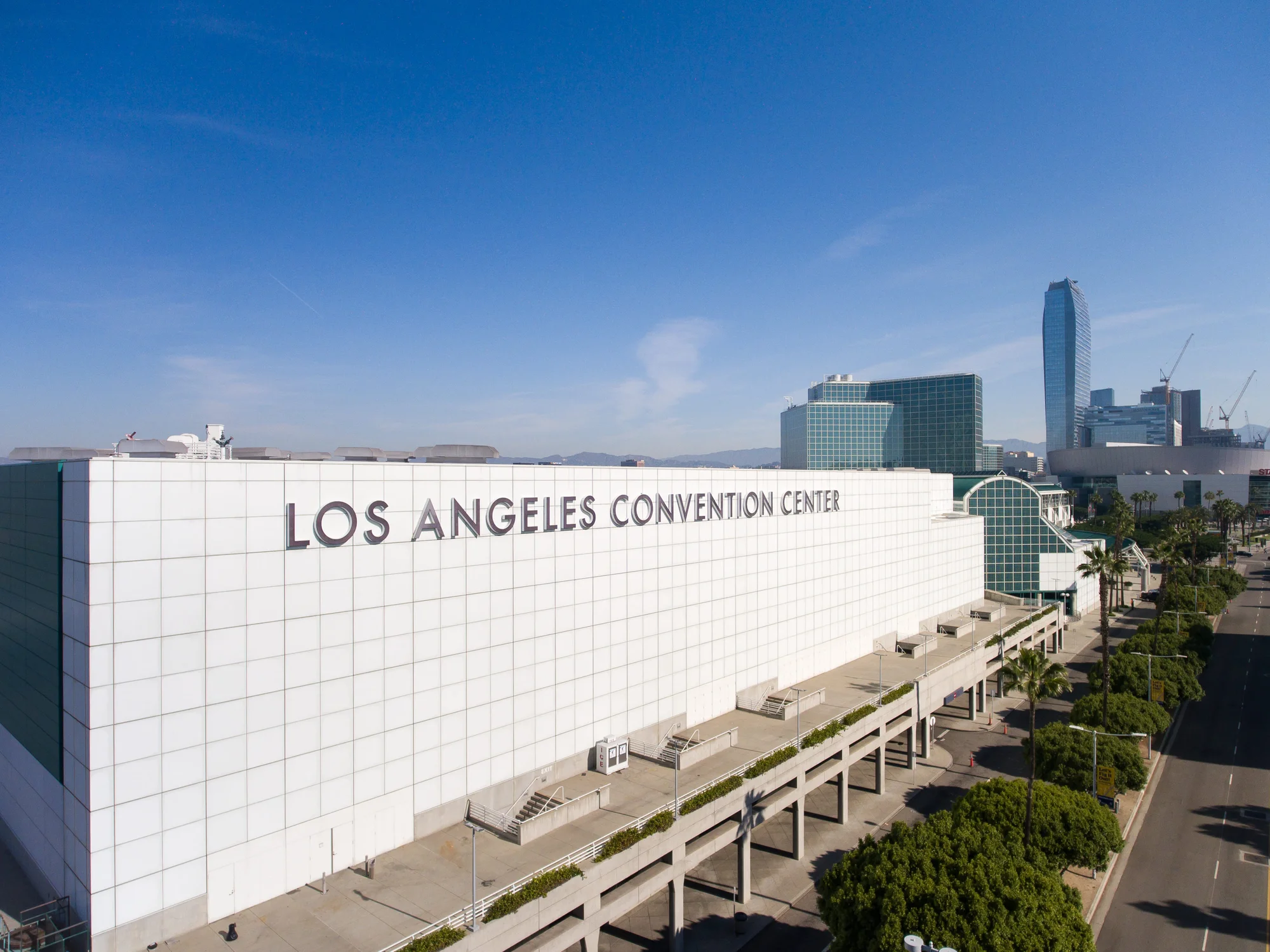
Los Angeles is beginning to see the commercial impact of its convention centre expansion before construction is complete. Eighteen new conventions have already committed to using the expanded Los Angeles Convention Center, with the events expected to attract approximately 186,000 attendees and generate more than USD 400 million for the local economy.
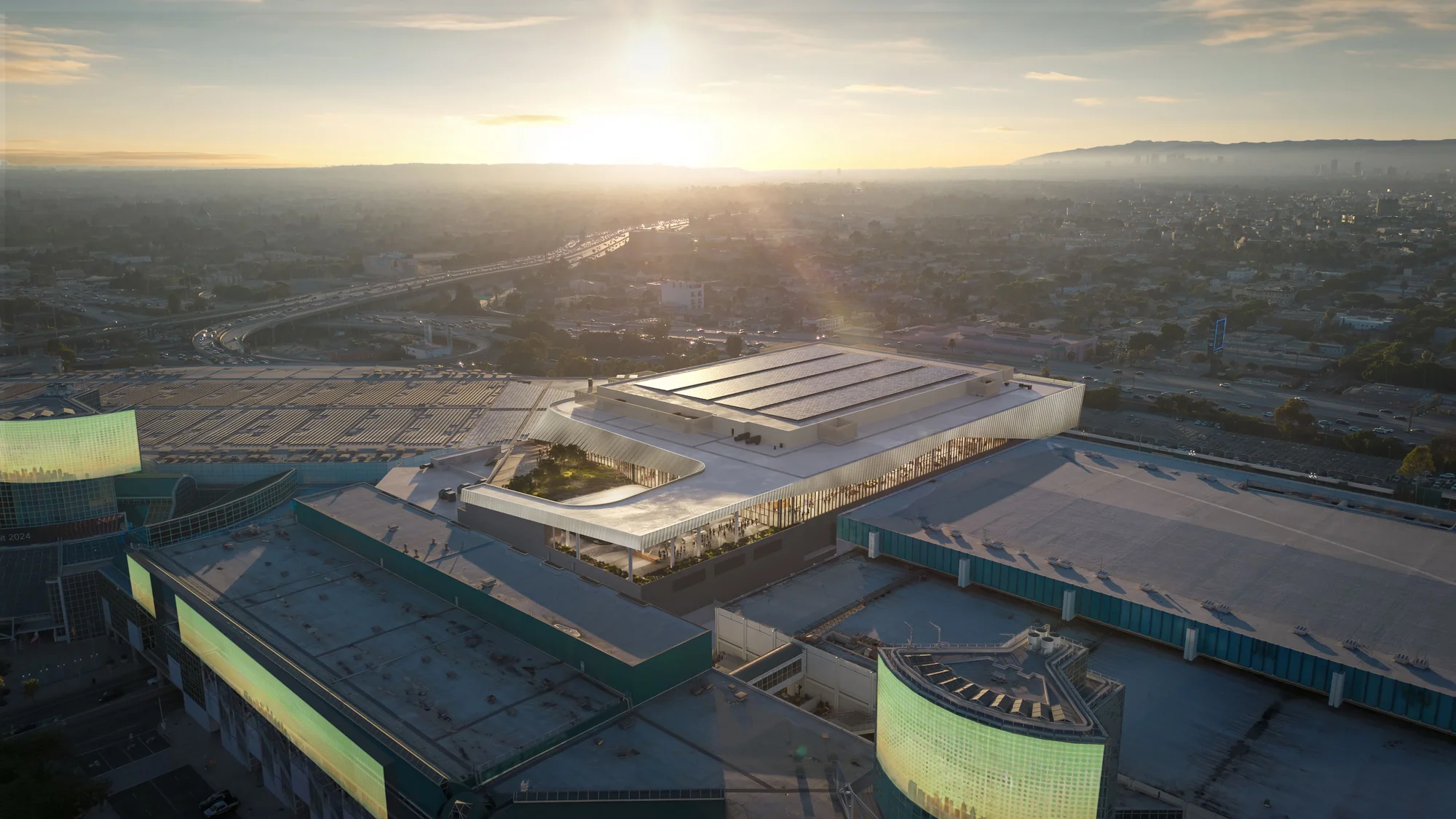
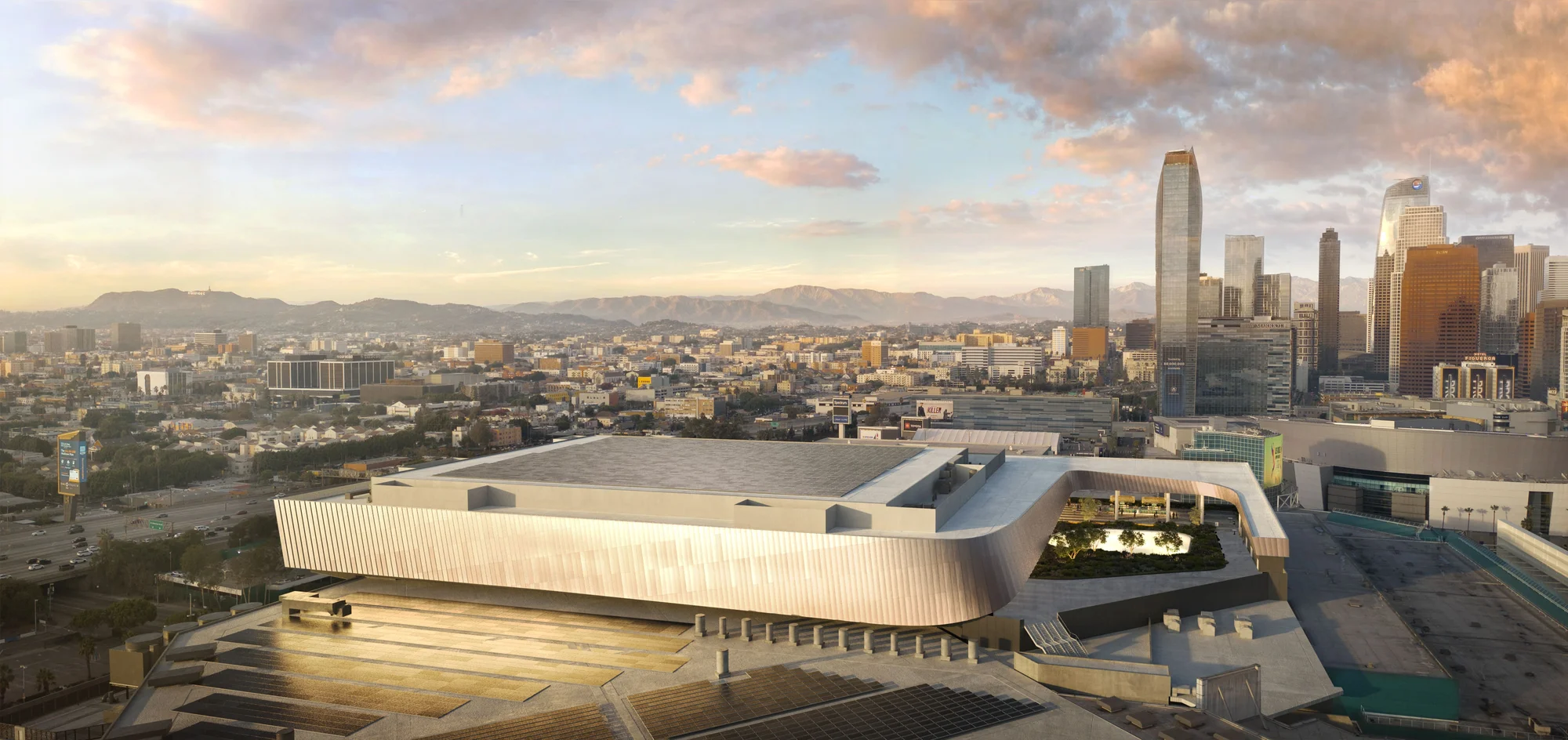
The USD 2.6 billion expansion and modernisation project is designed to increase the city’s ability to compete for larger national and international conventions. Once completed, the development will add approximately 17,900 square metres of new exhibition space, taking the convention centre’s overall exhibition capacity to more than 83,000 square metres. A key part of the project is the creation of around 69,700 square metres of contiguous exhibition space. Large conventions increasingly require extensive uninterrupted floorplans that allow organisers to bring exhibitions, product displays and high-volume attendee traffic together without dividing the event across separate buildings or halls.
The development will also introduce approximately 9,100 square metres of flexible multipurpose space, new meeting rooms and hospitality areas, along with a rooftop terrace overlooking Downtown Los Angeles. The combination of exhibition, meeting and networking areas is intended to give organisers greater flexibility when designing multi-day congresses and large corporate events. Securing 18 conventions while construction is still underway provides an early indication of the demand behind the project. Rather than waiting for the expanded venue to open before building its event pipeline, Los Angeles is already using the future capacity to compete for business several years in advance.
Larger Floorplans Target Bigger Conventions
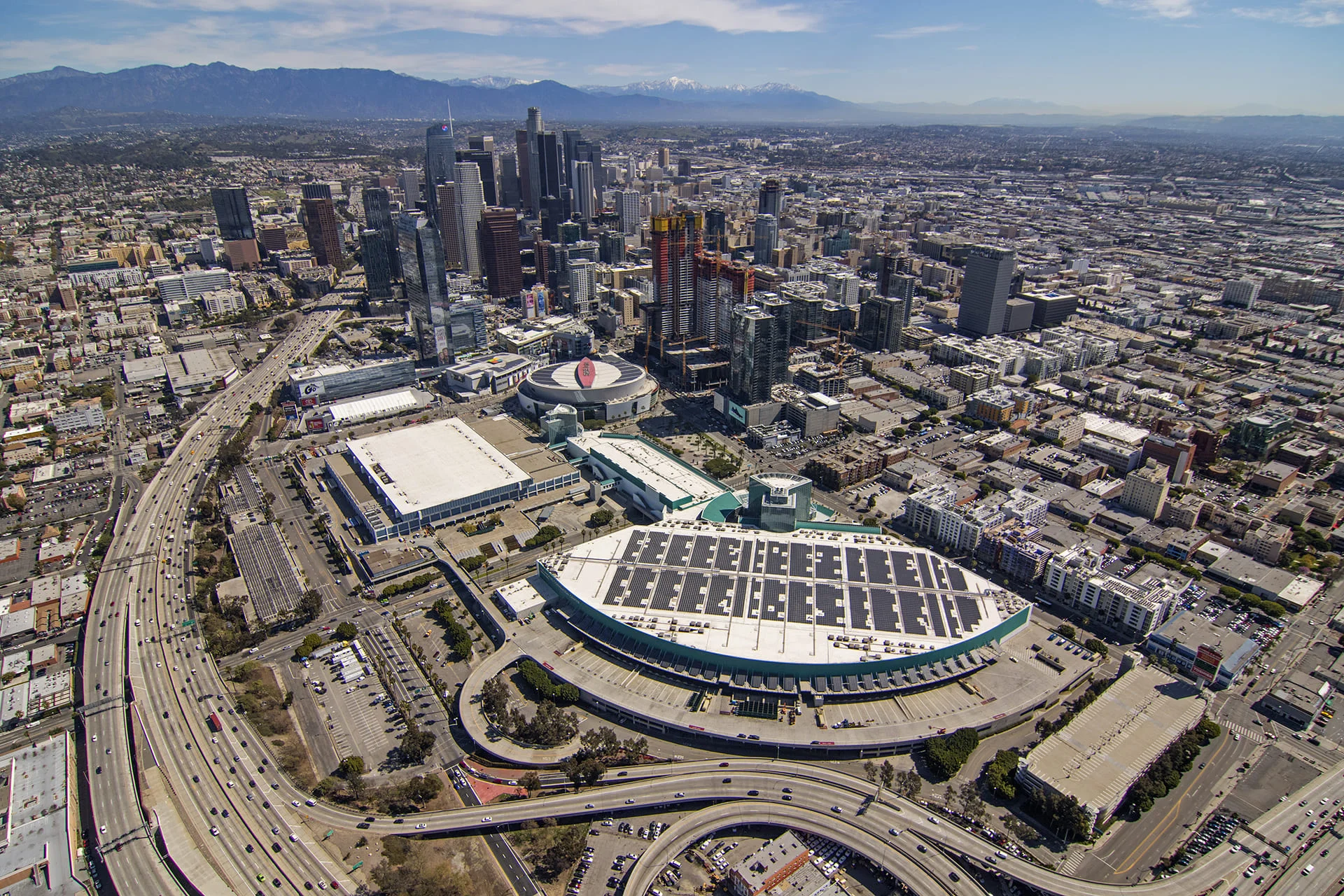
The expansion addresses one of the main limitations facing established urban convention centres: physical capacity. As international congresses and exhibitions increase in scale, destinations are under growing pressure to provide larger exhibition halls, flexible breakout spaces and integrated hospitality infrastructure within a single venue. The Los Angeles project is designed to connect existing areas of the convention centre and create a more unified event complex. This will allow organisers to use larger sections of the facility without moving delegates between disconnected halls.
The additional capacity also creates opportunities for conventions that previously could not be accommodated because of space requirements. For Los Angeles, the investment is therefore not only about improving an existing venue but expanding the range of events the city can realistically bid for. Large conventions can generate spending well beyond the venue itself. Delegates contribute to hotel demand, restaurants, transportation, entertainment and other visitor services across the destination. The projected economic contribution from the 18 newly secured events illustrates why convention centre investments are increasingly evaluated in terms of their wider impact on the urban economy.
Expansion Linked to Los Angeles’ 2028 Event Strategy
A significant portion of the convention centre project is scheduled to be completed by spring 2028, ahead of the Olympic and Paralympic Games in Los Angeles. Construction activity will pause during the Games before work resumes, with final completion currently targeted for spring 2029. The timeline connects the convention centre investment with a broader period of infrastructure development taking place across Los Angeles as the city prepares for major international events.
The Olympics will bring global attention and large visitor volumes to the city, but the convention centre project is designed around a longer-term business events strategy. The expanded venue is expected to remain part of the city’s international event infrastructure well beyond 2028. This distinction is important for destinations investing heavily ahead of mega events. The long-term value of new infrastructure depends on whether facilities can continue generating demand once the immediate event cycle ends.
Convention Business Begins Before Construction Ends
Convention bookings are typically secured several years in advance, particularly for large associations and international organisations. The 18 events already committed to the expanded Los Angeles Convention Center therefore represent more than an early occupancy figure. They provide the city with an initial pipeline of business for the new capacity and reduce the period between construction completion and commercial utilisation.
The next stage will be whether the larger venue allows Los Angeles to compete for conventions that previously selected other North American destinations because of capacity constraints. As the expansion progresses, the number, scale and international profile of future bookings will provide a clearer measure of whether the USD 2.6 billion investment is changing the city’s position in the global MICE market.