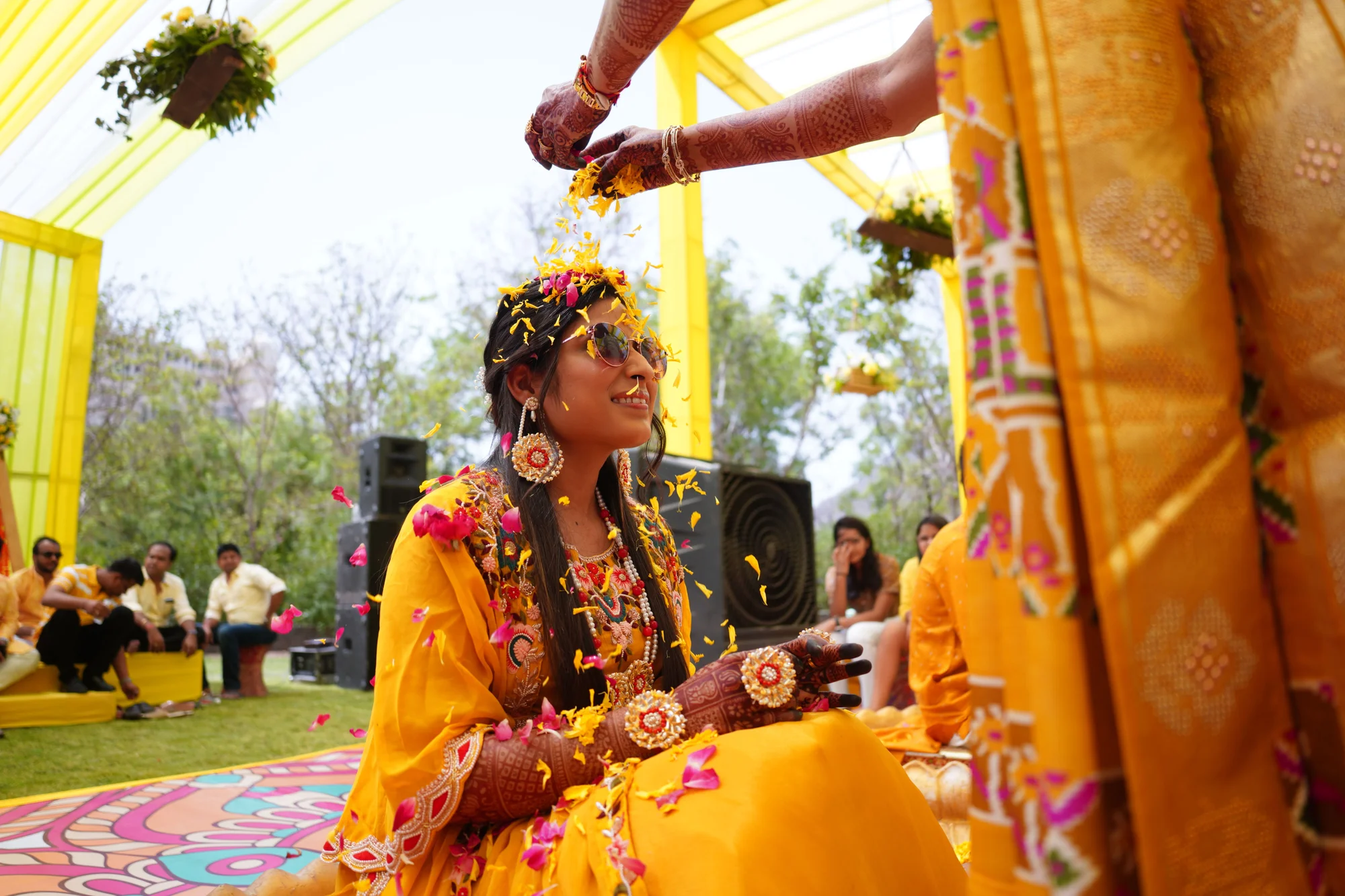
Vietnam’s Quang Ninh province is building a stronger presence in India’s destination wedding market as large celebrations bring hundreds of guests, international suppliers and high levels of spending to Ha Long Bay. The province has hosted around 10 large-scale weddings for wealthy Indian families, according to local tourism authorities. The growth is taking place alongside a wider increase in visitors from India, with around 70,000 Indian travellers arriving in Quang Ninh during the first nine months of 2026.
The scale of individual weddings shows why the segment is attractive. One major celebration at Vinpearl Resort & Spa Ha Long brought around 600 guests and approximately 500 service staff from India. Another four-day wedding held in February 2026 was estimated to cost around $3 million, including accommodation, transportation, decoration, catering and event production. These events are also moving beyond traditional hotel ballrooms. Indian wedding programmes in Quang Ninh have included celebrations on Ha Long Bay cruises, events inside caves and multi-day programmes across resorts and local attractions.
For Quang Ninh, this creates a wedding product that combines luxury accommodation with experiences that are difficult to reproduce in a standard venue. Ha Long Bay, cruise infrastructure and large resorts can all become part of the same multi-day celebration.
Large Weddings Create Demand Across Several Sectors
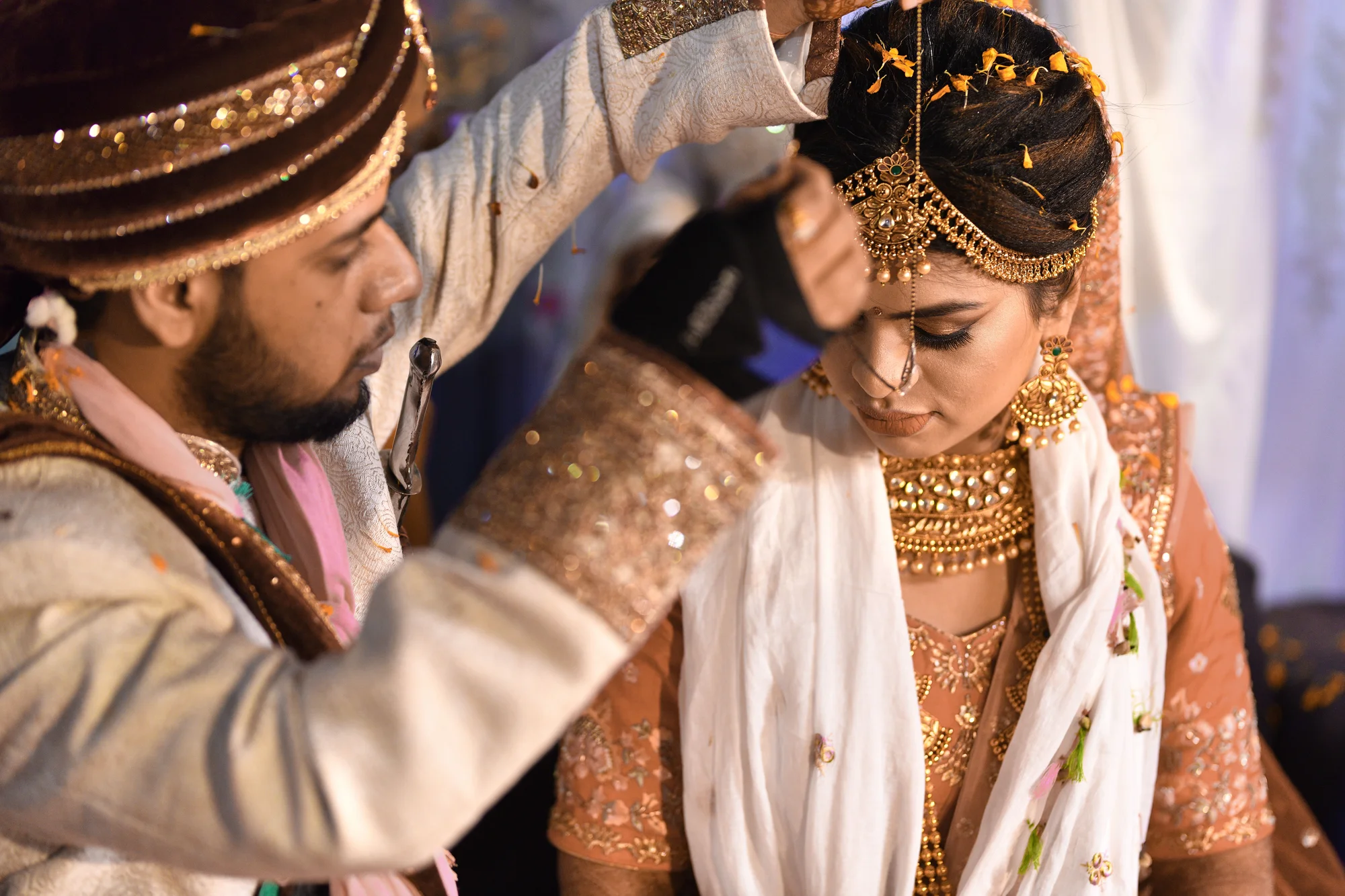
Indian destination weddings are especially valuable because spending extends far beyond the ceremony itself. Large groups require hotel rooms, local transportation, food and beverage, entertainment, production, decoration and logistics. Multi-day programmes can also include sightseeing, cruises, welcome events and other activities before and after the main wedding. This means a single wedding can create business for several parts of the destination at the same time.
The February wedding in Ha Long provides a clear example. Hundreds of guests travelled to the destination, while a large service team was also brought from India. Ingredients, performers and specialist personnel were included in the programme to meet the cultural and operational needs of the celebration. Another wedding used the 4,000-square-metre Ngoc Rong Cave for part of its programme. Around 400 guests attended the event, which included performances and 3D mapping. Celebrations later continued aboard a Ha Long Bay cruise and at a resort. This flexibility gives Quang Ninh an important advantage in the Indian wedding market.
Large Indian weddings often include several ceremonies and social events across multiple days. A destination that can offer different settings without requiring guests to move between distant cities can create a more complete programme.
India Is Becoming A Larger Tourism Market For Vietnam
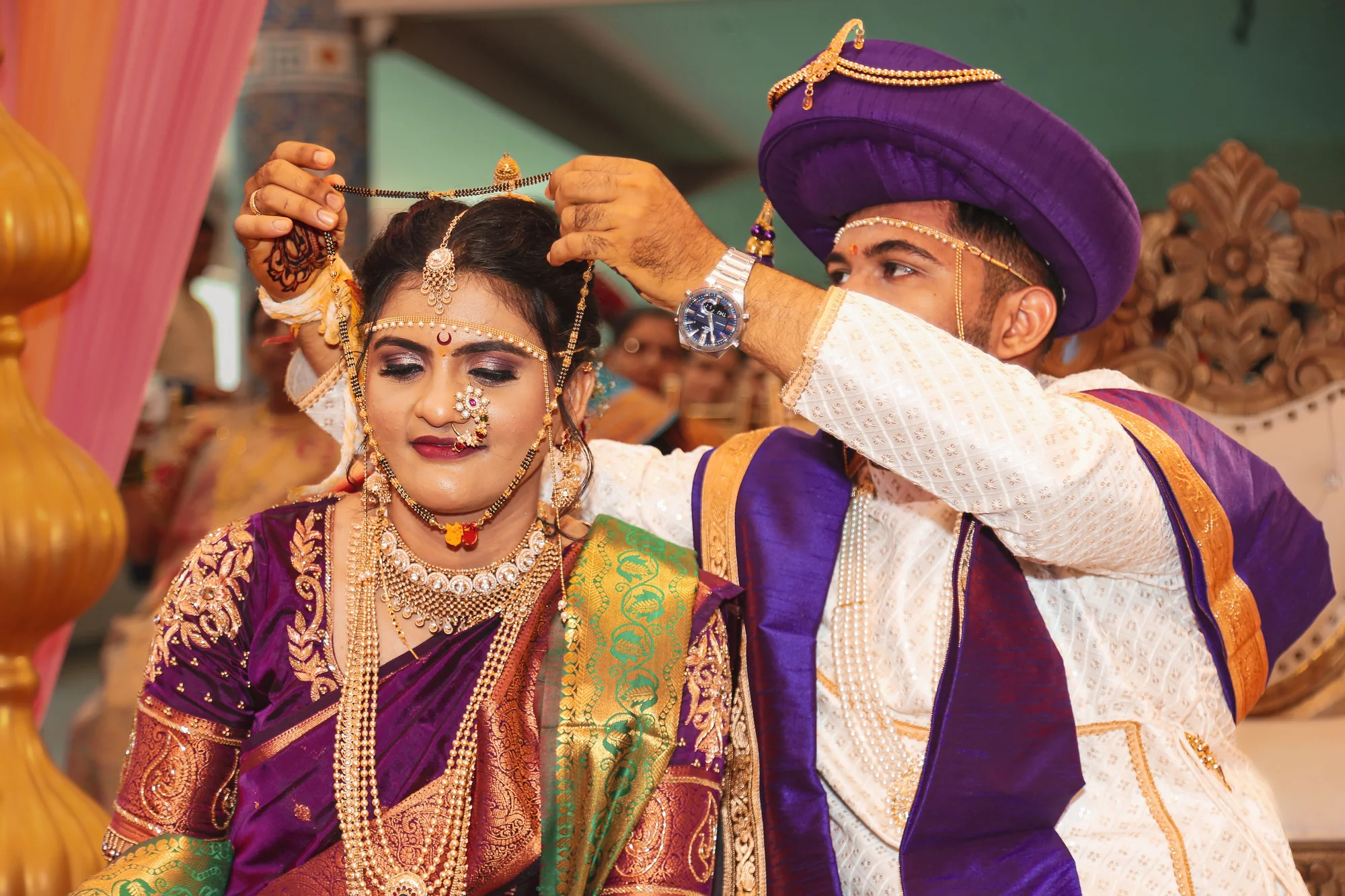
Quang Ninh’s wedding strategy is developing as Vietnam attracts more travellers from India overall. Vietnam welcomed nearly 750,000 Indian visitors in 2025, an increase of 49% from the previous year, according to national tourism authorities. Growth continued into 2026, supported by stronger air connectivity and rising demand for premium travel. Within this wider market, high-spending Indian travellers are becoming an important target.
Luxury resorts, private experiences, destination weddings and large group travel create very different requirements from standard leisure tourism. Food is one of the clearest examples. Indian wedding groups can require vegetarian menus, specialist ingredients, Indian chefs and facilities adapted to religious and cultural needs. Quang Ninh has already started developing services around this demand.
The province opened its first large-scale dedicated Indian restaurant in late 2025, with capacity for around 500 to 600 guests. The operation includes Indian chefs and prayer rooms, reflecting the type of specialist infrastructure needed to serve larger groups. For destination wedding markets, these details can matter as much as scenery. A destination may have attractive hotels and landscapes, but planners also need confidence that local suppliers can handle the food, logistics and cultural requirements of several hundred guests.
Ha Long Is Competing Beyond Traditional Wedding Destinations
Vietnam already has several destinations competing for Indian weddings, including Phu Quoc and Da Nang. Quang Ninh is building a different proposition around Ha Long Bay and its surrounding tourism infrastructure. The province has more than 20,000 accommodation rooms across over 1,300 properties, alongside cruise products, resorts and a growing range of event spaces. Transport links connecting the region with airports and other parts of northern Vietnam also support large group movements.
Quang Ninh has been using this infrastructure for MICE groups as well as weddings. Local authorities expect corporate and incentive groups of between 500 and 1,000 participants, showing that the same tourism supply chain can serve different high-value group segments.
This overlap can be important. Hotels, transport providers and event suppliers that develop experience handling large MICE groups can also support destination weddings. Wedding business, in turn, creates demand for specialist production, catering and guest-management services that can strengthen the wider event ecosystem. The result is a destination strategy in which weddings are not treated as an isolated tourism niche. They become part of a broader market for high-spending groups.