

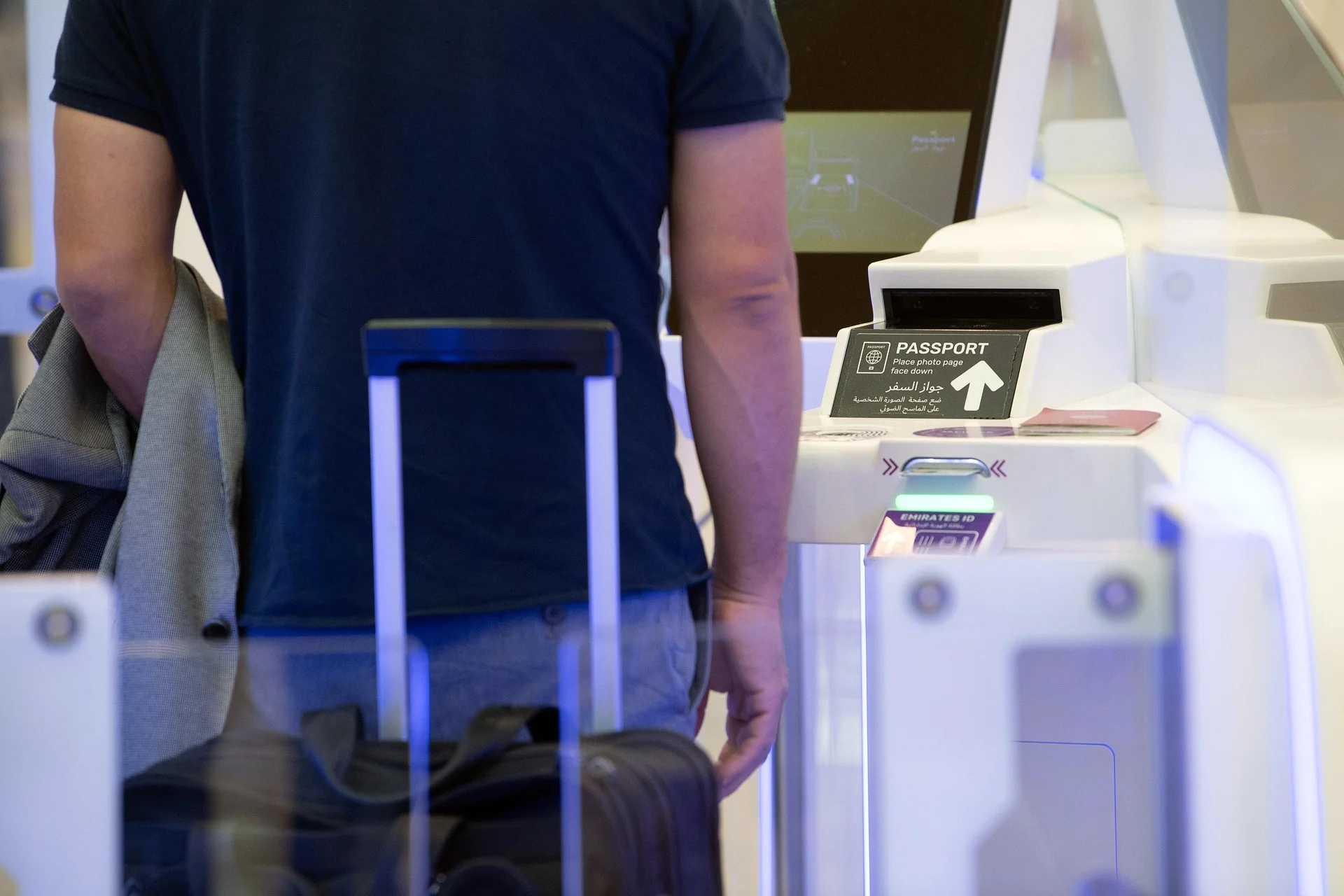
Visa and immigration requirements are becoming a more visible factor in destination choice as travellers increasingly expect the international journey to begin digitally, before they reach an airport. New research from the International Air Transport Association (IATA) shows that 43% of passengers have been discouraged from visiting a destination because of immigration requirements, up sharply from 33% in 2025. The finding comes from IATA’s 2026 Global Passenger Survey, based on more than 10,000 responses from over 200 countries. While much of the aviation industry is investing in biometrics, digital identity and artificial intelligence to simplify the passenger journey, the survey suggests that government entry processes can still create friction before a booking is made.
Among travellers discouraged by immigration requirements, 53% identified complexity as the main problem. Cost and privacy were considerably less prominent, each cited by 17%. This suggests that the barrier is not simply whether a destination requires a visa, but how difficult travellers perceive the process to be. The implications extend beyond leisure tourism. International congresses, exhibitions, corporate meetings and destination weddings depend on the ability of guests to travel from multiple countries, often within the same event. A destination may offer competitive hotels, venues and air connectivity, but complicated entry procedures can create an additional barrier for delegates, exhibitors and guests before those advantages enter the decision-making process.
As destinations compete for increasingly mobile international audiences, accessibility is therefore becoming more than a question of flight capacity. The administrative journey required to cross the border is becoming part of the destination product itself.

Entry Requirements Are Affecting Travel Intent
The increase from 33% to 43% in a single year is one of the most striking findings in IATA’s latest passenger survey. It indicates that immigration procedures are moving from an operational inconvenience to a factor capable of influencing whether travellers consider a destination at all. That distinction matters for destination marketing. Tourism boards and convention bureaux can invest heavily in international campaigns, airline partnerships and event acquisition, but some of that demand can be lost if prospective visitors encounter uncertainty around entry requirements later in the journey.
Complexity appears to be the central issue. Travellers increasingly expect information to be available online, applications to be completed digitally and approval processes to be understandable before departure. When requirements involve multiple platforms, unclear documentation or uncertainty about eligibility, the perceived effort associated with the trip increases.
For international events, that difficulty can multiply across an audience. Organisers are rarely dealing with one nationality or one point of origin. A congress attracting delegates from dozens of markets may face different entry conditions across the same attendee base, creating additional administrative work for both participants and organisers. Visa policy therefore has implications for more than visitor convenience. It can influence attendance potential, delegate diversity and ultimately the competitiveness of a destination seeking international events.

Travellers Want Immigration To Move Online
The survey also shows strong demand for immigration procedures to move earlier and further into the digital journey. Eighty-six percent of respondents said they would be likely to share immigration information digitally before departure if doing so could accelerate the travel process, up from 83% in 2025. Meanwhile, 45% would prefer to complete immigration procedures before arriving at the airport, compared with 41% a year earlier.
Visa applications show the same preference. Sixty percent of passengers would rather apply for a visa online, compared with 25% who prefer visiting an embassy or consulate in person. This creates a clear direction for governments seeking to improve international accessibility. The competitiveness question is increasingly not simply whether visas are required, but how quickly and predictably travellers can obtain them.
More than 100 countries now issue electronic visas, according to IATA, but the organisation argues that there is still limited consistency in how airlines and governments verify them. Standardisation therefore becomes part of the wider challenge: digitalising an inefficient process does not automatically make the passenger journey seamless if systems cannot communicate effectively with each other. For destinations, the opportunity is to make border procedures less visible within the overall journey. A traveller who can verify eligibility, submit information and receive approval digitally before departure encounters a very different destination experience from someone dealing with unclear requirements close to travel.

The Airport Is Becoming More Digital While The Border Risks Falling Behind
Passenger acceptance of biometric technology has continued to increase. Fifty-eight percent of respondents used biometrics somewhere in their airport journey during the previous 12 months, up from 50% in 2025 and 24 percentage points higher than in 2022. Satisfaction among biometric users reached 87%, while 78% of passengers said they would be willing to share biometric information if it allowed them to avoid repeatedly presenting passports or boarding passes at airport checkpoints.
Interest in digital passports is even higher. Eighty-four percent would like to use a digital passport for online check-in, and 82% are interested in sharing one with an airline during booking if it enables services such as personalised visa information. The contrast is increasingly clear. Airports and airlines are moving toward journeys in which identity verification becomes faster and less visible, while immigration requirements can still introduce complexity before the passenger reaches the airport.