

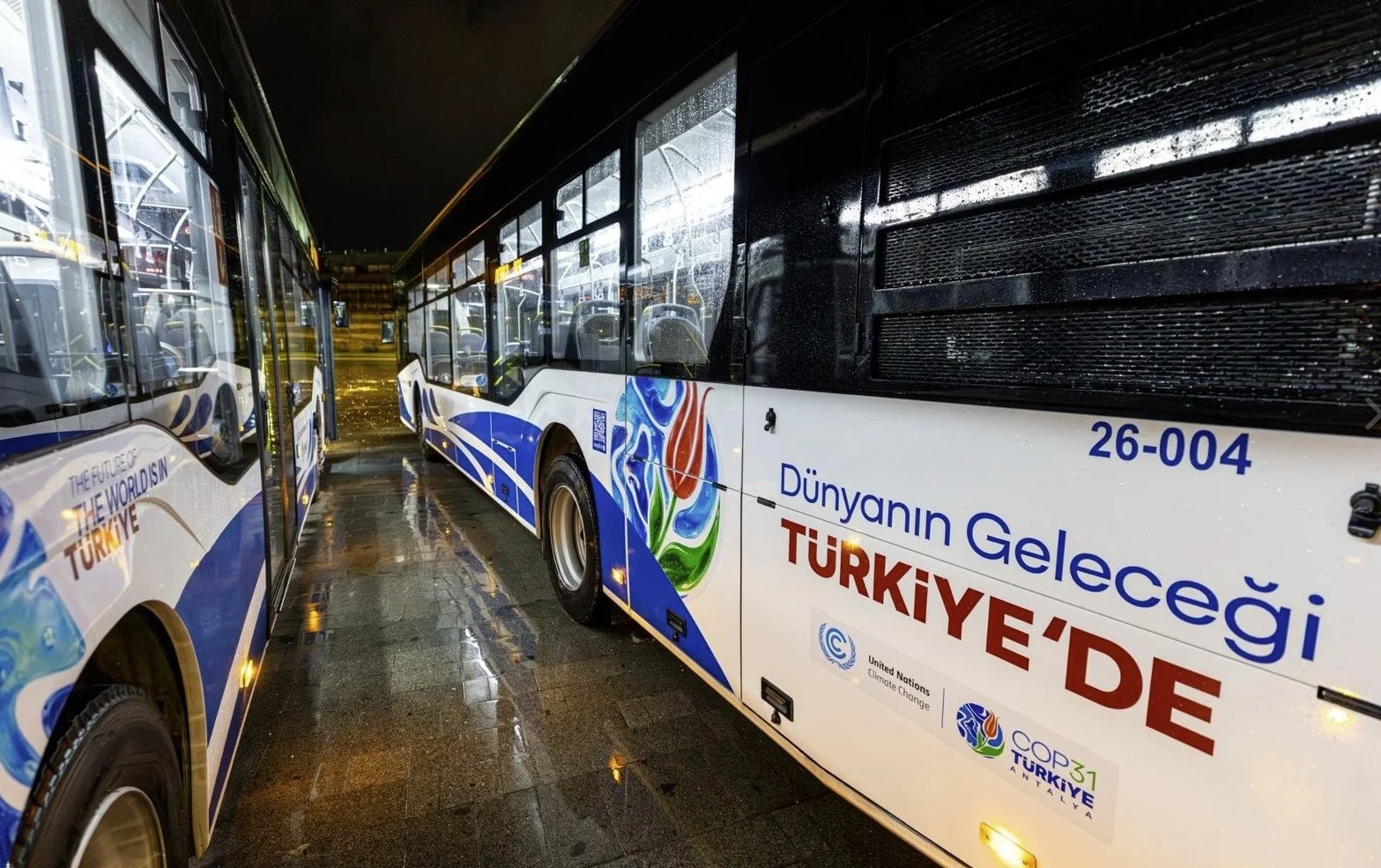
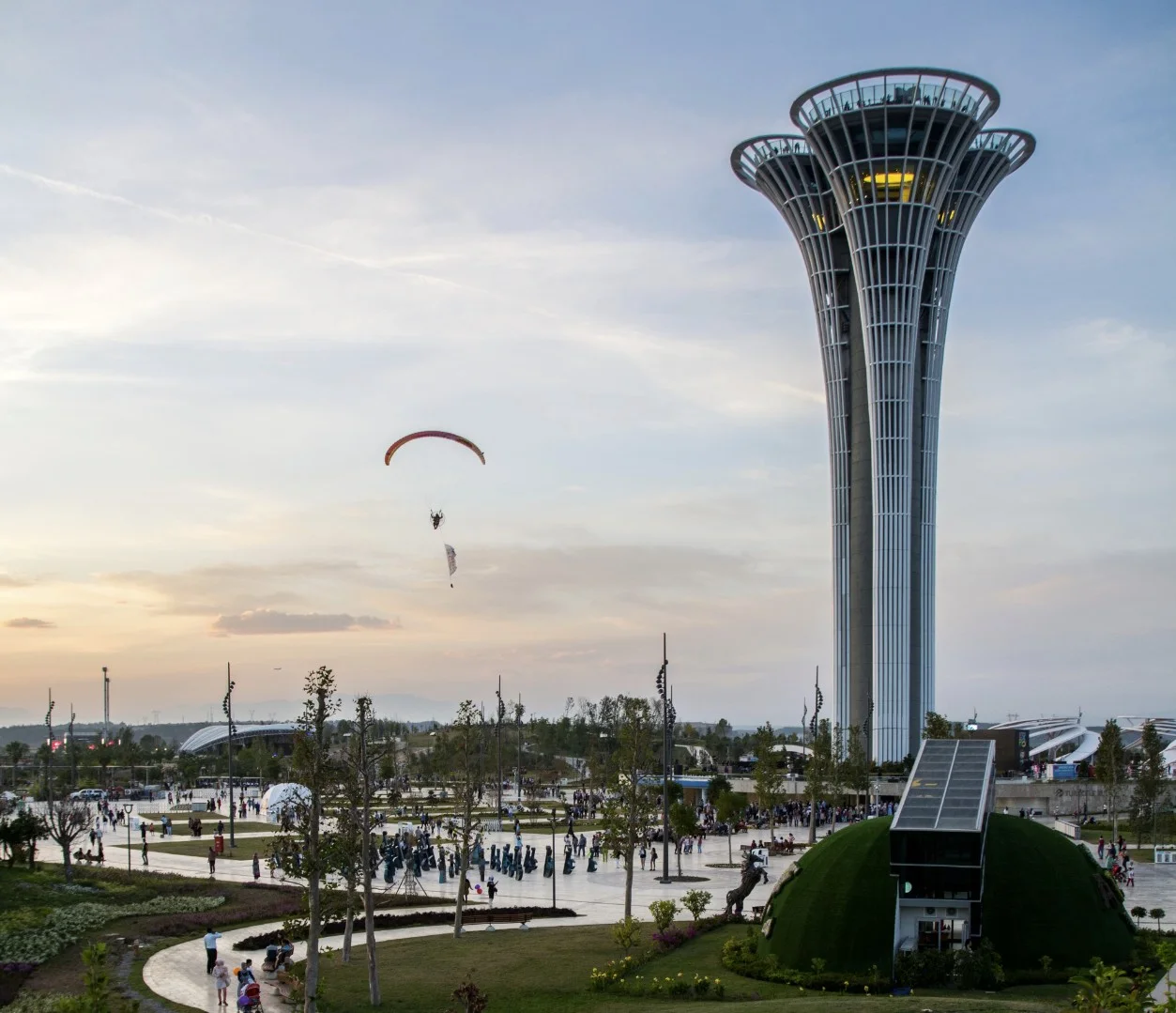
Antalya is preparing to turn the infrastructure created around COP31 into a longer-term MICE asset as Türkiye looks to strengthen the city’s position in the international congress and exhibition market. Following the UN climate conference, which will take place at Antalya EXPO from November 9 to 20, the government plans to begin developing the site into one of the country’s major exhibition, congress and event centres. The project forms part of a wider strategy to expand Türkiye’s ability to compete for international events and spread tourism activity throughout the year. Minister of Culture and Tourism Mehmet Nuri Ersoy said a new professional structure is being established within the Türkiye Tourism Promotion and Development Agency (TGA) to support the acquisition and organisation of international congresses and major events. Recruitment for the new structure has already begun, with the government targeting a stronger international bidding role from 2027.
For Antalya, the strategy addresses a specific challenge. The destination already has one of Türkiye’s largest accommodation inventories and extensive international air access, but much of its tourism demand remains concentrated around the traditional leisure season. The planned redevelopment of the EXPO site is intended to use congress, exhibition and event demand to generate greater activity during winter and spring, periods when Antalya has historically operated below its peak summer volumes.
COP31 therefore provides more than a major international event for the city. Hosting delegations from around the world gives Antalya an opportunity to demonstrate its ability to manage the logistics, accommodation, transport and technical requirements associated with a large-scale global conference. The government’s post-event plans indicate that this capacity is intended to remain commercially relevant after the conference itself has ended.
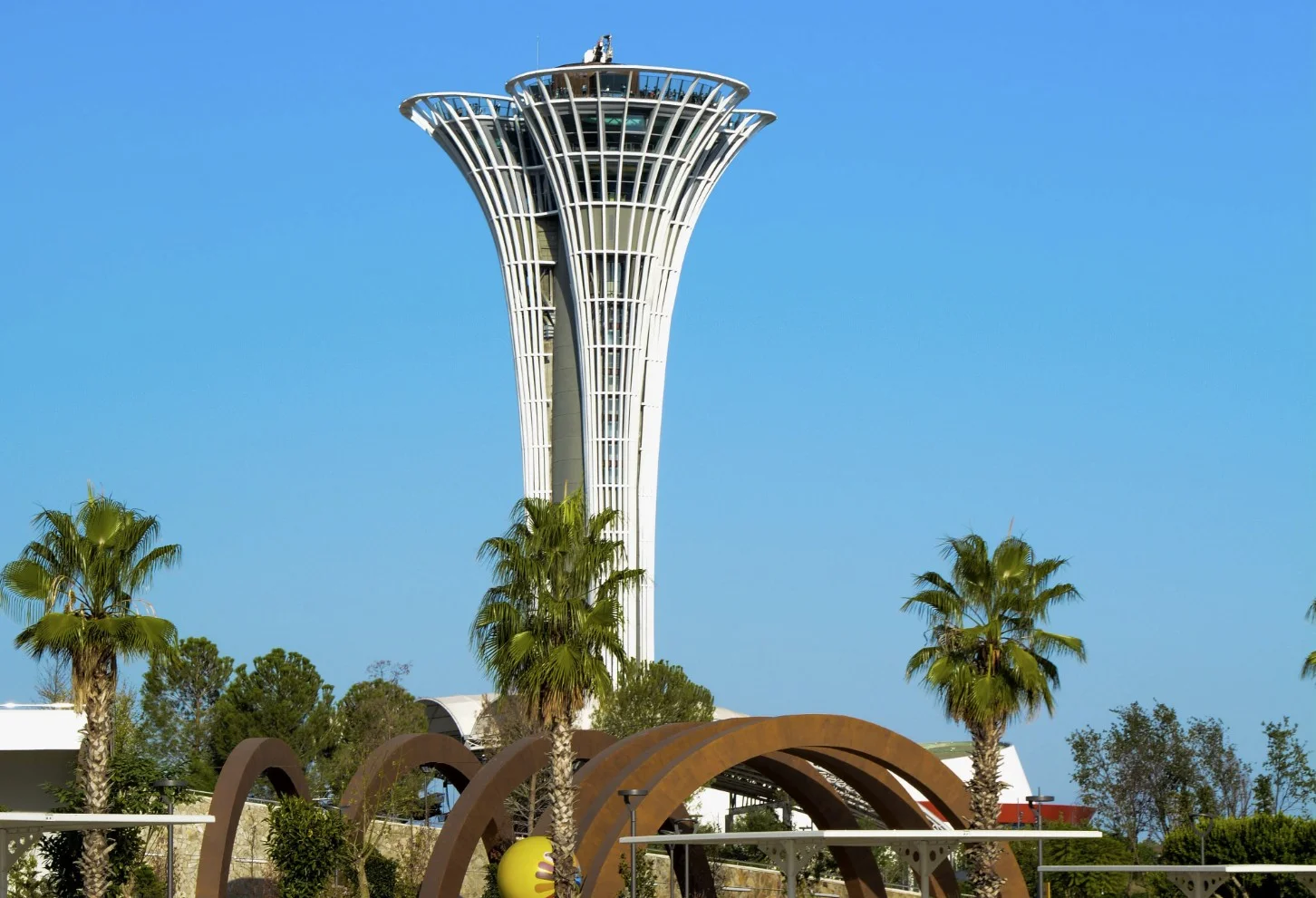
From Mega-Event Venue To Permanent MICE Infrastructure
The transition planned for Antalya EXPO reflects a broader question facing destinations that invest heavily in hosting major international events: what happens to the infrastructure once the event is over?
In Antalya’s case, the answer is increasingly tied to the business events market. Ersoy said the government intends to create a world-scale venue at the EXPO site capable of addressing the city’s need for stronger congress and exhibition infrastructure. Rather than treating COP31 as the endpoint of investment, the conference is effectively becoming the first stage of a longer-term use strategy. That distinction matters for a destination with Antalya’s tourism profile. Resort capacity alone does not automatically create a competitive international congress destination. Large events also require suitable plenary and exhibition space, technical infrastructure, logistics, transportation systems and an organisation capable of bidding for events years before they take place.
The new model being developed through TGA is designed to address both sides of that equation. Antalya would gain physical infrastructure, while Türkiye would simultaneously establish a professional structure responsible for competing for international congresses and events. This could give the city a more integrated proposition when approaching associations, exhibition organisers and large corporate events. Instead of selling accommodation capacity separately from congress infrastructure, Antalya could increasingly compete as a complete event destination.
MICE Is Being Positioned As a Tool Against Seasonality
The most important economic objective behind the project may be its timing rather than its size. Antalya’s tourism economy performs at its strongest during the warmer months, when resort demand reaches its peak. International congresses, exhibitions and corporate events operate on a different calendar and can generate substantial hotel demand during periods that are less dependent on beach tourism.
The government has explicitly connected the EXPO redevelopment with increasing activity during winter and spring. This makes MICE part of a broader destination management strategy rather than simply another tourism segment. Large international events can create demand across a wider ecosystem. Delegates require accommodation, transportation, catering and meeting services, while organisers spend on production, technology, temporary infrastructure, logistics and local suppliers. The effect can therefore reach well beyond the convention venue itself.
Antalya also enters this strategy with an unusually large hospitality base already in place. That creates an opportunity, but also raises the importance of building a consistent event pipeline. A large venue without enough recurring international business risks becoming underused infrastructure. The parallel creation of a TGA bidding structure is therefore potentially as important as the physical redevelopment itself.
Türkiye Is Building More Active Event Bidding Model
The Antalya project is part of a wider shift in Türkiye’s approach to international events. Ersoy has said that from 2027, Türkiye wants to become more active in bidding for and organising international events, applying the institutional model developed for tourism promotion through TGA to the MICE sector. The strategy also includes İstanbul, where the legal process for transferring the Lütfi Kırdar International Convention and Exhibition Centre to the Ministry of Culture and Tourism has been completed.
Taken together, the moves suggest a more centralised approach to international event acquisition. Convention bureaux, venues and tourism organisations have traditionally competed for congresses through individual destination structures. The new model would add a national mechanism designed to identify opportunities, prepare bids and support the organisation of events once secured.
For Antalya, that could be particularly important because major association congresses are often awarded several years in advance. Building a new venue is only one stage of entering that market. Establishing the relationships and bidding capabilities needed to fill its calendar requires a longer horizon. COP31 offers an immediate international showcase. The more important test will come after November, when Antalya begins converting that visibility into future congresses, exhibitions and corporate events. If the EXPO redevelopment and the new bidding structure develop together, COP31 could mark a shift in Antalya’s tourism model: from a destination primarily built around seasonal leisure demand to one using international events to create a more balanced calendar throughout the year.