


The global healthcare and life sciences market is expanding, but the events built around it may be moving in the opposite direction. Drug, medical device and life sciences markets are projected to reach a combined $2.6 trillion by 2030, creating a large potential audience for congresses, scientific meetings and industry events. Yet new research from PCMA indicates that growth is unlikely to translate automatically into larger conventions.
Instead, healthcare meetings are moving toward fewer, smaller and more specialised formats designed around clearly defined audiences and measurable outcomes. The change reflects pressure from several directions. Pharmaceutical marketing budgets are tightening, clinicians have more competition for their attention and sponsors are demanding clearer evidence that event spending produces meaningful engagement. Average marketing budgets at pharmaceutical companies have fallen by 21 percent, while seven out of ten pharmaceutical leaders identify “doing more with less” as a major priority.
Healthcare professionals are also becoming more selective about industry engagement. Direct engagement between healthcare providers and pharmaceutical companies has fallen to 53 percent, while 62 percent of clinicians now engage with three or fewer companies. For event organisers, that changes the value equation. A congress attracting thousands of delegates may still have enormous importance, but attendance alone is becoming a weaker measure of success. Smaller meetings that bring the right specialists into deeper scientific or clinical conversations can potentially create greater value for associations, sponsors and participants. The emerging model is therefore not simply about reducing meeting size. It is about increasing concentration.
Large Congresses Are Becoming Portfolios of Specialist Meetings
Major medical associations are already adapting their event structures. Rather than relying entirely on one flagship annual congress, organisations are increasingly developing portfolios of smaller meetings focused on individual diseases, therapies and technologies. The European Society for Medical Oncology offers one example.
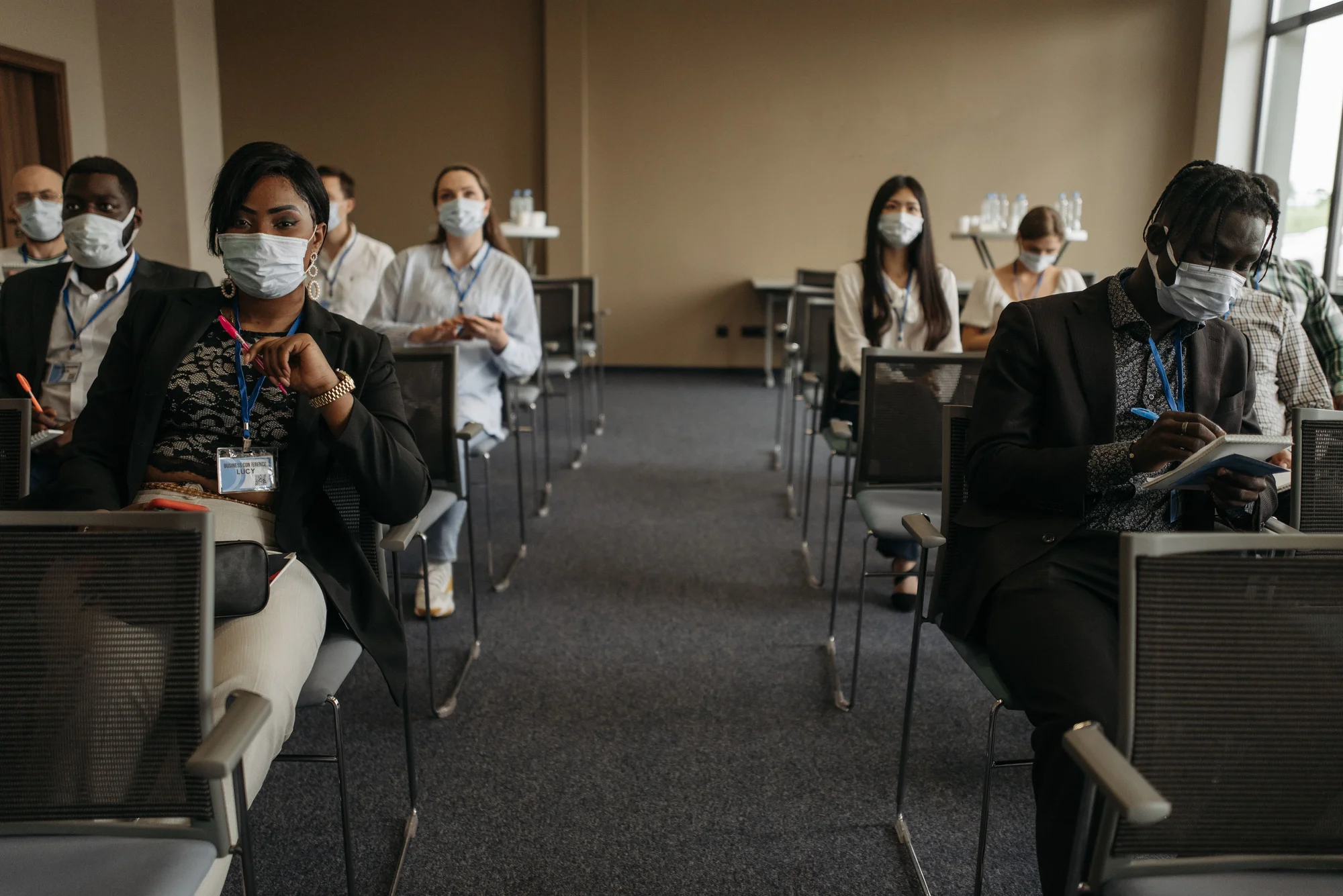
Alongside its major multi-tumour congress, ESMO has developed specialist events focused on specific tumour types, treatments and scientific disciplines. Some of those meetings bring together audiences of only around 400 people. The smaller scale allows organisers to narrow the scientific agenda and bring together participants with closely aligned expertise. That can create more detailed discussion around clinical practice, specific patient populations and emerging treatments than would be possible within a much broader programme. The change does not necessarily threaten major congresses. Flagship events remain important for large-scale scientific exchange, networking and industry visibility.
But they are increasingly becoming one part of a wider event portfolio rather than the entire strategy. For organisers, that means the calendar itself is becoming more fragmented. Instead of asking participants to attend one major annual meeting, associations may maintain engagement through several specialist gatherings throughout the year, supplemented by digital education and on-demand content.
Smaller Meetings Offer More Measurable ROI
Corporate healthcare events are moving in a similar direction. PCMA’s research points toward greater use of invitation-only workshops, advisory boards, roundtables and product-linked education where organisers can define exactly who should attend. These formats offer something large conferences often struggle to provide: clearer measurement. A company can track who participated, what content they engaged with and whether the meeting resulted in a specific educational, scientific or commercial outcome. That becomes increasingly important as event budgets face greater scrutiny.
The traditional equation of success based on registrations, exhibition traffic or room size may therefore become less relevant for some healthcare meetings. Instead, organisers are beginning to look at indicators such as learning outcomes, continuing medical education completion, changes in clinical understanding and longer-term engagement. This could fundamentally alter how healthcare events are designed. A 300-person meeting involving highly relevant specialists may ultimately be considered more successful than a 3,000-person event with limited interaction.

For venues, hotels and destinations, that means smaller events should not automatically be interpreted as lower-value business. Specialised healthcare groups may require premium meeting environments, high-quality accommodation, advanced technical facilities and longer educational programmes even when delegate numbers are relatively modest.
Destinations May Compete on Expertise Instead of Capacity
Perhaps the most important shift is what this trend means for destination selection. Cities have traditionally marketed themselves to congress organisers through convention centre size, hotel room inventory, international air access and general destination appeal. Those factors will remain important. But healthcare events increasingly give destinations another way to compete: local expertise. PCMA recommends that destinations position themselves around their life sciences clusters, research institutes, universities, hospital networks and specialist medical communities rather than relying only on claims about infrastructure. This changes the competitive landscape.
A smaller city with a strong oncology research cluster, for example, may have a meaningful advantage when bidding for an oncology meeting even if another destination has a larger convention centre. The same principle applies to biotechnology, medical devices, neuroscience, cardiology and other specialist fields. Organisers can connect delegates with local researchers, hospitals, laboratories, startups or clinical programmes, turning the destination itself into part of the event content. In that model, the city is no longer simply where the meeting takes place. It becomes one of the reasons the meeting takes place there.
Hospitals and Universities Become Part of the Destination Offer
This shift could require closer cooperation between convention bureaus and institutions that traditionally sit outside destination marketing. Hospitals, universities, medical associations and research organisations can become strategic partners in attracting healthcare meetings. Their experts may participate in programmes, host technical visits, open research facilities to delegates or help organisers connect with local professional communities.
Seattle’s CancerCon 2026 illustrates how such local ecosystems can influence destination choice. The event brought together more than 300 cancer survivors, caregivers, healthcare professionals and nonprofit organisations. Seattle’s healthcare leadership and active cancer survivor community were among the local factors supporting the destination. The example reflects a broader movement toward multi-stakeholder healthcare events. Congresses that once focused almost exclusively on doctors and researchers increasingly include patients, policymakers, regulators, investors, insurers and industry leaders. That creates more complex programmes, but it can also deepen the connection between an event and its host city. Destinations able to bring those communities together may therefore offer organisers something that cannot be replicated simply by building a larger ballroom.
Smaller Could Mean a Broader MICE Map
The move toward specialised healthcare meetings may ultimately create opportunities for more destinations. Mega congresses require cities with enormous convention centres, extensive hotel inventory and major international transport capacity. Only a limited number of destinations can compete at that level. A 400-person specialist meeting has a very different geographic range.
It can potentially move closer to the research institute, hospital, university or industry cluster most relevant to its subject. That could distribute healthcare event demand beyond established congress capitals and toward cities with strong sector expertise but smaller event infrastructure. The growth of healthcare and life sciences therefore may not produce a future filled only with larger congresses. It could produce a much denser network of smaller, more specialised meetings held in more destinations throughout the year. For the MICE industry, the important change is not that healthcare events are becoming smaller. It is that size may no longer be the strongest indicator of their value.