


The geography of global aviation is beginning to change. For decades, international air travel expanded largely around major metropolitan hubs, funnelling passengers through a relatively small group of airports before connecting them to their final destinations. Airbus now expects that model to become increasingly decentralised as population growth shifts toward smaller urban centres and airlines gain the ability to operate thinner routes directly.
According to Airbus’ 2026-2045 Global Market Forecast, global passenger traffic is expected to grow by an average of 3.9 percent annually and more than double over the next 20 years, reaching approximately 10 billion passengers per year by 2045. The global passenger fleet is forecast to expand from 23,310 aircraft at the end of 2025 to 45,550 by 2045. The manufacturer estimates that airlines will require 42,060 new aircraft during the period, including 33,920 typically single-aisle aircraft and 8,140 widebodies. Almost half of those deliveries, 19,820 aircraft, will replace older fleets rather than add new capacity. But the more significant change may be where those aircraft fly.
Airbus expects smaller urban centres to grow considerably faster than the world’s largest cities over the coming two decades. That demographic shift, combined with greater aircraft efficiency and longer range, could allow airlines to open more direct routes between small and medium-sized city pairs instead of routing passengers through traditional mega hubs. The process is already visible. Aircraft with greater range and lower operating costs are making routes such as Riga-Tenerife and Dublin-Nashville viable, while longer-range aircraft are enabling links such as Algiers-Kuala Lumpur and Taipei-Phoenix. For travellers, the result could be a global network with more direct choices. For destinations, however, the implications are considerably broader.

Secondary Cities Gain New Access to International Demand
Aviation connectivity has long been one of the largest competitive advantages held by major global cities. International conferences, corporate events and long-haul tourism flows tend to favour destinations that can be reached directly or with a simple connection. Smaller cities may offer competitive venues, hotels or visitor experiences but still lose business because travelling there requires an additional domestic flight or lengthy transfer. More point-to-point routes could gradually change that equation.
If airlines can profitably connect secondary cities over longer distances, destinations that previously depended heavily on nearby hubs gain a more direct path to international visitors. Airbus expects some of the strongest traffic growth to come from developing economies including India, Vietnam, Indonesia and Malaysia. Domestic India alone is forecast to become the fastest-growing major traffic flow, expanding at around 9.3 percent annually.
Asia-Pacific is expected to remain one of the central engines of aviation growth, while Central Asia and the Middle East are also positioned to benefit from changing global traffic patterns. For destinations in these markets, increased aviation access could influence not only leisure tourism but also investment, corporate travel and the ability to compete for international events.
The Aircraft is Changing the Route Map
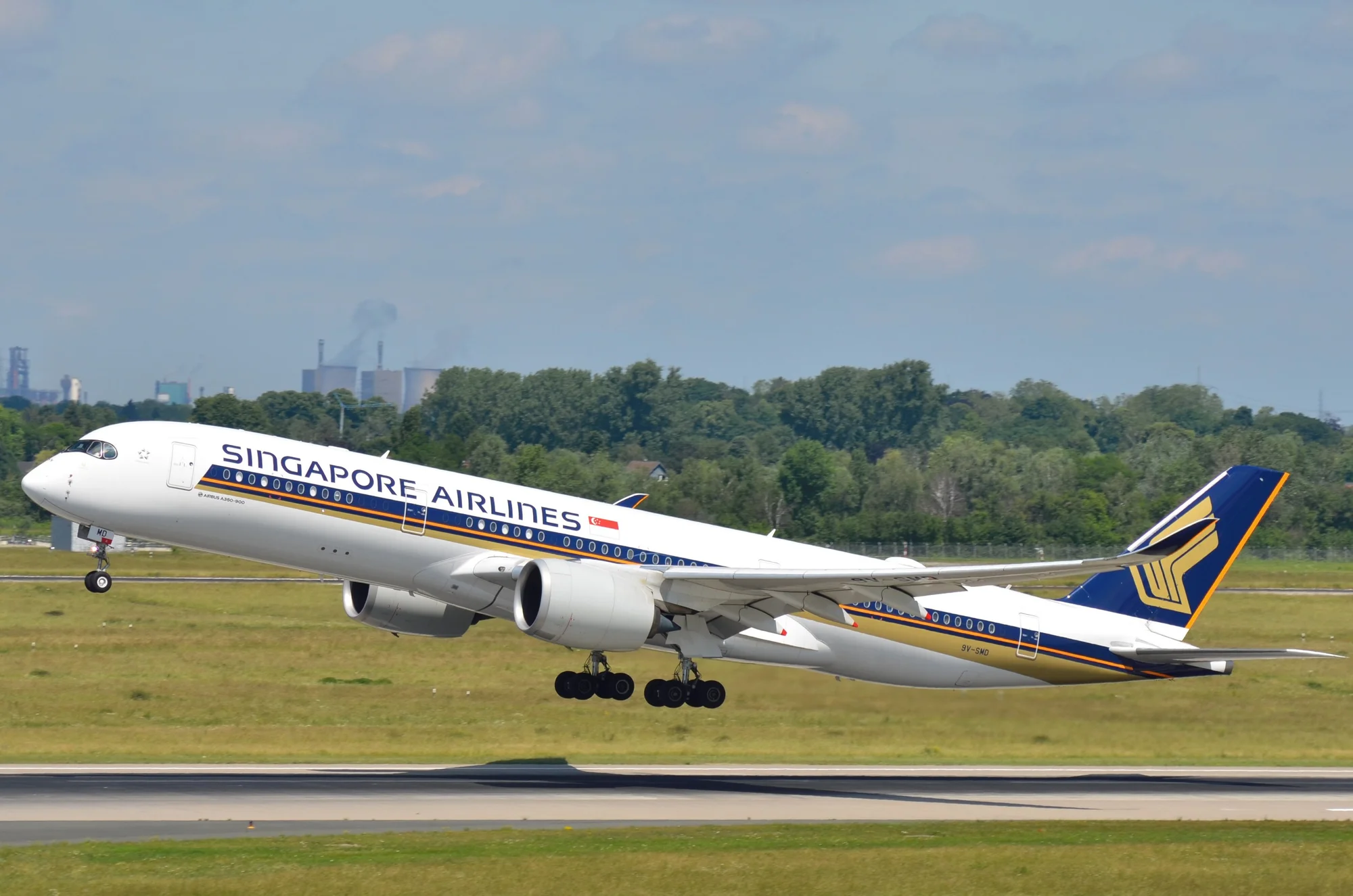
The decentralisation of aviation networks is closely linked to aircraft economics. Historically, long international routes required enough passenger demand to support large widebody aircraft. That favoured connections between major cities capable of filling hundreds of seats consistently. Newer aircraft are changing the calculation. Long-range single-aisle aircraft can serve routes that do not generate enough demand for a traditional widebody, while newer widebodies offer improved economics on long sectors with lower-density demand.
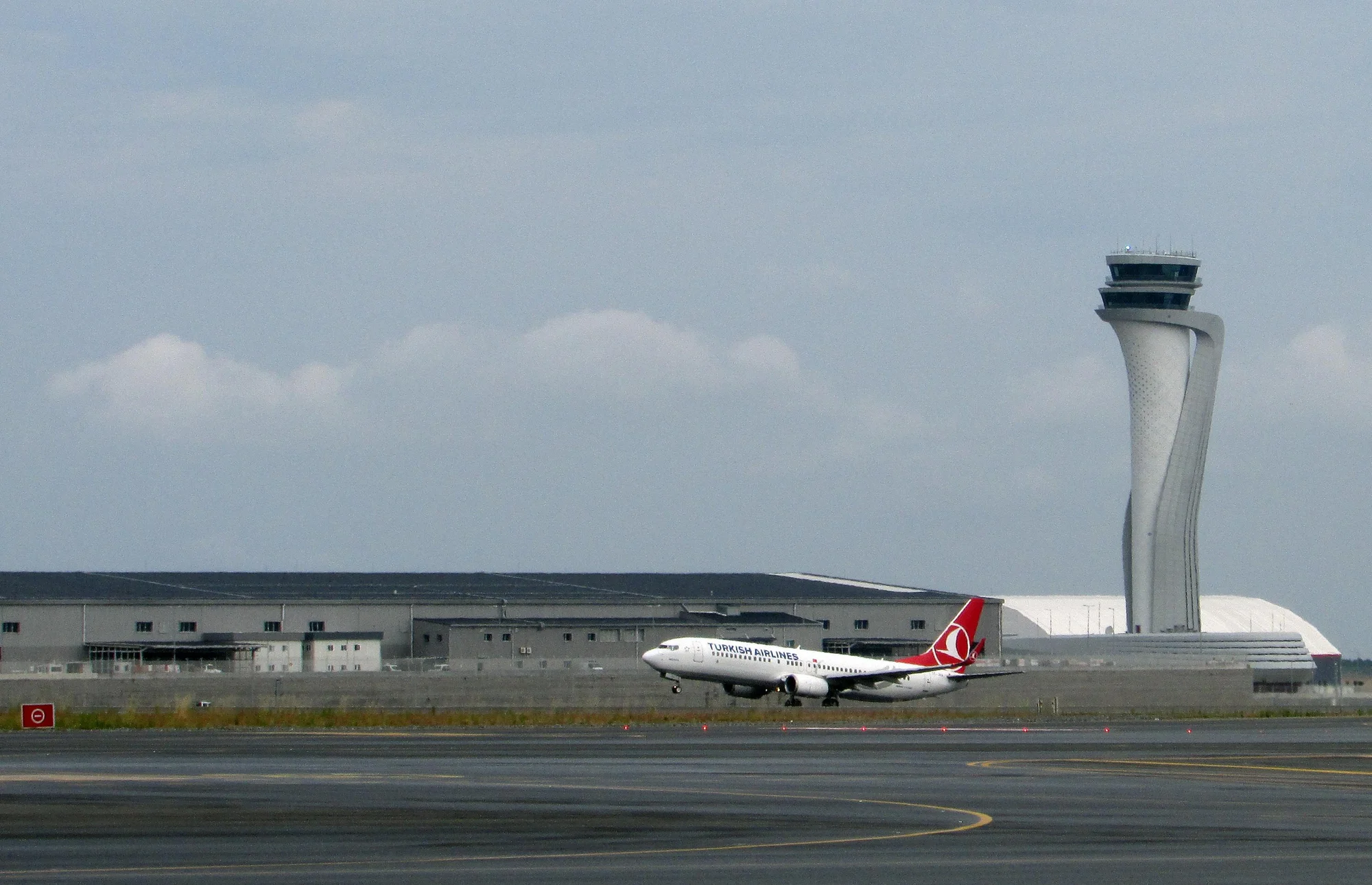
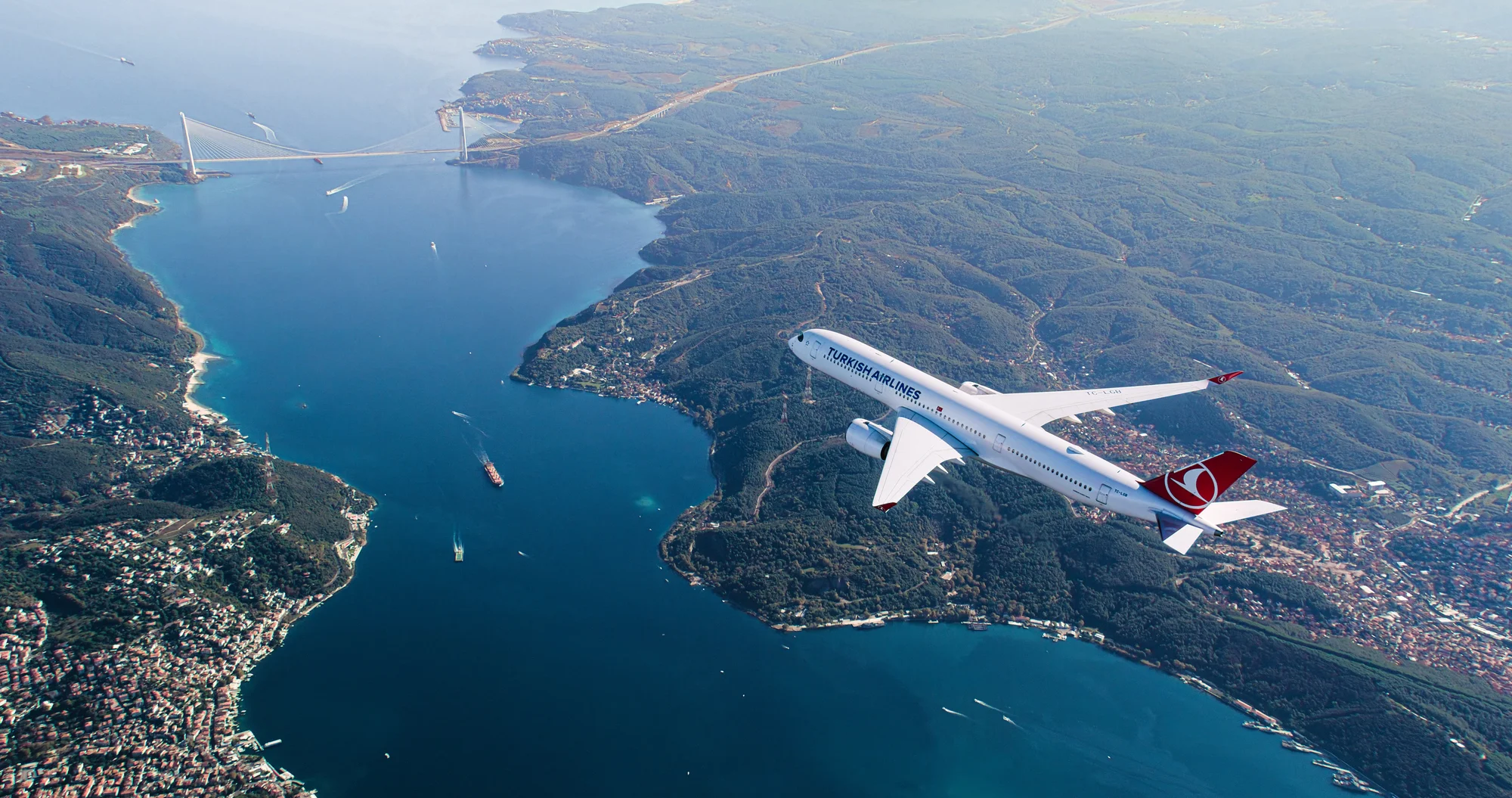
This gives airlines more flexibility to bypass established hubs and connect markets that previously would have required a transfer. The result does not mean mega hubs will disappear. Airports such as Istanbul, Dubai, Singapore, London and Doha will remain critical components of global aviation because their scale and network concentration create enormous connecting opportunities. But their role may increasingly coexist with a parallel network of direct city pairs.

For passengers, that can reduce travel time and connection risk. For airlines, it creates new markets. For destinations, it may alter which cities can realistically attract international demand.

Connectivity Could Reshape MICE Competition
The shift has particular relevance for the meetings and events industry. Air access is one of the first filters applied when international organisers evaluate a destination. Venue capacity and hotel inventory matter little if thousands of participants face complicated journeys to reach the city. Greater direct connectivity could therefore widen the pool of destinations capable of competing for international congresses, exhibitions and incentive travel. A secondary city with strong local industry, universities, research institutions or specialist expertise may become considerably more attractive to an association once delegates can reach it without passing through another major hub. This could be especially important for smaller and more specialised meetings.
Healthcare, technology, scientific and professional events increasingly look beyond pure venue scale toward local knowledge clusters and industry relevance. New direct air links could allow those events to follow the expertise rather than defaulting to the largest transport hub. The same logic applies to incentive travel. Destinations previously considered too difficult to reach for large groups could become commercially viable if new routes reduce transfer times and operational complexity.
Aviation Growth Will Require More Than Aircraft
The forecast also highlights the scale of infrastructure and workforce required to support the next phase of aviation growth. As the global fleet approaches 45,550 aircraft, airlines and aviation service providers will need hundreds of thousands of additional pilots, technicians and cabin crew. Airbus separately estimates that more than 2.4 million new aviation professionals will be required by 2045.
Airports will face similar pressure. Secondary cities gaining international routes will need terminal capacity, ground handling, customs and immigration infrastructure, hotel supply and reliable transportation between airports and city centres. That means new connectivity can create opportunity, but destinations will still need to convert access into a functioning visitor economy.
The aviation map of 2045 may therefore look less concentrated than today’s. Mega hubs will continue to handle enormous volumes, but more passengers could increasingly travel between cities that once sat outside the main long-haul network. For tourism and business events, that shift could redraw competition in a very practical way: cities that were previously one connection too far away may no longer be.