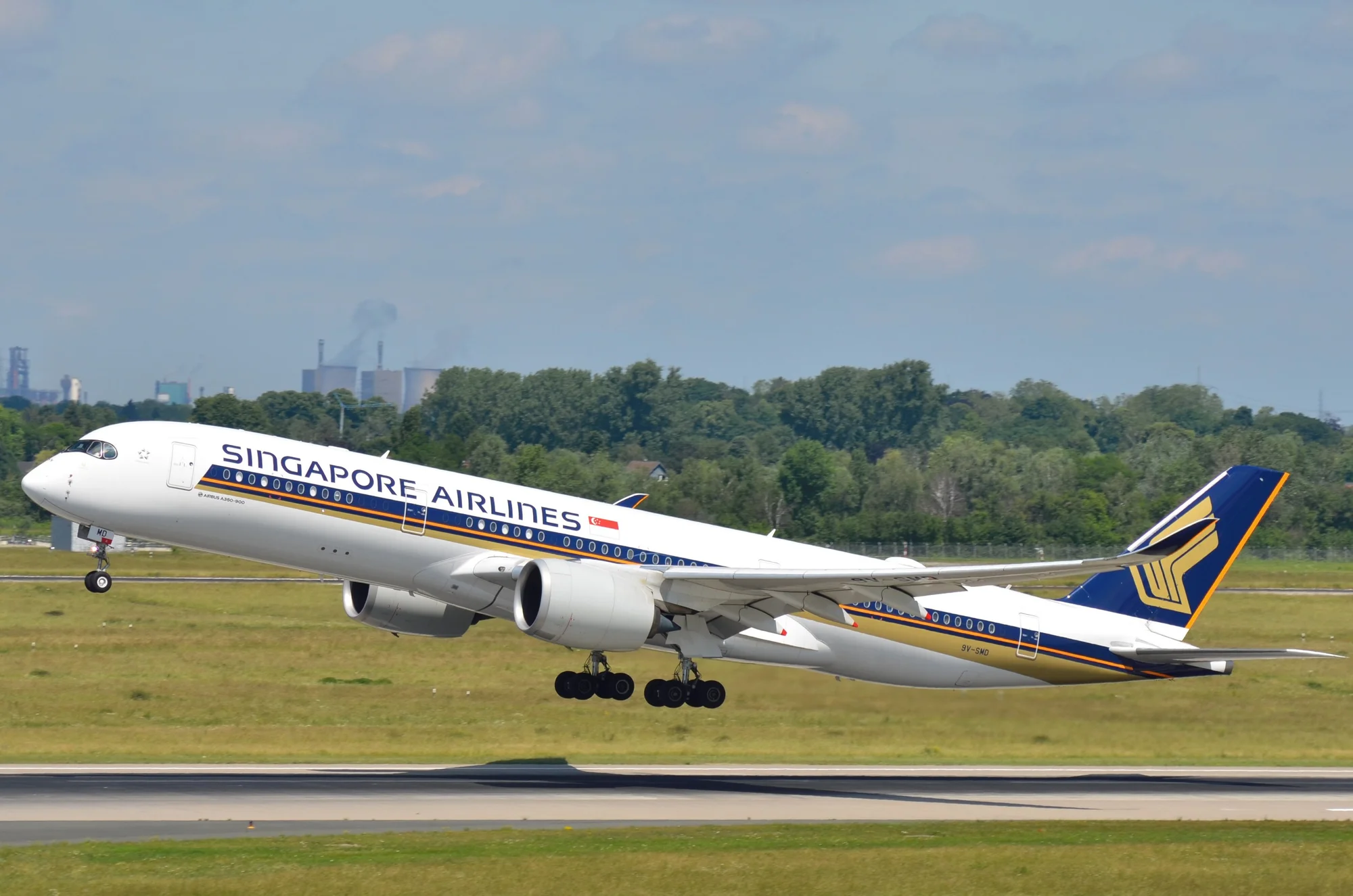


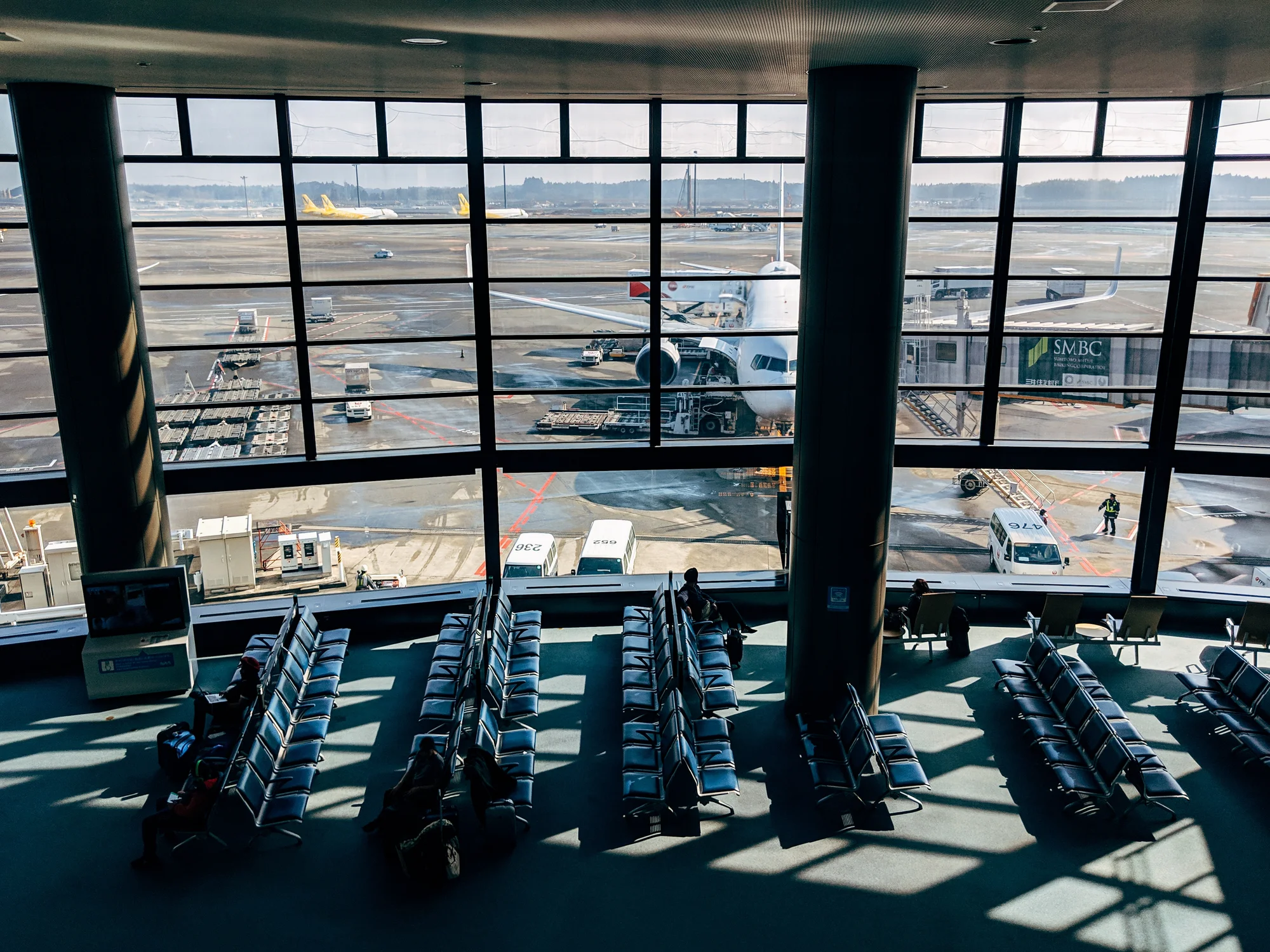
Premium travellers are becoming one of the airline industry's key areas of growth. As investment in Business Class, Premium Economy, dedicated lounges and long-haul services increases, carriers in different parts of the world are placing greater emphasis on passenger segments that generate higher revenue. Recent announcements show that this trend is not limited to one region. From North and South America to Europe, Africa and Oceania, airlines are expanding premium capacity or reshaping their fleets around higher-value travellers.
Alaska Targets More Than 40 Percent of Revenue From Premium
One of the clearest examples in North America is Alaska Air Group. In a new strategy announced in September, the company said it aims to increase the share of premium revenue in total revenue to more than 40 percent by 2030. The figure currently stands at around 35 percent.
New Business Class products, a premium cabin called Premium Reserve, lounge investments and expansion in long-haul services are planned for Alaska Airlines and Hawaiian Airlines. The company also aims to serve at least 15 intercontinental destinations by 2030.
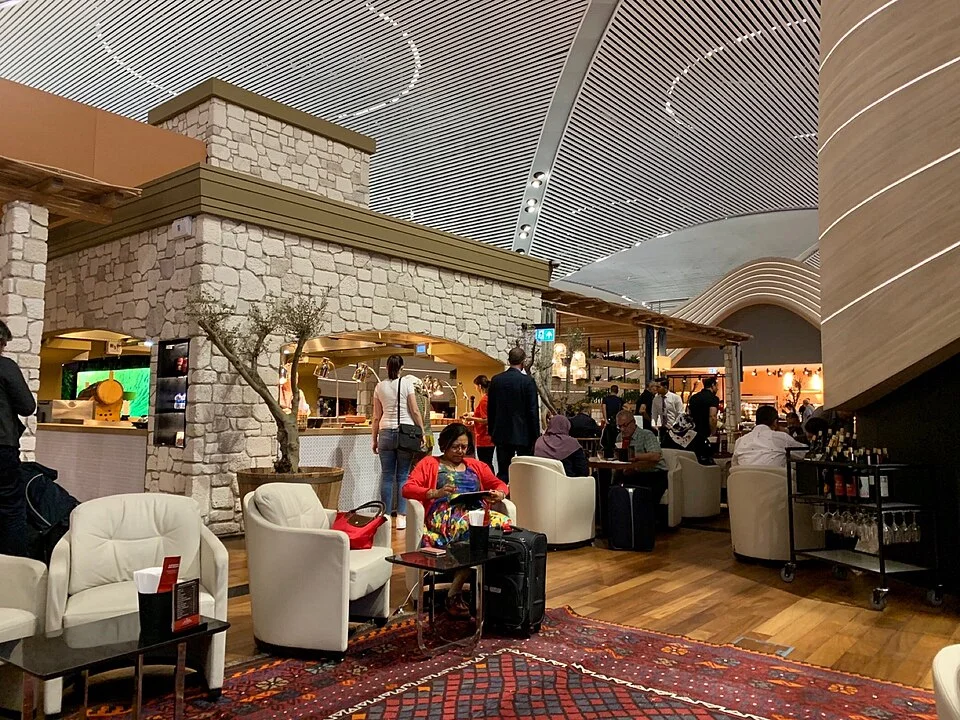
LATAM's Premium Revenue Has More Than Doubled
In South America, LATAM's figures illustrate the commercial importance of the premium segment even more clearly. Revenue from premium products rose from $1.5 billion in 2019 to $3.3 billion in 2025. The airline plans to increase premium seat capacity by around 7 percent annually over the next four years and introduce its new Premium Comfort product in 2027.
The inclusion of new fully flat, enclosed Premium Business seats on the airline's future Airbus A321XLR fleet also reflects the growing importance of higher-value and corporate travellers in its strategy.
Lufthansa Generates Higher Revenue From Its New Cabin
In Europe, Lufthansa's Allegris product is one example of how investment in premium cabins is translating into revenue. According to a Lufthansa Group investor presentation, unit revenue on Allegris-equipped flights is around 12 percent higher than on aircraft with the previous product. Around 90 percent of Allegris Business Class passengers also say they would choose the product again.
The figures suggest that new Business Class products are being used not only to improve service quality, but also to increase revenue per passenger.

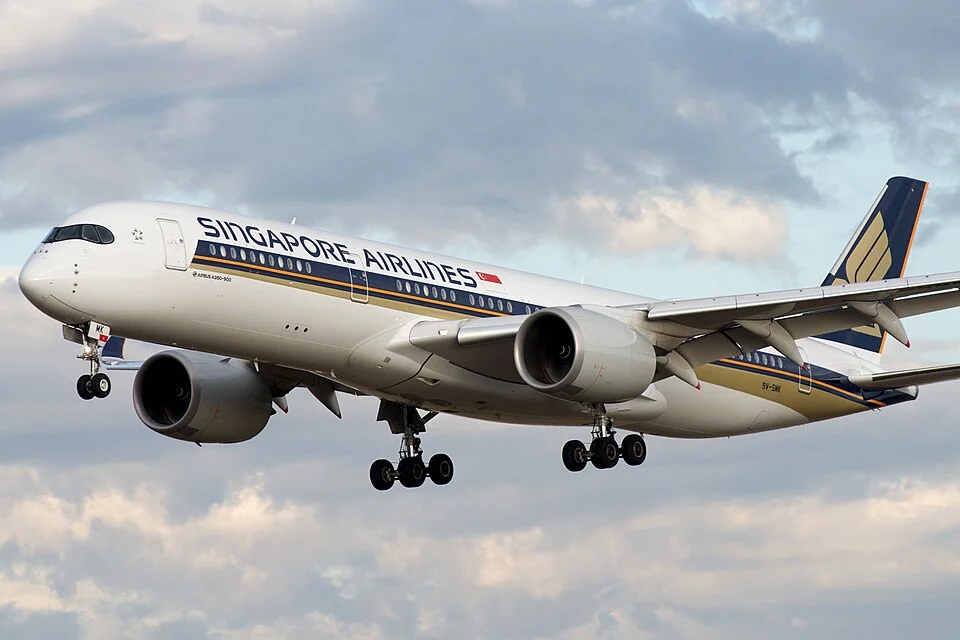
Singapore Airlines Renews Its Long-Haul Fleet
In Asia, Singapore Airlines is carrying out a SGD 1.1 billion cabin refurbishment programme for its long-haul A350 fleet. The programme includes upgrades to First Class, Business Class and Premium Economy, while premium cabins will take on greater importance on the ultra-long-haul A350-900ULR aircraft. The new configuration will not include Economy Class, with four First Class seats, 70 Business Class seats and 58 Premium Economy seats instead.
Ethiopian Airlines Expands Its Premium Cabin
In Africa, Ethiopian Airlines is also strengthening its premium offering across its new fleet. The airline plans to introduce enclosed Business Class suites on new Airbus A350-900 and Boeing 777-9 aircraft. Offering long-haul passengers greater privacy and more space for work and rest, the new seats form part of Ethiopian's strategy to strengthen its position in the international premium market.
Qantas Makes More Room for Premium on Ultra-Long-Haul Flights
In Oceania, Qantas' Airbus A350-1000ULR aircraft for Project Sunrise provide one of the clearest examples of a premium-focused passenger strategy. More than 40 percent of the seats on the new aircraft will be located in premium cabins. The layout will include six First Class suites, 52 Business Class suites and 40 Premium Economy seats. Qantas plans to deploy the aircraft on ultra-long-haul nonstop routes from Sydney to destinations including London and New York.
Competition Is Shifting From Passenger Numbers to Revenue per Passenger
Investments across different continents point to the same trend. Airlines are no longer measuring growth solely by selling more seats or carrying more passengers. Business Class suites, Premium Economy cabins, lounge networks and long-haul services are becoming central tools in the competition for corporate travellers and passengers with higher spending potential.
Alaska's goal of raising premium revenue above 40 percent and LATAM's more than twofold increase in premium revenue over several years underline the commercial dimension of this shift. For airlines, the new race is increasingly about generating more value from each seat, not simply filling more of them.