
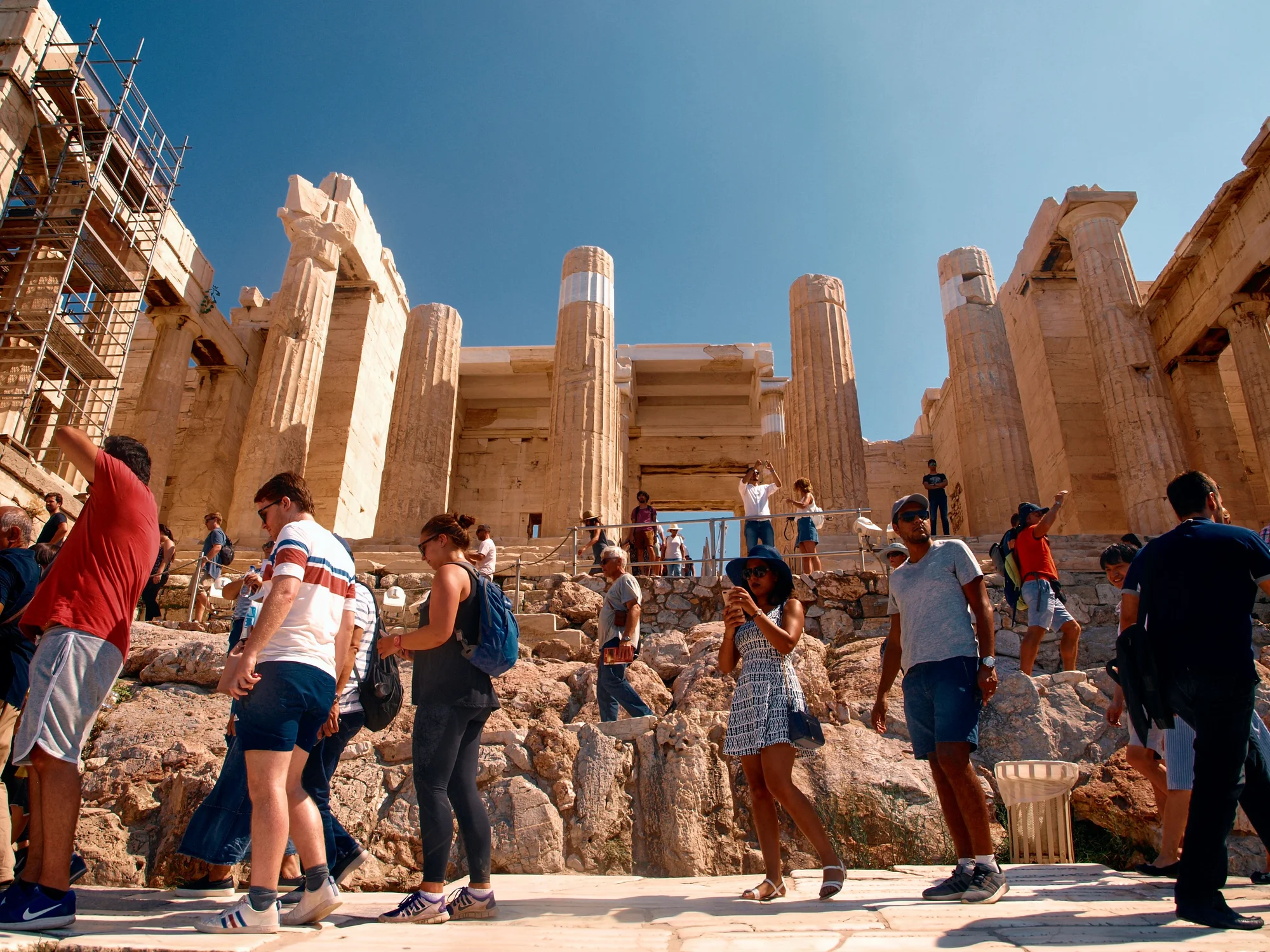
Tourism has become exceptionally good at counting people. Destinations track international arrivals. Hotels monitor occupancy and RevPAR. Airlines measure load factors. Convention bureaux calculate delegate spending, room nights and economic impact. When the numbers rise, the industry generally calls it growth. But those metrics describe what visitors generate. They say far less about what happens to the place generating the demand.
The question has become harder to ignore as global tourism moves beyond post-pandemic recovery. International tourist arrivals reached a record 1.5 billion in 2025, while travel and tourism’s total economic contribution climbed to USD 11.6 trillion. At the same time, some of the world’s most successful destinations are confronting pressure on housing, transport, infrastructure, natural resources and local acceptance of tourism.
The World Economic Forum’s Travel & Tourism Development Index 2026 captures this contradiction. Tourism development conditions improved across 92 percent of the economies assessed between 2024 and 2026. Yet the report also found that stronger visitor activity was not automatically translating into stronger socioeconomic outcomes. That gap raises a simple question: if tourism businesses measure the lifetime value of a customer, should the industry also measure the lifetime value of the destination on which that customer relationship depends?
The idea of “destination lifetime value” was recently raised by Travalyst founder Prince Harry at the Skift Global Forum in New York. The phrase is not an established industry metric, and no standard formula currently exists for calculating it. But the question behind it deserves attention. Tourism has sophisticated tools for measuring how much value it extracts from a destination. It has far fewer widely adopted tools for determining whether that destination is accumulating value in return.
From Visitor Value to Destination Value
Customer lifetime value is embedded across modern business. Companies estimate how much revenue a customer may generate over the course of a relationship and use that information to guide acquisition, retention and investment. Applying the same logic to a destination would require a fundamental change in perspective. Instead of asking only how many visitors arrived, how long they stayed and how much they spent, destination leaders would also have to ask whether tourism improved local employment, strengthened infrastructure, supported locally owned businesses, protected environmental assets and increased the destination’s ability to remain attractive over time.
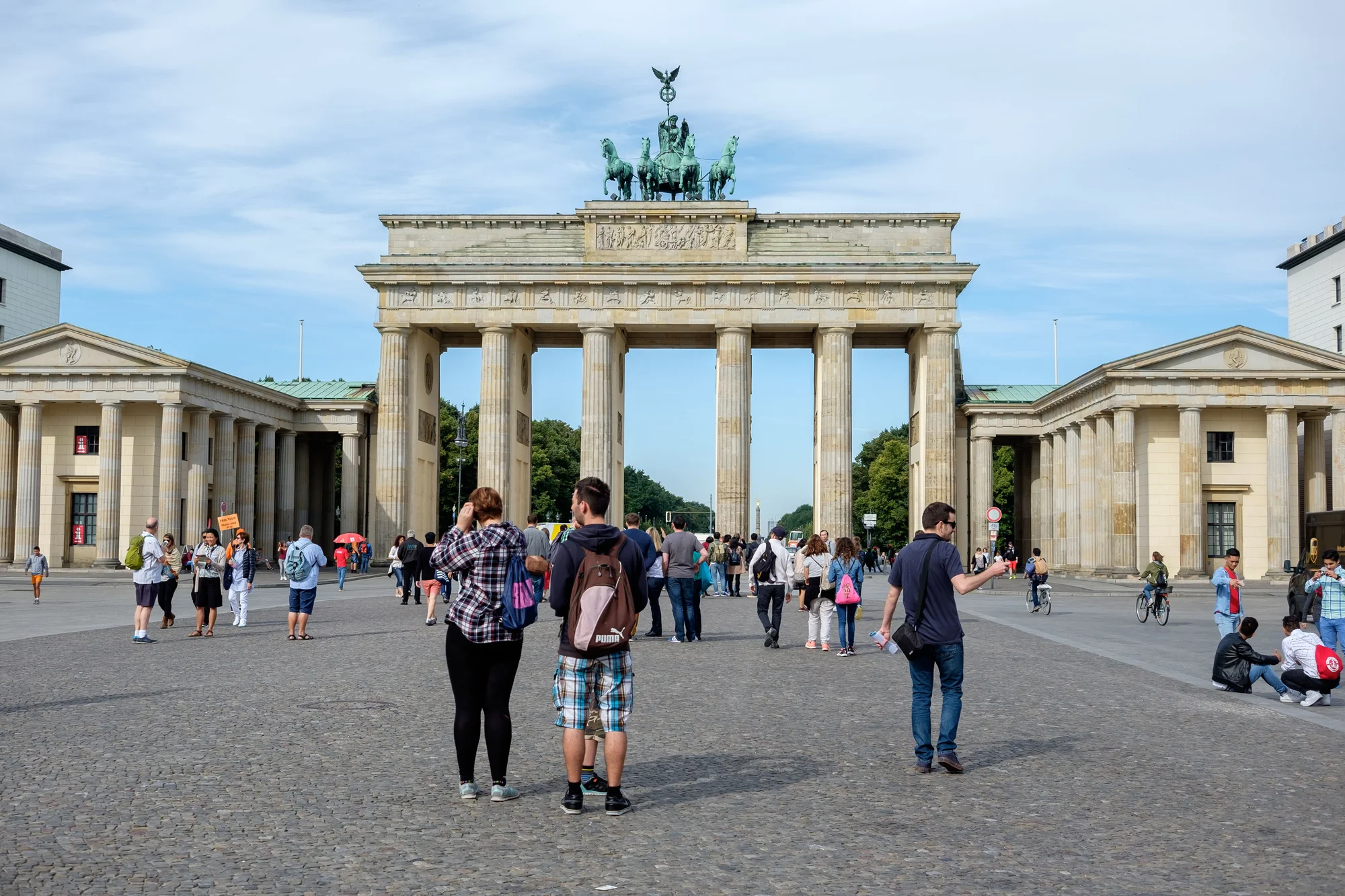
A destination receiving ten million visitors is not necessarily performing better than one receiving five million. The more meaningful question may be what those visitors leave behind. If visitor growth creates higher revenues but simultaneously increases congestion, accelerates environmental degradation, pushes infrastructure beyond capacity and weakens resident support for tourism, the short-term numbers can still look excellent while the underlying destination becomes less resilient. That is precisely where traditional tourism dashboards begin to lose resolution.
Growth and Value Are Not the Same Thing
The distinction is becoming more important because the tourism industry is no longer dealing primarily with a recovery problem. It is dealing with a growth-management problem. The World Economic Forum found that travel and tourism development conditions are now at their strongest since the pandemic. Connectivity has improved, tourism infrastructure has expanded and cultural resources have become increasingly important competitive assets.
Yet its socioeconomic impact indicators moved in the opposite direction. The socioeconomic impact pillar declined by 3.5 percent between the 2024 and 2026 editions of the index, with improvement recorded in only around 17 percent of economies. That does not mean tourism is failing. It means that increasing tourism activity and increasing tourism value are two different achievements.

For destinations, this distinction could eventually become as important as occupancy rates are for hotels. A destination capable of attracting visitors but unable to maintain housing affordability, infrastructure quality, local support or environmental resilience may be building demand on an increasingly fragile foundation. The tourism industry already understands this principle in other areas. Hotels renovate before physical deterioration damages the guest experience. Airlines invest in fleets and networks to preserve long-term competitiveness. Convention centres expand when existing capacity begins limiting future business. Destinations are also productive assets. The difference is that no single company owns them.

MICE Should Be Part of This Conversation
The question is particularly relevant to the meetings and events industry. Business events are often evaluated through economic impact: delegate spending, hotel nights, tax revenue and the number of international visitors generated by a congress or exhibition. Those figures matter. But they capture only part of what a major event can leave behind. A scientific congress can create research partnerships. A medical meeting can connect local professionals with international institutions. An industry exhibition can bring investment opportunities to local companies. A large international association meeting can strengthen a destination’s reputation within a specialist sector for years after delegates leave.
Conversely, an event can also generate thousands of room nights and impressive economic impact while leaving almost no lasting connection with the host community or local industry. The most sophisticated destinations are increasingly trying to understand that difference. For MICE destinations, a version of destination lifetime value could therefore include not only visitor expenditure but knowledge transfer, local procurement, professional development, business creation, international partnerships and the legacy created by recurring events. That would move the discussion beyond the familiar question of how much money an event brought into a city. It would ask what remained after the badge scanners were packed away.
The Difficult Part Is Measurement
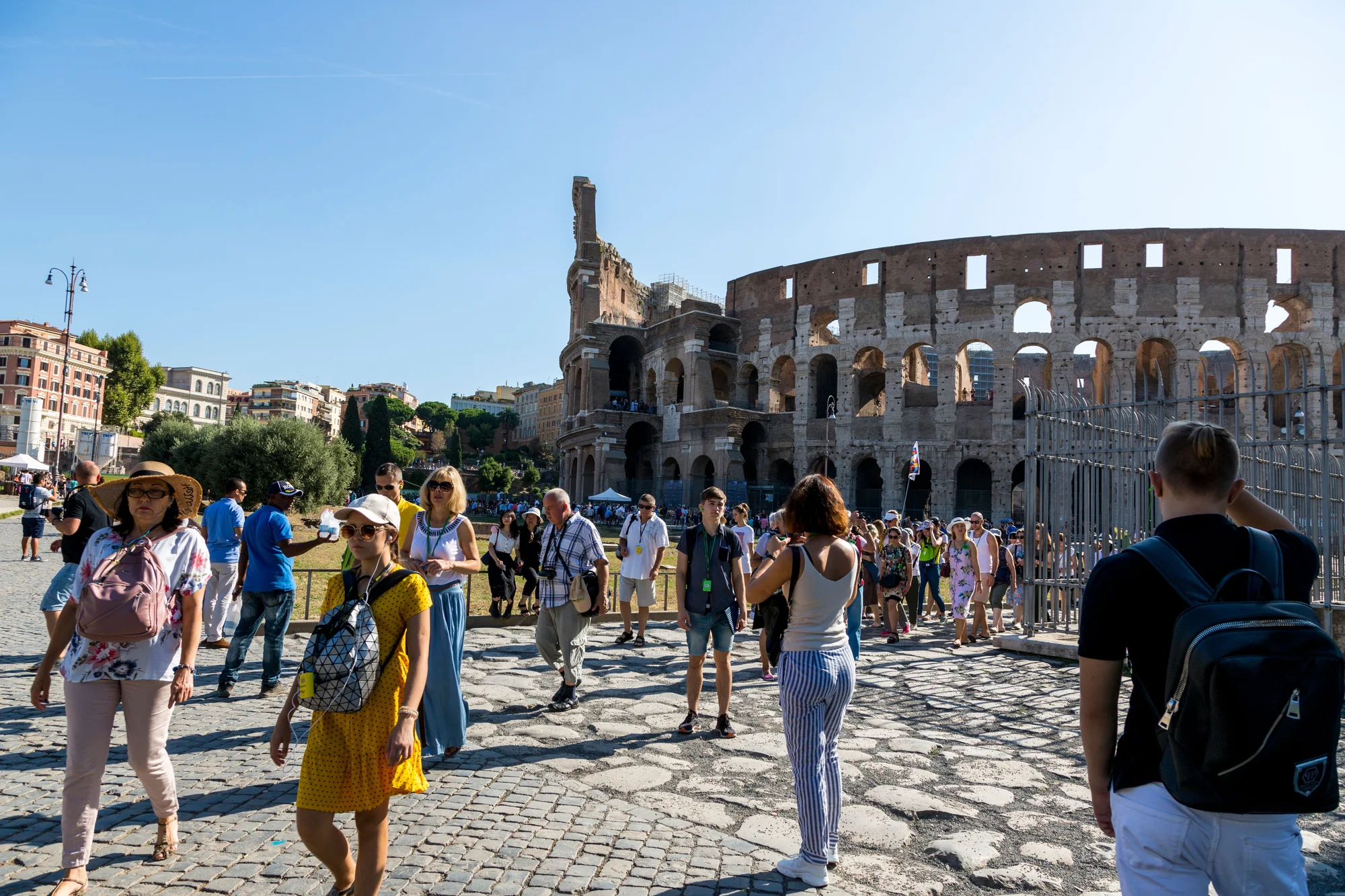
The obstacle is obvious: RevPAR is easy to calculate. Destination health is not. How should a city weigh local employment against carbon emissions? How should improved transport infrastructure be compared with pressure on housing? How much value should be assigned to cultural preservation, resident sentiment or knowledge transfer from an international congress?
There will never be a single metric capable of describing all of these effects perfectly. But tourism already operates with composite indicators, sustainability frameworks and destination benchmarks. The absence of a perfect formula is not necessarily an argument against measuring something. It may simply mean the industry needs a broader dashboard rather than one headline number. The United Nations has already established a Statistical Framework for Measuring the Sustainability of Tourism, while destination sustainability indices and international benchmarking systems increasingly incorporate social and environmental indicators alongside economic performance.
“Destination lifetime value” could therefore be useful even if it never becomes a literal KPI. Its real value may be conceptual. It forces tourism businesses and destination leaders to ask whether their definition of success ends when the visitor leaves.