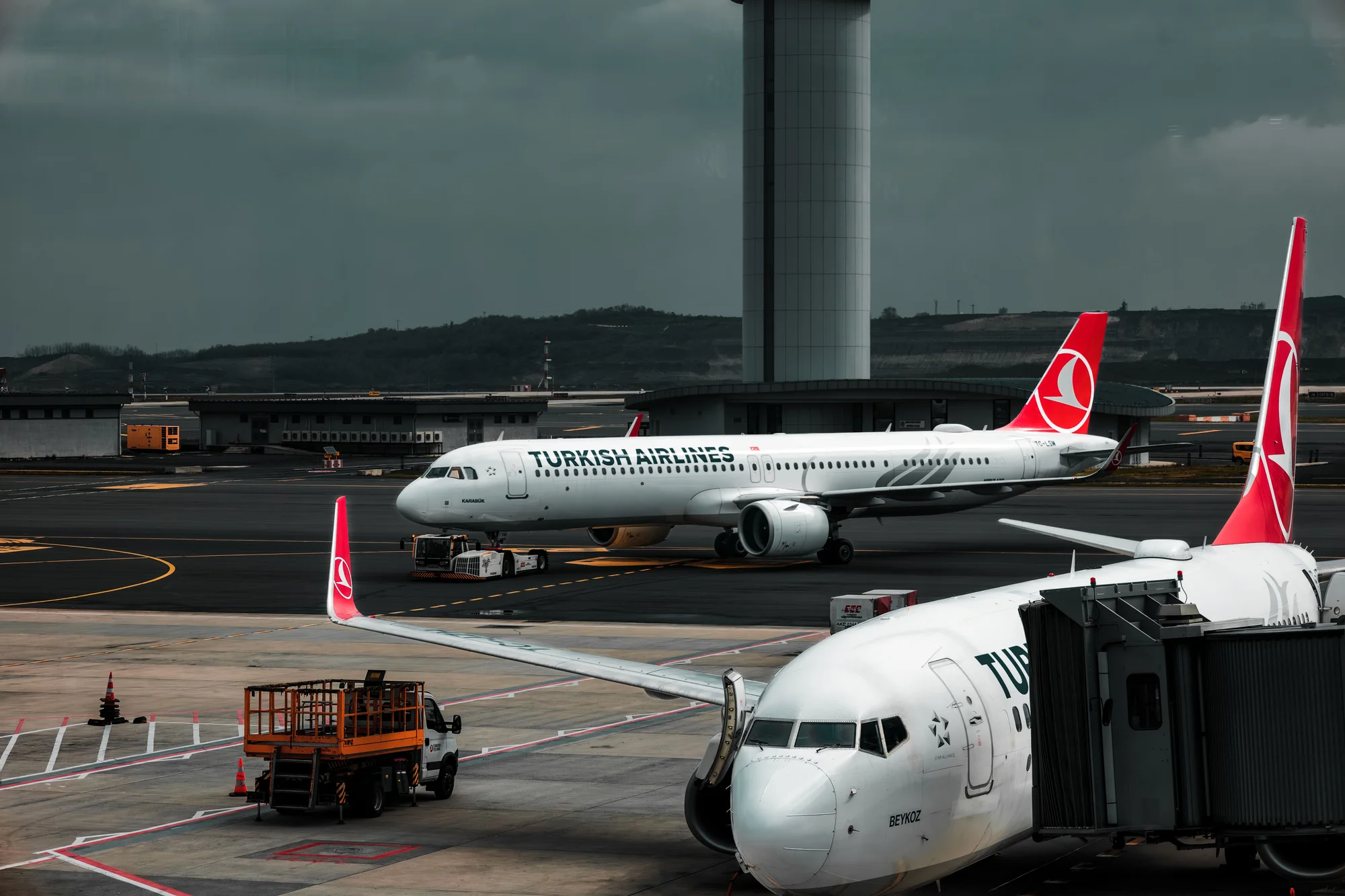


A nationwide FAA ground stop in the United States has put travel reliability back on the agenda for the business events industry. The disruption began on November 13 after a technical problem affected the Federal Aviation Administration’s telecommunications network. The FAA issued a nationwide ground stop at around 3:30 p.m. Eastern Time as a safety measure. Air traffic resumed at 8:15 p.m., more than four hours later. According to the FAA, around 12,462 flights were cancelled during the day, including 9,082 cancellations by major airlines. The agency noted that not all cancellations were directly caused by the ground stop.
The disruption affected millions of travellers and created delays across the country as airlines worked to restore normal schedules. For the meetings and events industry, the incident raises a wider issue. A destination may have strong convention centres, hotels and event infrastructure, but none of that matters if delegates cannot reach the city as planned.
Business Events Depend on Reliable Air Access
Air connectivity is one of the first factors organizers consider when choosing destinations for international conferences and exhibitions. Direct flights, airport capacity and travel time can all influence whether delegates decide to attend. Reliability is equally important. A major flight disruption can affect speaker schedules, exhibitor setup, buyer meetings and event registration before the doors even open.
Delegates travelling for short events are particularly exposed. A traveller arriving one day late for a three-day conference can miss a large part of the program. Exhibitors face another challenge because staff, equipment and materials may all be travelling separately. A single disruption can therefore affect several parts of the same event at once.
PCMA highlighted the issue as major U.S. business events and exhibitions prepare for upcoming editions, including large trade shows that depend heavily on domestic and international air travel.
The FAA Says Aging Systems Remain a Concern
The FAA said the problem began when legacy equipment became unstable after unusually high levels of data traffic entered its telecommunications network. The issue affected 17 of the country’s 22 Air Route Traffic Control Centers and later reached several terminal radar facilities. The FAA said some communication frequencies and radar feeds remained operational throughout the disruption and that safety was not compromised.
Initial investigations identified possible problems connected to sites in Amarillo, Texas, and El Dorado, Arkansas. The network stabilized after those locations were isolated and certain router functions were disabled. The FAA has since disabled the same function on around 60 similar routers as a precaution.

The incident has added new pressure to long-running plans to modernize the U.S. air traffic control system. Industry groups have also called for more investment in technology and greater reliability for travellers. For business events, that debate has a direct commercial impact. Large conferences and exhibitions often depend on thousands of people arriving within a narrow time window. If the transport system fails, organizers have limited time to adapt.
Travel Disruption Can Change the Event Before It Starts
Major delays can affect more than attendance numbers. Conference speakers may miss sessions. Hosted buyers may lose scheduled appointments. Exhibitors may arrive without the staff needed to operate their booths. Organizers may also need to change programs at short notice.
Hybrid technology can provide some backup in these situations, allowing speakers or delegates to join remotely. But this does not fully replace the value of physical attendance, especially for events built around networking, exhibitions and face-to-face meetings. The challenge is larger for international participants. Long-haul travellers may have fewer alternative flights and may need to change connections, hotels or ground transport when schedules are disrupted. This can increase costs for both delegates and organizers. It can also affect the reputation of a destination if transport problems become frequent.
Destination Risk Is Broader Than the Venue
The incident shows why destination risk cannot be measured only through the event venue. Convention centres, hotels and local suppliers may all be ready, while the wider transport system remains vulnerable. That makes air access part of event infrastructure. Organizers increasingly need to consider alternative routes, arrival windows and contingency plans when large numbers of delegates are travelling to one city.
Some events already encourage international speakers and exhibitors to arrive earlier than necessary. Others provide flexible registration, remote participation options or real-time travel communication when disruptions occur. These measures cannot prevent a nationwide ground stop. But they can reduce the effect on the event once problems begin.
For destinations competing for international meetings, reliability may also become a stronger part of the sales conversation. Strong air connectivity has always been an advantage. The latest disruption shows that consistency matters just as much as capacity. For the business events industry, the lesson is simple: the event does not begin at the convention centre. It begins when the delegate starts travelling.