


European aviation is entering 2027 with an increasingly uneven growth map. EUROCONTROL’s latest Seven-Year Forecast expects traffic across the European Civil Aviation Conference (ECAC) area to rise by 3.2% next year to approximately 11.6 million flights, but the recovery is not expected to be distributed equally across the continent. Southern Europe and parts of Eastern Europe are projected to remain more dynamic than major northwestern markets, continuing a geographic shift already visible in 2026.
The Autumn 2026 forecast, published on October 20, incorporates traffic developments through September as well as updated economic assumptions, airport capacity expectations and geopolitical conditions. It follows a year in which European aviation remained resilient but grew more slowly than previously expected. EUROCONTROL now forecasts approximately 11.2 million flights for 2026, representing growth of 1.7%, down from the 2.7% projected in its Spring forecast. The main drag has been geopolitical disruption in and around the Middle East. EUROCONTROL estimates that the crisis could remove around 110,000 flight movements from European traffic in 2026 compared with a scenario without those tensions. Changes in routings, weaker demand on affected markets and higher jet fuel prices have all contributed to the slowdown.
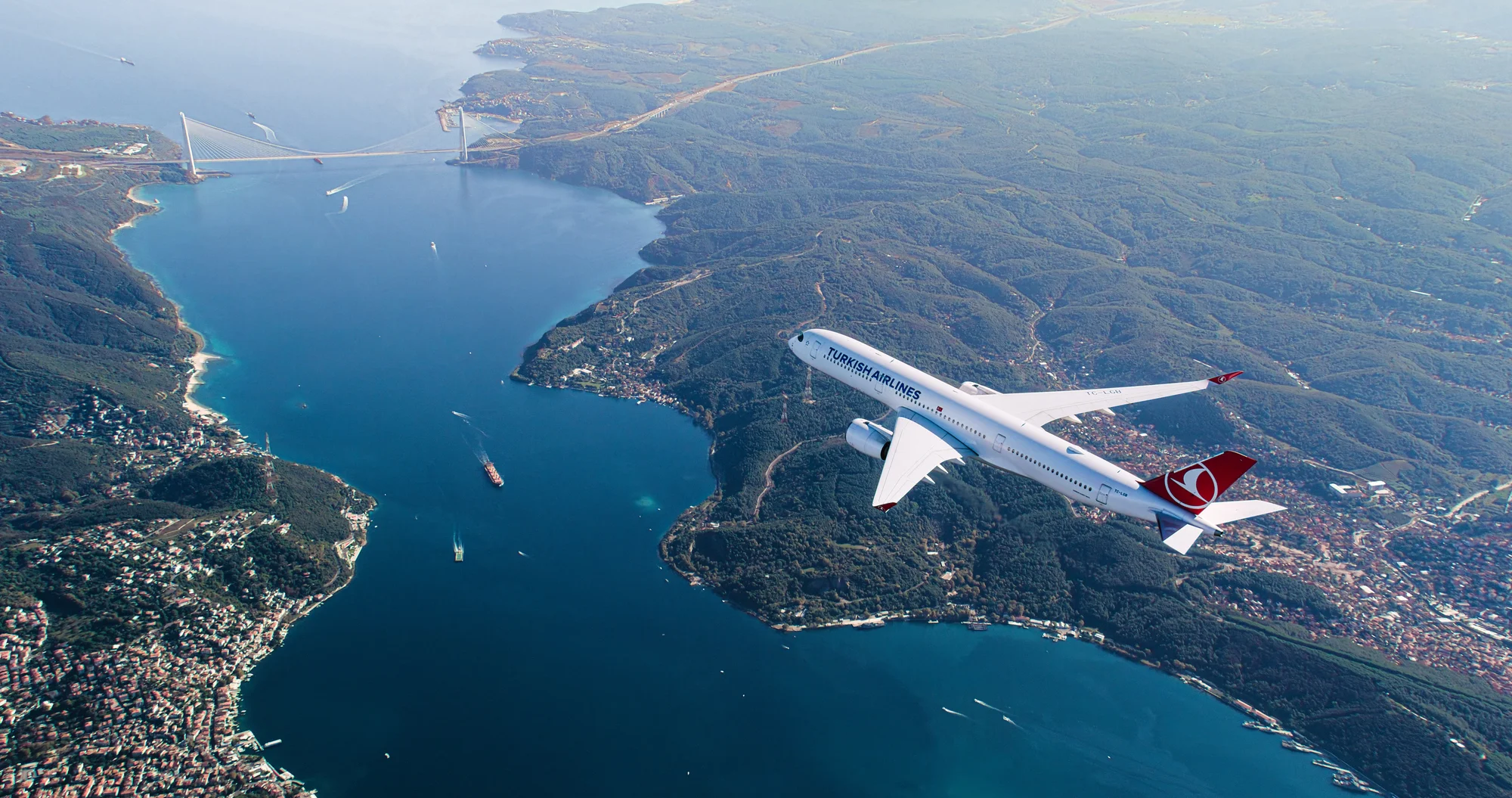
The organisation’s base scenario assumes that conditions begin stabilising by the end of the first quarter of 2027. If that happens, traffic flows are expected to recover progressively, with some of the strongest rebound effects occurring in markets that were more heavily disrupted during 2026. EUROCONTROL specifically identifies Türkiye and parts of the Eastern Mediterranean among the areas where recovery could be most pronounced.
For destinations dependent on international air access, that shift matters beyond airline statistics. Capacity growth affects the number of reachable markets, schedule frequency and the practical ease with which international delegates, event organisers and corporate travellers can reach a destination. The regions gaining aviation momentum in 2027 could therefore enter the next MICE cycle with a stronger connectivity position than the headline European growth rate alone suggests.

Southern And Eastern Europe Continue To Outperform
The divergence between European aviation markets is not beginning in 2027. EUROCONTROL says southern and eastern European markets already outperformed several major northwestern markets during 2026, supported by strong demand for southern destinations and robust international traffic flows. Summer 2026 produced record daily flight levels and historically high load factors across the European network, while demand remained particularly strong for southern European destinations. Traffic between Europe and North Africa, North America and Asia-Pacific also remained resilient despite broader geopolitical pressure.
This creates a more fragmented growth picture than the traditional focus on Europe’s largest aviation hubs might suggest. Mature northwestern markets continue to account for substantial traffic volumes, but some of the faster percentage growth is now being generated further south and east.
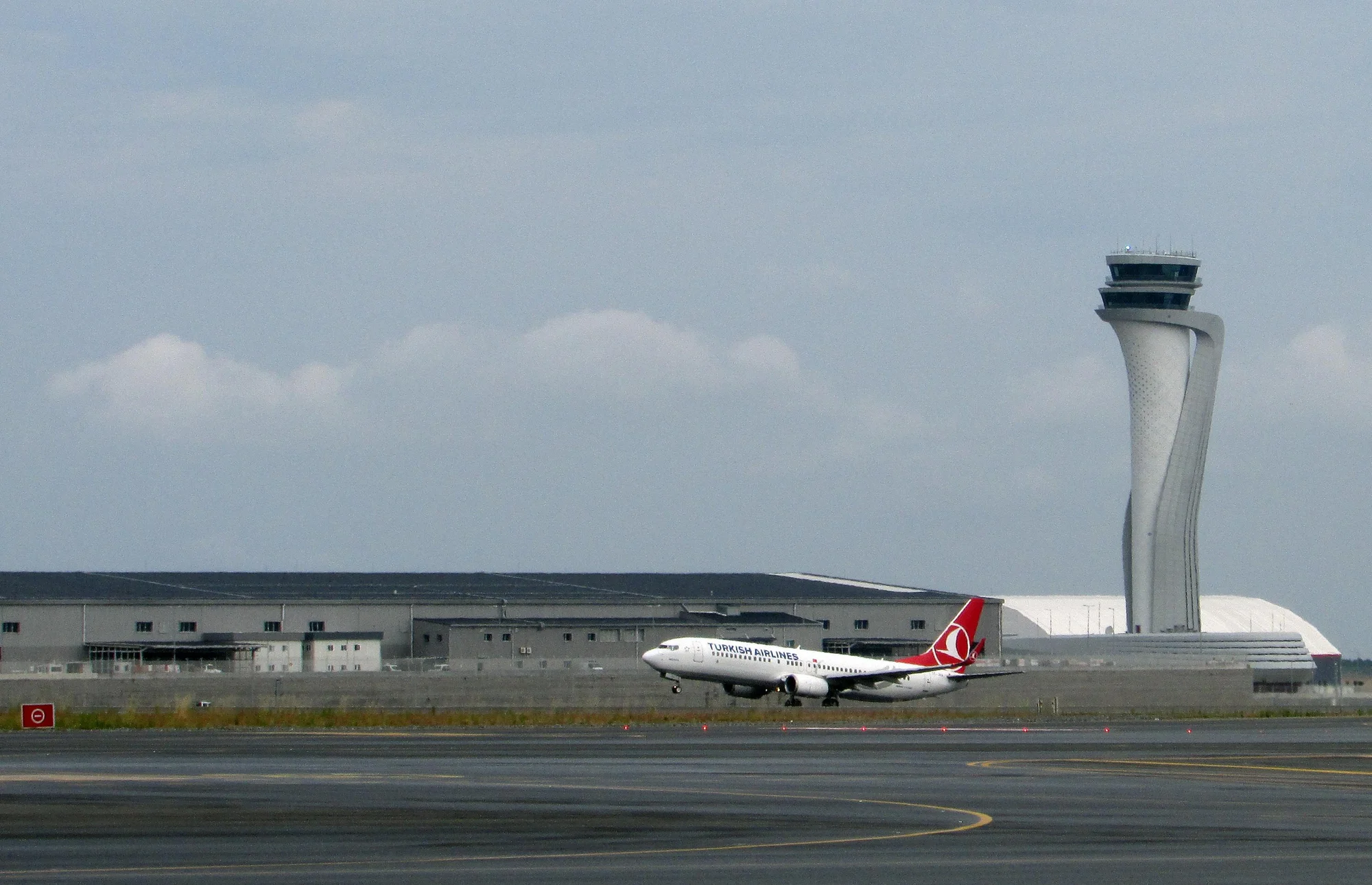
Türkiye sits in an important position within that geography. It combines a large domestic aviation market with extensive international connectivity and significant transfer traffic, while also serving leisure, business and visiting-friends-and-relatives demand. A rebound in regional flows could therefore affect both point-to-point traffic and wider connectivity through Turkish airports. For international events, the distinction is relevant. Destination competitiveness increasingly depends not only on the existence of long-haul connections, but also on frequency, route diversity and the resilience of those connections when disruption occurs elsewhere in the network.

Geopolitics Has Already Changed The 2026 Forecast
EUROCONTROL’s revised outlook illustrates how quickly external events can reshape aviation forecasts. Its Spring 2026 projection had anticipated stronger growth, but continued tensions in the Middle East forced a downward revision as airlines adjusted schedules and flight paths. The organisation estimates that European traffic will finish 2026 around 110,000 movements below what could have been expected without the current tensions. Higher energy costs have added another layer of pressure, with rising jet fuel prices increasing operating costs for airlines at the same time as disrupted airspace has made some routes longer or more complex.
That impact is important because aviation connectivity does not respond uniformly to geopolitical disruption. Markets close to affected airspace can experience direct reductions in demand or capacity, while airlines operating between Europe and Asia or the Middle East may face longer routings, higher costs and schedule changes.
The 2027 recovery forecast therefore carries a significant condition. EUROCONTROL’s base scenario assumes that the Middle East situation stabilises by the end of the first quarter of next year. Its low scenario assumes tensions persist until the end of the first quarter of 2028, delaying recovery and maintaining pressure on energy markets and airline costs. The difference between those scenarios underlines how dependent the next phase of European aviation growth remains on factors outside the industry’s direct control.
12.8 Million Flights Expected By 2032
Beyond the immediate rebound, EUROCONTROL expects European aviation growth to moderate into a steadier long-term pattern. Between 2026 and 2032, flight movements across the ECAC area are forecast to grow by an average of approximately 2.1% annually, reaching around 12.8 million flights by 2032.
That rate is less dramatic than the post-pandemic recovery years, but the geographic distribution of growth may become increasingly important. Southern Europe and parts of Eastern Europe are expected to remain more dynamic than several larger northwestern markets throughout the forecast period. For tourism and business-event destinations, this creates a different competitive landscape. Airport capacity, airline network development and route resilience can increasingly influence whether a destination is able to convert demand into actual international arrivals.
The most valuable markets may therefore not simply be those with the largest airports, but those where connectivity is expanding at the same time as tourism, hospitality and event infrastructure are developing around it. If EUROCONTROL’s forecast holds, Türkiye and the Eastern Mediterranean will be among the regions to watch most closely as that next growth cycle takes shape.