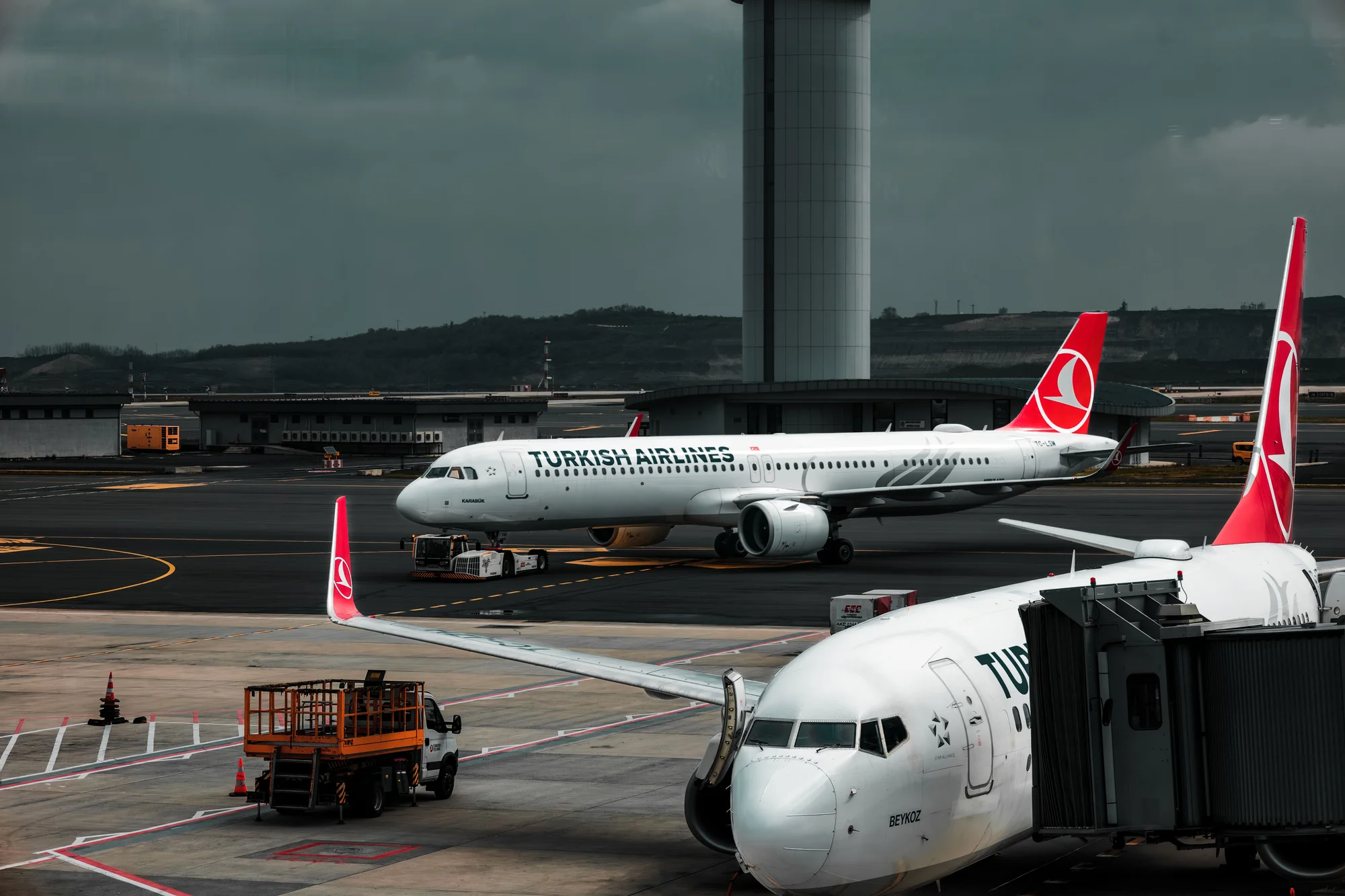



Governments have backed a new global framework for international air transport as airlines face rising costs, infrastructure constraints and growing pressure to keep global travel connected. The agreement followed the Seventh ICAO Worldwide Air Transport Conference in Montréal, held from November 16 to 20.
More than 1,500 delegates participated in the conference, bringing together governments, airlines, airports and international aviation organisations to discuss how global air transport should develop toward 2050. The resulting agenda covers air connectivity, competition, passenger protection, infrastructure investment, digital travel, taxation and sustainability. For international tourism and events, the decisions matter because many of the same issues determine how easily and affordably delegates can move between destinations.

Connectivity Moves to the Centre of Aviation Policy
One of the main priorities is keeping international aviation competitive enough to support new routes and affordable access. IATA argued that governments should consider the effect of regulation on connectivity before introducing new rules or costs. Air transport currently supports an estimated 99 million jobs worldwide and generates around $5 trillion in economic impact. But the industry entered 2026 under considerable pressure from higher fuel prices, capacity constraints and geopolitical disruption.
IATA expects passenger growth in 2026 to be the weakest since 2009 outside the pandemic years. That makes connectivity particularly important for destinations dependent on international visitors. For convention cities and resort markets, fewer flights or higher airfares can quickly weaken an otherwise competitive event proposition.
Digital Identity Could Make International Travel Easier
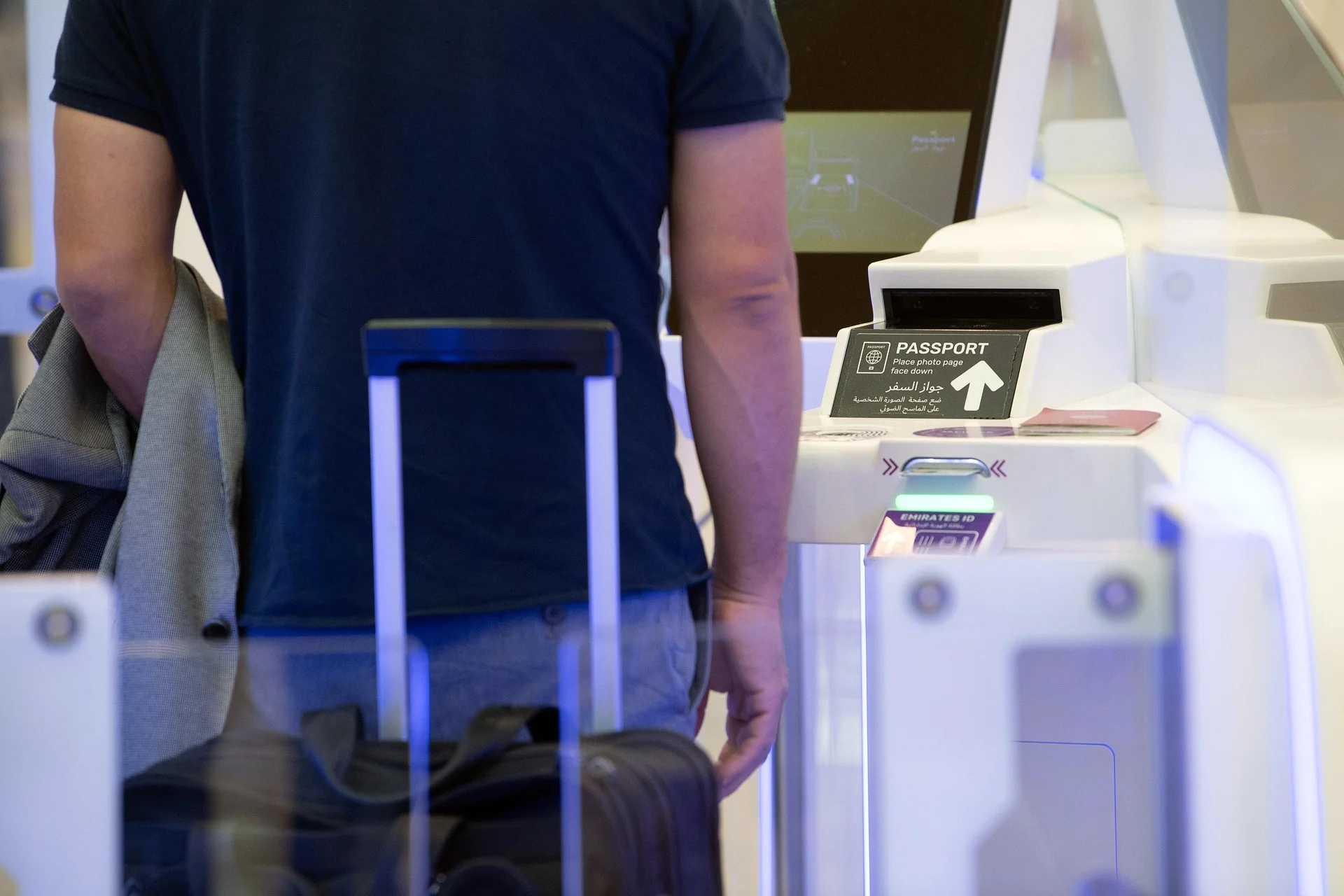
Passenger processing was another major part of the discussions. IATA and Airports Council International called for globally compatible digital identity systems that could make international travel faster and more seamless. The industry is also pushing for greater consistency in Advance Passenger Information and Passenger Name Record requirements.
Currently, airlines can face different passenger-data rules across jurisdictions, creating additional complexity for international operations. More standardised systems could eventually reduce friction across the passenger journey, particularly at borders and airports.
For large international events, smoother processing becomes increasingly valuable when thousands of delegates may arrive within a short period from dozens of countries. Digitalisation therefore has implications beyond airlines themselves. It can directly influence how efficiently destinations handle major congresses, exhibitions and international visitor flows.

Infrastructure Investment Becomes Another Priority
Governments also agreed on the need for greater investment in aviation infrastructure. Airports and air navigation systems will need additional capacity as global passenger numbers continue to rise toward 2050. ICAO expects emerging economies to generate much of that future growth. The challenge is not only building larger terminals. Airports will also require investment in digital systems, security, passenger processing, air traffic management and the infrastructure needed for new aircraft and energy technologies.
IATA called for greater transparency around airport and air navigation charges, arguing that infrastructure investment should respond efficiently to actual demand. Those costs can ultimately influence ticket prices and airline route decisions. For destinations competing for international events, airport infrastructure is therefore becoming part of the wider meetings product alongside hotels, convention centres and venues.

Airlines Want More Consistent Global Rules
A recurring concern throughout the conference was regulatory fragmentation. Airlines increasingly operate across overlapping national and regional rules covering taxation, sustainability, passenger rights and emissions. IATA argues that inconsistent policies can increase costs without necessarily improving outcomes. Sustainability provides one example. The association urged governments to support CORSIA as the global market-based framework for international aviation emissions while avoiding overlapping national or regional systems.
It also called for policies that encourage sustainable aviation fuel production rather than relying mainly on mandates. Taxation was another area where airlines pushed for global consistency to reduce the risk of double taxation and administrative complexity. The wider argument is simple: international aviation operates as a global network, but regulation is increasingly being developed market by market.
Global Air Access Remains Critical for Events
For the international meetings industry, aviation policy can appear distant from venue and destination decisions. In practice, the connection is direct. International congresses depend on affordable flights, reliable routes, efficient airports and border systems capable of processing large numbers of travellers.
Destination weddings and incentive groups face the same challenge, particularly when guests are travelling from several countries. A city can build new convention infrastructure and hotel capacity, but international demand remains dependent on whether people can reach it easily. The new ICAO agenda places that connectivity at the centre of global aviation policy. Its impact will depend on how governments turn the Montréal agreements into national and international action. But for destinations planning future tourism and event growth, the message is already clear: aviation infrastructure, regulation and passenger experience are becoming increasingly important parts of destination competitiveness.