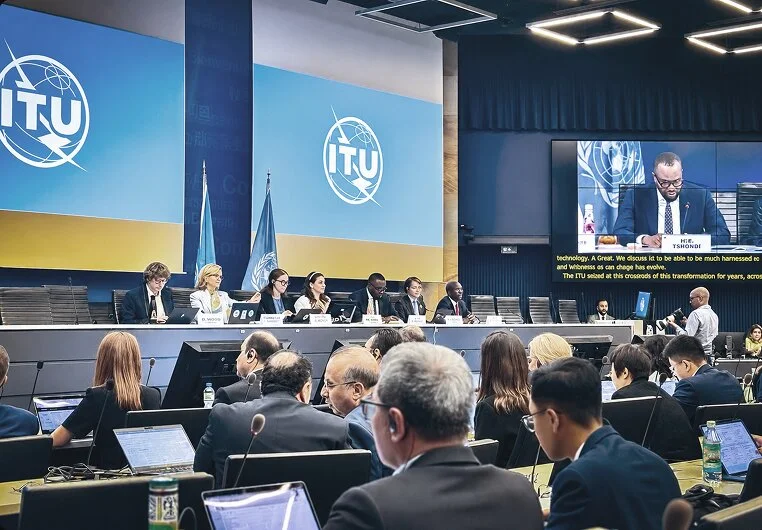



The 2026 ICCA Congress reduced food waste by 29% compared with the previous year as the international meetings industry continues to test more detailed ways of managing catering waste at large events. Held in Panama City from November 8 to 11, the 65th ICCA Congress brought together more than 1,000 business events professionals from over 80 countries. This year's sustainability program included a major focus on food production, surplus food and waste management.
Early results from the Congress show that 256 kilograms of food were rescued, while 99% of the remaining food waste was transformed instead of being sent directly to landfill. The program is part of ICCA's work toward the Zero Food Waste to Landfill event certification developed by The PLEDGE on Food Waste. The process goes beyond simply collecting leftover food at the end of an event. Food waste is tracked throughout catering operations to understand what is being wasted, when it happens, where it comes from and why it is being produced.
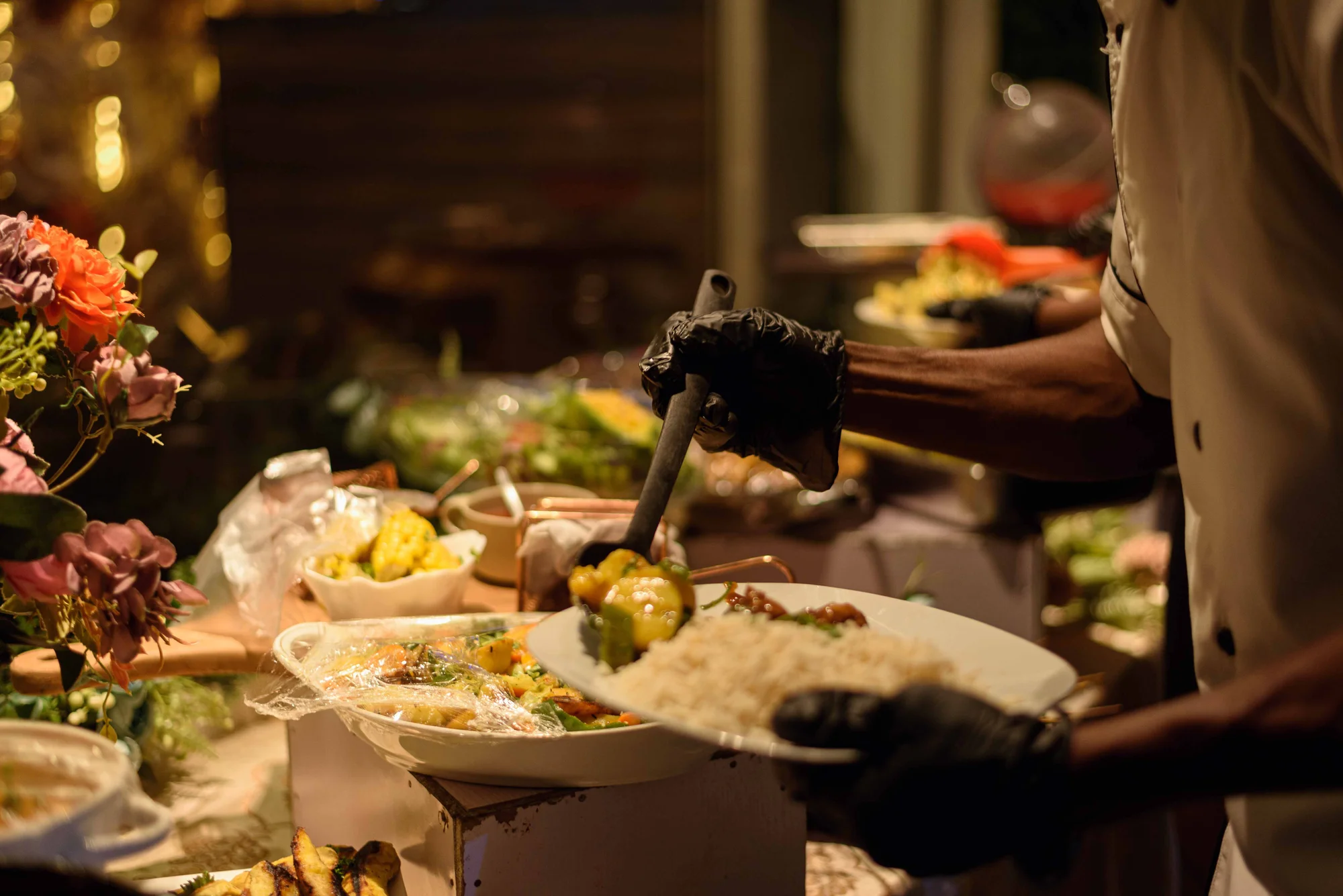
For the Panama Congress, food waste monitoring technology was introduced directly into commercial kitchen operations at the Panama Convention Center and venues used for evening events. Banquet and catering teams were trained to follow specific procedures so that food waste could be measured during the event. The system collected data on different stages of catering operations, giving organizers a clearer picture of where waste could be reduced. The initiative also included partnerships with a local food rescue organization and a local composting company. An external auditor was brought in to check whether the required procedures were being followed as part of the certification process.

Food Waste Is Being Measured Inside The Kitchen
One of the main changes in Panama was the use of Food Intel Tech, known as FIT, a food waste monitoring and analytics system developed by LightBlue Environmental Consulting. The technology is already used by hotel companies including Marriott and Hyatt. For the ICCA Congress, it was adapted to the operations of the Panama Convention Center and other venues used during the program. Instead of measuring only the total amount of waste after an event, the system records information during kitchen and catering operations.
This can help teams understand whether waste comes from overproduction, preparation, buffet service, portion sizes or food that guests leave behind. Benjamin Lephilibert, CEO of LightBlue Environmental Consulting and co-founder of The PLEDGE on Food Waste, said the Panama Convention Center had shown interest in continuing the system after the Congress.
That point is important for the long-term impact of the program. A sustainability project introduced for a four-day congress can have a larger effect if the venue continues to use the same methods for future events. The system also gives venues data that can be used when planning menus and estimating food requirements. Better information on consumption can help catering teams reduce unnecessary production while still having enough food for delegates. For large congresses, even small changes can have a major effect when they are repeated across several meals, coffee breaks, receptions and social events.


ICCA Has Been Building The Program Across Several Congresses
The work in Panama is part of a longer food waste program developed through previous ICCA Congresses. ICCA introduced the Bangkok Protocol on Sustainable Gastronomy at its 2023 Congress. The initiative focused on how international events could reduce the environmental impact of catering while working more closely with destinations, venues and suppliers. At the 2024 ICCA Congress in Abu Dhabi, the event achieved the Zero Food Waste to Landfill Event Standard from The PLEDGE on Food Waste.
More than 200 kitchen, service and stewarding staff were trained during that program. A total of 1,115 kilograms of food was diverted from landfill, while 371 kilograms was saved and 928 meals were redistributed. The work continued at the 2025 Congress in Porto, where food waste management again formed part of the event's wider sustainability strategy. The Panama edition takes the program another step by focusing heavily on data collection inside catering operations and by involving local food rescue and composting organizations.
This approach also shows how sustainability programs can change as an international congress moves between destinations. Each host city has different venues, catering teams, waste systems and local partners. The same sustainability target therefore has to be adapted to local operations every year.
Convention Centers Could Keep The Systems After Events Leave
The wider value of programs such as ICCA's may come from what remains in a destination after the delegates leave. Large international congresses often require venues and suppliers to introduce new operating standards for a limited period. These can include waste separation, food measurement, staff training and new relationships with food rescue or composting organizations.
If those systems remain in place, they can then be used for other conferences, exhibitions, corporate events and banquets. Panama Convention Center's interest in continuing food waste monitoring after the ICCA Congress is an example of how an event can influence daily venue operations. The same principle can apply to catering teams. Once staff are trained to record where food waste occurs, organizers can use that information when planning future events. They can adjust quantities, menu formats and service methods based on actual consumption instead of estimates alone.
It could also make food waste performance easier to compare between events. For event organizers, destinations and convention centers, this creates a more practical way to approach sustainability. Instead of relying only on broad environmental targets, venues can measure kilograms of food produced, rescued, wasted and transformed. The 29% reduction recorded at the 2026 ICCA Congress shows what that approach can produce. But the larger test will be whether the systems introduced for major international events become part of normal venue operations after the event itself is over.