

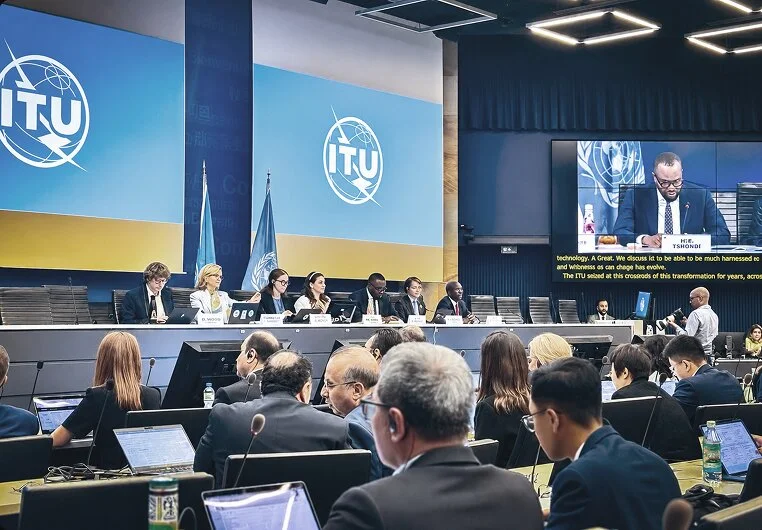
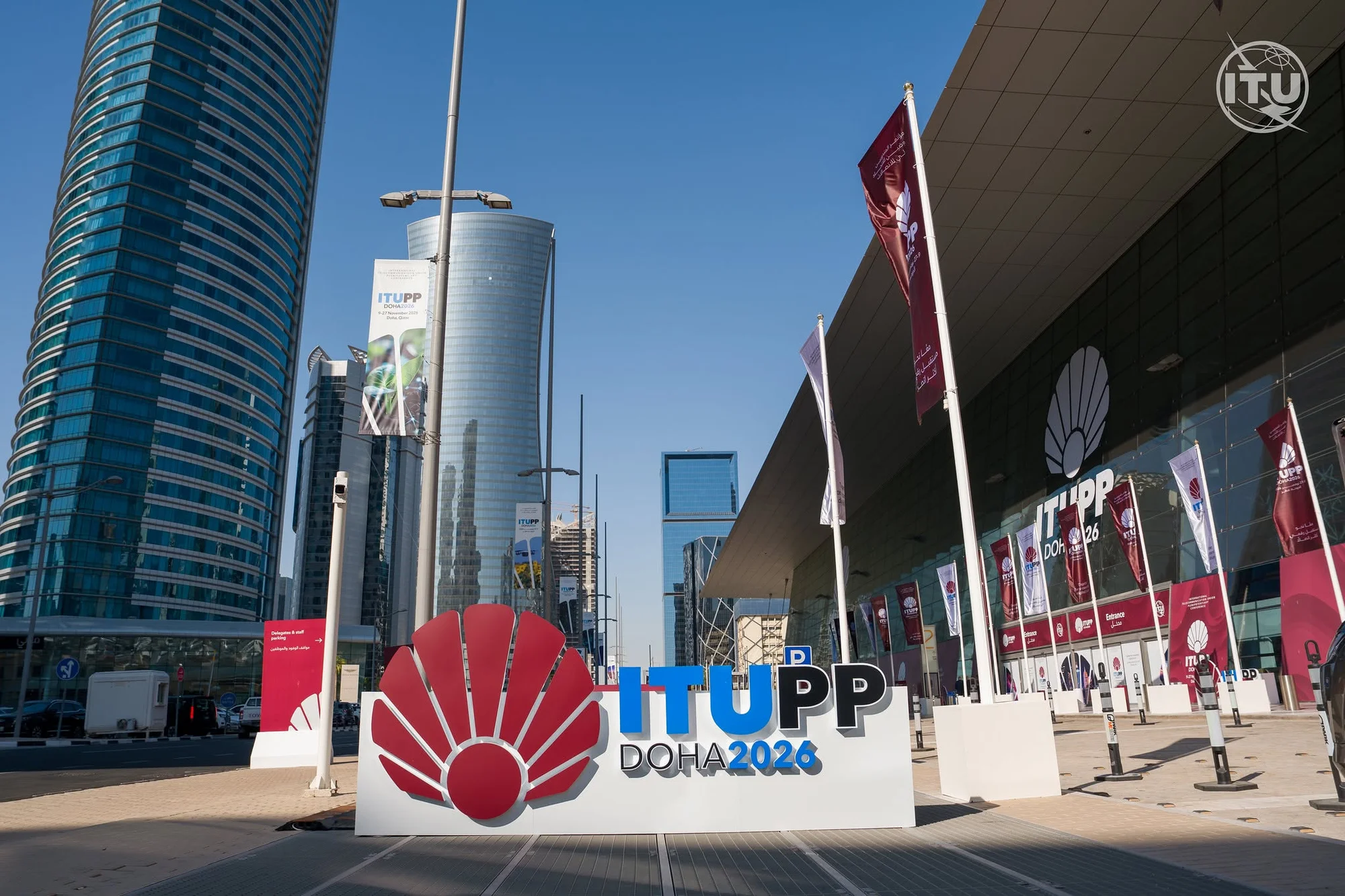
Hosting an international conference for three or four days is already a major operation. In Doha, one of the world’s longest-running government conferences is occupying the same venue for almost three weeks. The International Telecommunication Union’s Plenipotentiary Conference 2026, known as PP-26, is taking place at the Doha Exhibition and Convention Center from November 9 to 27.
Around 3,000 participants are expected, including high-level representatives from ITU’s 194 Member States, as well as delegates from industry and academia. Held every four years, the conference is ITU’s highest decision-making meeting. Delegates will elect the organization’s leadership, select members of the ITU Council and Radio Regulations Board, and agree on strategic and financial plans for 2028–2031. But from an events perspective, the unusual part is its length.
For 19 days, DECC needs to support plenary sessions, committee meetings, working groups, bilateral meetings and high-level government delegations while transport, security, accommodation and delegate services continue around the city. The scale shows how hosting a long international congress requires much more than providing meeting rooms.
Delegate Movement Runs Across the City
Transport is one of the most important parts of the operation. Official shuttle services are running between selected hotels and the conference venue, while registered delegates are also being provided with complimentary Doha Metro travel cards. DECC has its own metro station directly outside the venue, connecting delegates with hotel districts, central Doha and Hamad International Airport.
A separate coach system also links selected hotels, the venue and the airport. Recommended hotels were chosen partly for their proximity to the conference and public transport. Several are within approximately 20 to 30 minutes’ walking distance of DECC. Airport operations have also been adapted for the event. Information desks are available at Hamad International Airport, while dedicated passport-control arrangements can be introduced during peak arrival and departure periods. Special procedures are also available for ministers and other high-level delegates.
For an event lasting almost three weeks, these transport systems need to work repeatedly rather than only during the opening and closing days. Delegates may move between hotels and DECC dozens of times during their stay, making daily mobility part of the conference experience.
Entry and Registration Begin Before Delegates Arrive
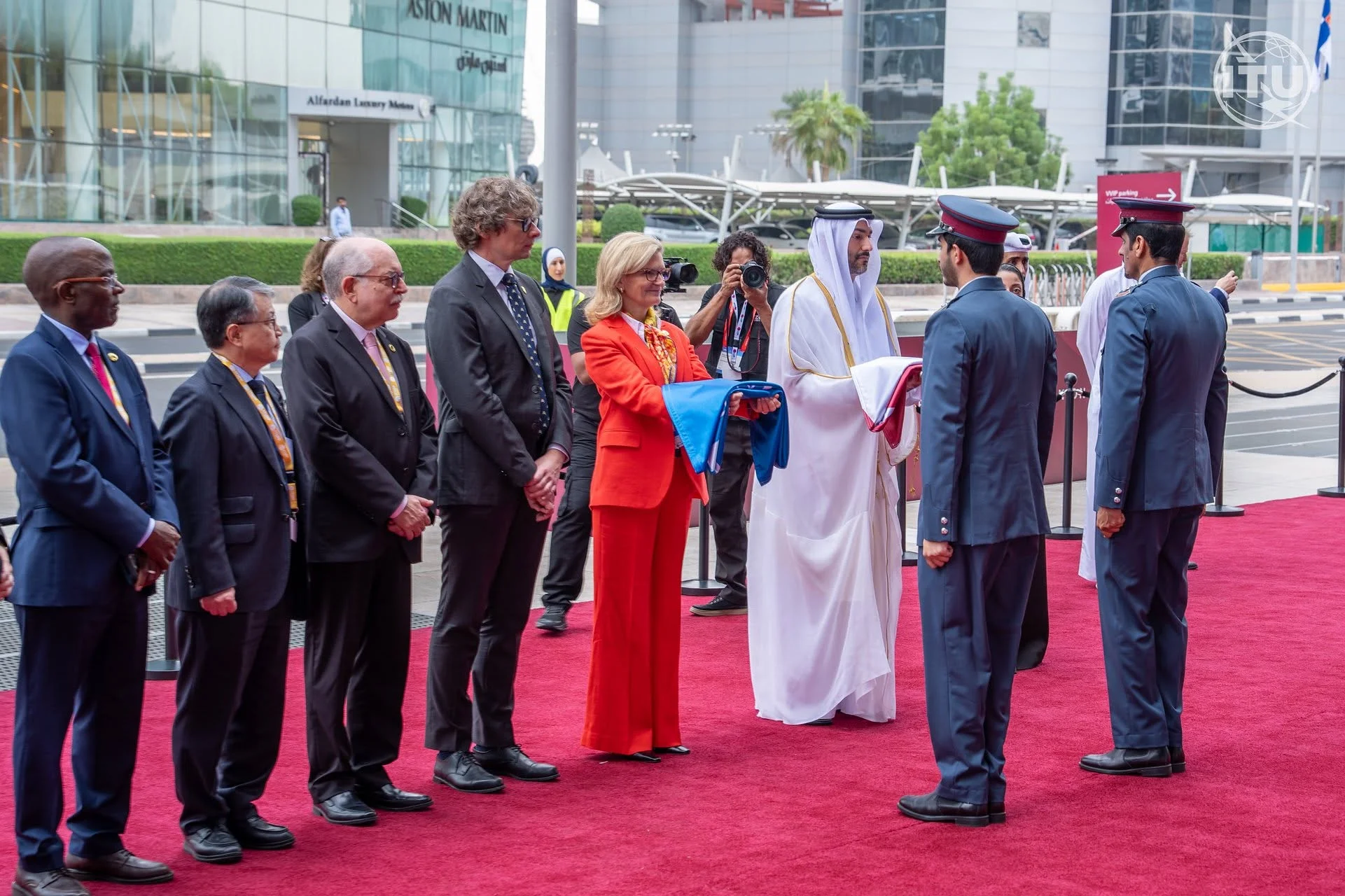
PP-26 also requires a separate entry process for international participants. Delegates must first complete conference registration and receive confirmation from ITU. They then use a unique registration code to complete Qatar’s Host Country registration through the Hayya system. International participants require a valid Hayya Entry Permit before travelling to Qatar.
Badge collection is another major operation. PP-26 registration desks opened three days before the conference itself to reduce pressure on the first morning. Participants must collect their badges personally at DECC and provide their passport, Hayya documentation and proof of conference registration. A photograph is then taken for the conference badge.
Registration desks remain open throughout most of the 19-day event. This creates a different operational model from shorter conferences, where registration activity usually drops sharply after the opening day. With government representatives, replacement delegates and different working groups moving through the conference, participant management continues across the full program.

Bilateral Meetings Add Another Layer of Demand
The official conference program is only one part of PP-26. Government delegations also use the event for private bilateral meetings. DECC therefore includes dedicated rooms that can be reserved for delegation meetings and discussions connected to the conference. Demand is controlled through specific booking rules.
Each delegation can reserve up to two non-consecutive one-hour meeting slots per day. Rooms are allocated on a first-come, first-served basis, while official conference committees and working groups receive priority. The restrictions show how valuable smaller meeting rooms become during a large diplomatic event. A convention center may have enough space for thousands of delegates in plenary sessions, but hundreds of smaller conversations can create a different capacity challenge.
For organizers, this means venue planning cannot focus only on the largest halls. Breakout rooms, private meeting spaces, security-controlled areas and informal networking spaces can be just as important. PP-26 also includes dedicated VIP facilities for senior government representatives, adding another layer of access control and protocol management.
Two Major Events Shared the Venue
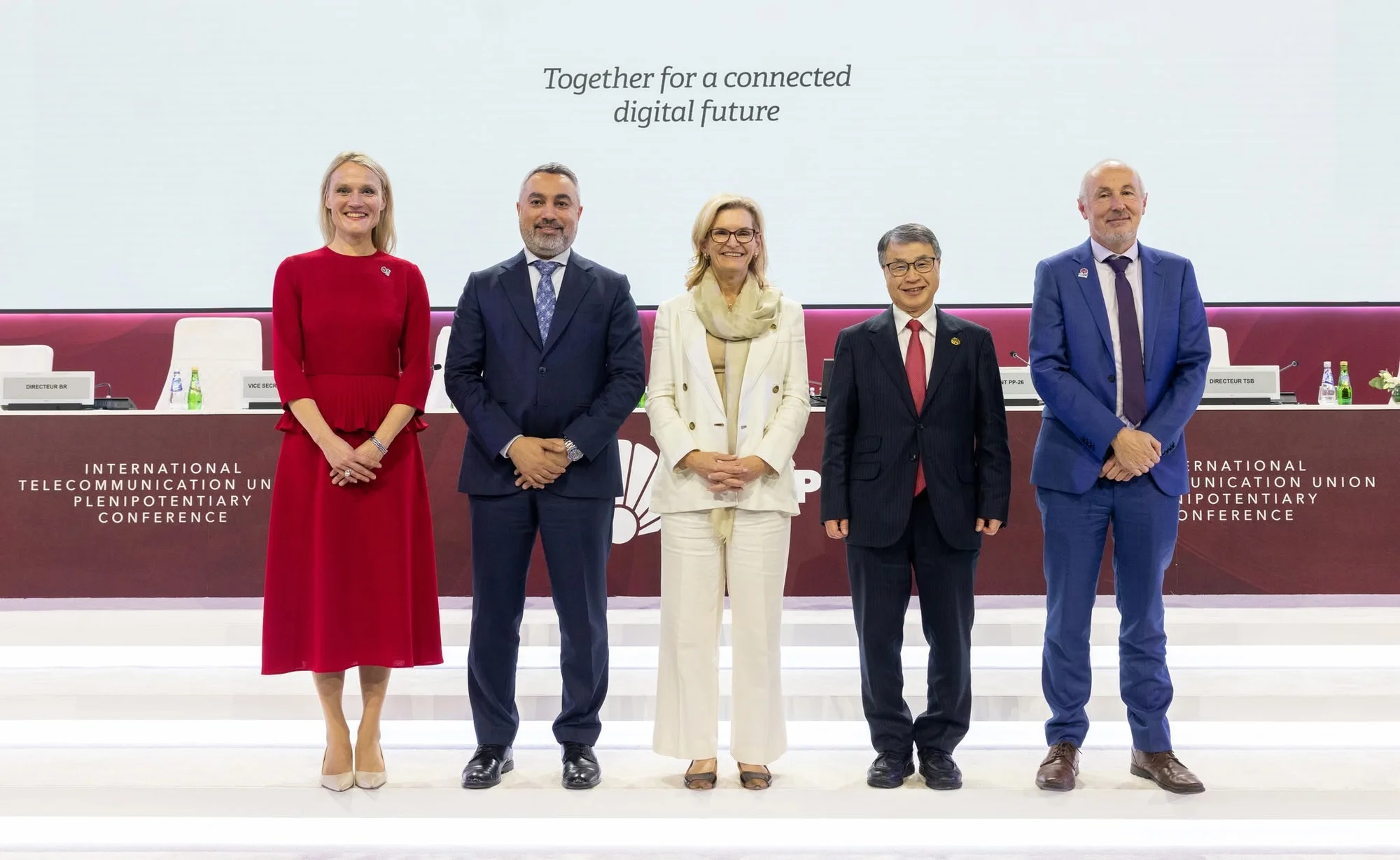
The opening days added another challenge. MWC26 Doha took place at the same venue from November 8 to 10, overlapping with the first two days of PP-26. The two events were intentionally co-located to bring government delegations, technology companies and industry leaders into the same location. A joint ministerial program ran from November 8 to 11.
For DECC, however, that meant managing two major international events at the same time. Exhibition traffic, ministerial delegations, technology companies and ITU participants all shared the wider venue environment during the opening period. Co-location can create additional value for organizers because audiences can connect across events.
It can also increase pressure on security, transport, catering, meeting rooms and delegate movement. For venues, this type of overlap requires detailed planning long before doors open.
Long Conferences Change the Hospitality Equation
A 19-day conference also creates a very different visitor pattern from a standard three-day convention. Delegates may remain in Doha for several weeks rather than several nights. That creates longer demand for hotel rooms, restaurants, transport and other destination services.
It also changes what delegates need from the destination. Convenient hotel locations and public transport become more important when participants are making the same journey every day. Food, meeting spaces and opportunities to work outside official sessions can also become more important during a longer stay.
For destinations, long-duration conferences can therefore generate significant visitor activity even when attendance is smaller than a major exhibition. Three thousand delegates staying for several weeks can create a very different economic footprint from 20,000 visitors attending for one or two days. The operational pressure is also longer. Hotels, transport systems, venue staff and event suppliers need to maintain the same service level throughout the full program rather than preparing for one peak weekend.