

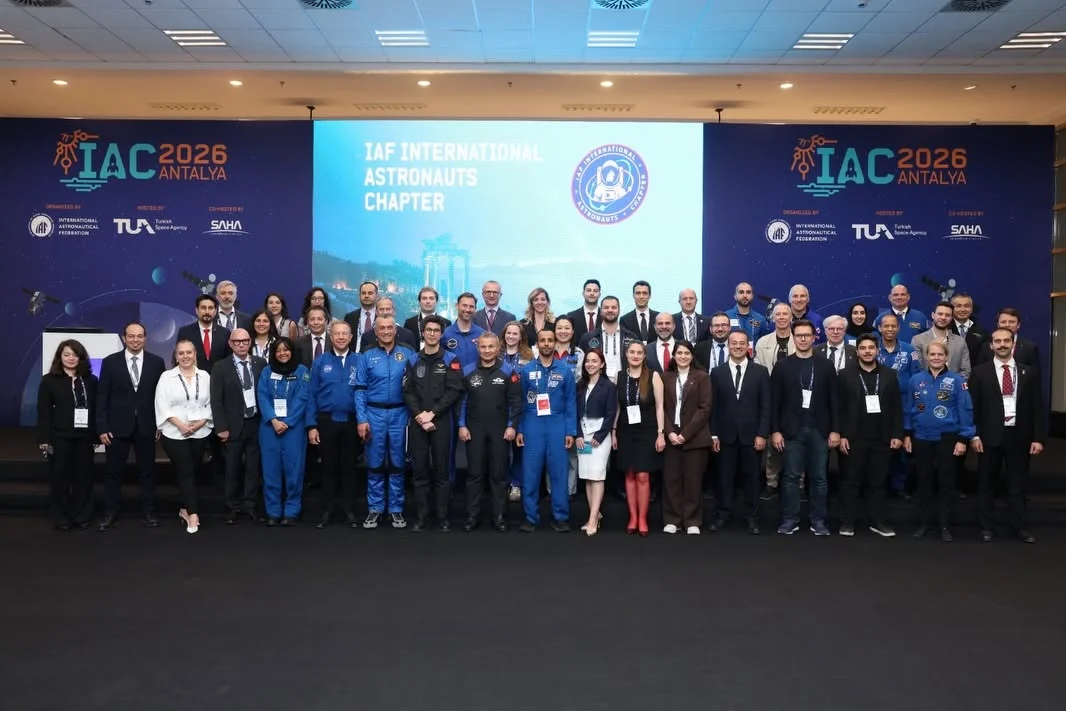
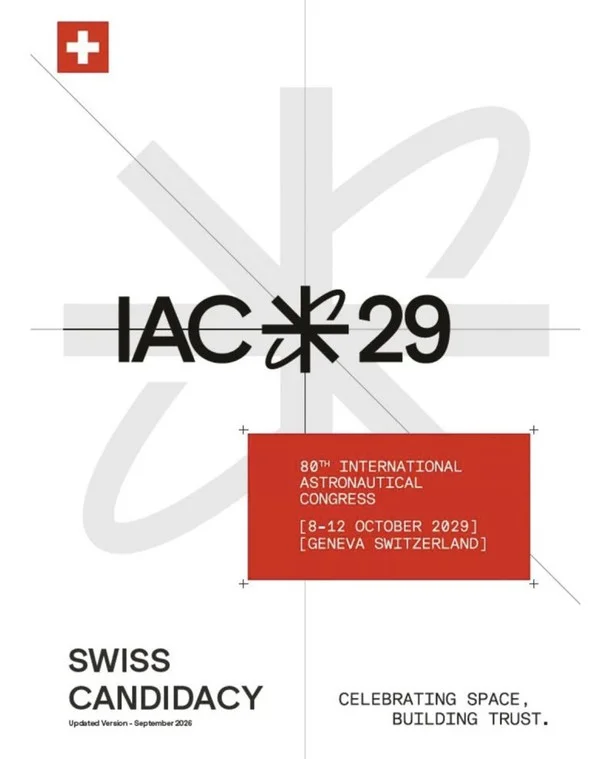
Geneva has won the right to host the International Astronautical Congress in 2029, bringing one of the world’s largest space industry gatherings to Palexpo. The 80th edition of the congress will take place from October 8 to 12, 2029, with more than 10,000 representatives from space agencies, companies, research institutions, governments and universities expected to attend.
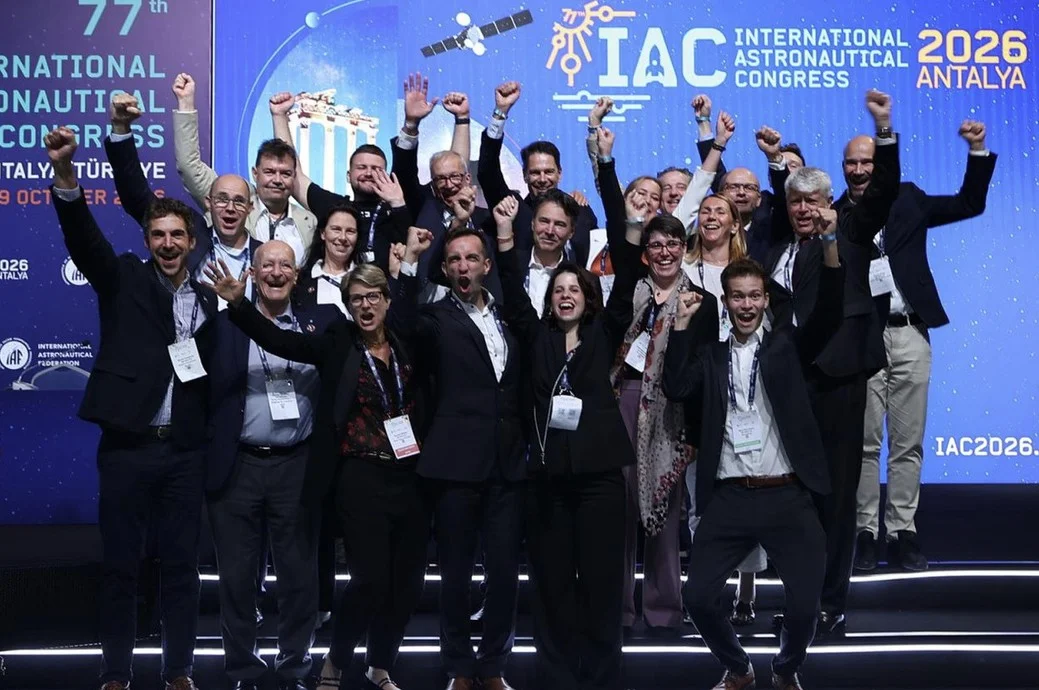
Geneva was selected ahead of competing bids from Barcelona and Houston. The final host decision was made by the International Astronautical Federation during the 2026 congress in Antalya. The 2029 edition will be held under the theme “Celebrating Space, Building Trust.” Alongside its scientific and commercial program, Geneva plans to use the congress to create a longer-term connection between the global space sector and the city’s diplomatic community.
That work will be developed through the Geneva Initiative for Space Diplomacy, a legacy project planned around the congress. The event will also arrive during a symbolic year. The 2029 congress will mark the 80th edition of IAC and coincide with the 60th anniversary of the Apollo 11 Moon landing. For Geneva, the win adds another large international congress to a destination already known for diplomacy, science and global organizations.
Palexpo Will Host More Than 10,000 Space Professionals
The congress will take place at Palexpo, located beside Geneva Airport. The venue offers 106,000 square meters of flexible space across seven pillar-free halls, as well as 29 conference rooms with a combined seating capacity of 5,000. That scale will allow IAC to combine scientific sessions, exhibitions, meetings and networking within the same venue.
The congress brings together almost every part of the global space sector. Space agencies attend alongside aerospace companies, start-ups, researchers, scientists, universities, government representatives and astronauts. The International Astronautical Federation says recent editions have attracted between 5,000 and 12,000 participants, with students and young professionals representing more than 40% of attendees. Geneva expects the 2029 edition to pass the 10,000-participant mark.
The exhibition will also open to the public on the final day, giving local visitors access to companies, institutions and organizations taking part in the congress. Palexpo’s location is another important part of the bid. The venue sits close to Geneva Airport and around 10 minutes from the city centre, making international access easier for an event bringing delegates from around the world.
Geneva Won Against Barcelona And Houston
The competition to host the 2029 congress included several major international destinations. Geneva submitted its bid through Swissmem and the Swiss Space Office, while Barcelona was represented by the Spanish Space Agency and Houston by the American Institute of Aeronautics and Astronautics. Muscat had also entered the process before later withdrawing its bid.
The selection process included bid submissions, site inspections and final presentations before the host was chosen in October 2026. Geneva’s campaign involved national and regional partners from government, industry, science and tourism. The Geneva Convention Bureau worked alongside the Swiss Space Office, Swissmem, the Swiss Space Industries Group, the Federal Department of Foreign Affairs and other institutions. Local partners included the Canton of Geneva, Geneva Science and Diplomacy Anticipator, K.I.T. Group Switzerland and organizations from the neighbouring Canton of Vaud. The broad partnership became an important part of Geneva’s bid. Rather than presenting IAC only as a large conference, the city connected the event with its wider role in international cooperation, science and diplomacy.
The Congress Is Designed To Leave A Legacy
The Geneva Initiative for Space Diplomacy is intended to continue that work beyond the five days of the congress. Geneva already hosts a large network of United Nations agencies, international organizations and diplomatic missions. The 2029 IAC will create an opportunity to bring that community closer to the global space sector.
Issues such as space sustainability, international regulation, satellite infrastructure and future exploration increasingly require cooperation between governments, scientists and private companies. Geneva wants to use its position as a diplomatic centre to support those discussions. This gives the congress a legacy goal that goes beyond delegate numbers or visitor spending.
The aim is to create new relationships between organizations that may not normally meet at the same event. The Geneva Science and Diplomacy Anticipator has also been involved in developing this part of the bid. For convention destinations, this type of legacy planning is becoming increasingly important. Major associations and congress organizers are looking not only at venue capacity and hotel supply, but also at what a host city can add to the subject of the event. A medical congress may benefit from a strong research ecosystem. A technology event may look for access to companies and universities. For IAC, Geneva is using diplomacy as part of its destination offer.