

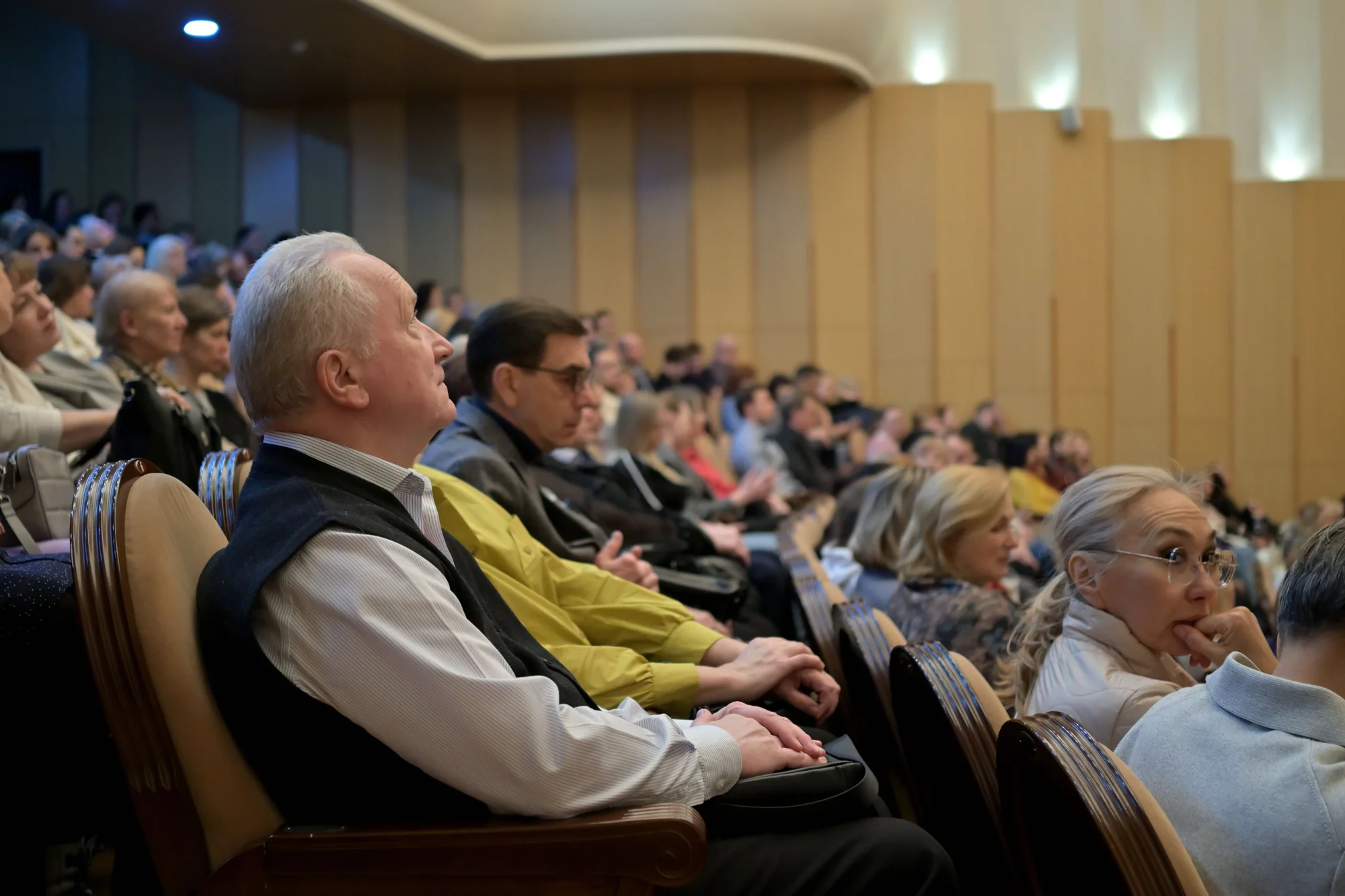
Meeting planners are changing how events are designed as different generations bring different expectations into the same conference room. More than 75% of respondents to Convene’s 2026 Meetings Market Survey said they are designing events for a multigenerational workforce. The shift is already affecting event programs.
Thirty percent are adding more intentional networking opportunities, while more than 20% are increasing the number of interactive sessions. The findings suggest planners are paying more attention to what happens after attendees enter the venue, rather than focusing only on registration and attendance numbers. The survey was conducted among experienced meetings and events professionals. Sixty percent of respondents work as event planners and organizers, while 34% are suppliers. Almost half work for associations.
Most also have long careers in the industry. More than 60% have over 20 years of professional experience. Despite that experience, planners are dealing with an audience that is changing quickly. Younger professionals are entering conferences and business events while older generations remain active in the workforce. That means the same event may need to serve attendees with very different habits, expectations and reasons for participating. For organizers, the challenge is no longer simply getting people into the room. It is creating an event where different types of attendees can find value once they arrive.
Networking Is Becoming More Intentional
Networking is one of the clearest areas where event design is changing. Thirty percent of respondents said they are adding more intentional networking to their events. This moves away from the traditional model where organizers simply create a coffee break, reception or networking area and expect conversations to happen naturally. More structured formats can include smaller discussion groups, matchmaking, hosted introductions, topic-based tables and scheduled meetings.
These formats can be useful for younger attendees who may be entering an industry for the first time and do not yet have established professional networks. At the same time, experienced attendees may want networking that is more targeted and efficient. This creates a difficult balance. Some participants may prefer informal social interaction, while others want clear reasons and structures for meeting new people. The survey suggests planners are responding by treating networking as part of the event design rather than something that happens between sessions.
That also makes networking more measurable. Organizers can look at how many meetings take place, which sessions create the strongest interaction and whether participants are connecting with the people they came to meet. For business events, this can become an important measure of value. An attendee may forget a presentation but remember a meeting that leads to a new client, partnership or business opportunity.
Interactive Sessions Are Growing
More than one in five respondents are also adding more interactive sessions to their programs. The change reflects a wider move away from long periods of passive listening. Traditional keynote speeches and panel discussions remain important, but many organizers are mixing them with workshops, roundtables, audience participation and smaller learning formats. Different generations may also have different levels of comfort with these formats.
Some attendees are used to formal conference structures built around presentations. Others may expect more participation, shorter sessions and opportunities to respond or contribute. Rather than choosing one format for everyone, planners are increasingly mixing several types of sessions within the same program. A large keynote can be followed by smaller discussions.
A panel can include audience questions or live polling. Educational sessions can move into workshops where attendees apply what they have just learned. This gives participants more control over how they experience the event. It can also help organizers create different levels of engagement throughout the day. That becomes particularly important when conferences are competing with the amount of digital information people can access without travelling.
If attendees can watch presentations online, an in-person event needs to offer something that is harder to reproduce through a screen. Interaction and human connection are becoming part of that value.
Attendance Is Still Growing
The changes are happening while planners remain generally positive about attendance. Thirty-eight percent of respondents said attendance increased at their most recent events, while more than 40% said it remained stable. Looking ahead, 45% expect attendance to increase during the next year and 36% expect it to remain at current levels. That means most respondents are not preparing for a major decline in face-to-face meetings.
Instead, they are looking at how the experience can improve as audiences change. This is important because attendance alone does not show whether an event is successful. A conference may attract more people but still struggle if attendees cannot make useful connections, find relevant content or participate in ways that suit them. The survey suggests organizers are paying more attention to these questions. Quality of engagement is becoming more important alongside the number of registrations.
For venues, this could also influence space requirements. A program with more workshops and networking may need additional breakout rooms, flexible furniture and areas where small groups can meet. Large ballrooms remain important, but event layouts may increasingly need to support movement between different formats throughout the day.
Different Generations Do Not Need Separate Events
Designing for several generations does not necessarily mean creating completely different experiences for each age group. Many attendee expectations overlap. People across generations want useful content, easier networking and a clear reason for spending time and money to attend an event. The differences may appear more in how they want to access those things.
Some attendees may prefer structured introductions. Others may naturally build their own networks. Some may value longer technical sessions, while others respond better to shorter and more interactive formats. The challenge for planners is therefore flexibility. An event can provide several ways to learn, meet people and participate without dividing the audience into separate groups.
This approach can also help avoid assumptions based only on age. Professional experience, job role, personality and reason for attending can affect event expectations just as much as generation. For organizers, understanding those different motivations can be more useful than simply designing a “Gen Z session” or a separate program for senior professionals.