

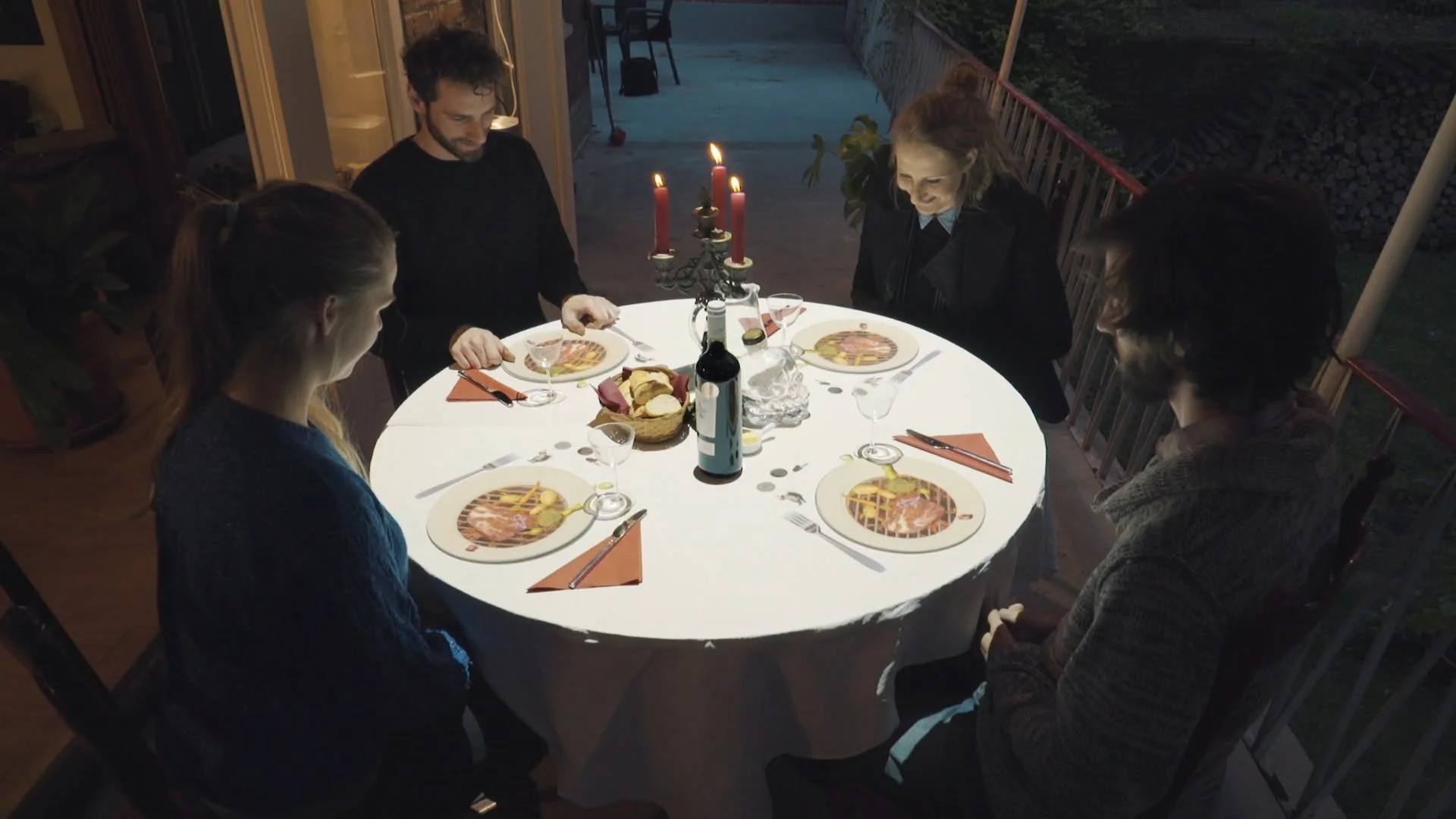
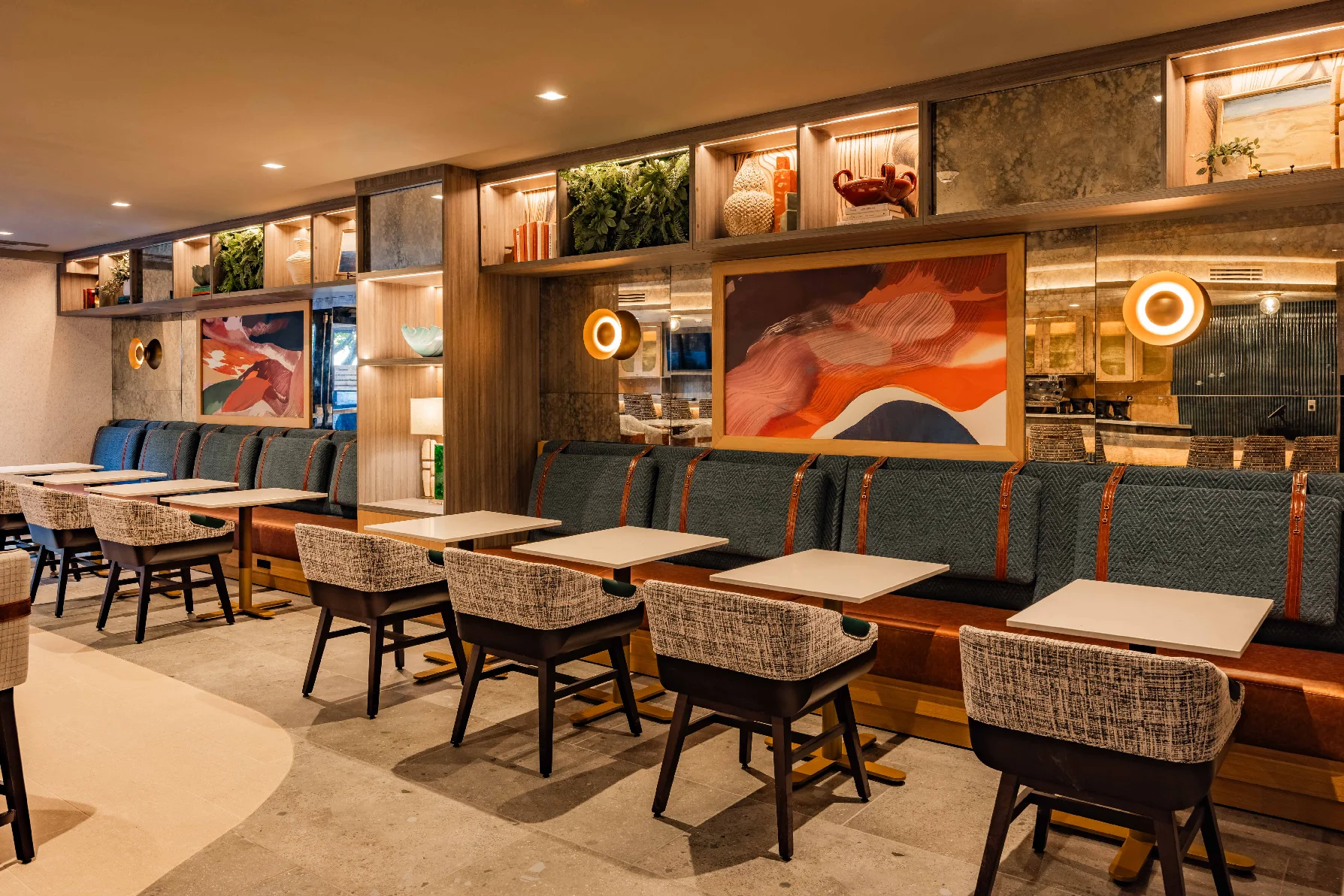
A new airport hotel in Portland is turning dinner into part of the entertainment. The Mindaro, a JdV by Hyatt hotel near Portland International Airport, has opened with Le Petit Chef, an immersive dining experience where a miniature 3D chef appears directly on the table before each course is served. The experience is offered inside Jawfish Restaurant and marks the first Le Petit Chef location in Oregon.
Using 3D projection, the tabletop becomes part of an animated story. Guests watch the miniature chef prepare and interact with oversized ingredients before the real version of each course arrives. The experience lasts around two hours and combines the projection show with a multi-course menu. Shows are currently held from Thursday to Sunday and require advance reservations. But Le Petit Chef is only one part of a wider hospitality concept.
The Mindaro forms part of a connected campus that combines two hotels, dining, meeting facilities and event space close to Portland International Airport. The campus includes the 90-room Mindaro hotel, Hyatt House Portland Airport with 112 rooms, Jawfish Restaurant and The Mindaro Event Center. Together, the properties are designed to serve leisure travelers, business guests, meetings and social events within the same location.
The Table Becomes Part Of The Show
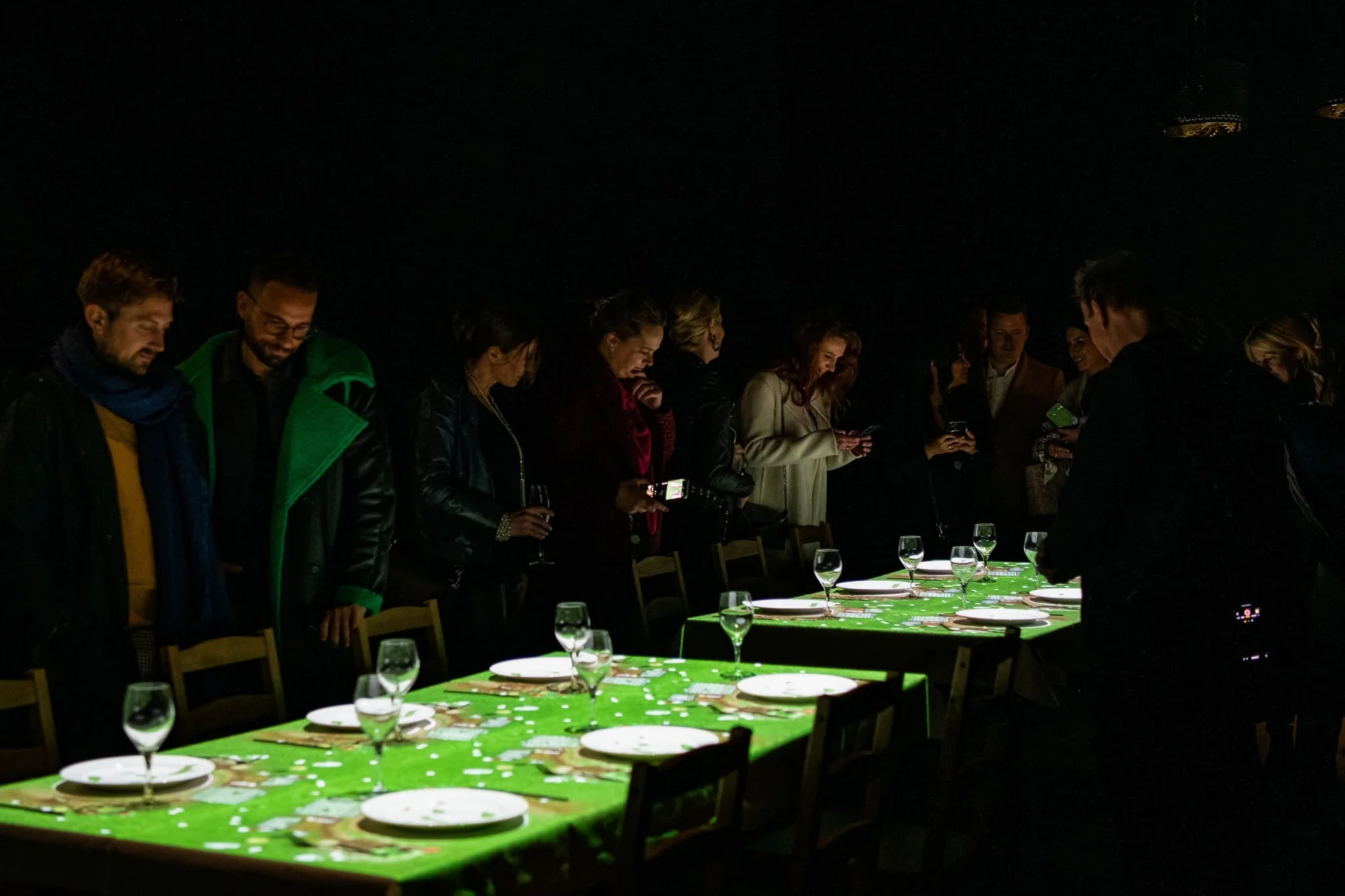
Le Petit Chef is built around the idea of making the meal itself part of a visual experience. The current Portland production, Le Petit Chef: The Beginning, follows the animated chef through a series of culinary scenes. The table changes into different 3D environments as the story develops, while the character appears to prepare each dish before it reaches the guest.
The visual show remains synchronized with the meal, so guests at each table follow the same sequence at the same time. This type of dining experience reflects a wider hospitality trend where restaurants are adding entertainment, technology and storytelling to the traditional meal. For hotels, this can create another reason for guests to spend time on the property even when they are not attending a meeting or staying overnight. It can also turn a restaurant into something that attracts local visitors as well as hotel guests. In Portland, Jawfish Restaurant serves as both the home of Le Petit Chef and the catering provider for meetings and events across The Mindaro campus. This gives the restaurant two different roles: public dining and event hospitality.
More Than 8,000 Square Feet Of Event Space
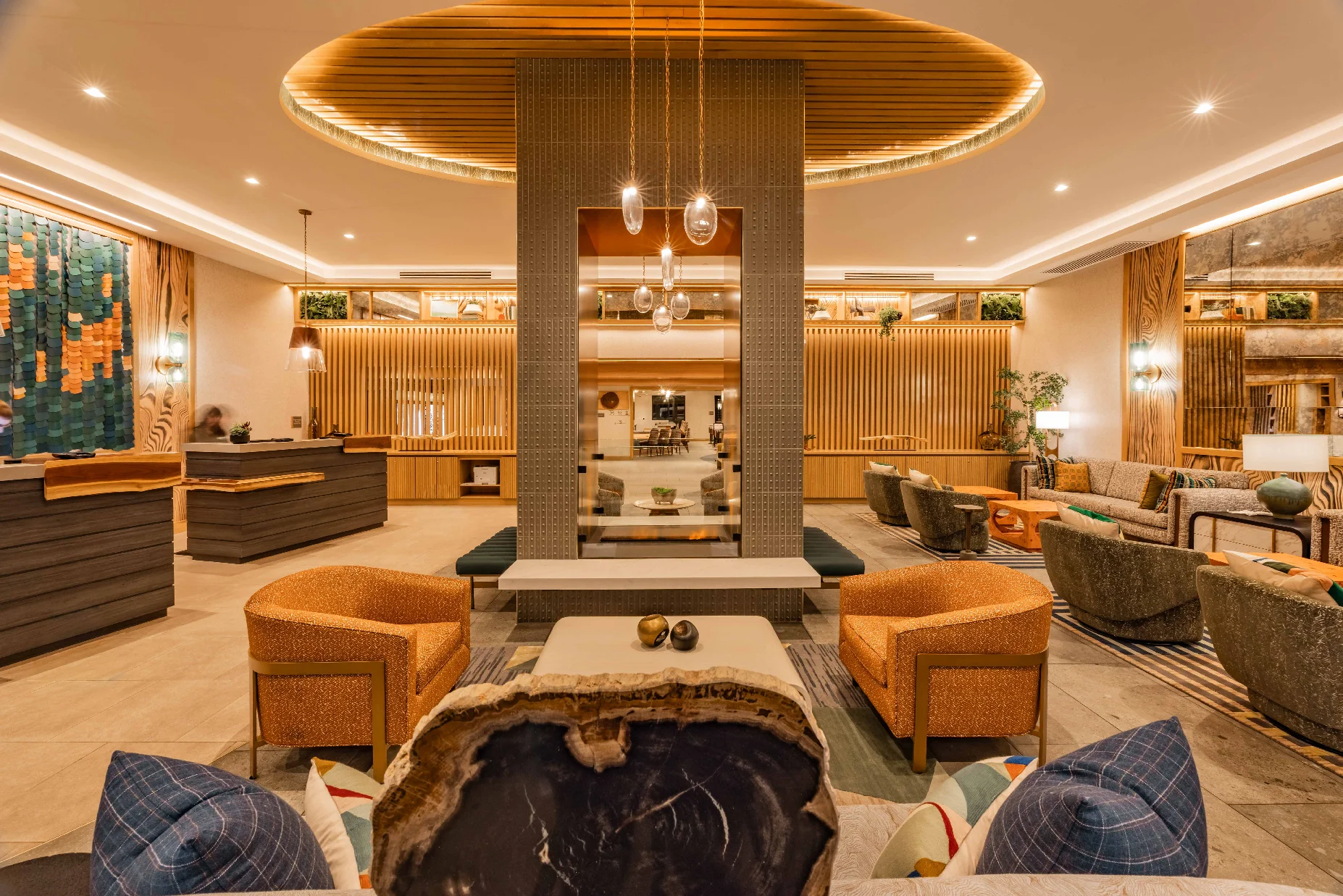
The Mindaro Event Center adds the MICE element to the development. The venue offers more than 8,000 square feet of flexible meeting and event space. Its largest room is a 5,300-square-foot ballroom, supported by the divisible Willamette Room of more than 2,000 square feet and two dedicated boardrooms. The spaces can host executive meetings, corporate training programs, conferences, gala dinners and social celebrations. The combination of hotel rooms, dining and meeting facilities is designed to allow groups to keep most parts of an event within one campus.
The Mindaro has 90 guestrooms, while the neighbouring Hyatt House adds another 112 rooms, including 73 apartment-style suites with kitchens. For corporate groups, this creates more than 200 rooms within the development. Jawfish can also provide catering for events held at the center, connecting accommodation, food and meeting operations. Location is another advantage. The campus sits close to Portland International Airport and offers 24-hour airport transportation, making it particularly suitable for groups with delegates arriving from different destinations.
Airport Hotels Are Becoming More Experience-Led
Airport hotels have traditionally competed through convenience. They offered rooms close to terminals, shuttle services and meeting rooms for travelers who needed a practical place to stay or gather. The Mindaro model adds another layer to that formula. Instead of treating accommodation, dining and events as separate products, the campus connects them under one hospitality concept.
Le Petit Chef adds an experiential element that would normally be associated with a city-center entertainment or dining district rather than an airport hotel. That could be useful for meeting planners looking for activities that do not require transporting delegates to another part of the city. A corporate group could hold meetings during the day, host dinner inside the same campus and return to hotel rooms without leaving the property.
The same setup can also work for social events where accommodation and dining need to remain close to the event venue. This does not make a 3D dinner show a replacement for traditional event programming. But it shows how hospitality properties are looking for more ways to keep guests engaged beyond the meeting room.