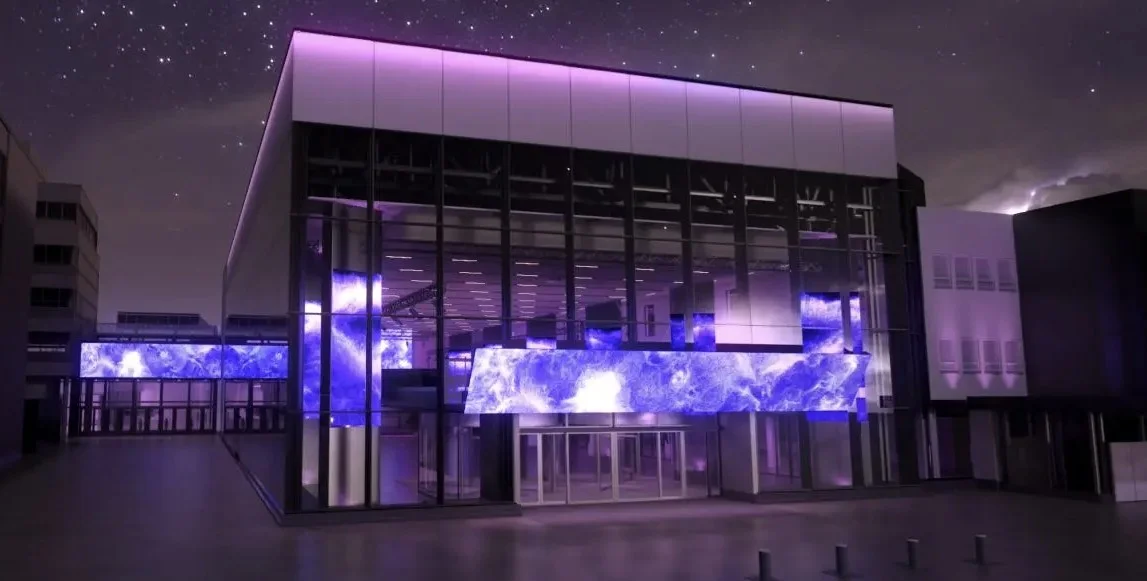


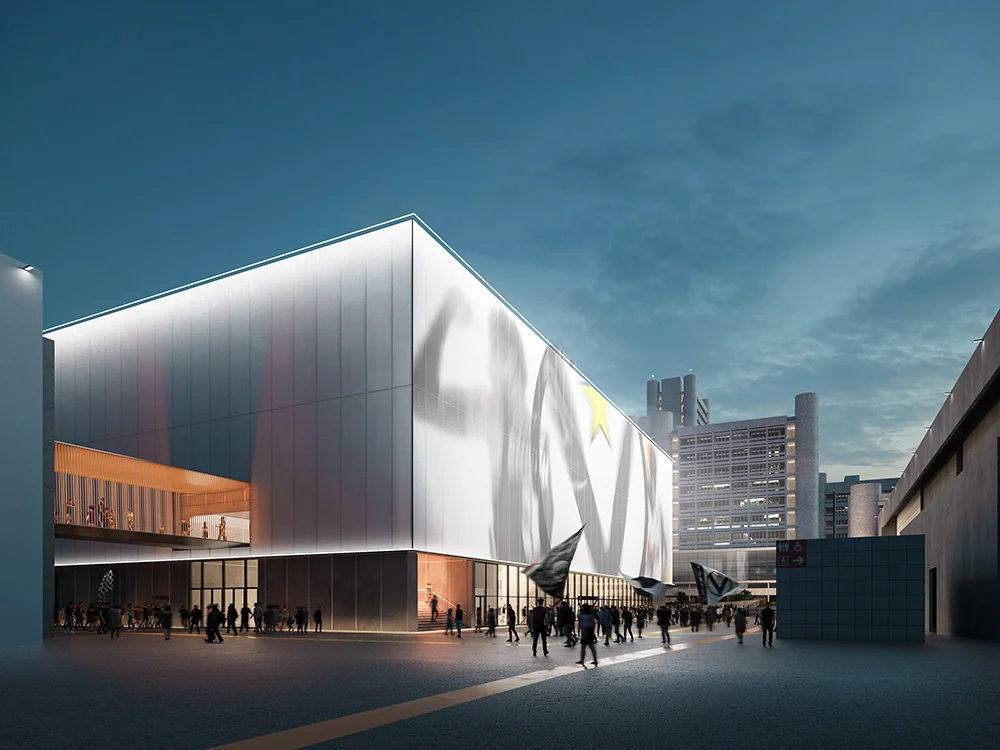
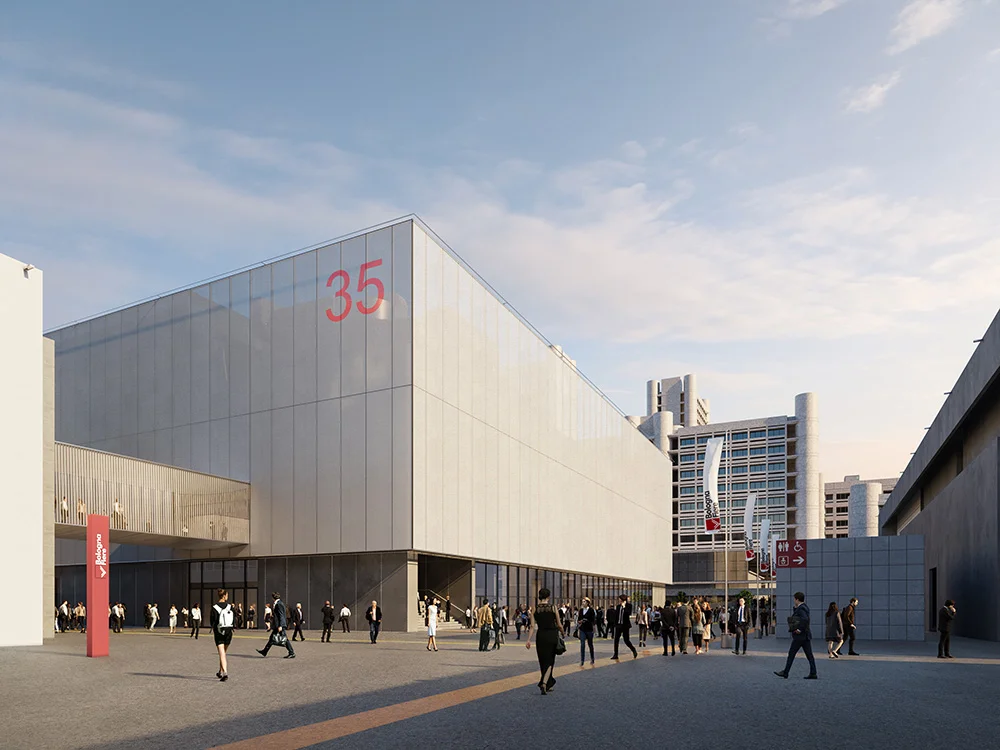
BolognaFiere has opened a new multifunctional hall designed to host everything from trade shows and conferences to sporting events and concerts. The new venue made its first public debut during EIMA International 2026, one of Bologna’s biggest international exhibitions. Built with an investment of more than €75 million, the hall is part of BolognaFiere’s wider redevelopment plan to increase exhibition capacity and strengthen the district’s position in the international events market.
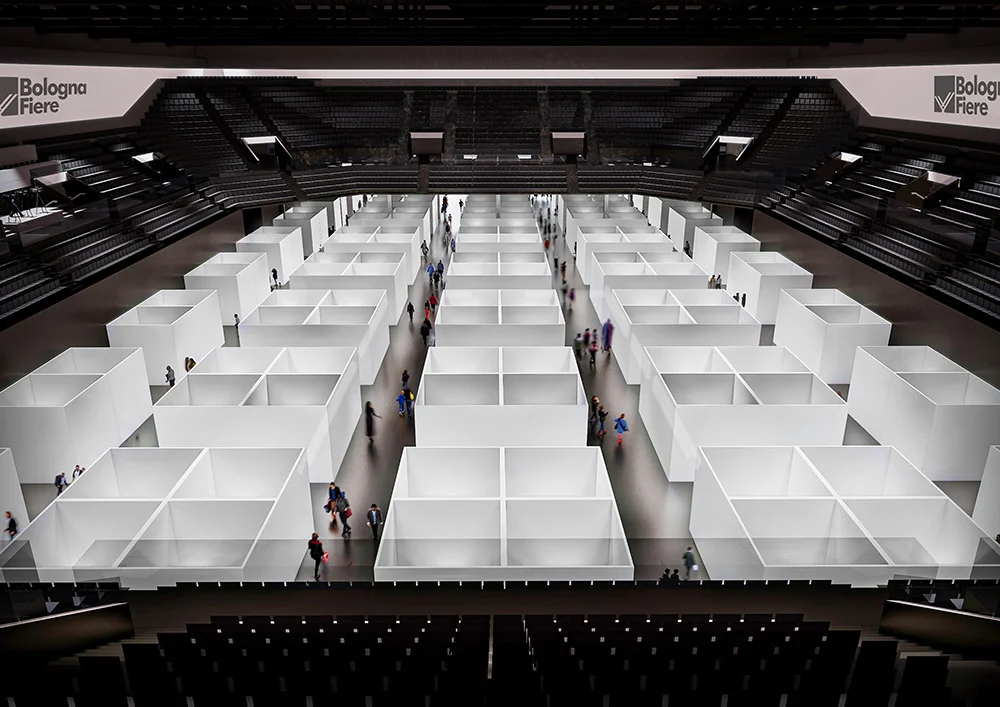
The project was designed by MCA – Mario Cucinella Architects and replaces the former Hall 35. What makes the new building stand out is its flexibility. The venue has around 12,000 square meters of floor space, a height of 25 meters and a maximum capacity of up to 12,000 people, depending on how it is configured. That means it can work as an exhibition hall for trade fairs and, at other times, as a large venue for conferences, sport, shows or concerts. For BolognaFiere, the investment is not only about adding space. It is also about creating a venue that can generate business across more parts of the events industry throughout the year.
One Venue, Several Event Formats
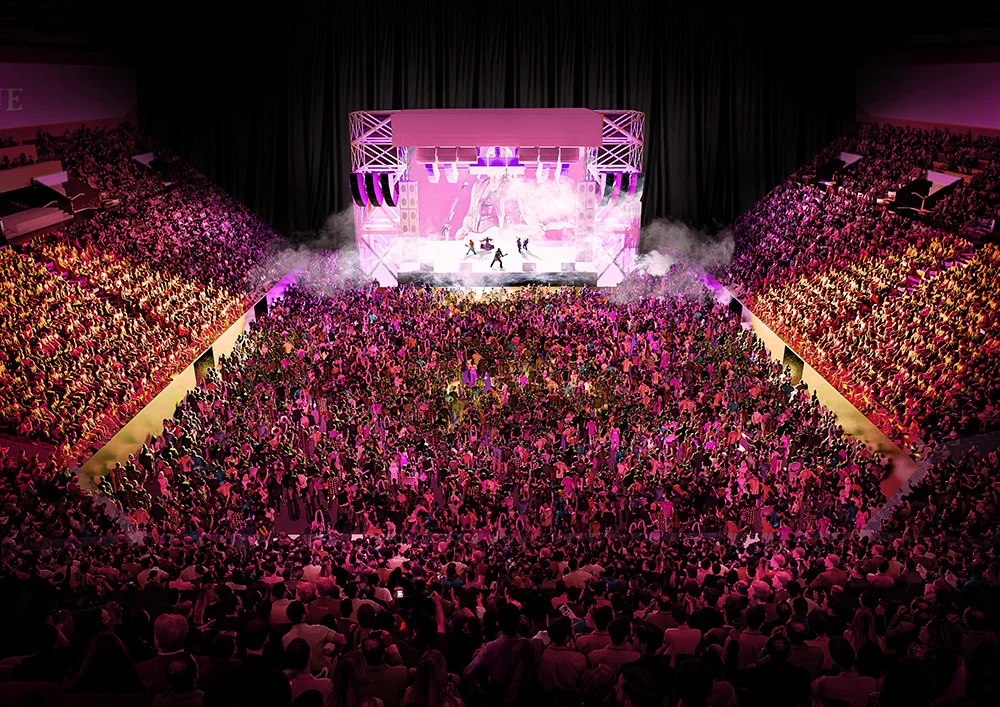
The new hall has been designed to change according to the needs of the event. BolognaFiere says the venue includes retractable telescopic seating, integrated services, hospitality areas, VIP lounges and a Sky Terrace. This allows the building to adapt to different formats instead of being used in only one fixed way. For trade fairs, it can operate as a large exhibition environment.
For congresses and conferences, it can support large plenary sessions or general assemblies. For live entertainment and sport, it can be reconfigured for audience seating and show production. This kind of flexibility is becoming more important for venue operators. Large halls are expensive investments, and buildings that can serve several markets are often better placed to generate revenue year-round.
Instead of creating a venue limited to one sector, BolognaFiere is adding infrastructure that can support business events, public events and entertainment under the same roof. That also gives the exhibition district more options when organizers need a space larger than a traditional conference venue but more adaptable than a standard trade fair hall.

EIMA Gave The Hall Its First Showcase
The hall opened during EIMA International 2026, which runs from November 10 to 14. That gave BolognaFiere a strong launch platform for the new venue. According to BolognaFiere, this year’s EIMA brings together 1,800 exhibiting companies, including 650 international exhibitors from 45 countries, and attracts professional operators from 150 countries. The 2026 edition also uses expanded exhibition space, including the Nuvolari area and two additional halls.
By opening the new hall during one of its flagship exhibitions, BolognaFiere linked the investment directly to the growth of large international trade shows. The move also highlights how venue development and event growth often depend on each other. A successful exhibition needs room to expand. At the same time, a venue operator strengthens its business by providing the extra space and flexibility needed for that expansion. BolognaFiere described the debut as part of a shared long-term growth strategy with EIMA organizer FederUnacoma.
That is an important point for the wider MICE market. Venue investment is strongest when it is connected to real demand from events that already have the scale and international reach to use new infrastructure effectively.
BolognaFiere Is Building For More Than Trade Shows
The hall also reflects a wider shift in how exhibition districts position themselves. Traditional fairgrounds are no longer competing only on the number of halls they operate. They are also competing on flexibility, year-round use and the ability to host different event types. BolognaFiere is clearly moving in that direction.
The new building is meant to support not only exhibitions such as EIMA International, Cersaie and Cosmoprof Worldwide Bologna, but also new opportunities in conferences, culture, sport and entertainment. That gives the venue a broader commercial role inside the district. It also strengthens Bologna’s position as a city for major events. A hall that can move between B2B trade fairs and large audience events gives the city more tools when competing for international business and live productions. From a design point of view, BolognaFiere says the project was developed around energy efficiency and waste reduction. The architectural approach combines contemporary design with practical event functionality, aiming to create a building that can evolve over time rather than one locked into a single purpose.