

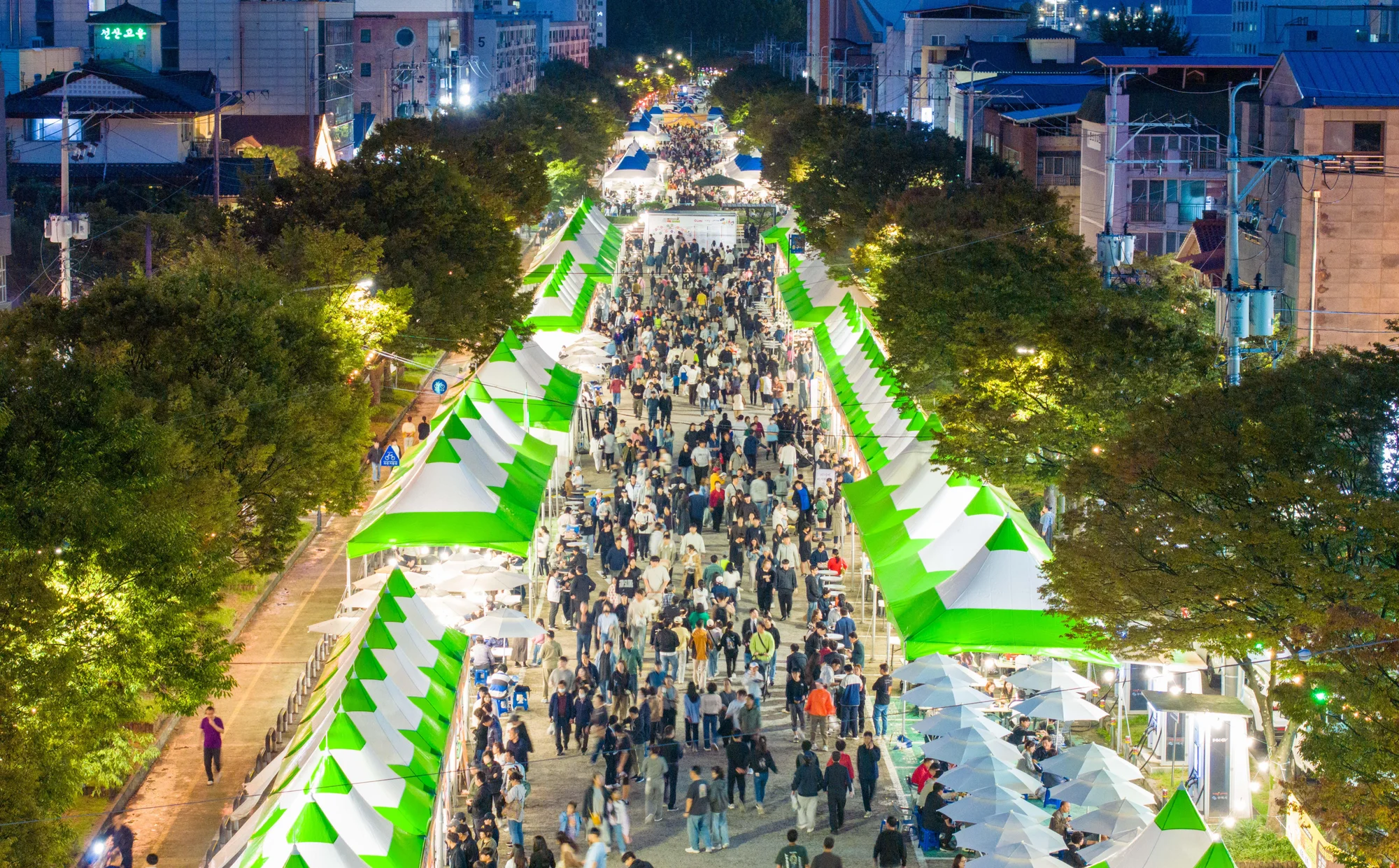
Gumi is better known as one of South Korea’s major industrial cities than as a tourism destination. But over the past few years, the city has found an unusual way to turn one part of its manufacturing identity into a visitor attraction: instant noodles. The Gumi Ramyun Festival is taking place from November 6 to 8 across the old city centre around Gumi Station. The event connects food, local businesses, tourism and the city's industrial base through one product that already has global recognition.
Gumi is home to a major Nongshim ramyun factory, giving the festival a direct connection with local production rather than simply using Korean food as a theme. The city has taken that industrial link and built a growing event around it. The numbers have changed quickly. The festival attracted around 80,000 visitors in 2023, rising to 170,000 in 2024 and 350,000 in 2025. In only two years, attendance more than quadrupled.
Last year's event also sold around 480,000 packs of freshly produced ramyun, while festival restaurants served approximately 54,000 bowls of ramyun dishes, generating around KRW 600 million ($420,000) in food sales. But the more interesting story is not simply that hundreds of thousands of people came to eat noodles. Gumi has built the festival into a citywide tourism product, using streets, markets, restaurants and public spaces rather than placing the entire event inside a closed festival ground.
The Factory Became Part Of The Destination Story
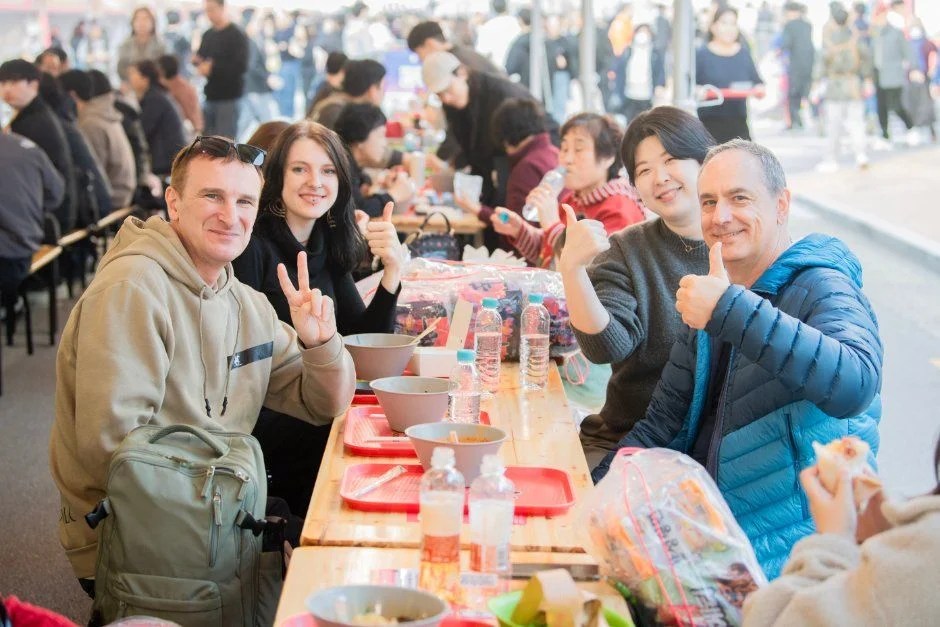
Many food festivals begin with a regional dish or local agricultural product. Gumi's starting point is different. Its connection with ramyun comes from manufacturing. The city is home to Nongshim's Gumi factory, part of the industrial base that has long shaped Gumi's economy. Rather than keeping that identity separate from tourism, the city has turned production into part of the festival story.
One of the event's signature products is freshly fried ramyun. Visitors can experience noodles closely connected to the local production process, giving the festival something that is difficult to reproduce in another city. That sense of place matters. A generic food festival can be moved almost anywhere. Gumi's version works because there is a reason for ramyun to be associated with the city itself.
South Korea's Ministry of Culture, Sports and Tourism describes the festival as a project connecting industry, food culture, tourism and local commerce. That combination is now becoming the foundation of Gumi's tourism identity. The city has also created permanent ramyun content beyond the festival period. Gumi Ramyun Station 475, opened near Gumi Station, extends the theme into a year-round visitor experience. This helps move the strategy beyond a three-day event. Instead of asking visitors to remember Gumi only during festival weekend, the city is trying to make ramyun part of its permanent destination image.
The Festival Has Moved Into The City Centre
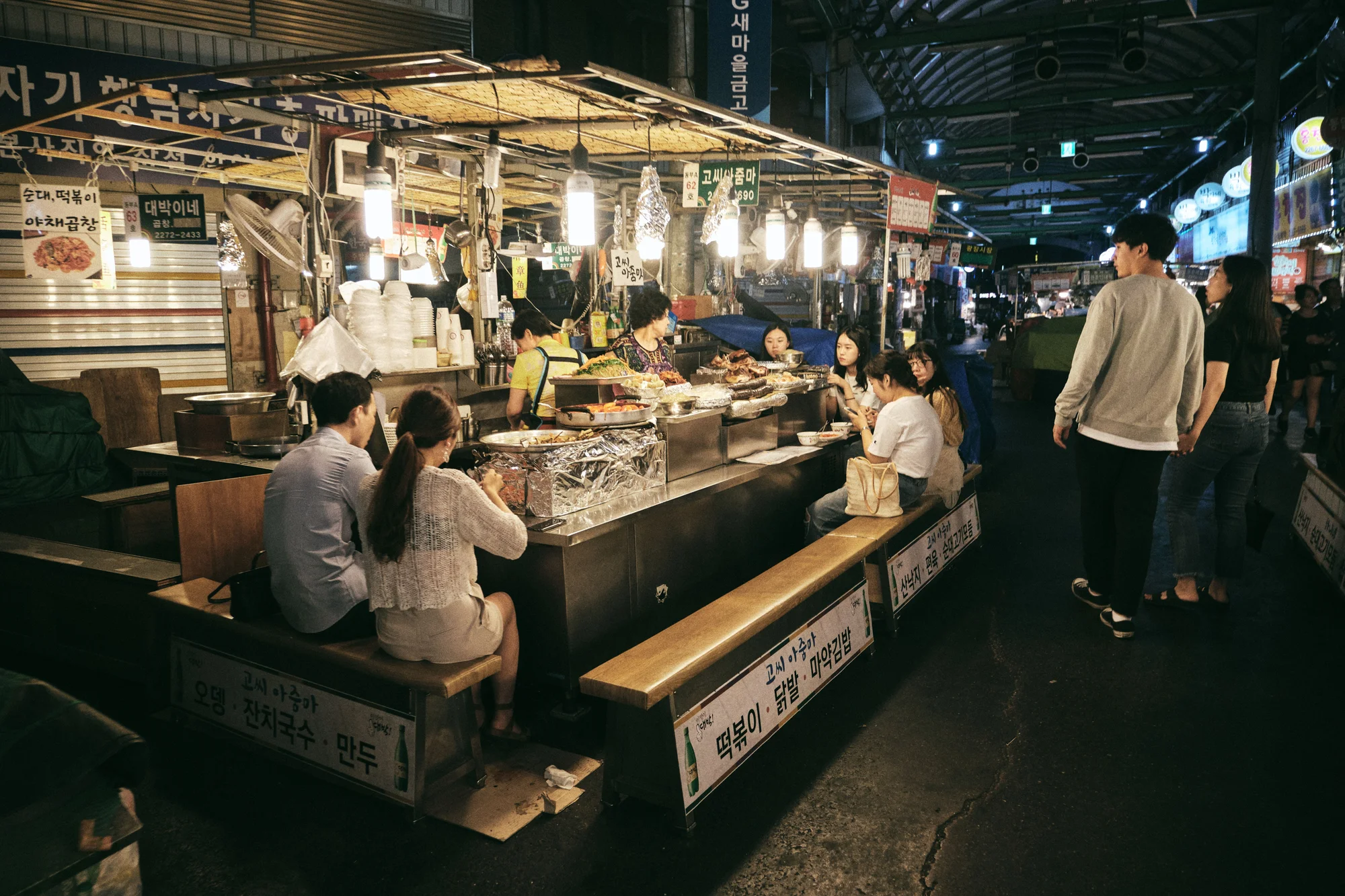
Location has played an important role in the festival's growth. The event was previously held away from the main urban area, but Gumi later moved it into the streets around Gumi Station and connected it with nearby shopping districts, traditional markets and restaurant areas. The 2026 edition spreads across Gumi Station, Yeokjeon-ro, Munhwa-ro, Geumridan-gil and Saemaeul Central Market.
This turns existing parts of the city into event infrastructure. Restaurants and local businesses can participate directly, while visitors naturally move between festival areas and permanent commercial streets. The event therefore creates opportunities for spending outside official festival stalls. The strategy has already produced measurable changes.
In 2024, when the festival welcomed 170,000 visitors, around 48% came from outside Gumi. The city estimated approximately KRW 1.5 billion in local spending impact from the event. By 2025, visitors from outside the city had risen from around 82,000 to more than 145,000, an increase of 77%. That is an important number for Gumi.
For a destination strategy, attracting residents to a local festival and attracting people who travel specifically to attend it are two very different outcomes. The second creates stronger opportunities for transport, accommodation, restaurants and other visitor spending. The rapid rise in outside visitors suggests the event is increasingly becoming a reason to travel to Gumi rather than simply something to do once already there.

From 25 Ramyun Restaurants To 33
The festival is also expanding its food operation. For 2026, the number of participating ramyun restaurants has increased from 25 to 33, while the city has enlarged dining and convenience areas to handle growing visitor numbers. The programme goes well beyond serving standard instant noodles.
Local restaurants and chefs develop their own ramyun dishes, turning a familiar low-cost product into a platform for experimentation. The event also includes freshly fried noodles, workshops, robot chefs, themed lounges and activities where visitors can create customised ramyun products. This makes the format accessible to a wide audience.
Unlike a premium gastronomy festival built around expensive tasting menus, ramyun is inexpensive, familiar and easy to understand. Almost everyone already has a relationship with the product. That allows the festival to combine mass participation with creativity. It also gives local restaurants a relatively simple product around which they can develop their own ideas without losing the festival's central identity. For event organisers, that consistency is useful. Individual stalls and programmes can change, but everything still connects back to one easily understood theme.
80 Countries Entered A Ramyun Cooking Competition
Gumi is now trying to take the concept beyond South Korea. The 2026 Global Ramyun Challenge attracted 1,263 applicants from 80 countries during its online qualification stage. Applications came from every major region. Asia provided 564 participants, followed by Europe with 229 and Latin America with 223. Africa, North America and Oceania were also represented. Thirteen finalists from 13 countries were selected to travel to Gumi and compete during the festival on November 7.
The city has designed their visit as more than a cooking competition. Participants are visiting the Nongshim factory and local attractions during their stay. They are also producing festival and destination content for their own social media channels, effectively turning participants into international promoters for Gumi. This creates an interesting destination marketing model.
Rather than paying only for conventional advertising abroad, the city is bringing international creators and participants into the event and allowing their experience to become marketing content. The competition is therefore doing three jobs at once: creating festival programming, building international participation and producing destination promotion. For a city that does not have the international tourism recognition of Seoul, Busan or Jeju, that approach can help introduce Gumi to audiences that might otherwise have little reason to search for it.
A Festival Can Change How A City is Seen
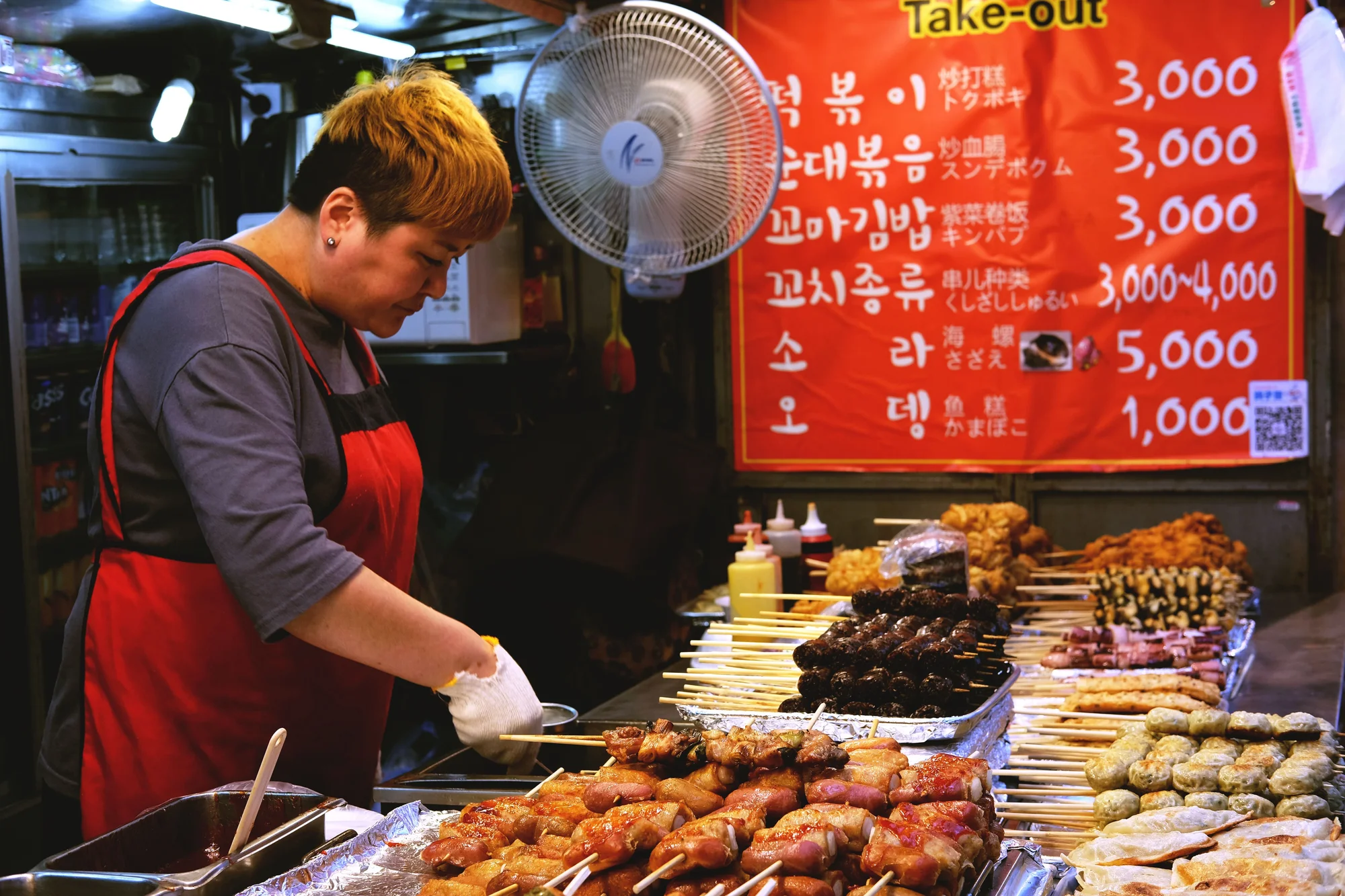
The growth of the Gumi Ramyun Festival also reflects a wider challenge for industrial cities. Manufacturing can generate jobs, exports and investment, but it does not automatically create a tourism identity. Gumi is trying to turn that weakness into an advantage. Instead of hiding its industrial character behind a completely new tourism image, the city is asking whether something it already produces can become part of the visitor experience.
Ramyun works particularly well because Korean food and K-culture already have strong international visibility. The product is globally recognised, visually easy to communicate and accessible across different age groups. At the same time, Gumi can make a credible claim to it through its manufacturing base. That combination has allowed a relatively simple idea to grow quickly.
An event that attracted 80,000 visitors in 2023 reached 350,000 only two years later. The city is now expanding restaurant capacity, introducing international competitions and developing permanent ramyun attractions around the same concept. For the wider events industry, Gumi offers a useful reminder that a strong event theme does not always need to be invented from scratch. Sometimes the best event IP is already part of a destination's economy, history or everyday life. The challenge is recognising it, giving people a reason to travel for it and then allowing the city around the event to benefit. In Gumi, that product happened to be a packet of instant noodles.