

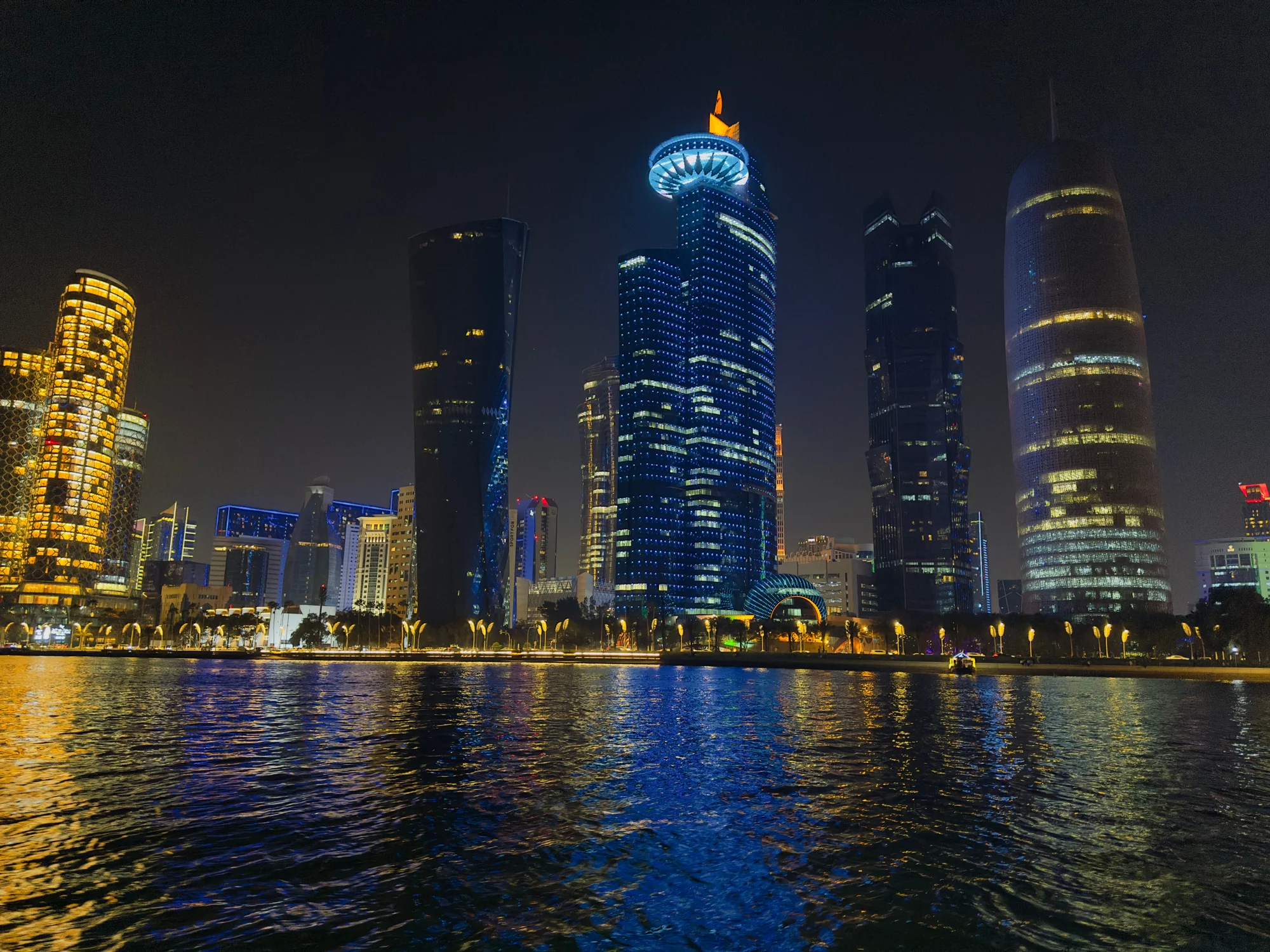
Meetings demand across the Middle East is becoming more uneven, with some destinations growing strongly while the wider regional market remains under pressure. Doha was one of the strongest performers in the third quarter of 2026, recording a 27% increase in meetings volume compared with the same period last year, according to the latest Middle East meetings report from Knowland by Cendyn.
Saudi Arabia also showed signs of stronger demand in selected markets. Al Khobar and Dammam recorded 8% growth, while Riyadh returned to positive territory during the quarter. The results stand out because overall meetings volume across the key Middle East markets tracked by Knowland remained below 2025 levels.
This creates a more complex picture for the region. Rather than demand rising or falling at the same pace everywhere, meetings activity is moving between cities and business segments. Corporate meetings remain the main source of demand, accounting for 70.6% of Q3 activity. But other segments, including weddings, associations and SMERF groups, also increased their share.
For hotels and destinations, this means the Middle East meetings market cannot be viewed through one regional growth number. Local performance is becoming more important, with individual cities responding differently to economic conditions, corporate demand and changes in group travel.
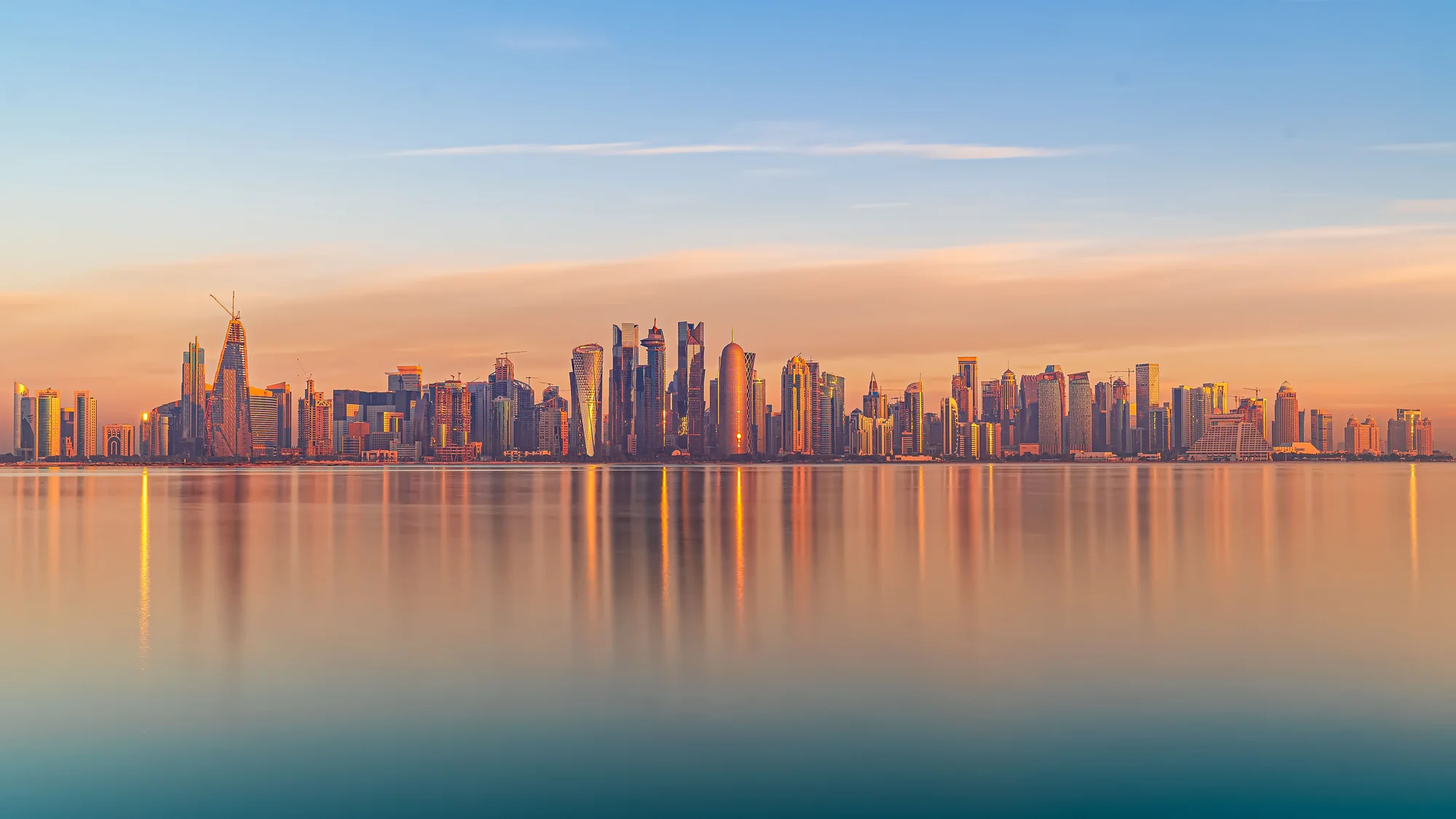
Doha Emerges As One Of The Quarter’s Strongest Markets
Doha’s 27% growth is particularly notable because it comes during a softer quarter for the wider region. The increase suggests that the Qatari capital is capturing meetings demand even while some other markets remain below previous-year levels. Doha has spent years building a large hospitality and events infrastructure around international sports, exhibitions, conferences and government meetings. Its hotel supply, convention facilities and global air connections give the city the capacity to serve both large international events and smaller corporate groups.
The latest figures suggest that this infrastructure is now supporting a broader meetings market. Growth does not necessarily mean that all event segments are moving at the same pace. The Knowland data shows that corporate business still dominates the regional mix, meaning demand from companies remains central to hotel meeting performance. For Doha, that creates opportunities beyond major international congresses or headline events.
Corporate meetings, training programmes, company gatherings and smaller business events can create a more regular base of demand throughout the year, helping hotels use meeting space outside the calendar of major exhibitions and conferences. The city's Q3 performance also shows why destination-level data matters. A regional decline can hide individual markets that are expanding quickly.
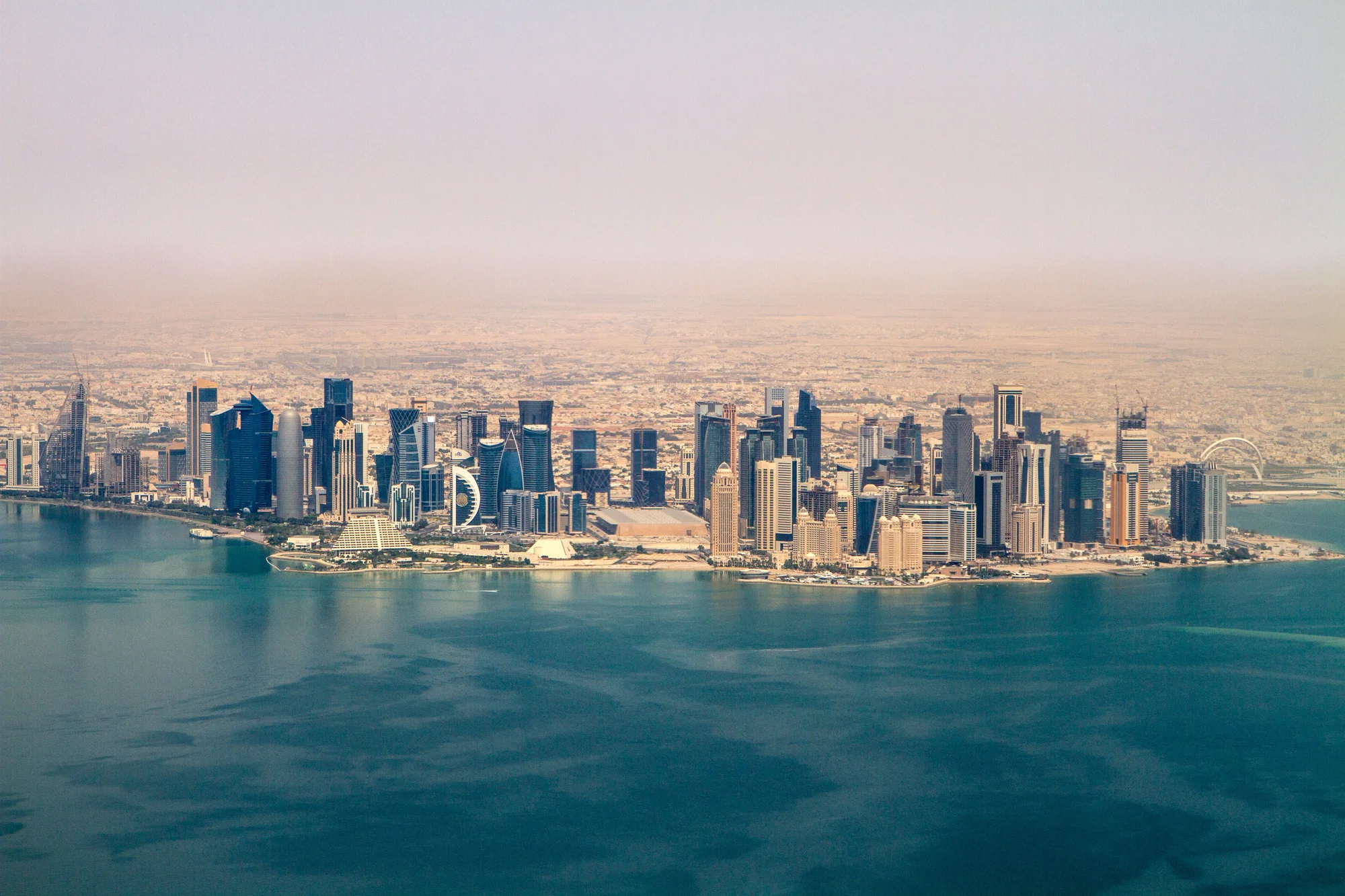
Corporate Business Still Accounts For More Than 70%
Corporate meetings represented 70.6% of the Middle East meetings business tracked during Q3. Within that segment, consulting was the leading industry, accounting for 17.3% of demand. This makes corporate activity the clear foundation of the regional market. For hotels, corporate groups are important because they can create repeat business. A company may return several times during the year for management meetings, training, sales programmes or client events, unlike some large congresses that may only visit a destination once.

Strong corporate demand can therefore provide a more stable base for meeting space and room revenue. But the Q3 figures also show that the market is becoming more varied. Weddings, associations and SMERF groups gained share during the quarter. SMERF generally includes social, military, educational, religious and fraternal groups, which often have different budgets, booking patterns and venue requirements from corporate clients.
The shift gives hotels more reasons to look beyond traditional corporate accounts. A venue designed mainly around business meetings may increasingly need packages and spaces that can also serve weddings, association events and social groups. For destinations, a wider mix can also reduce dependence on one type of demand.
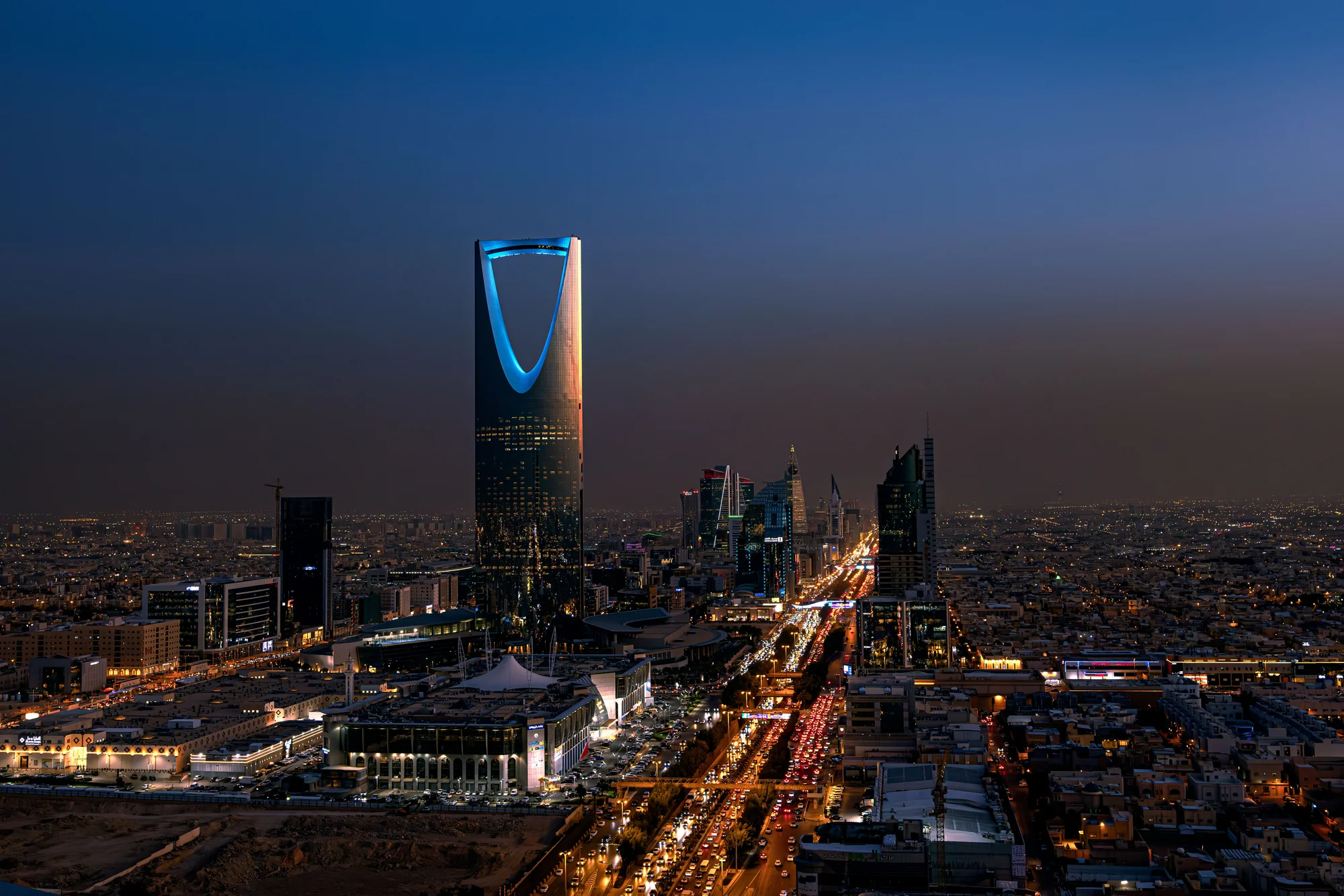
Saudi Markets Are Showing Different Growth Patterns
Saudi Arabia provides another example of how uneven the regional market has become. Al Khobar and Dammam both recorded 8% growth during Q3, while Riyadh returned to growth after weaker performance earlier in the year. These markets serve different types of business demand.
Riyadh is the country's main corporate and government centre and has rapidly expanded its event calendar and hospitality infrastructure. Al Khobar and Dammam, meanwhile, sit at the centre of Saudi Arabia's Eastern Province, where energy, industrial and corporate activity plays a major role in business travel. Their Q3 performance shows that meetings demand can follow local economic activity rather than wider regional trends.
For hotel sales teams, this changes the way market opportunities need to be identified. A company may see weaker group business across the Middle East overall while still finding strong demand in specific cities or industries. This makes local data increasingly important for pricing, sales activity and deciding which customer segments to target. The same applies to organisers looking for destinations. A market experiencing strong corporate growth may offer a different venue environment, hotel pipeline or pricing position from another city in the same region.
Regional Growth Is No Longer Moving In One Direction
The most important message from the Q3 data may be that the Middle East meetings market is becoming harder to describe with a single trend. The region continues to invest heavily in hotels, convention centres, entertainment districts and international events. But demand is not rising evenly across every destination. Doha is growing strongly. Parts of Saudi Arabia are gaining momentum. Other key markets remain below last year's levels. At the same time, the type of business entering hotels is changing.
Corporate groups still provide most meetings activity, but weddings, associations and other group segments are becoming more important. This creates a broader opportunity but also requires venues to understand different customer needs. A corporate meeting may prioritise simple access, predictable pricing and efficient meeting rooms. A wedding may require larger production areas and food and beverage flexibility. An association event can involve longer booking periods and different space requirements.
Hotels that rely on one segment may therefore miss growth happening elsewhere in the market. For destinations, the same lesson applies. Middle East MICE growth is no longer simply a story of more infrastructure and larger events. The next phase is becoming more local, with cities competing for different types of group demand. Doha's 27% increase shows how quickly that balance can shift. As the region moves into 2027, the destinations gaining the most ground may be those that can combine major event infrastructure with a steady base of corporate, association and social group business.