

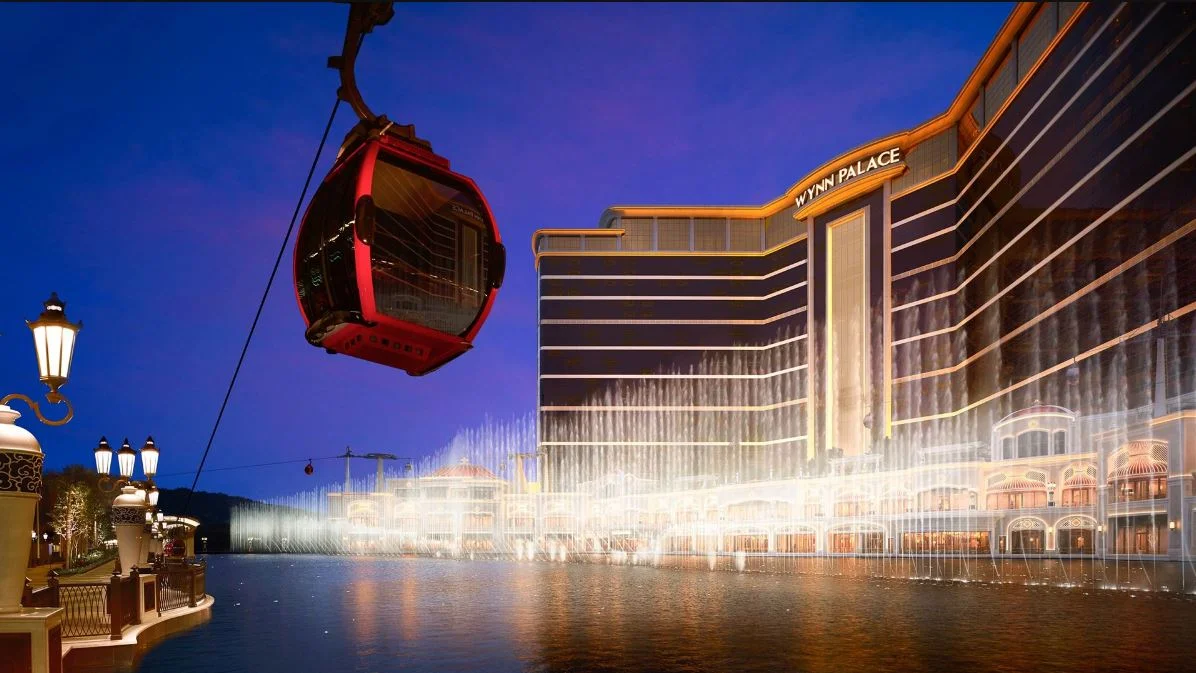
Wynn Al Marjan Island has revealed new details of its destination wedding offer ahead of its planned September 2027 opening in Ras Al Khaimah, placing multi-day celebrations at the centre of its events strategy. The resort is designing the wedding experience around the idea that large international celebrations rarely take place in a single ballroom or over one evening. Ceremonies, dinners, pre-wedding functions and after-parties can instead move between different parts of the property while guests remain within the same resort. This approach is particularly relevant for Indian destination weddings, where celebrations such as Haldi, Mehndi, Sangeet, Baraat and the main wedding ceremony can take place across several days and require very different settings.
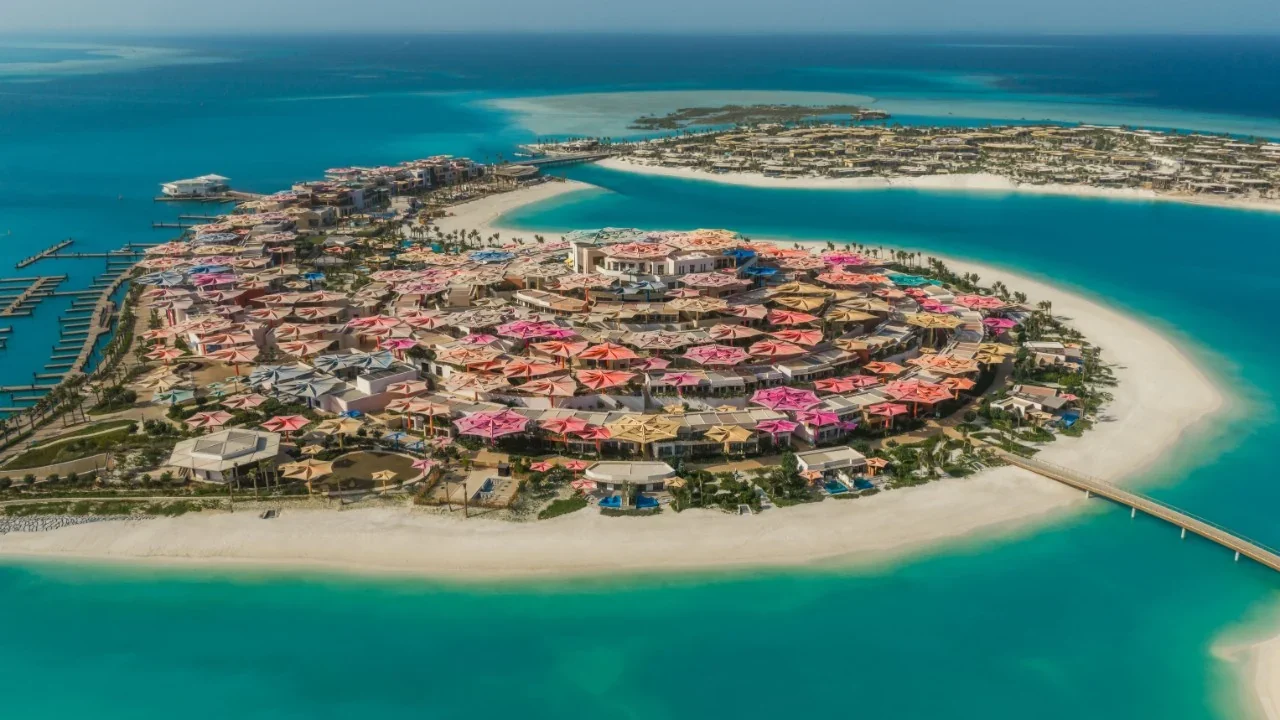
Wynn is positioning the resort to handle that complexity within one destination. The property will combine 1,540 rooms and suites with a dedicated events centre, private beach, marina, restaurants, pools, entertainment venues and outdoor event spaces. Located less than 75 kilometres from Dubai International Airport, the resort also gives international wedding groups access to one of the region’s main aviation gateways while keeping the celebration outside Dubai itself.
Coral Court Will Anchor The Wedding Programme
At the centre of the wedding offer is Coral Court, Wynn Al Marjan Island’s dedicated Events & Celebrations Center. The 7,708 sqm venue includes a 2,633 sqm column-free Grand Ballroom overlooking the marina. Combined indoor event spaces can accommodate up to 1,260 guests for banquet-style events.
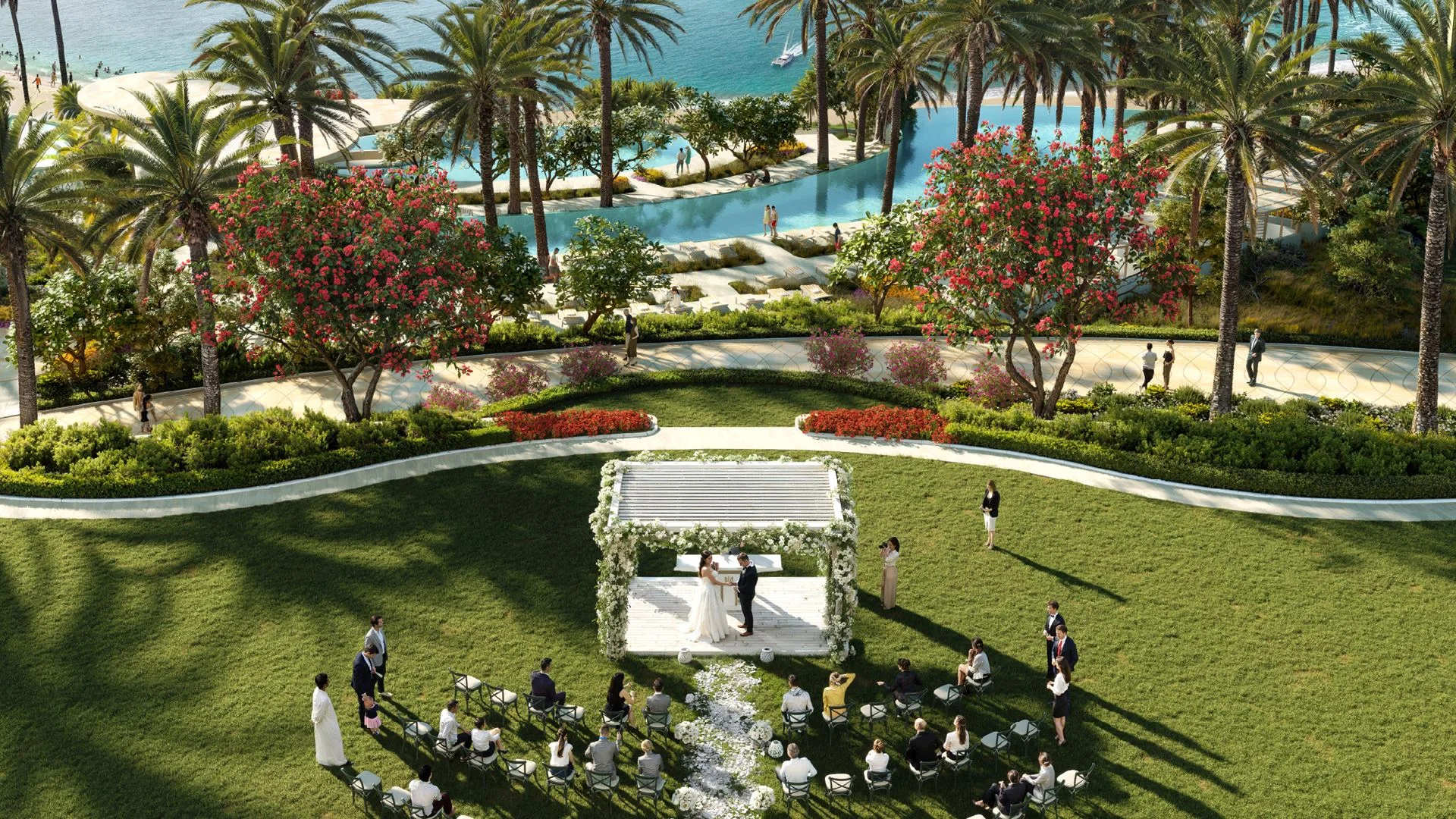
The centre also includes six meeting and event rooms, dedicated bride and groom suites and private prayer rooms. These spaces allow different parts of a wedding programme to take place without requiring the main ballroom to be redesigned several times during the same celebration. Outside, four terraces and the Event Lawn provide another 4,196 sqm of event space. The Event Lawn itself covers 1,390 sqm and can accommodate up to 620 guests for a banquet-style celebration.
This gives planners the option to move celebrations between indoor and outdoor environments depending on the time of day, ceremony and guest experience. For a multi-day wedding, that flexibility can be particularly valuable. A welcome dinner, Sangeet, ceremony and reception do not need to look or feel like versions of the same event.
Indian Weddings Are A Clear Target Market
Wynn is openly designing part of the wedding product around Indian celebrations. A Haldi ceremony could take place beside the Arabian Gulf or aboard Natural 9, the resort’s 43-metre private yacht. Mehndi events could use poolside cabanas or more private spaces, while Sangeet celebrations could move between restaurants, the beach or Coral Court. The wedding day itself can include a Baraat arriving by decorated horse or supercar before a Hindu ceremony under a mandap. Dinner and dancing can then continue in the Grand Ballroom or outdoors on the Event Lawn.
This level of detail shows how destination wedding resorts are moving beyond simply providing a large ballroom and accommodation block. Large Indian weddings often require several venues, specialist catering, cultural knowledge and complex movement between different parts of the programme. Resorts that can keep all of those elements within one property can reduce transport and logistics while still offering different settings for each event.
Wynn is also building cultural requirements into the operational side of the resort. Its banquet team will include around 90 chefs and service staff, with specialists in Indian, Arabic, Chinese and Western cuisines. For large wedding groups, this can be as important as the physical venue itself.
Guests Can Arrive By Yacht
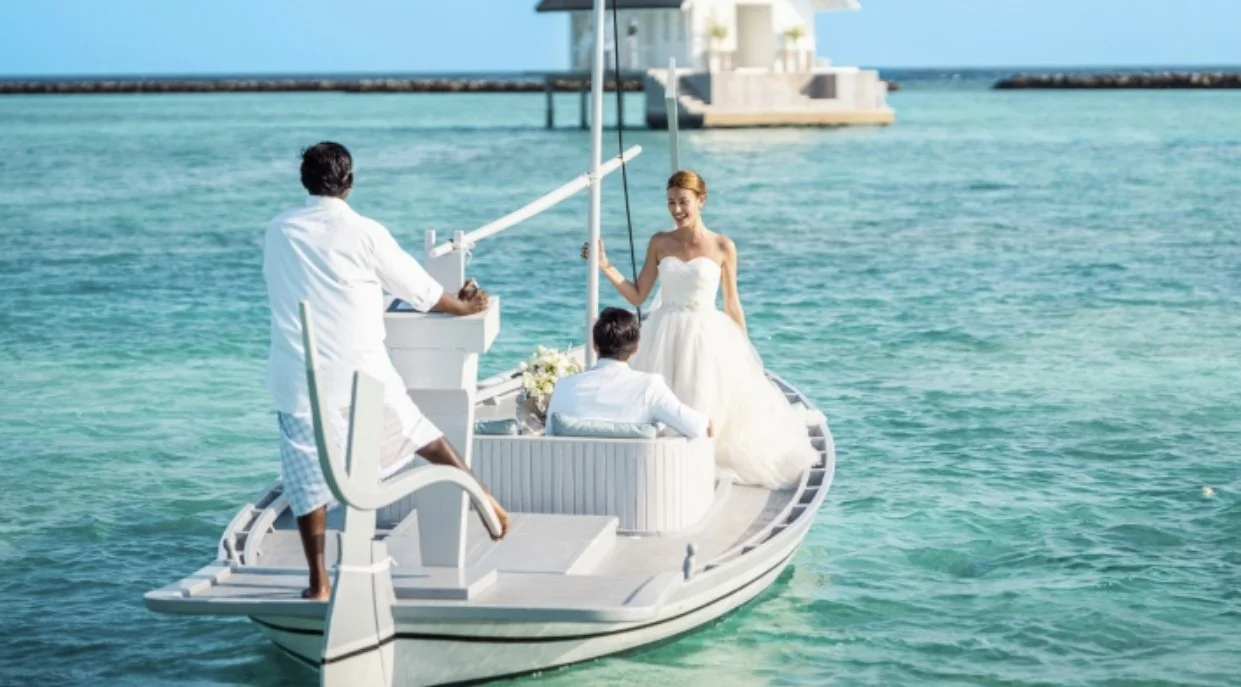
The resort’s marina adds another layer to the event product. Wynn Marina will include 98 berths and accommodate yachts of up to 85 metres within the marina basin. Guests arriving by sea will be able to access the resort directly through the waterfront. For weddings, Wynn is already presenting yacht arrivals as part of the experience.
Natural 9 can also be used as an event setting, allowing smaller ceremonies or pre-wedding celebrations to take place on the water rather than inside the resort. This is where the wider resort design becomes part of the wedding strategy. A marina is normally considered an accommodation or leisure asset. Here, it can also function as an arrival experience, event venue and visual backdrop. The same applies to the resort’s private beach, pools, restaurants and entertainment spaces. The more parts of the property that can support an event programme, the less dependent the wedding becomes on one ballroom.
The Resort Is Designed To Keep Guests On Site
Wynn Al Marjan Island will include 22 restaurants, bars and lounges, 12 swimming pools, a 550-metre private white-sand beach, a five-star spa and a theatre with capacity for up to 900 guests. For destination weddings, these facilities create activities for guests between formal celebrations. This matters because large multi-day weddings involve significant periods when guests are not attending ceremonies or receptions. Resorts that provide dining, entertainment, beach access and wellness facilities can keep that time within the property rather than sending guests elsewhere.
The commercial effect can also extend beyond venue rental. Accommodation, food and beverage, spa services, entertainment and other resort spending become part of the same wedding economy. That makes destination weddings attractive not only because of the number of guests they bring, but also because of the amount of activity they can create over several days. For Ras Al Khaimah, this type of resort product can support the emirate’s wider effort to grow its position in the luxury and international events markets.