

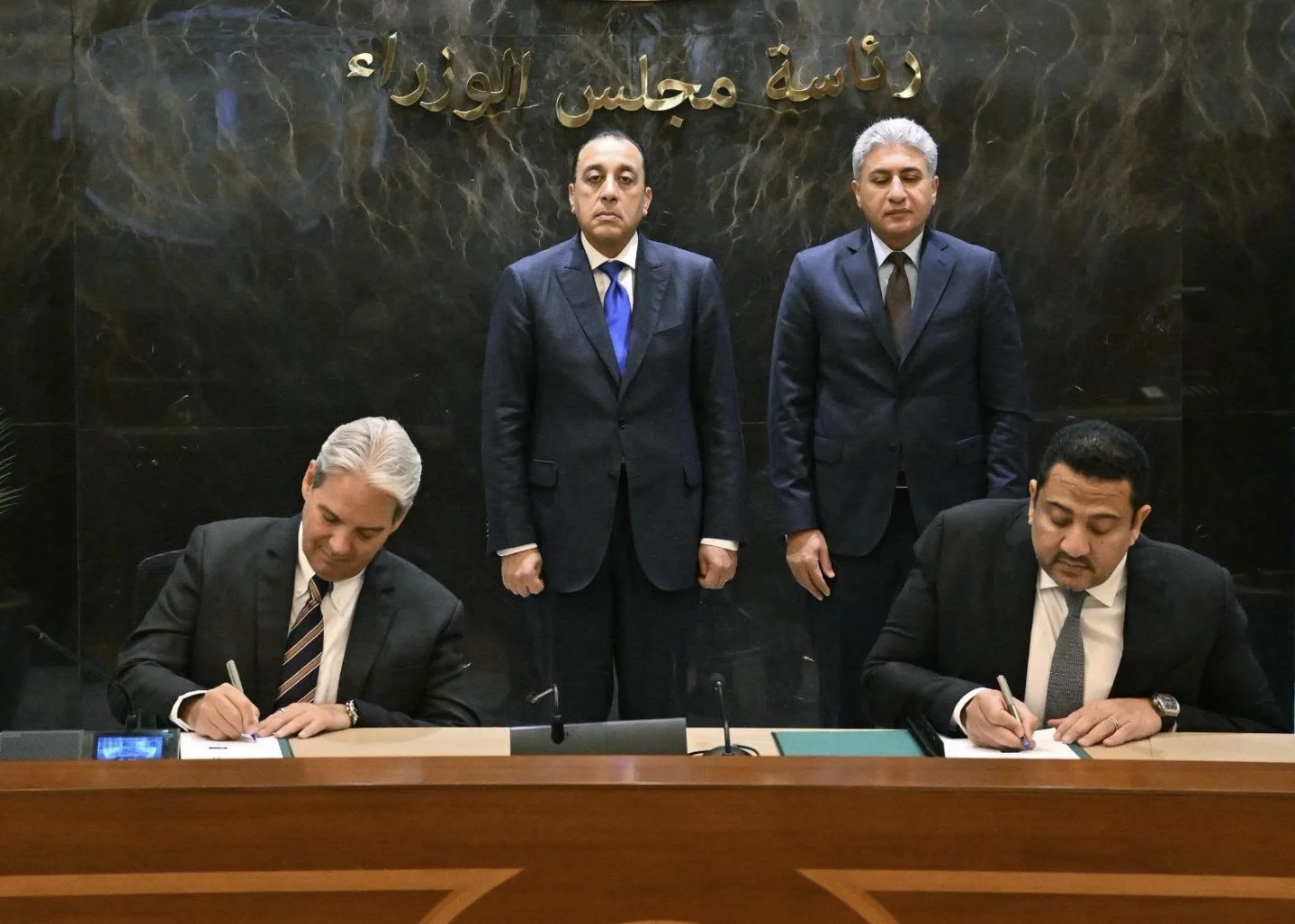
Egypt has announced two major hospitality agreements worth more than $440 million as the country continues to expand its hotel capacity and attract international operators. The agreements with Hilton and Titanic Hotels were both signed on November 10, 2026, in the presence of Egyptian Prime Minister Mostafa Madbouly and Tourism and Antiquities Minister Sherif Fathy. The larger agreement brings together Hilton and Egyptian developer PRE Group. The partnership covers investments of around $261 million (EGP 14 billion) across 10 projects, including six hotels and four branded residential developments.
Around 2,000 hotel rooms and branded residential units are expected to be added through the partnership. Five Hilton brands will be used across the projects: Canopy by Hilton, Tapestry Collection by Hilton, Hilton Hotels & Resorts, DoubleTree by Hilton and Hilton Garden Inn. The developments will be located across several destinations in PRE Group's portfolio, including Ain Sokhna and Alamein. The agreement also includes Eivor East, one of the company's developments in East Cairo.
On the same day, Turkish hotel group Titanic Hotels signed an agreement to manage a $180 million ultra-luxury resort in Sharm El-Sheikh. The project will introduce the Titanic Luxury Collection brand to Egypt for the first time. The resort has 560 rooms and 60 villas and is preparing for a trial opening. Together, the two agreements show how Egypt is using international hotel brands to increase accommodation capacity across both established and developing tourism destinations. The investments also come as the country works toward a much larger expansion of its hotel supply to support future visitor targets.
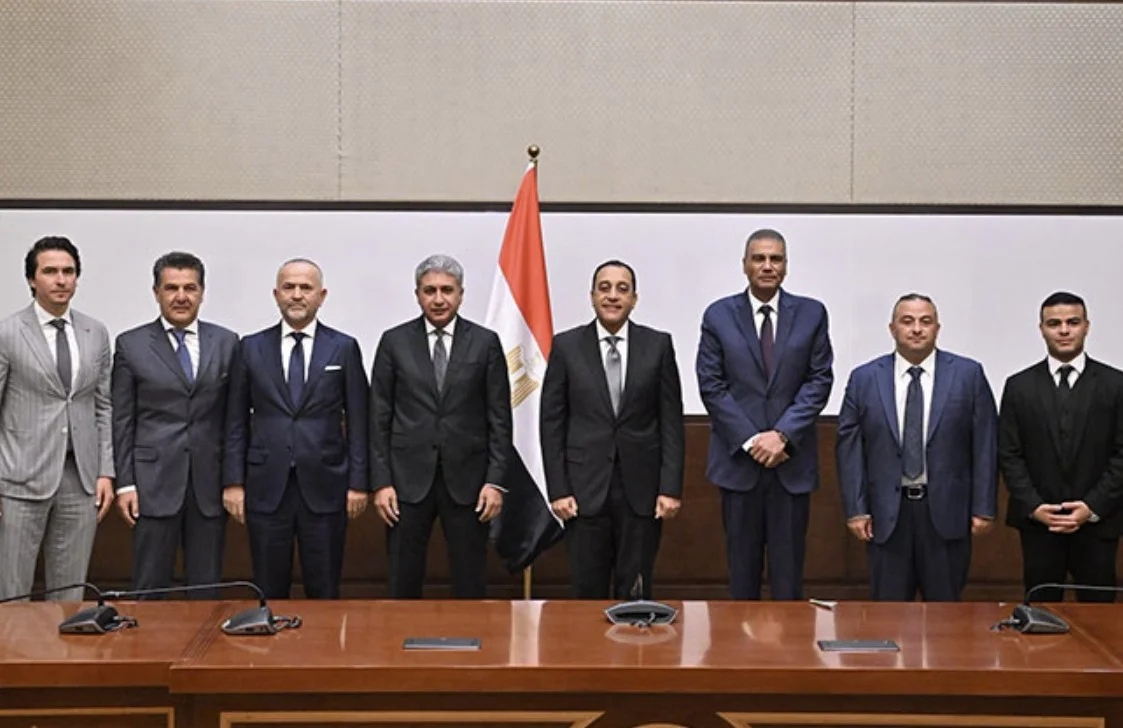
Hilton Partnership Covers 10 Projects
The Hilton and PRE Group agreement is one of the larger hospitality partnerships announced in Egypt this year. The portfolio includes six hotels and four branded residential projects, with the brands selected according to the location and target market of each development. PRE Group said the projects will be developed in Telal Ain Sokhna, Jebal Ain Sokhna, Telal Alamein and Eivor East. The agreement will expand Hilton's presence across different parts of the Egyptian hospitality market rather than concentrating the investment in one destination or hotel segment.
Hilton has operated in Egypt for more than 65 years and continues to expand its portfolio in the country. Carlos Khneisser, Hilton's Chief Development Officer for the Middle East and Africa, said the company continues to see major growth opportunities across Egypt. The partnership also reflects the growing role of branded residences in international hotel development. PRE Group plans to combine hotels, residential properties and supporting facilities within its developments. This approach allows hospitality brands to operate across both traditional hotel stays and residential products.
The company said the projects are also expected to create thousands of direct and indirect jobs once they become fully operational. Egypt's recent investment in airports, roads and transport infrastructure has also supported the growth of new tourism developments, especially along the Red Sea and Mediterranean coasts. For Hilton, the agreement creates several new entry points into these destinations while allowing different brands to serve different guest segments.
Titanic Hotels Enters Egypt With Sharm El-Sheikh Resort
The second agreement brings Titanic Hotels into the Egyptian market through a new luxury property in Sharm El-Sheikh. The $180 million resort is owned by Egyptian company Gazal for Real Estate and Tourism Investment and will be managed by Titanic Hotels. Construction and operational work at the property have already been completed. A trial opening is expected to begin within 30 days of the agreement.
The ultra-luxury five-star resort includes 560 rooms and 60 villas along a one-kilometer beachfront. Facilities include an aqua park, sports areas, a spa, several restaurants and a banquet hall. The banquet facility also gives the property a direct connection to the events market, adding another large hospitality product to Sharm El-Sheikh's existing tourism and business events infrastructure.
The destination already hosts international conferences, incentive groups and major political and diplomatic meetings, supported by a large resort inventory and international air connections. Titanic Hotels' entry also appears unlikely to remain limited to one property. Gazal and Titanic Hotels have announced plans to sign management agreements for three additional hotels in Egypt. The Sharm El-Sheikh resort therefore represents the first stage of a wider expansion by the Turkish group in the country. The property will also include two international restaurant brands entering the Egyptian market for the first time.
Egypt Needs More Hotel Rooms For Its Tourism Targets
The two agreements arrive as Egypt faces a large gap between its current hotel capacity and its future tourism targets. The government estimates that the country needs between 160,000 and 180,000 additional hotel rooms to support expected growth in visitor numbers. Egypt's national tourism strategy aims to increase total hotel capacity to around 300,000 rooms and attract close to 30 million international visitors annually by 2030.
This is creating room for international hotel groups to expand through new developments, management agreements and conversions of existing properties. The Hilton and Titanic announcements are part of a wider series of international hospitality agreements in Egypt. In July 2026, another agreement was announced for 11 Marriott hotels and resorts with more than 1,800 rooms.
International groups are also expanding in Cairo, the North Coast, Ain Sokhna, the Red Sea and other resort destinations as developers look for global brands to operate new tourism projects. The pattern is important for the MICE and destination wedding sectors as well. Growth in hotel inventory creates more options for group accommodation, while resorts with banquet halls, meeting rooms and large public areas can add new capacity for conferences, incentives and social events. Sharm El-Sheikh is especially relevant because large resorts can combine accommodation, events, dining and leisure activities within the same property. This can be useful for multi-day programs where groups prefer to remain within one resort environment. The Hilton portfolio takes a different approach by spreading new capacity across several destinations and hotel categories.
Together, the two agreements show the scale of Egypt's current hospitality expansion. The challenge now is not only to add rooms, but to build enough internationally operated hotels and supporting tourism infrastructure to serve the visitor numbers the country is targeting for the end of the decade.