

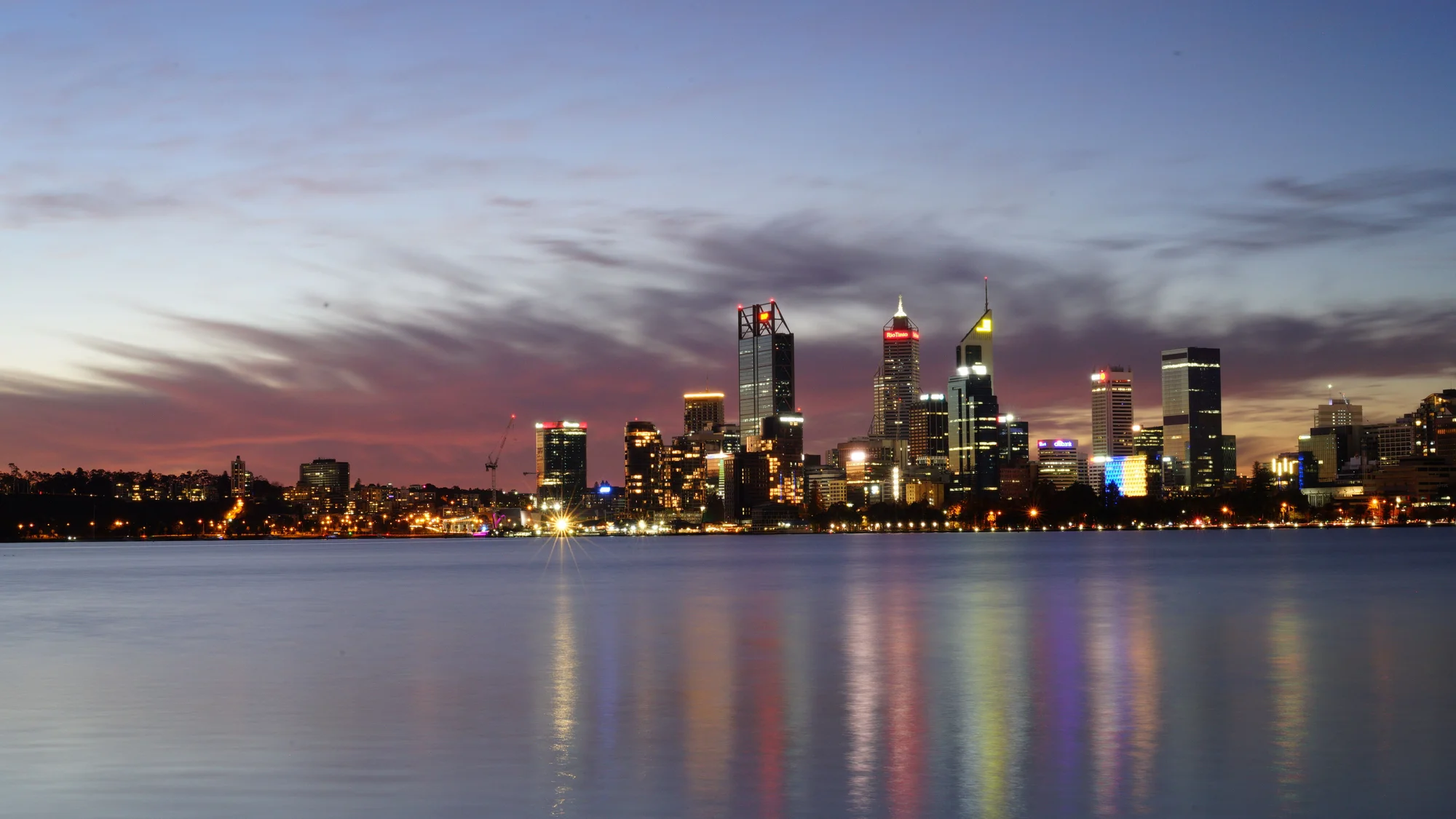
Western Australia is redefining not only how many events it wants to win in the global congress market, but also which events it wants to attract and how those events can be connected to the state’s economy. Developed by Tourism Western Australia and Business Events Perth, the Western Australia Business Events Strategy 2026-2030 aims to bring high-value national and international meetings to the state over the next five years.
The key difference in the new strategy is that congresses and business events will not be assessed solely through tourism performance. Events are expected to be aligned with Western Australia’s economic priorities, its strongest sectors, and its diversification goals. As a result, the value of a congress will be measured not only by how many participants it brings or how many hotel rooms it fills, but also by which industries it connects with investors, experts, and international business networks. According to Tourism Research Australia data, business events expenditure in Western Australia reached approximately $1.2 billion in 2025. Business Events Perth also secured hundreds of national and international events during the 2025-26 period for future delivery in Western Australia. These events, taking place through 2030, are expected to generate around $279 million in direct delegate expenditure and more than 320,000 hotel room nights.
Not Every Congress Will Be Valued the Same Way
One of the most notable elements of the new strategy is the greater emphasis on prioritization when selecting events. Rather than targeting every high-attendance event equally, Western Australia plans to focus on congresses and exhibitions that can connect with the state’s economic strengths and priority sectors. Events linked to energy, mining and resources, defence, health and life sciences, technology, international education, and other high-value industries will therefore carry particular importance.
The aim is not simply to bring international experts into conference halls. Connections formed during events between local companies, research institutions, universities, government bodies, and investors are also seen as part of the wider economic return. This approach brings congress acquisition closer to economic development policy rather than traditional destination marketing alone.
Keeping Delegates in Perth Is Not Enough
One of the strategy’s two main objectives is to win more high-value events, while the other is to increase the visitor value generated by existing events. To achieve this, Western Australia wants delegates to stay longer in the state. Rather than heading directly to the airport after a congress, participants will be encouraged to visit destinations beyond Perth, allowing the economic impact of meetings and congresses to extend beyond the city center and convention district.
Western Australia’s vast geography creates both an opportunity and a challenge in this respect. Perth remains the main gateway, while destinations such as Margaret River, known for food and wine, as well as natural attractions and other regional centers, can be incorporated into pre- and post-congress programs. This is particularly relevant for international delegates. Extending a trip by a few days after traveling long distances to Western Australia can significantly increase tourism spending per visitor.
Venue Investment Is Also Part of the Strategy

Western Australia’s new plan is not based solely on marketing more events. Making better use of existing venues, positioning new facilities in the international events market, and advocating for future infrastructure investment are among the strategy’s five key areas of focus. Business Events Perth plans to work with the industry to identify venue and infrastructure gaps that may be limiting the destination’s competitiveness and to support public and private investment in those areas.
Air connectivity is also part of the same equation. Given Western Australia’s geographic position, international access is critical to destination decisions for major congresses. Developing new air routes and strengthening existing connections is therefore seen as strategically important not only for tourism, but also for the growth of the international meetings market.
The Industry’s Own Capacity Will Also Be Expanded
The strategy is designed not only to win congresses, but also to strengthen the capacity of the local industry that delivers them. Training for event professionals, international accreditation, greater use of technology, and improvements in service standards are among the plan’s key priorities.
Business Events Perth also aims to build closer coordination between venues, hotels, organizers, airlines, tourism businesses, government agencies, and academia. Under this model, the destination becomes more than a product sold by a single convention bureau. Instead, a broader structure is created in which different sectors work together from the moment an event is won through to the delegate’s experience in the city. Greater use of technology in event operations and participant experience is also identified as an area for building industry capacity.
More Than 320,000 Hotel Room Nights Already Secured
Western Australia is not starting the new strategy from scratch. National and international events secured by Business Events Perth during the 2025-26 period are expected to generate more than 320,000 hotel room nights through 2030. Direct delegate expenditure from these events is projected to reach approximately $279 million, while the number of participants expected from the secured congresses and events exceeds 118,000.
The state has also recently hosted major events linked to strategic industries such as defence and international trade. The Land Forces 2026 International Land Defence Exposition alone brought more than 15,000 visitors to Western Australia. Events of this kind also illustrate why the new strategy goes beyond tourism figures. The value of commercial connections created at a defence exhibition cannot be measured solely through hotel and restaurant spending.