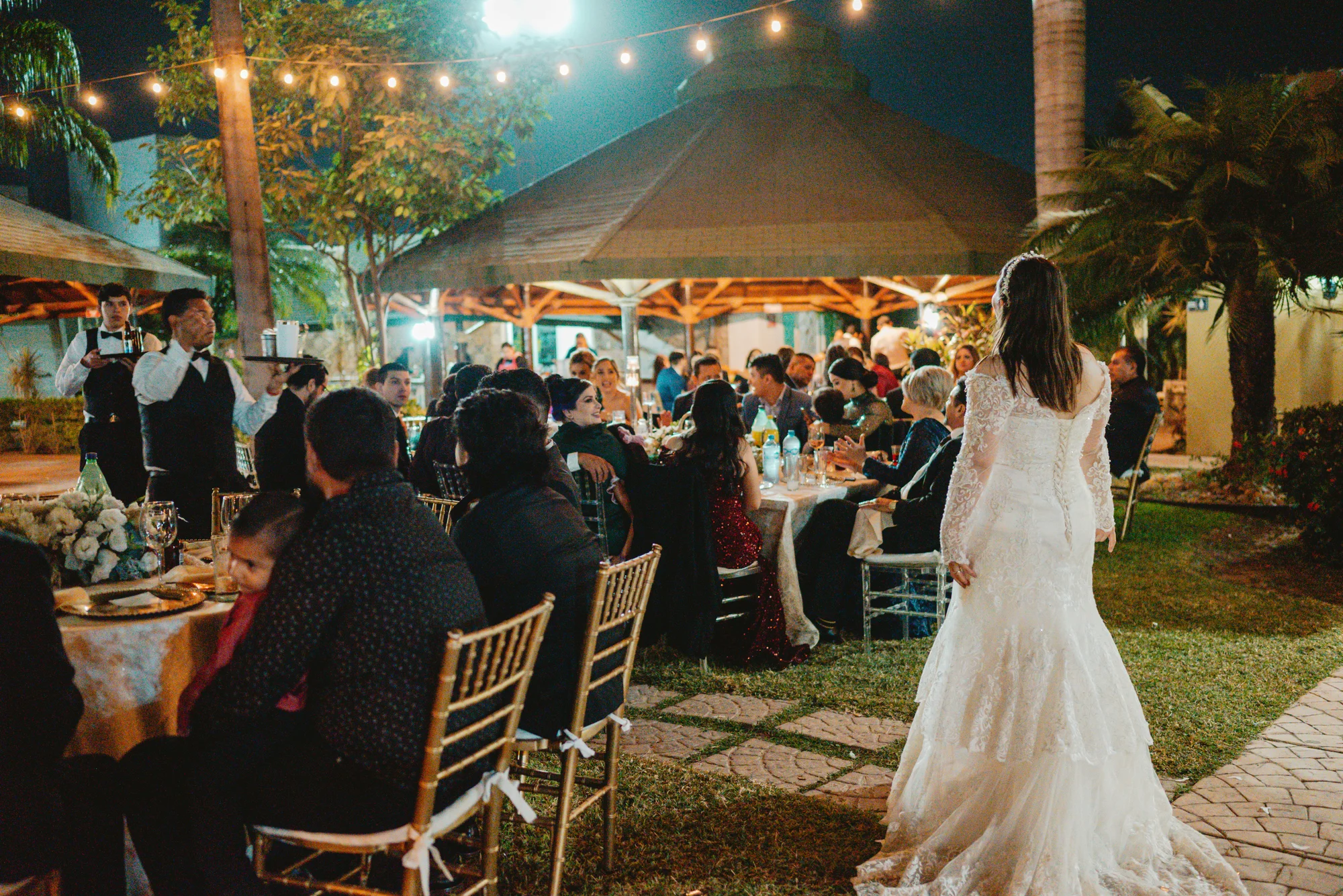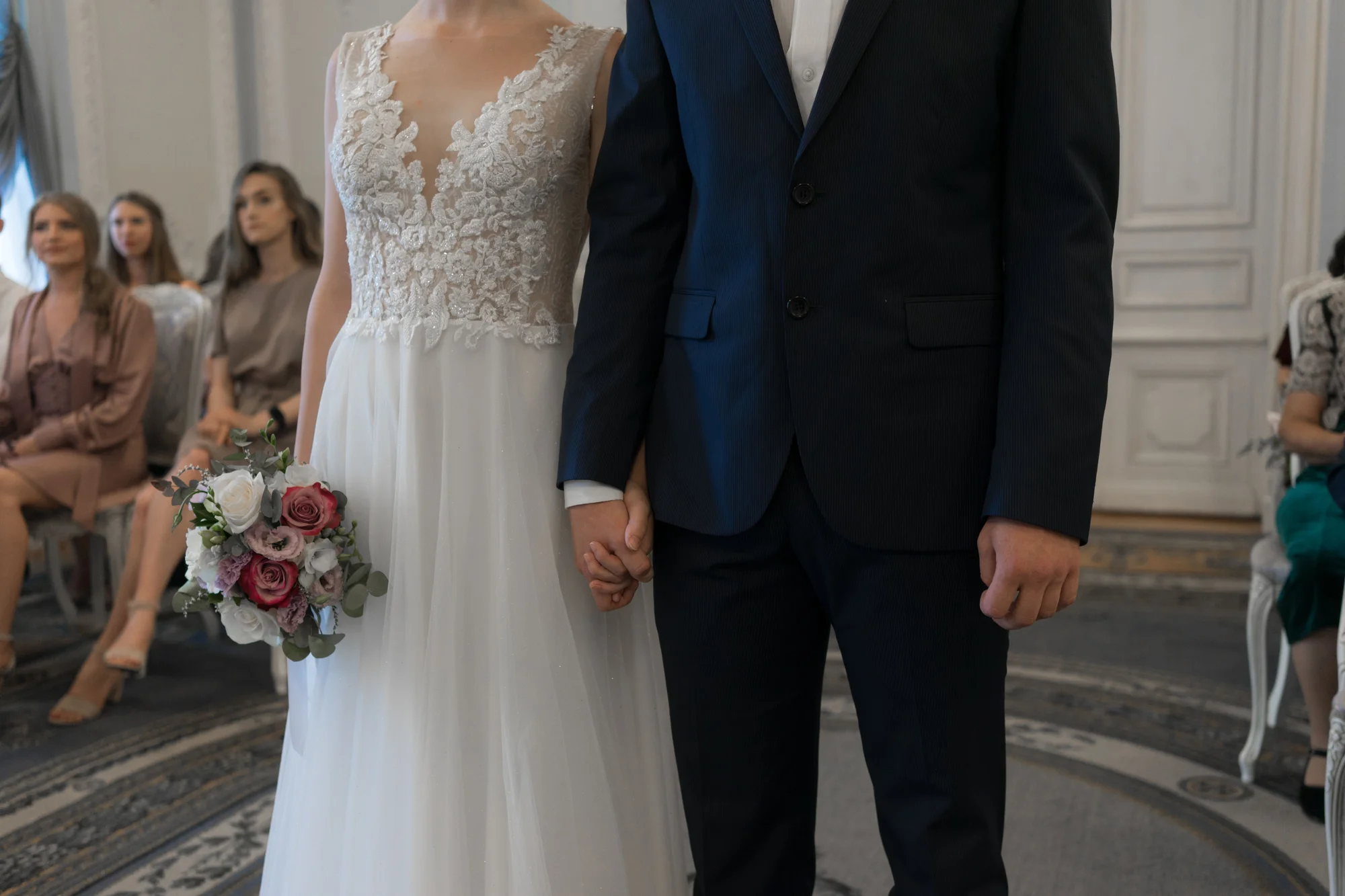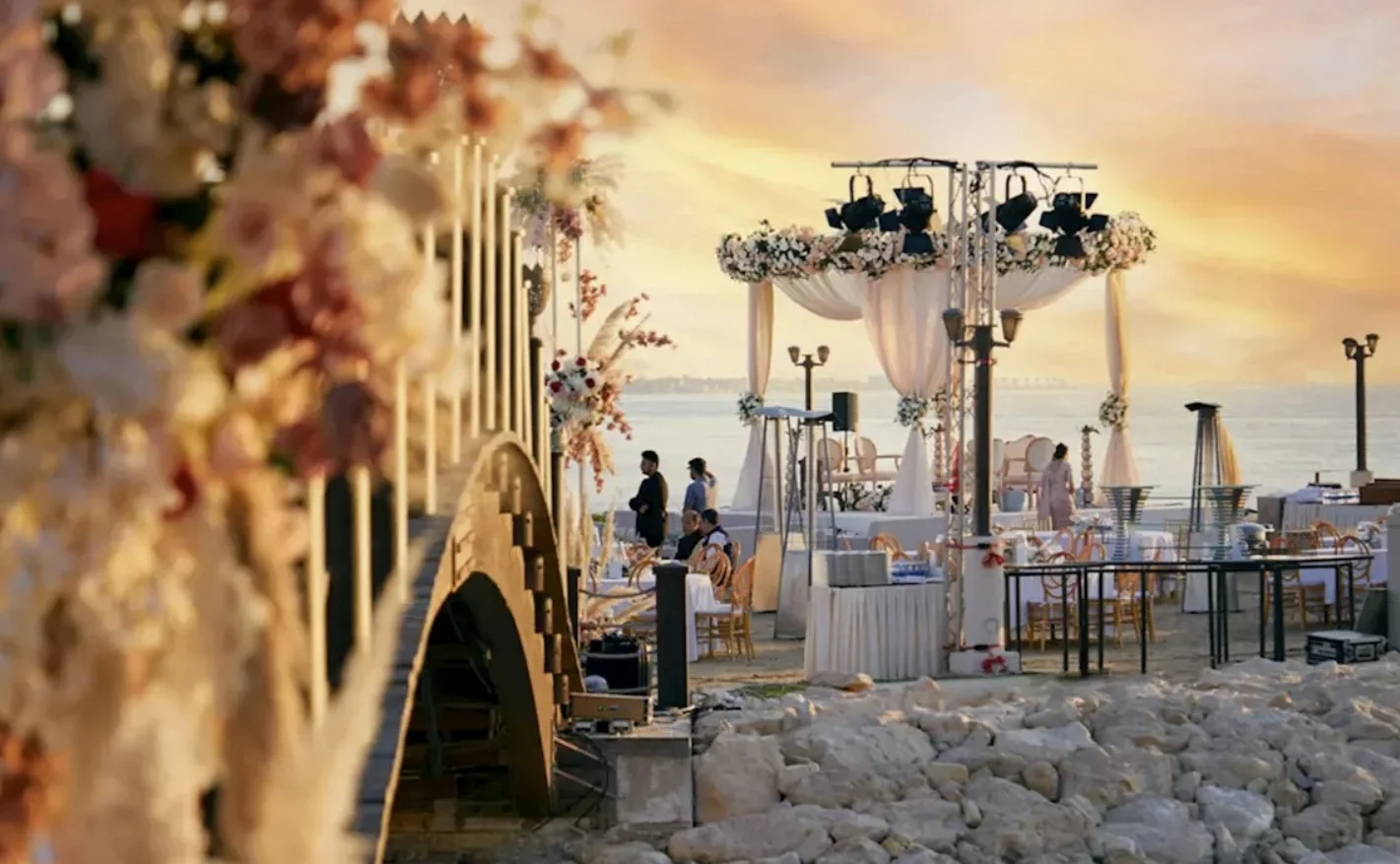


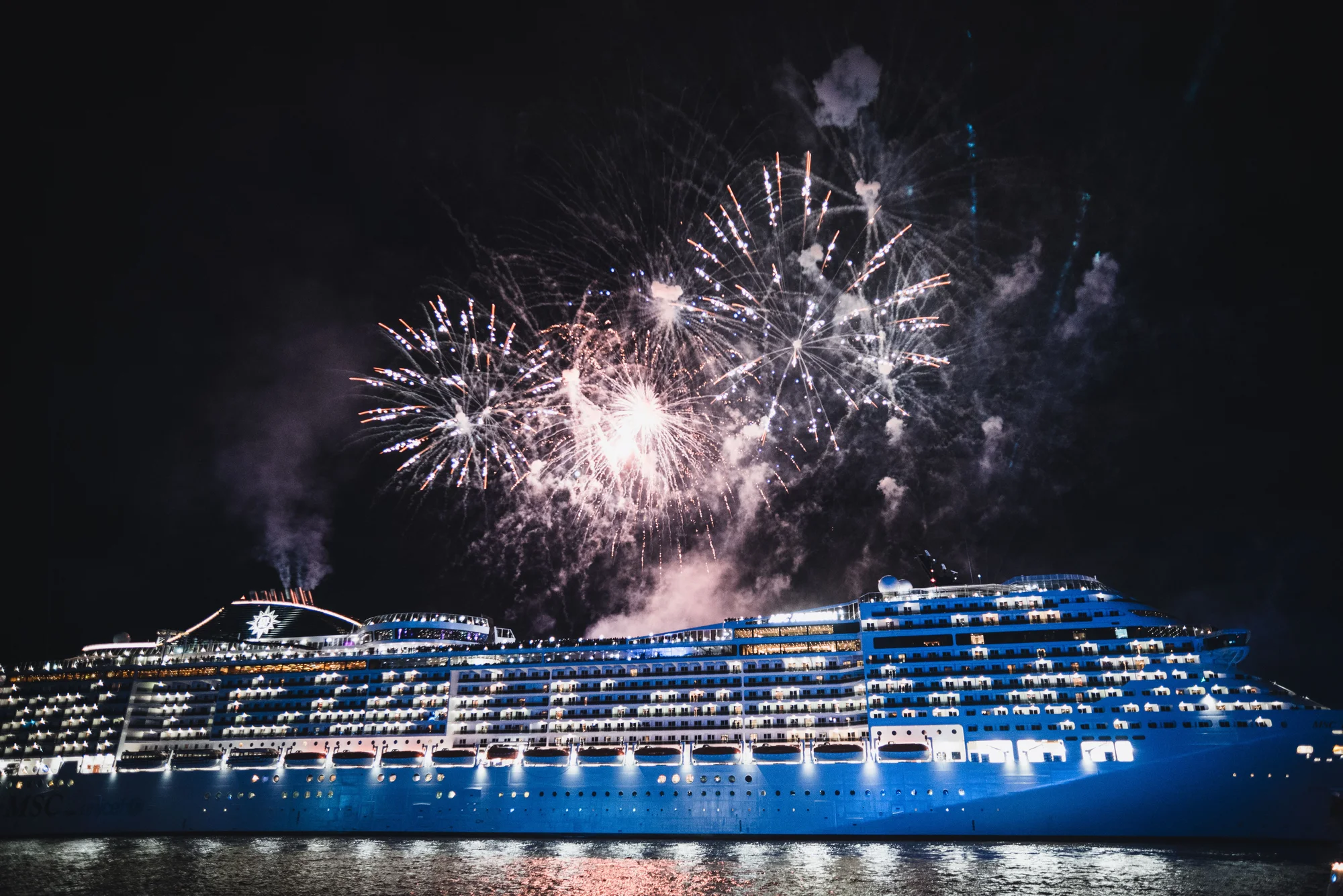
When destination weddings come to mind, the usual settings are a beach, a historic city or a private resort. Cruise ships, however, are introducing a different model by combining the wedding celebration with the journey itself.
With an onboard wedding, couples and their guests do not simply travel to a specific destination for the ceremony. They also travel together aboard the ship where the wedding takes place. As a result, the ceremony, accommodation, dining, entertainment and multiple destinations become part of a single event. Rather than being a one-day celebration at a fixed venue, the wedding becomes an experience that extends throughout the journey.
Not a Venue, But a Destination on the Move
What makes the cruise wedding concept particularly interesting from both a MICE and destination wedding perspective is the way it brings the venue, accommodation and transportation together within a single event.
Instead of arranging separate accommodation or travelling to a wedding venue, guests stay on the same ship. This can offer a different approach to group management, particularly for weddings bringing together guests from different cities or countries.
Royal Caribbean's wedding packages include elements such as dedicated ceremony venues, décor, music equipment, wedding cake and group refreshments, alongside experiences such as private restaurant reservations for the couple, breakfast onboard and spa services. The ship is also more than simply the setting for the ceremony. Royal Caribbean's private destination, Perfect Day at CocoCay, can also be incorporated into wedding celebrations, bringing together life onboard and a private island experience within the same trip.
From this perspective, cruise weddings take the concept of a destination wedding beyond simply “getting married somewhere else” and towards a model of “getting married somewhere else while travelling.”
The Logistics Of The Wedding Are Changing Too
Planning a wedding on a moving destination naturally brings different operational requirements compared with a traditional hotel or resort wedding. The choice of date and time depends on factors including the ship's itinerary, venue availability, licensing requirements and the availability of the officiant. Weddings held onboard also need to be booked at least 90 days before departure.
The fact that the destination itself is constantly moving also becomes particularly relevant when it comes to legal ceremonies. Royal Caribbean states that legal ceremonies performed by the captain while the ship is in international waters are recognised in The Bahamas, while the relevant marriage licence process requires at least 90 days. For ceremonies taking place in other destinations, couples are responsible for completing the applicable licensing procedures.
This is where the cruise model offers a distinctive proposition within the destination wedding market: the destination is no longer simply the backdrop for the wedding. It also becomes the place where the wedding group stays, spends time together and travels.
For couples looking beyond a fixed resort, the concept offers an alternative format in which the wedding itself becomes part of a wider travel experience.