
The map of international meetings and events could look very different by 2030 as airline networks expand, travel patterns change and attendees become more selective about where they are willing to travel. A new report developed by oneworld and travel trends agency Globetrender identifies seven trends expected to shape international gatherings between 2027 and 2030. Among the most important is what the report calls “geo-compression”: the idea that new air connections, ultra-long-haul flights and geopolitical developments are changing which destinations are practical for international events.
For organisers, accessibility has always been one of the main factors in choosing a destination. But accessibility is becoming more complex than simply counting direct flights. Political instability can remove destinations from consideration, while new routes can suddenly make other cities realistic options for international groups. Airlines are also continuing to connect secondary destinations with major global hubs, opening new markets to delegates who previously faced several connections. At the same time, attendees are becoming more selective about business travel. Rising airfares, hotel rates and the time required for long-distance travel mean an event increasingly needs to offer a strong reason to make the journey. This is pushing destinations themselves closer to the centre of the event decision.
The Host City Is Becoming Part Of The Event Product
One of the report’s seven trends is “Destination as Content.” The idea is simple: people are increasingly judging an event not only by its speakers, programme or networking opportunities, but also by where it takes place. Local food, culture, entertainment and experiences can influence whether an attendee decides that an event is worth the time and travel cost.
This gives destinations a larger role in the overall event proposition. A conference in a city with strong cultural appeal, easy access and opportunities to explore beyond the venue may have an advantage over an event offering a similar programme in a less attractive location. For organisers, this can also change the relationship with tourism boards, convention bureaux and local businesses. The host city is no longer simply providing hotel rooms and meeting space. It can become part of the programme through local experiences, off-site events, gastronomy, entertainment and cultural activities. That trend is already visible in large international events, where organisers increasingly extend programmes beyond convention centres and hotels.
By 2030, the report suggests that the question “Where is the event?” could become almost as important as “What is the event about?”
New Air Networks Could Create New MICE Destinations
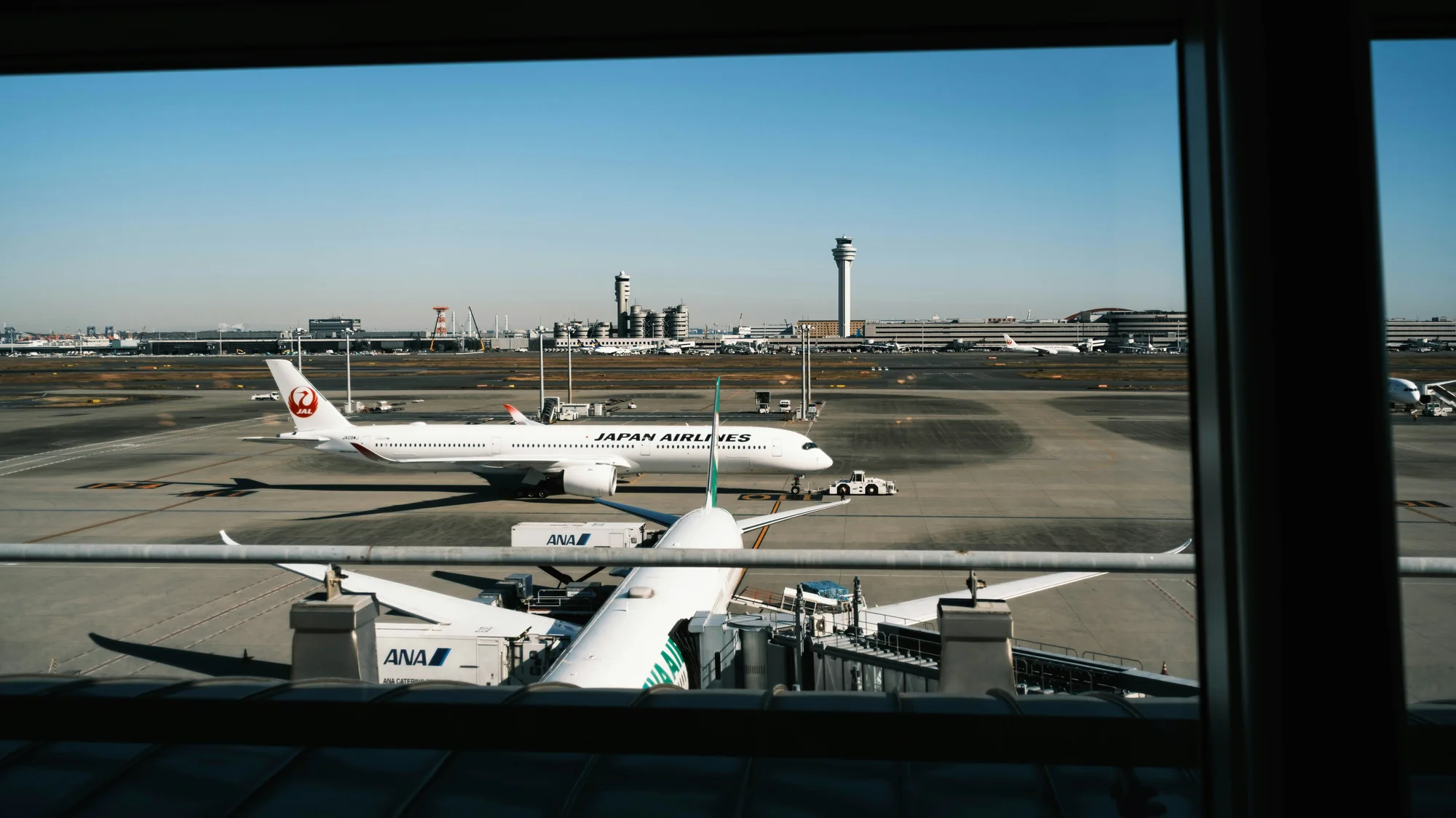
Air connectivity remains central to this shift. oneworld currently brings together 15 member airlines with a network covering nearly 1,000 destinations. The alliance argues that continuing network development will make it easier for international groups to reach destinations that may previously have been difficult to use for large meetings.
For organisers bringing together delegates from several continents, route structure can directly influence attendance. A destination requiring two or three connections from major source markets may struggle against a city that can be reached directly. But new routes can change that calculation quickly. Ultra-long-haul services are also reducing the need for traditional connecting hubs on some routes. Travellers can increasingly move directly between cities that were once separated by a transfer in Europe, the Middle East, Asia or North America.
This could create opportunities for destinations outside the traditional global event capitals. At the same time, connectivity can also move in the opposite direction. Geopolitical tensions, airspace restrictions or changes in airline strategy can make a previously convenient destination more difficult or expensive to reach. The geography of events is therefore becoming more flexible, but also more exposed to external change.

Airports Could Become Meeting Destinations
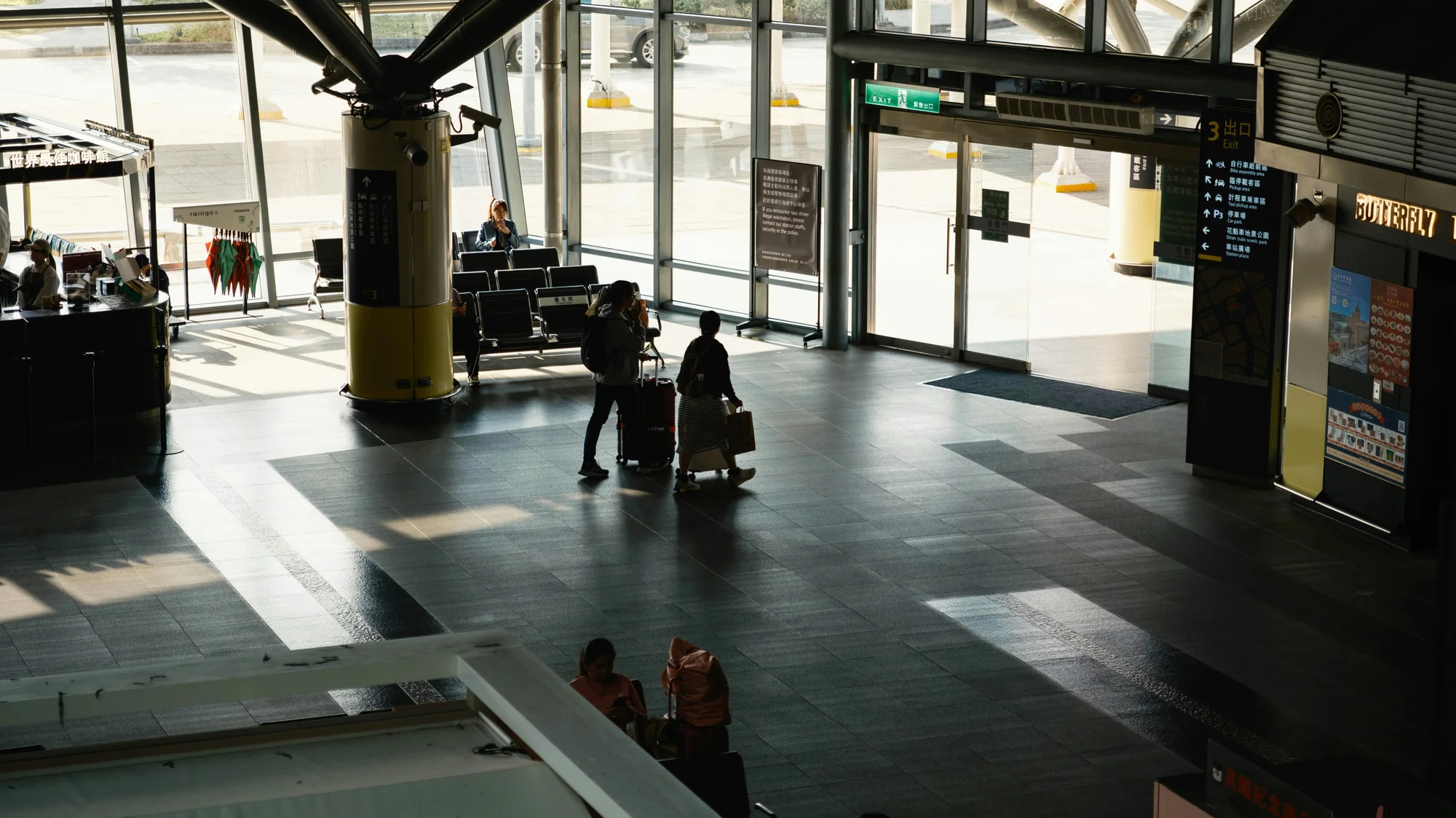
Another trend identified by the report is “Meet Me Airside.” Airports and the areas surrounding them are increasingly developing into places where meetings can happen without delegates needing to travel into a city centre. Major airports now include hotels, conference facilities, restaurants, lounges and business services. In some cases, they form large commercial districts with direct rail connections and entertainment options.
This creates a different model for short international meetings. For a group arriving from several markets, meeting near an airport can reduce transfer times and allow participants to arrive, attend a meeting and continue their journey without adding another day to the trip. The model is unlikely to replace traditional city-centre congresses or destination events. But it could become more important for regional corporate meetings, executive gatherings and short international programmes where efficiency matters more than the destination experience.
It also shows how aviation infrastructure and event infrastructure are becoming more closely connected. An airport is no longer only the gateway to an event destination. In some cases, it can become part of the destination itself.

Events Will Need To Prove The Value Of Travel
The report also identifies what it calls the “ROI of Presence.” As business travel becomes more expensive, organisers are under greater pressure to show why attending physically creates enough value to justify the cost. This does not necessarily mean fewer in-person events. Instead, attendees may become more selective.
Large attendance numbers alone may become less important than whether participants make useful connections, find business opportunities or gain knowledge that cannot easily be accessed online. The same pressure applies to destination selection. An attractive city may help encourage attendance, but it must still be reachable at a reasonable cost and offer enough value to justify the journey. This creates a balance between accessibility and experience. Destinations that combine strong air connectivity with distinctive local experiences could therefore become more competitive, particularly for international events where delegates are choosing whether attendance is worth several hours of travel.
International Event Competition Could Become More Open
The combined effect of these changes could make the global MICE map less fixed than it has been in the past. Established destinations will continue to benefit from large convention centres, hotel capacity and strong airline networks. But those advantages may no longer be enough on their own. New routes can bring emerging destinations into international bidding. Geopolitical changes can weaken previously reliable markets. Airport districts can create new formats for short meetings, while attendees can increasingly judge an event partly by the destination experience surrounding it.
Technology may make planning easier, but the physical journey remains a major part of the decision. By 2030, international event competition may therefore depend less on simply having the largest convention centre and more on how easily people can reach a destination, what they can experience once they arrive and whether the journey offers enough value to justify being there. For destinations looking to grow their MICE business, the next competitive advantage may not come from a single new venue. It may come from the combination of aviation, accessibility and the destination itself.