Planners are becoming involved earlier in the process, going beyond managing the wedding day itself to influence decisions around destinations, hotels and local service providers. This shift is making relationships with wedding planners increasingly important for luxury hotels and destinations. Reaching potential clients is no longer only about marketing directly to couples. Hotels are also looking for ways to introduce their properties and destinations to the planners advising them.
Industry analyses suggest that planners are becoming involved at an early stage, particularly in high-budget destination weddings. Before hotel options are presented to couples, factors such as transportation, local service providers, privacy, service standards and the ability to accommodate a multi-day celebration may already be under consideration.
Weddings Are No Longer One-Day Events
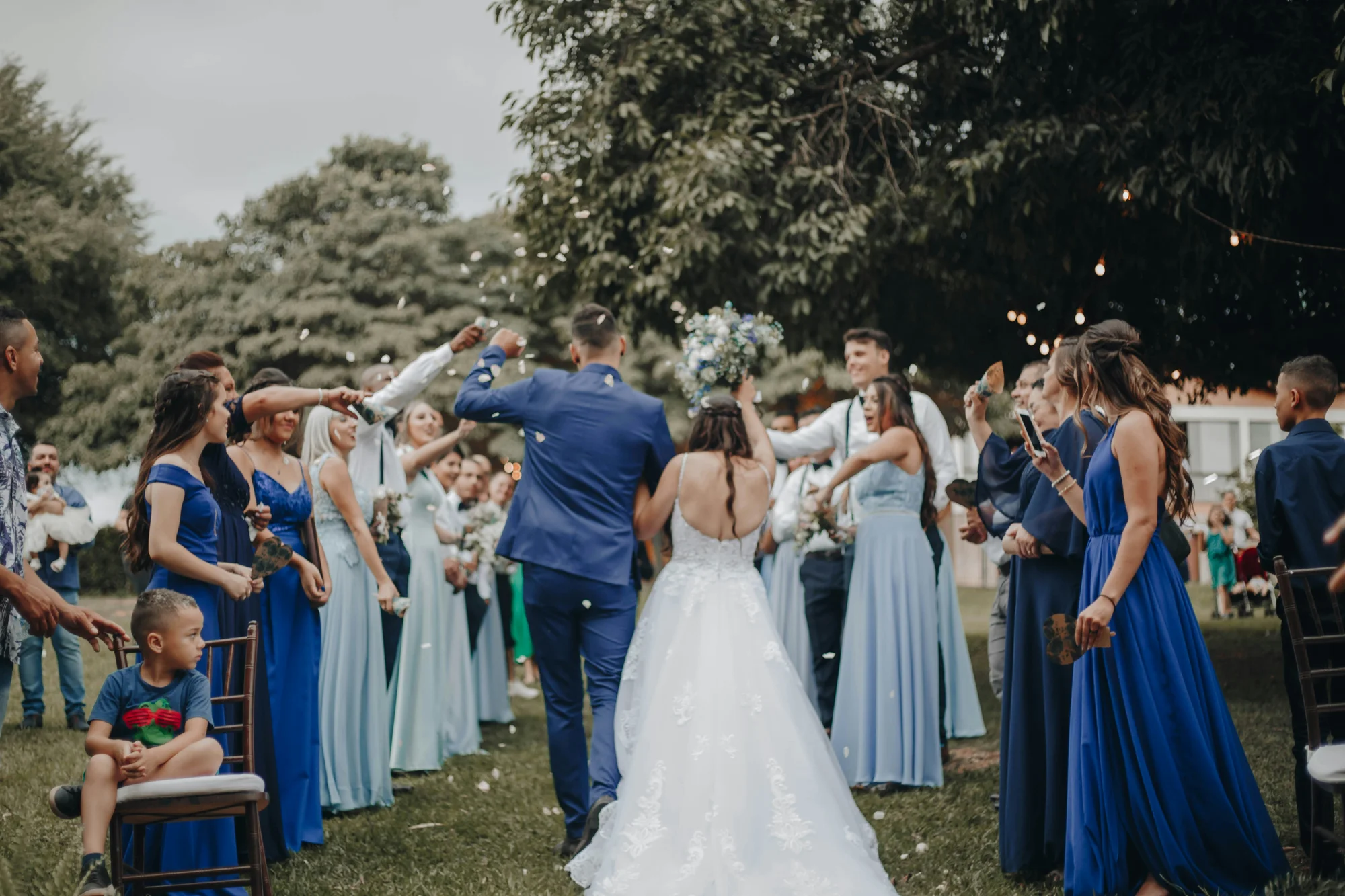
The growing influence of planners is closely linked to the changing nature of destination weddings. According to Fora's 2026 Wedding & Honeymoon Trend Report, 54 percent of travel advisors surveyed said they had seen an increase in destination wedding requests over the past year. The research indicates that couples are increasingly planning their weddings as travel experiences connected to the destination itself.
In this new model, a wedding is no longer limited to the ceremony and reception. Welcome dinners, local experiences, health and wellness activities, post-wedding gatherings and other events can become part of a programme stretching across several days.
For hotels, this means that an attractive ballroom or impressive view may no longer be enough. Accommodation capacity, multiple event spaces, transportation options, relationships with local suppliers and the ability of operational teams to manage multi-day programmes are all becoming part of the selection process. An August 2026 analysis by Skift also noted that planners consider factors including service consistency, local partners, privacy and operational capabilities when assessing properties.
Hotels Are Bringing Planners to Destinations
This transformation is also influencing how hotels market themselves. Familiarisation trips for wedding planners allow properties to showcase not only their rooms and event spaces, but also the wider experience offered by the destination.
During these trips, planners can experience accommodation, restaurants, event spaces and local activities from a client's perspective. This can help a hotel or destination enter the pool of options later recommended to couples. Such familiarisation trips, organised by tourism organisations and hotels, have become one of the ways the travel industry builds first-hand destination knowledge.
The shift is also changing the direction of destination wedding marketing. The audience hotels need to reach no longer consists solely of couples preparing to marry. The professionals who research their options and assess whether an event can realistically be delivered are also becoming an important part of the sales process.
Destinations Are Also Targeting Wedding Planners
The approach is not limited to hotels. Wedding planners are also becoming a direct target audience within destination wedding tourism strategies. India's Ministry of Tourism offers a notable example with its “India Says I Do” campaign, launched to position the country as an international wedding destination. Industry organisations and experienced wedding planners were involved in developing the campaign, while partnerships with planners also formed part of its promotional strategy.
In 2024, India also brought together domestic and international wedding planners, tour operators, event companies and government representatives at the “Wed in India” event in Jaipur. Around 250 participants attended, with discussions focusing on developing India as an international wedding destination as well as the needs and challenges planners encounter when organising events. This momentum has continued into 2026.
The emerging landscape in destination weddings points to an important shift for hotels and tourism organisations. Couples still make the final decision, but wedding planners are playing a growing role in the journey leading up to that choice. As a result, competition between destinations is no longer focused solely on attracting the attention of couples. For hotels and destinations, earning the trust of the professionals who help shape the options presented to those couples is becoming increasingly important.