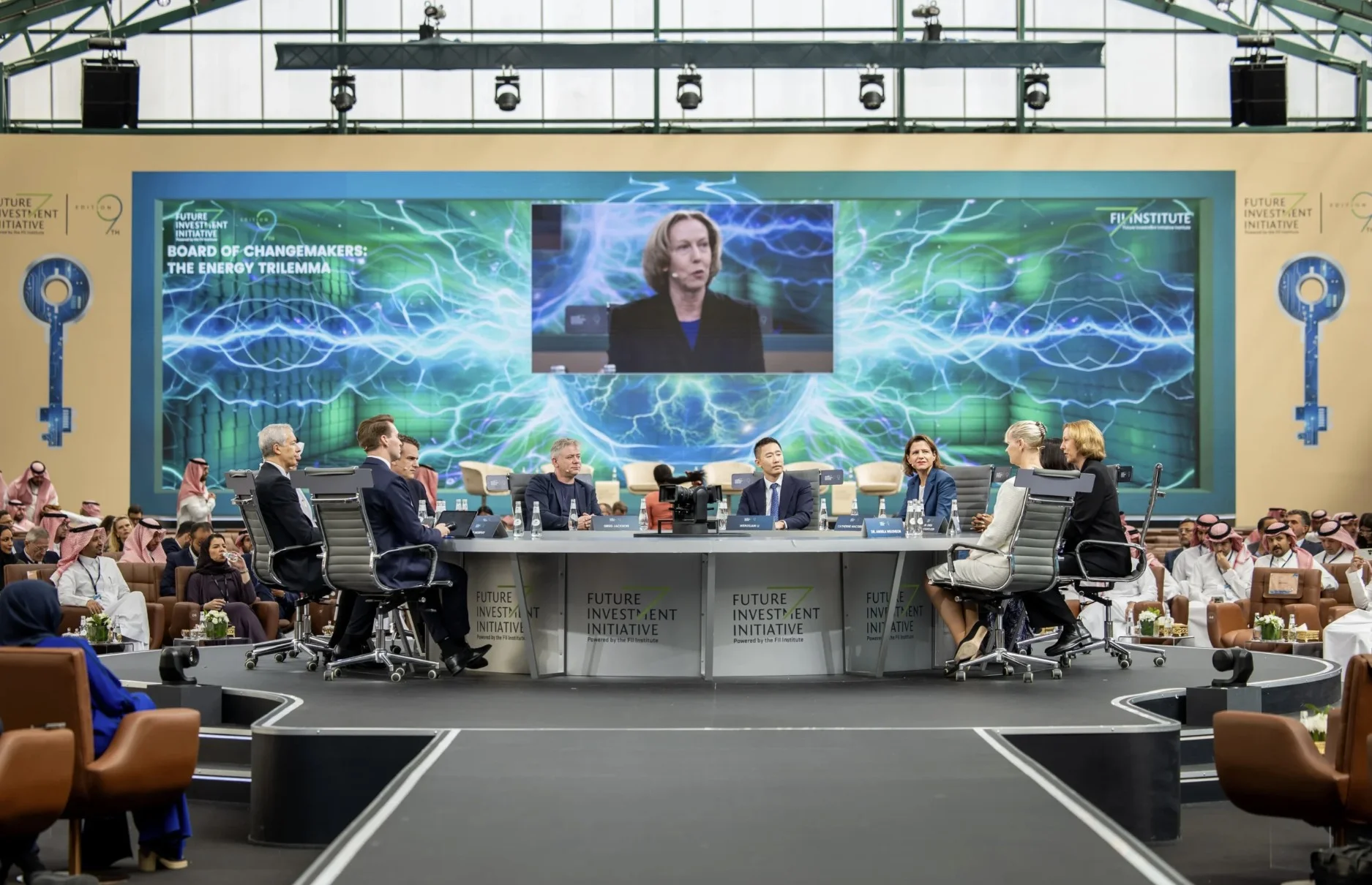
The 10th edition of the Future Investment Initiative (FII), one of the largest events on Saudi Arabia’s international investment calendar, was postponed just one week before it was due to begin. The conference, scheduled to take place under the theme “The Power of Legacy” at the King Abdulaziz International Conference Center in Riyadh from October 26-29, 2026, will now be held on a new date in 2027. FII Institute said existing registrations and partnerships would remain valid and that new dates would be announced shortly. The organization said the postponement was intended to ensure that the 10th anniversary edition could be delivered at the expected scale, quality and level of impact.
However, the decision came at a time when security and transport conditions in the region were being reassessed for international events. Before the postponement, FII had reportedly been preparing to adopt a hybrid model offering remote participation alongside physical attendance. It was also reported that executives from some international companies were reconsidering their travel plans following attacks targeting Riyadh’s airport. In its official postponement announcement, however, FII Institute did not directly link the decision to security developments.
FII is positioned as more than a conventional investment conference, serving as one of Saudi Arabia’s most visible platforms for engagement with the global business community. Bringing together government leaders, senior executives from global companies, investment funds, technology firms and entrepreneurs in Riyadh, the event also serves as an international showcase for the country’s economic transformation program. The postponement therefore represents more than a change to the conference calendar. It also highlights how security, accessibility and participant confidence are becoming increasingly decisive factors for large-scale business events bringing thousands of international attendees to a single destination.
A Hybrid Format Was Considered First
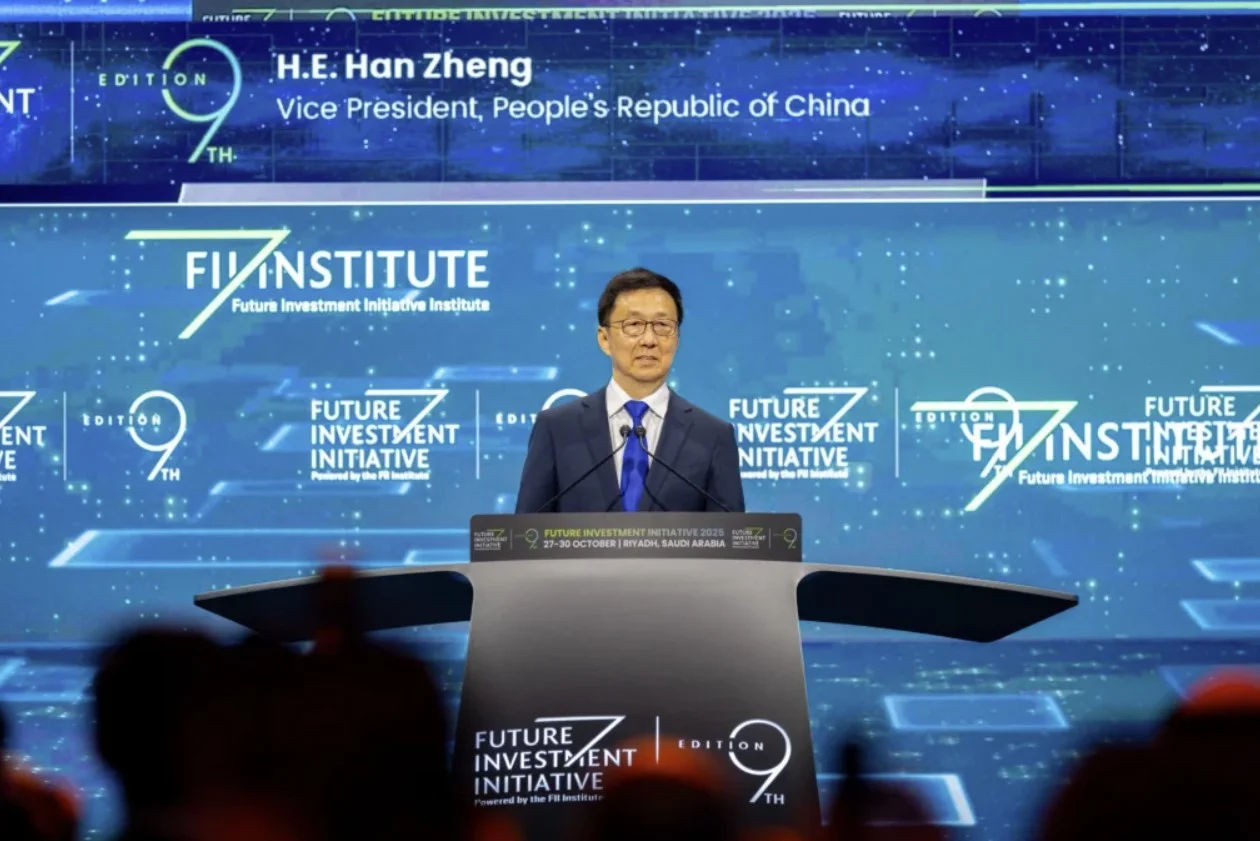
The postponement of FII was not a single-step decision. As security conditions in the region deteriorated, changes to the physical format of the event had already been under consideration. Organizers were reportedly working on allowing international executives expected to attend the conference to join remotely and on holding FII in a hybrid format. The aim was to enable speakers and executives unwilling to travel to Riyadh to participate online. However, around one week before the event, the entire conference was postponed to 2027.
The development also shows that hybrid technologies cannot solve every challenge facing large international events. While allowing speakers to join remotely can keep a program running, investment meetings, closed-door sessions, bilateral discussions, high-level networking and face-to-face dealmaking form a central part of the value of events such as FII. At a conference attended by thousands of people, a significant number of senior participants deciding not to travel can create a much broader problem than whether the program can technically still take place.

More Than 9,000 Delegates Attended Last Year
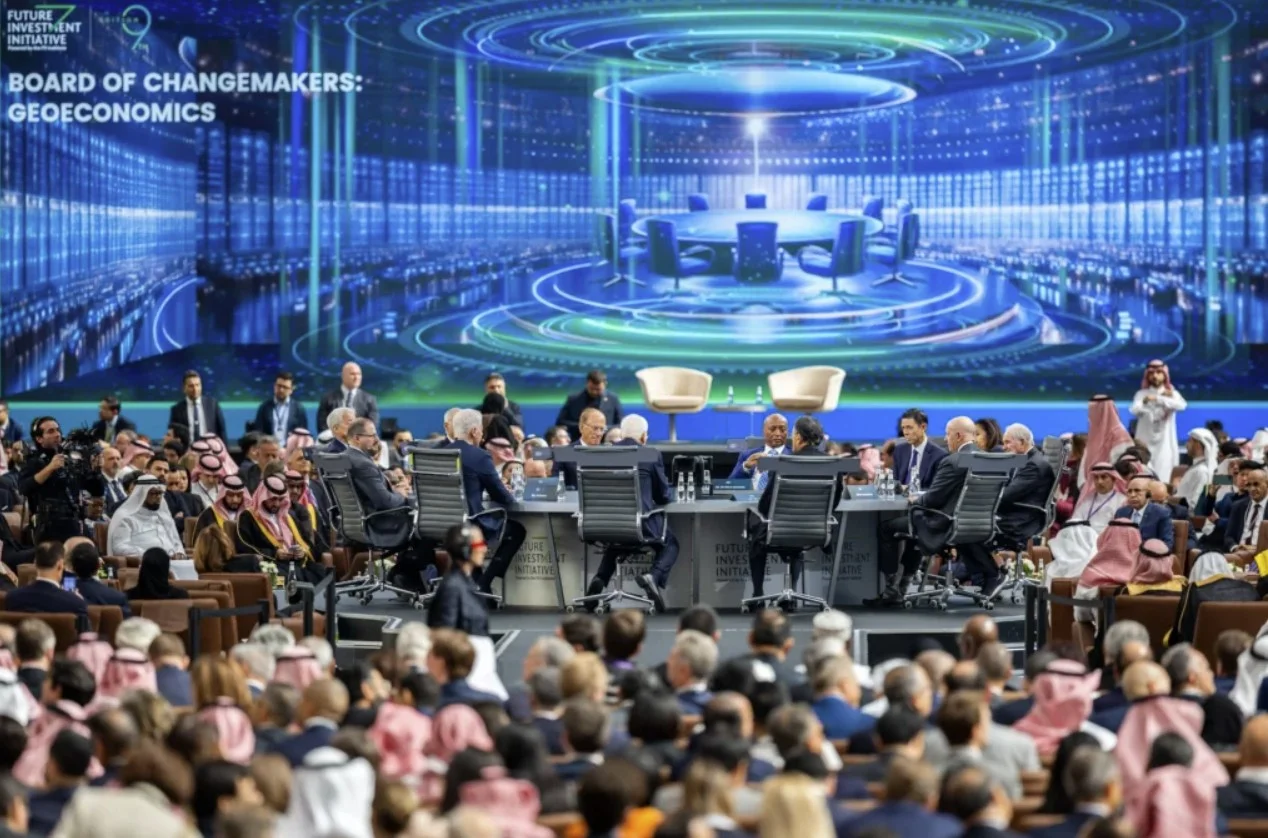
FII9, held in Riyadh in 2025, welcomed more than 9,000 delegates. The event featured more than 650 speakers, around 250 sessions and 20 heads of state. Investors, corporate executives, public officials and technology entrepreneurs from around 90 countries attended the conference. The total value of investments and agreements announced during the event exceeded $50 billion.
According to FII Institute, the platform has helped announce or advance more than $250 billion in investments, agreements and initiatives since the first conference in 2017. This scale has made the event not only a high-attendance conference but also an important point of contact between global capital and Saudi Arabia’s investment projects. This year’s 10th edition was expected to bring together international business leaders and investors across areas ranging from artificial intelligence and energy to biotechnology and capital markets.
Security Is No Longer Outside the Event Program
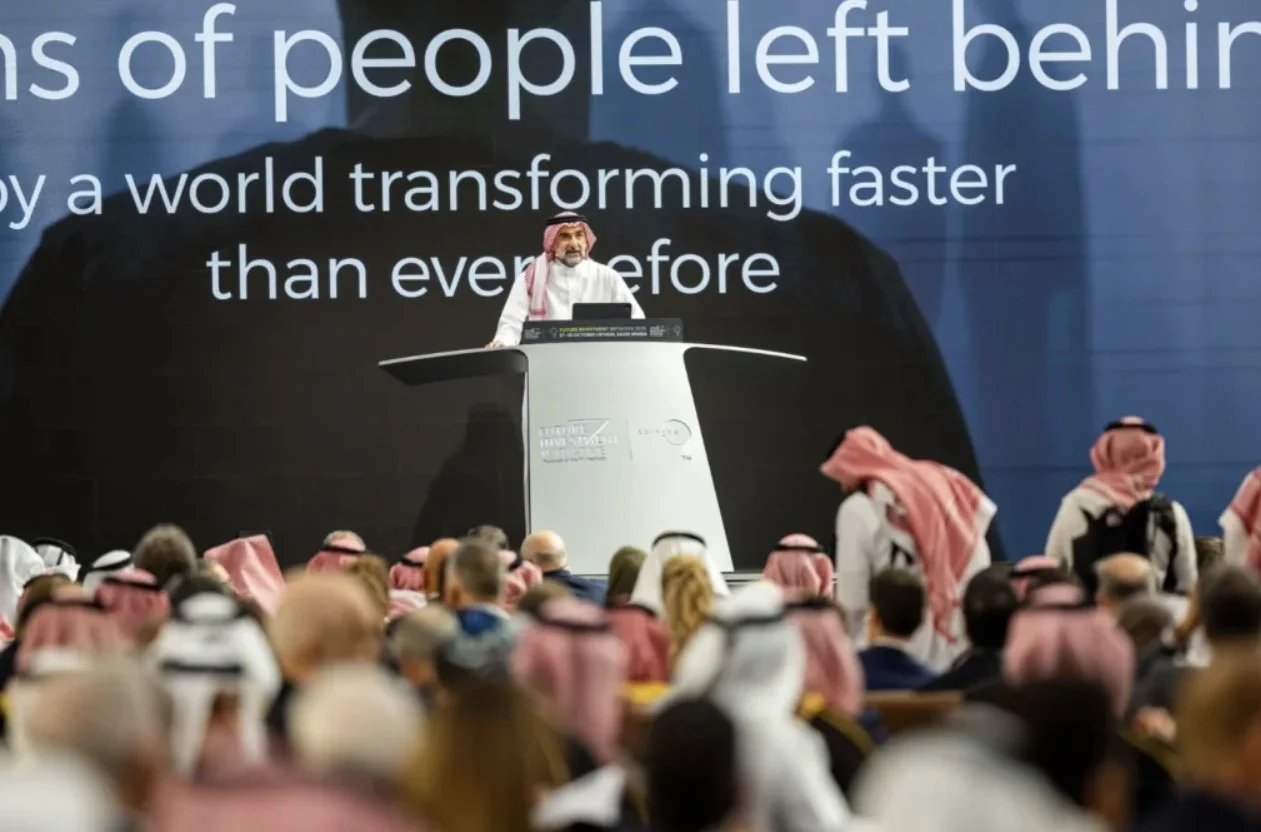
Security has long been a fundamental part of operational planning for international congresses and summits. However, as geopolitical risks increasingly affect air travel and the travel decisions of senior executives, security is becoming a more visible factor in destination selection. For events attended by heads of state, global corporate leaders and representatives of major investment funds, risk is no longer limited to security at the venue itself. Airport operations, flight continuity, insurance conditions, corporate travel policies and confidence that participants can reach the destination all influence whether an event remains viable.
In the case of FII, having a physically ready venue was not enough on its own for the event to proceed. The travel decisions of international participants and the ability to deliver the conference at its expected scale became more important than maintaining the original schedule.