Large conferences are typically built around one central venue. Main stages, breakout sessions, exhibition areas, and professional meetings are brought together under the same roof, with participants moving around that central hub throughout the program. San Francisco Tech Week takes the opposite approach, largely removing the convention center from the equation.
Presented by Andreessen Horowitz, Tech Week took place across San Francisco from October 5-11 with more than 1,500 events. However, these were not all produced by a single organizer. Startups, technology companies, investment funds, and organizations from different sectors independently hosted their own programs, while Tech Week brought them together within the same week and under a shared digital platform. The result was less a conventional conference and more a citywide network of events. Panels, investor meetings, dinners, hackathons, product showcases, workshops, and social gatherings took place simultaneously across SOMA, the Financial District, Downtown, the Mission, the Embarcadero, and dozens of other neighborhoods.
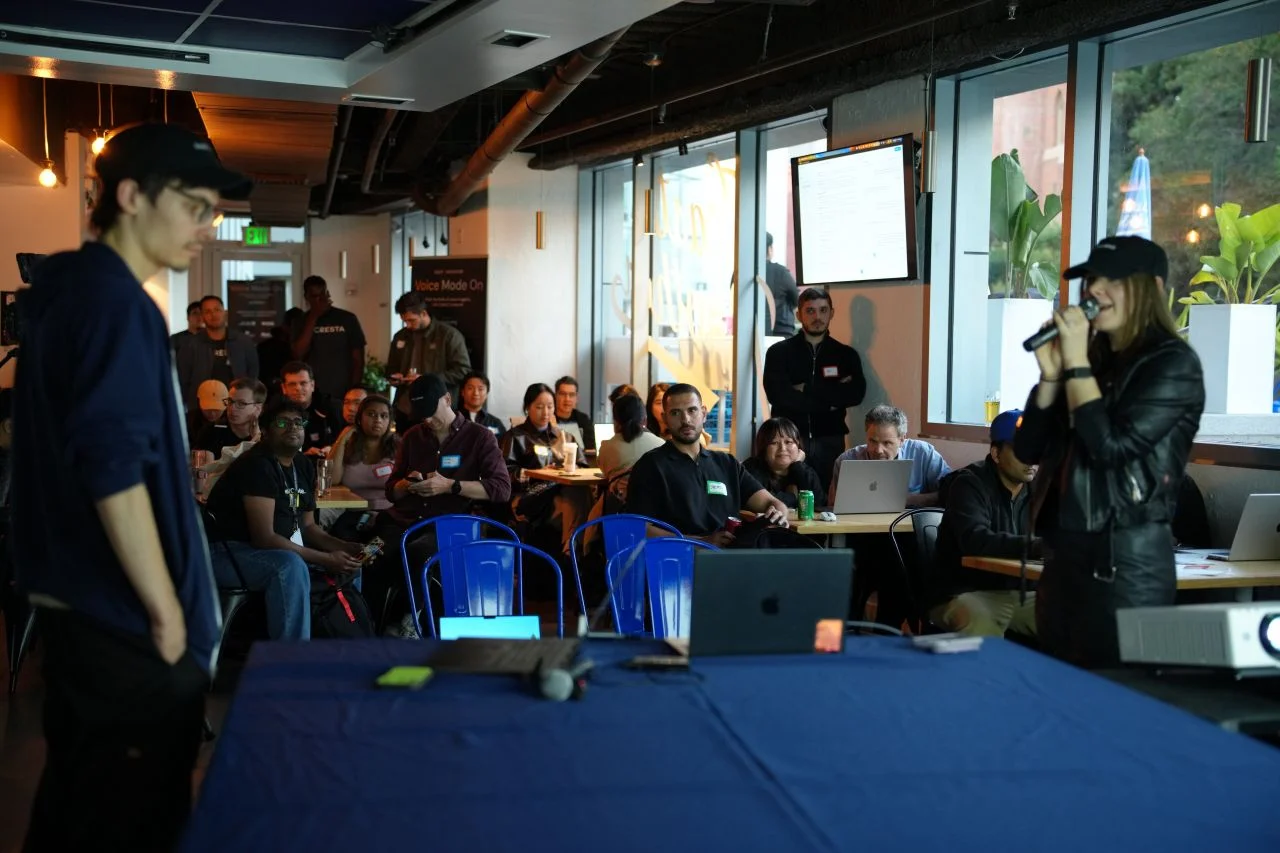
The scale of the program was created not by putting more participants into a single hall, but by generating a larger number of smaller gatherings. A typical Tech Week event was designed for around 100 people, while the number of dinners with fewer than 30 guests increased by 40 percent compared with the previous year. The program also included more than 120 hackathons and technical events.
Thousands of Options Instead of a Single Program
Tech Week’s official schedule featured a wide range of formats, from networking events and panels to experiential gatherings and roundtable discussions. More than 780 events were listed under networking, while panels and talk-based sessions exceeded 500. Hundreds of social events, workshops, breakfasts, and small-group meetings were also spread across the program.
Artificial intelligence was by far the most prominent content theme. More than 1,000 events were organized around AI, while investment, B2B, engineering, deep tech, product development, and entrepreneurship also formed major parts of the program. A schedule of this scale makes it impossible for participants to follow everything. In a traditional conference, the organizer presents attendees with a defined program. At Tech Week, participants build their own. Someone might attend a small investor breakfast in the morning, a product showcase in the afternoon, and a networking event hosted by another company in the evening. At the same time, dozens of alternative programs continue elsewhere across the city.
Smaller Gatherings Instead of Bigger Halls
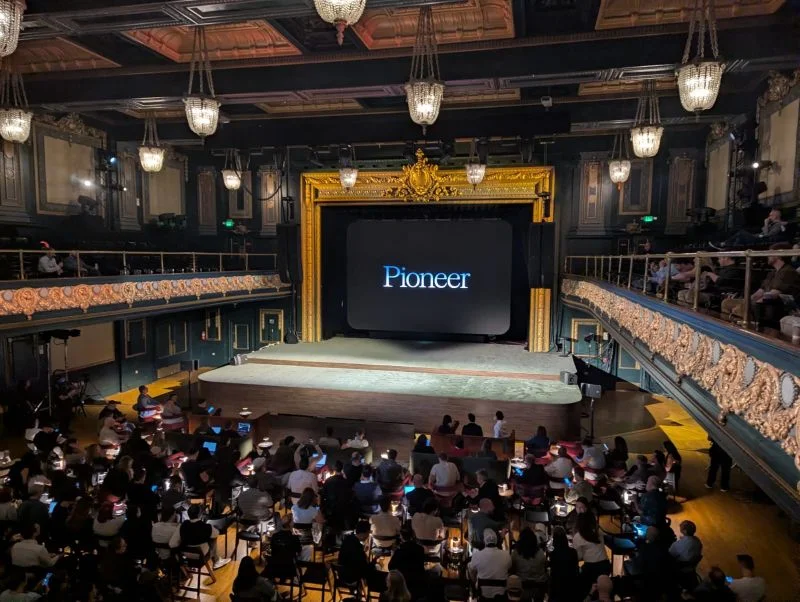
There is a notable contrast between the overall scale of Tech Week and the size of its individual events. Although the full program exceeded 1,500 events, a large share of the gatherings were not designed for hundreds or thousands of attendees. Events of around 100 people formed the core of the model, while smaller dinners and invitation-only gatherings continued to grow. This approach offers a different solution to one of the common challenges of large events: networking. Rather than placing thousands of participants in the same exhibition hall, smaller groups with shared interests meet in different venues across the city.
Interest in the 2026 program also reflected the scale of the model. Organizers received more than 2,300 event submissions across the San Francisco and Los Angeles editions.
The City Becomes the Event Venue
Although the highest concentration of events was around SOMA, the Financial District, and Downtown, Tech Week extended across dozens of San Francisco neighborhoods. Offices, restaurants, bars, technology company headquarters, event spaces, and other private venues all became part of the program. This also brought movement through the city into the event experience itself. Instead of moving between different halls within the same building, participants traveled between different parts of San Francisco throughout the day.
From a destination perspective, the model also distributes the economic impact of a traditional congress in a different way. Rather than concentrating activity around a single convention center and nearby hotels, restaurants, smaller event venues, and businesses in different neighborhoods can become part of the event flow. The trade-off is greater logistical complexity. Deciding which event to attend, accounting for travel time between venues, and choosing among hundreds of simultaneous programs all become part of the participant experience.
Content Becomes the Shared Space
At traditional congresses, a common venue, stage design, and program flow help participants feel that they are part of the same event. At Tech Week, people who may never be in the same room still need to share a sense of common experience. Digital content plays a central role in creating that connection. Images, short summaries, and social media content from individual events are distributed quickly, allowing participants to follow programs they could not attend in person.
Even if someone attends only a handful of events during the week, they can still see what is happening across the city through the digital flow. In this way, content becomes more than a promotional tool used after the event. It becomes part of the infrastructure that connects a fragmented program.