

MENASA is strengthening its position in the global travel market not only through tourism volume, but also through business travel and international meetings. The ATM Travel Trends Report 2026, prepared with contributions from the International Congress and Convention Association (ICCA) and Oxford Economics' Tourism Economics unit, shows that growth in the region is accelerating particularly in business events.
According to the report, business travel accounts for a significant share of total international visits across the Gulf countries. At the same time, participation in international association meetings in the Middle East has nearly doubled over the past decade. International business travel across MENASA is also expected to record strong growth through 2030.
MENASA Is Growing Faster Than Global Travel
The rise in business travel is closely linked to the region's broader tourism performance. According to the ATM Travel Trends Report, total travel volume across MENASA in 2025 was around 50 percent above 2019 levels. This growth was roughly three times the increase recorded in the global travel market over the same period. Although geopolitical developments are expected to weigh on performance in 2026, Tourism Economics forecasts international travel in MENASA to grow by 17 percent in 2027. The global growth forecast for the same period stands at 8 percent.
Long-term forecasts also suggest that the scale of the market will continue to expand. International arrivals across MENASA are expected to reach 316 million by 2030, while international visitor nights are projected at 2.3 billion and travel spending at approximately $408 billion.
The Gulf Leads Business Travel Growth
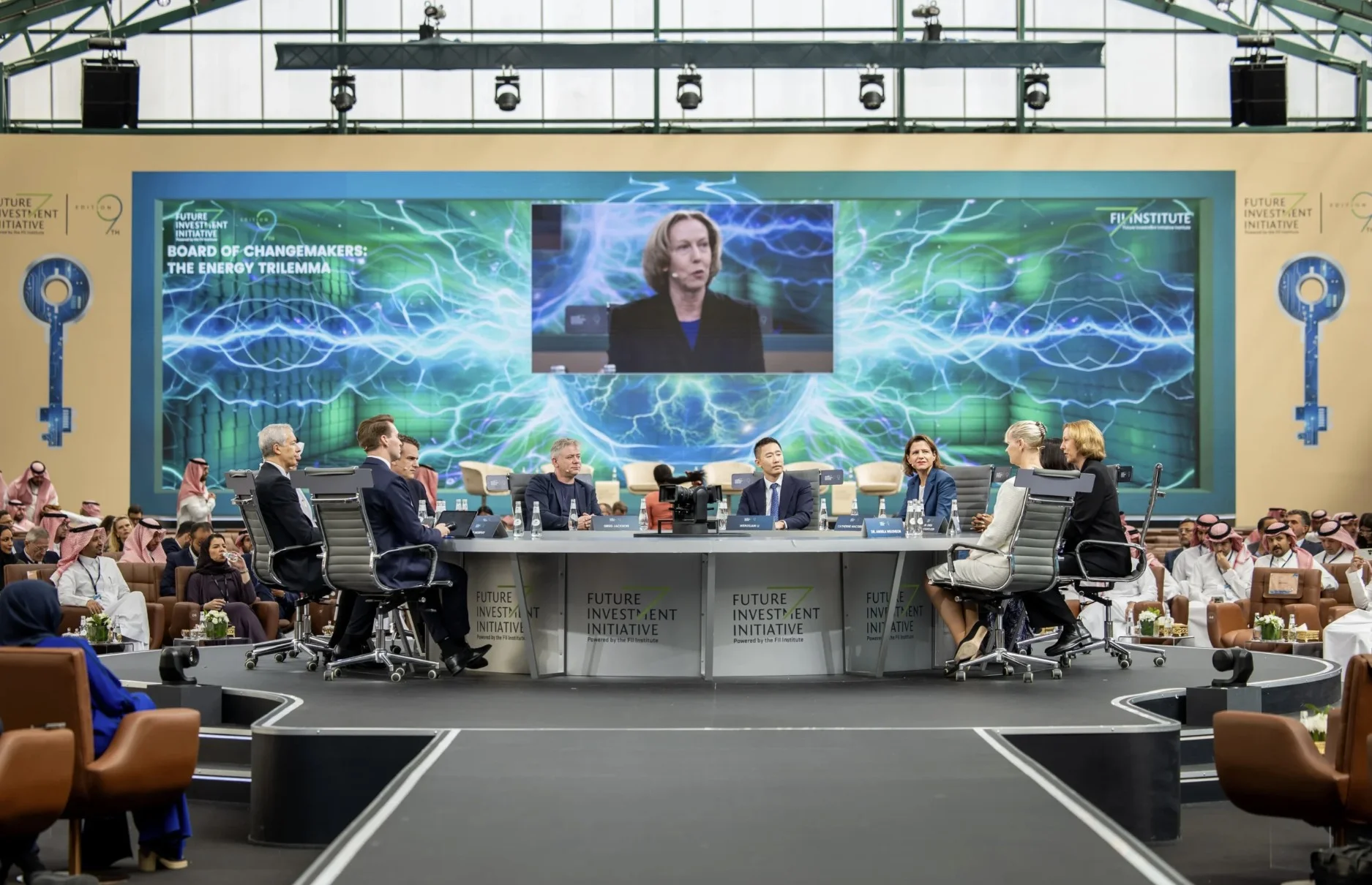
The Gulf countries are among the strongest centres of regional growth. ICCA notes that business travel already represents a significant share of international visitor traffic across GCC countries. Demand is being supported by new convention centres, hotels, airline connectivity and investment in large-scale events.
Data from 2026 also points to continued momentum in corporate travel demand. According to August figures from business travel platform Tumodo, business travel bookings across the MENA region increased by 34.2 percent year on year. Over the same period, the average trip length rose from 4.2 days to 6.5 days, while the share of Business Class bookings increased from 6.1 percent to 8.6 percent.

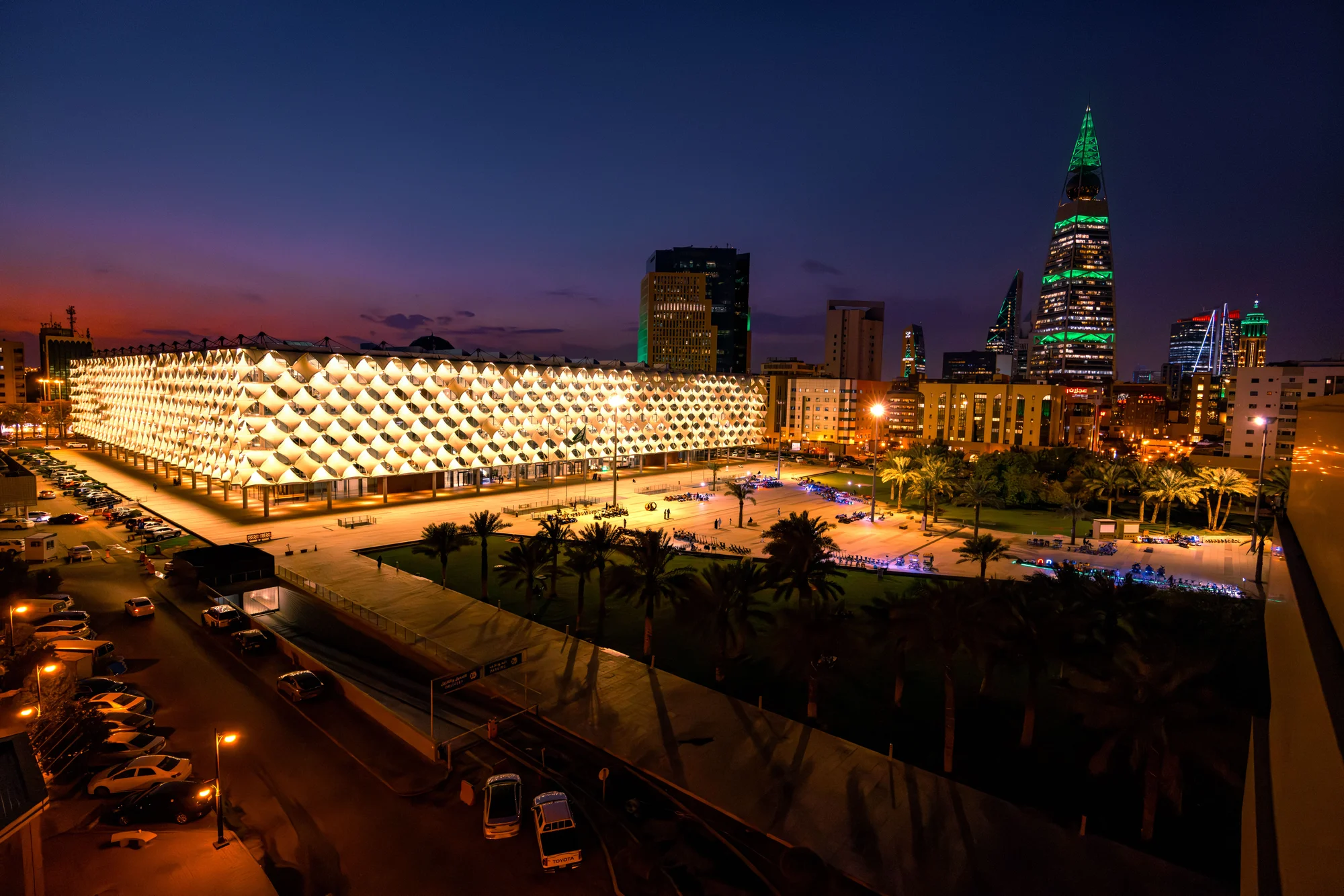
Saudi Arabia stands out in particular. According to Tumodo's data for the first quarter of 2026, the country accounted for 30 percent of business travel in the region, followed by the United Arab Emirates with 20 percent and Egypt with 10 percent.
Participation in International Meetings Is Rising
International association meetings represent another pillar of MENASA's growth. According to ICCA, participation in association meetings in the Middle East has nearly doubled over the past decade. This increase does not simply mean more events being held; it also creates greater economic activity for convention centres, hotels, airlines and destination management organisations.
ICCA's 2025 data covers 12,438 international association meetings worldwide. The organisation notes that destinations are increasingly evaluating these meetings not only in terms of attendance, but also through knowledge transfer, economic impact and long-term destination value. Infrastructure investment across MENASA is also being developed with the aim of capturing a larger share of this market, showing that the region's MICE growth is being supported on both the demand and supply sides.
Infrastructure and Connectivity Are Driving Growth
MENASA's rise in business travel and MICE is not being driven by a single factor. New convention centres, expanding hotel capacity, the extensive networks of Gulf-based airlines, major international events and commercial links between Asia and Europe are all supporting the region at the same time. This is also creating a new competitive landscape for MENASA destinations beyond established centres such as Dubai, Riyadh and Doha.
The data suggests that by 2030 the region is preparing not only to welcome more tourists, but also to attract more business travellers, congress delegates and visitors with higher spending potential. The real challenge for MENASA is no longer simply increasing visitor numbers, but converting rising travel volumes into greater economic value.