


Growth in the luxury hospitality market is not coming only from new hotels and additional room capacity. According to Grand View Research’s 2026 Luxury Resort Market report, the global luxury resort market was valued at $115.8 billion in 2025. It is expected to reach $122.5 billion in 2026 and $203.1 billion by 2033, representing a compound annual growth rate of 7.5% over the period.
The expansion is being driven not only by higher travel volumes, but also by changing expectations among high-end travellers. Private villas, personalised programmes, wellness services, gastronomy, cultural experiences and greater privacy are becoming increasingly important elements of the luxury resort product.
Destination Resorts Account for the Largest Share of the Market
Destination-focused properties continue to dominate the luxury resort market. According to Grand View Research, destination resorts accounted for 72.8% of market revenue in 2025, while international travellers represented 51.8% of the total market. This distribution shows that luxury demand is not limited to city hotels or traditional holiday resorts. Travellers are increasingly choosing destinations where the stay itself becomes a reason to travel, with gastronomy, nature, wellness, sports and local experiences offered within the same environment.
Chain brands also hold a strong position in the market. In 2025, 56.8% of global luxury resort revenue came from chain properties, while major hotel groups continued to expand their resort portfolios into new destinations.

Privacy Is Becoming a Core Element of Luxury
Changing guest expectations at the upper end of the market are also shaping resort design. Villas with private pools, independent living spaces, personalised dining experiences and dedicated wellness areas are becoming increasingly common features in new developments.

Grand View Research notes that luxury travellers are placing greater emphasis on privacy, personalised service and destination-specific experiences compared with traditional accommodation models. Resort brands are responding by expanding private villas, tailored programmes, gastronomy and wellness offerings. This shift is moving the luxury resort concept away from simply meaning larger rooms, higher service levels or more expensive properties. More independent living spaces, where the overall stay can be shaped around the individual guest, are becoming a new point of competition in the upper segment.
Asia Pacific Stands Out for Growth
Europe remains the strongest region by market size, accounting for 29.3% of global luxury resort revenue in 2025. However, the fastest growth between 2026 and 2033 is expected to come from Asia Pacific. India stands out in particular. The country’s luxury resort market is forecast to grow at an average annual rate of 12.9% between 2026 and 2033, while new investments in destinations such as Rajasthan, Goa, Kerala and Uttarakhand are increasingly focused on wellness, destination weddings, cultural heritage and nature-based experiences.
In China, the luxury resort market is projected to grow from around $7.2 billion in 2025 to $14.1 billion by 2033. India, meanwhile, is expected to remain one of the fastest-growing markets within Asia Pacific.

Resorts Are Becoming Larger Than a Single Hotel
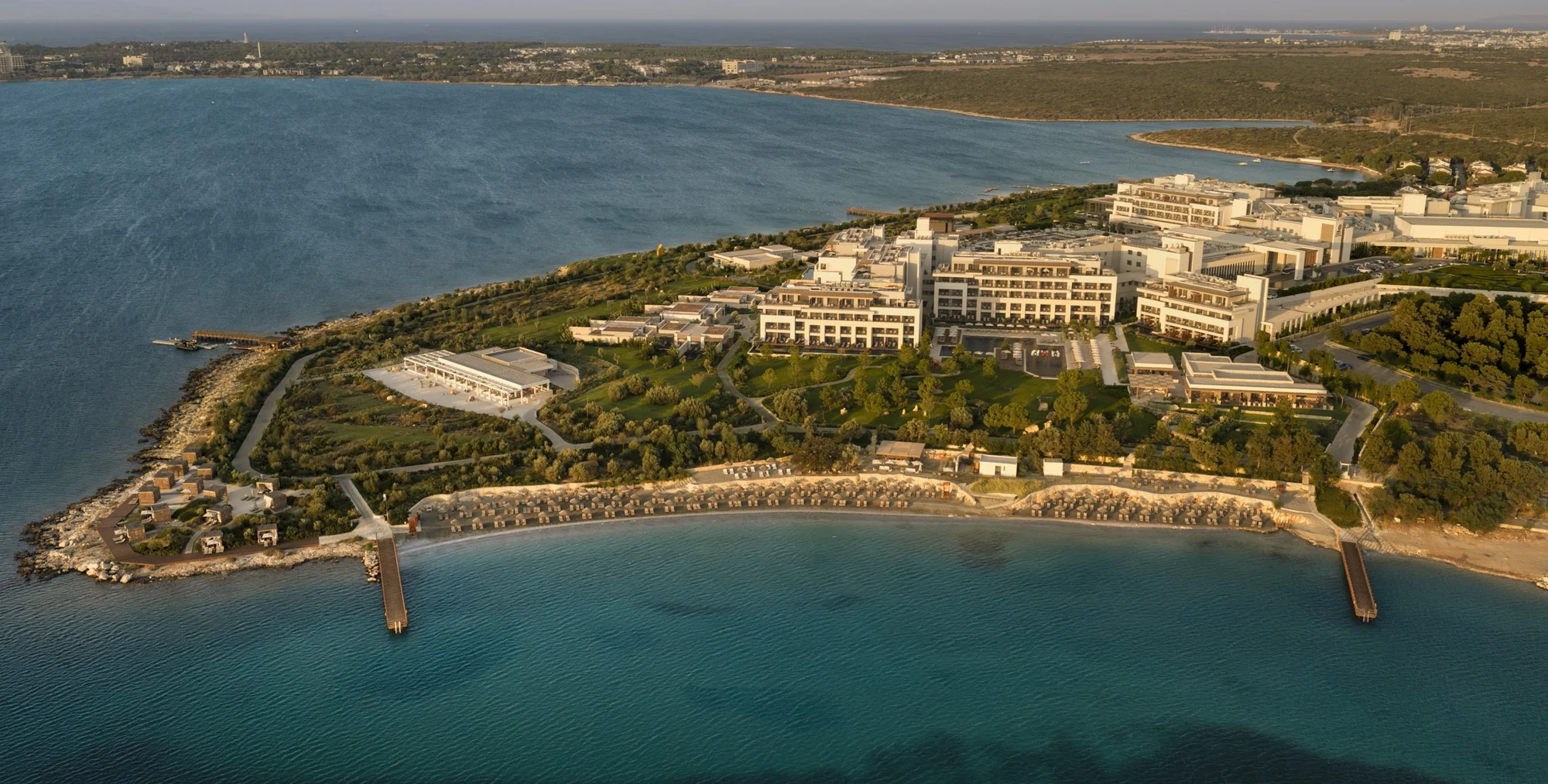
Another major shift in the luxury resort market is the move beyond the traditional standalone hotel model. Hotel groups and investors are developing larger resort ecosystems that combine accommodation with branded residences, restaurants, wellness centres, retail areas and entertainment infrastructure. This structure reduces dependence on room revenue alone while also encouraging guests to stay longer and spend across a wider range of services within the same destination.
With the global luxury resort market expected to grow by around $80 billion by 2033, competition will not be driven solely by new hotel openings. Resorts that can combine privacy, personalisation, wellness and destination-specific experiences within a single product will be competing for a larger share of the expanding market.