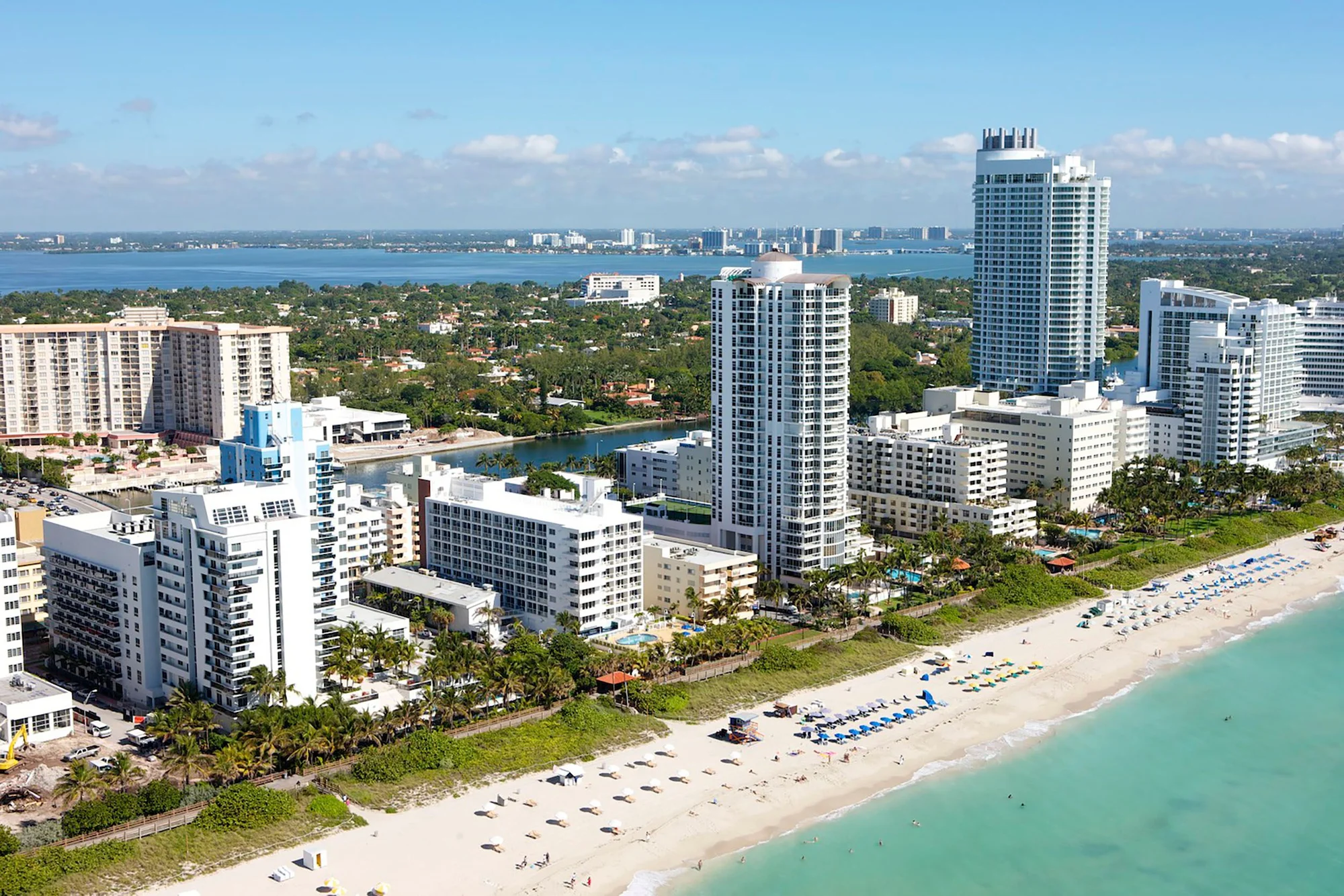


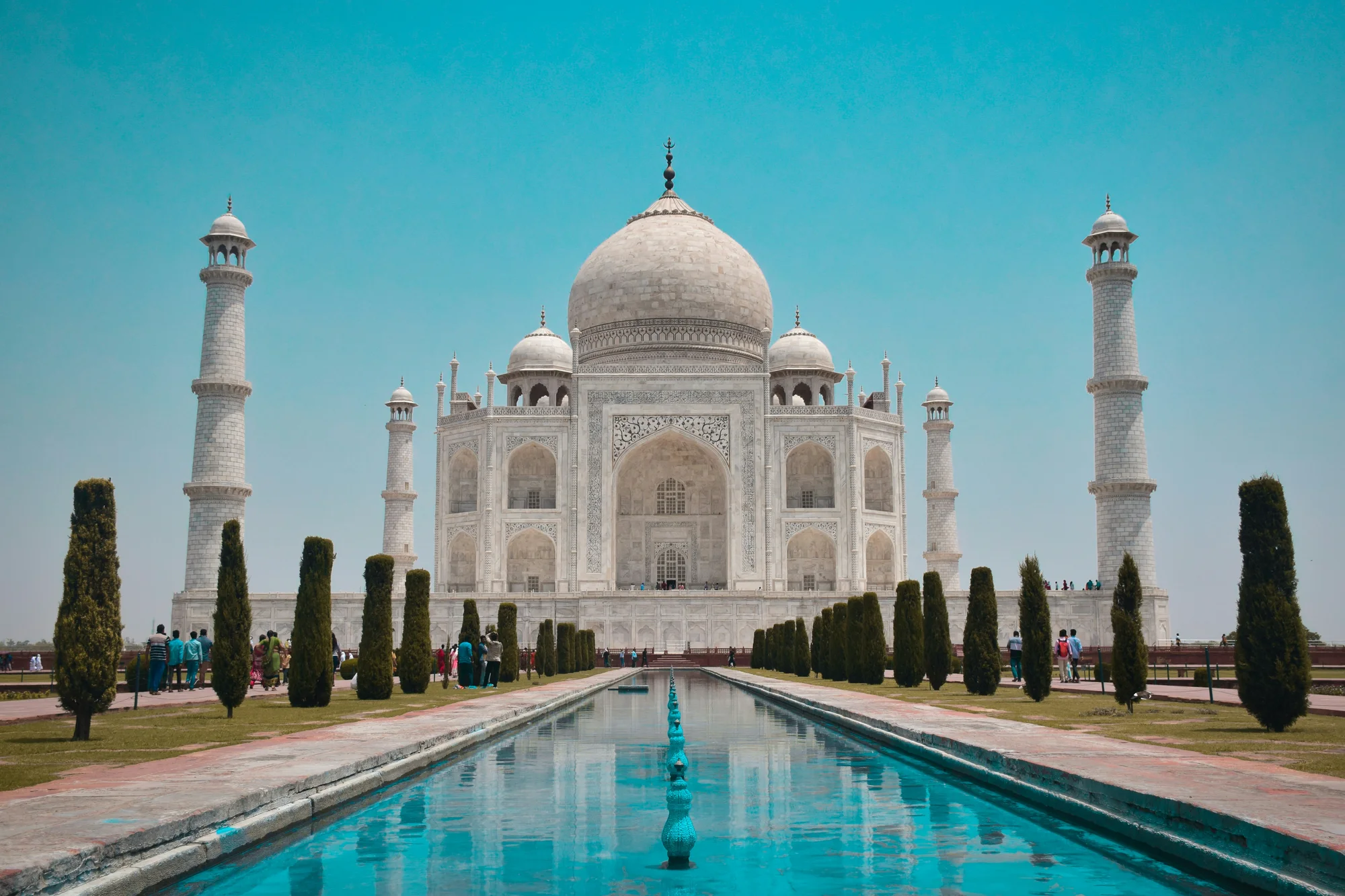
India is entering a new phase of tourism growth. The “Reimagining Indian Tourism: Unlocking the Next Wave of Growth” report, published by CBRE India on September 30, points to a shift in the country’s tourism strategy from visitor numbers toward destination quality, connectivity and the overall visitor experience.
According to the report, India’s long-term ambition is to build a $3 trillion tourism economy by 2047. New airports, road and rail investments, electronic visa programmes and destination development initiatives are helping the country create a broader tourism network.
Hotel Capacity Reaches 450,000 Rooms
According to CBRE data, India’s organised hotel sector has reached approximately 450,000 rooms. The report notes that hotel occupancy remains strong and room revenues continue to show healthy performance across the country. However, this capacity is not evenly distributed. Uttar Pradesh alone accounts for 36 percent of domestic tourist visits in India, while in some states the supply of five-star hotels continues to lag behind visitor volumes. CBRE notes that this gap could create new investment opportunities for the organised hospitality sector.
Tamil Nadu, Andhra Pradesh, Karnataka, West Bengal and Rajasthan are also among the markets standing out with different tourism products. This suggests that future hotel investment in India may extend beyond major centres such as Mumbai, Delhi and Bengaluru.
MICE Is Emerging as a New Growth Segment
The report identifies MICE as one of the growing segments of India’s tourism industry. Medical and wellness tourism, faith-based travel and sustainable tourism are also highlighted as areas of growth. Adventure, cruise, rural and nature-based tourism are listed among other segments with investment potential.

This diversification reflects India’s effort to move away from a tourism economy based mainly on high visitor volumes. Higher-spending travel segments such as congresses, incentive travel and corporate events can generate a wider economic impact across hotels, event venues and transport. Investment in India’s MICE capacity has also accelerated in recent years. Large-scale convention and exhibition centres such as Yashobhoomi in Delhi are among the key infrastructure projects supporting the country’s ambitions in the international business events market.
Transport Investments Are Opening New Destinations
The CBRE report highlights transport infrastructure as one of the key drivers of growth. The UDAN regional air connectivity programme, new highways and rail projects are opening previously less accessible destinations to the travel market, while India’s electronic visa system now covers 172 countries. Public initiatives such as Swadesh Darshan 2.0 and PRASHAD are also supporting destination development and tourism infrastructure.
These investments are important for spreading tourism beyond traditional hubs. Connecting more destinations to air and land transport networks could create new markets not only for hotel investment, but also for meetings, congresses and group travel.

Labour Shortages Remain a Challenge
Rapid growth in India’s tourism and hospitality sectors is also creating significant workforce demand. CBRE estimates that the sector could face a labour shortage of around 11 million people by 2035. According to the report, employee retention, vocational training and the development of specialised skills will be critical to sustaining growth in the coming years.