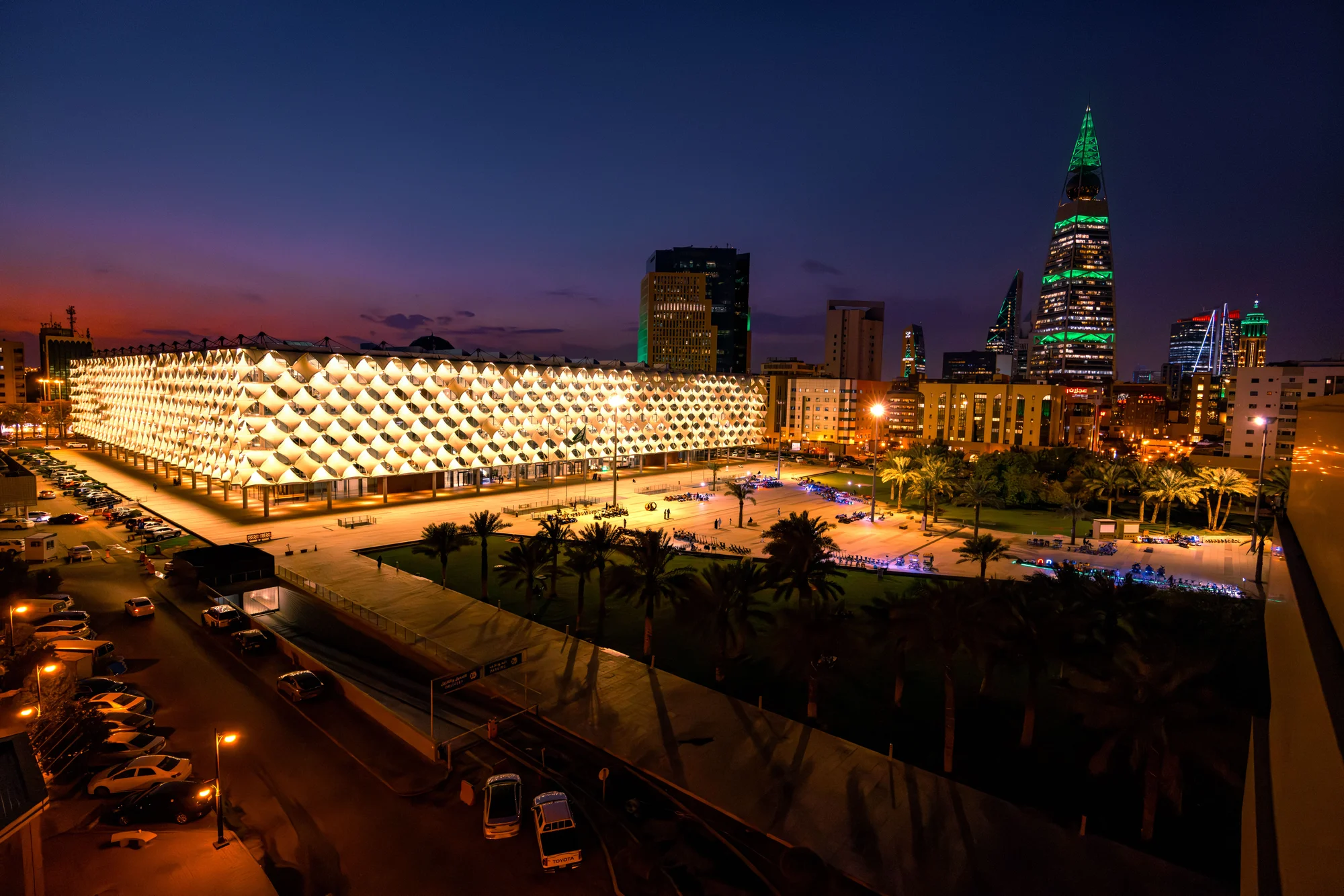


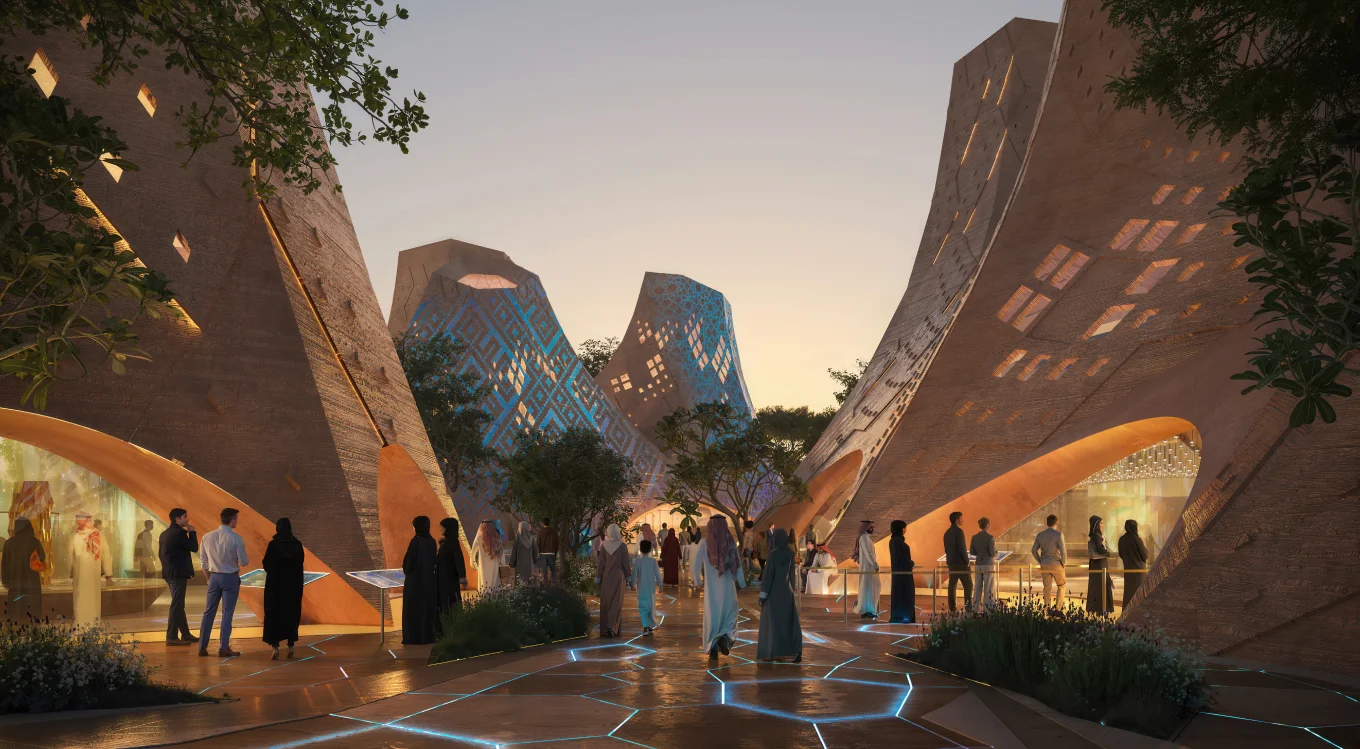
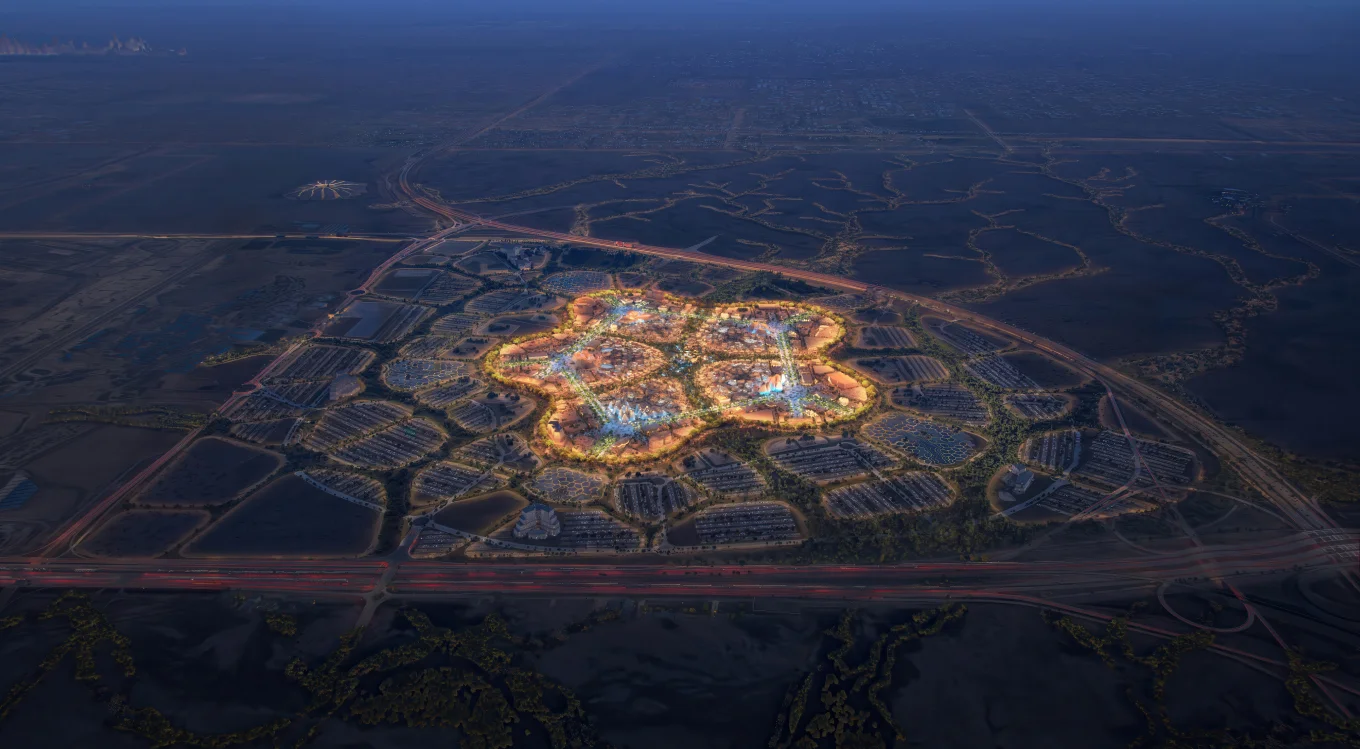
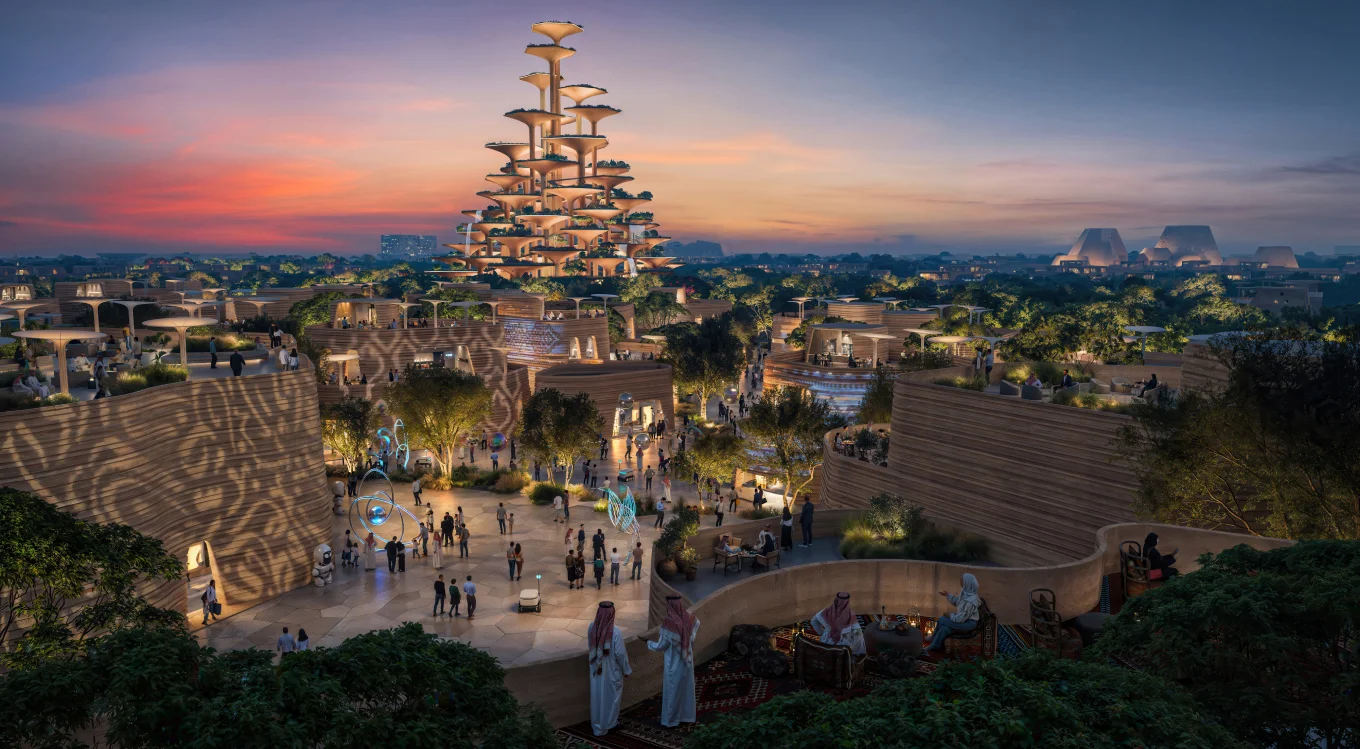
Saudi Arabia's growing events calendar is not designed solely to bring more visitors to the city. Infrastructure, hospitality and transport investments announced in recent months indicate that major events are also playing a role in Riyadh's development as an international destination. Expo 2030 represents the largest component of this transformation. Infrastructure work is progressing for the event, which will take place across an area of approximately 6 million square metres. Plans also call for the Expo site to be integrated into Riyadh's transport network and developed as a district that can remain in use after the event.
A New District Is Being Built for Expo
Expo 2030 Riyadh announced in April 2026 that two new contracts had been awarded for the site's main infrastructure. The projects cover roads, electricity and water systems, telecommunications infrastructure, smart transport systems and electric vehicle charging points. Investment is not limited to the Expo grounds. In September, Expo 2030 Riyadh and Mohammed Al Habib Real Estate signed a joint venture agreement worth SAR 3.2 billion to develop Expo Village. The district, which will provide accommodation for international participants during the event, is expected to have capacity for approximately 5,500 people.
The Expo site's proximity to King Salman International Airport and its planned connection to the Riyadh Metro also form an important part of the project's transport strategy. The aim is for infrastructure developed for Expo to contribute to the city's long-term development beyond the event itself.
Riyadh Is Not Waiting for Expo
The city's international events strategy is already expanding well ahead of 2030. LEAP 2026, held in September, brought companies and investors from fields ranging from artificial intelligence and data centres to cloud technologies together in Riyadh. Investments and agreements announced during the event reached a combined value of approximately $15 billion.
Riyadh International Industry Week, held in June, welcomed 337 exhibiting companies from 17 countries and more than 14,000 visitors. New events are also being added to the city's international calendar. WTM Spotlight, the regional event from World Travel Market, was held in Riyadh for the first time in September, while MIPIM Middle East, an international gathering for the real estate sector, is scheduled to take place in the city in October.
The emerging picture suggests that Riyadh is positioning events not simply as drivers of visitor traffic, but as economic platforms that bring together technology, investment, real estate and other industries within the city.
Hospitality Capacity Is Also Expanding
The accommodation capacity required to support major events is expanding at the same time. According to data published by Knight Frank in June 2026, more than 105,000 new hotel rooms are currently under construction or in advanced planning stages across Saudi Arabia. The country's existing inventory of approximately 176,000 rooms could exceed 281,000 by 2030 if the current development pipeline is completed.
Riyadh is one of the key centres of this investment wave. Hotel projects underway and in the pipeline are creating additional capacity to serve growing business and leisure travel demand, as well as the accommodation needs generated by international events. Riyadh's events calendar, however, does not end with Expo 2030. Saudi Arabia is preparing to host the AFC Asian Cup in 2027, Riyadh will host World Expo 2030, and the country will stage the FIFA World Cup in 2034.