

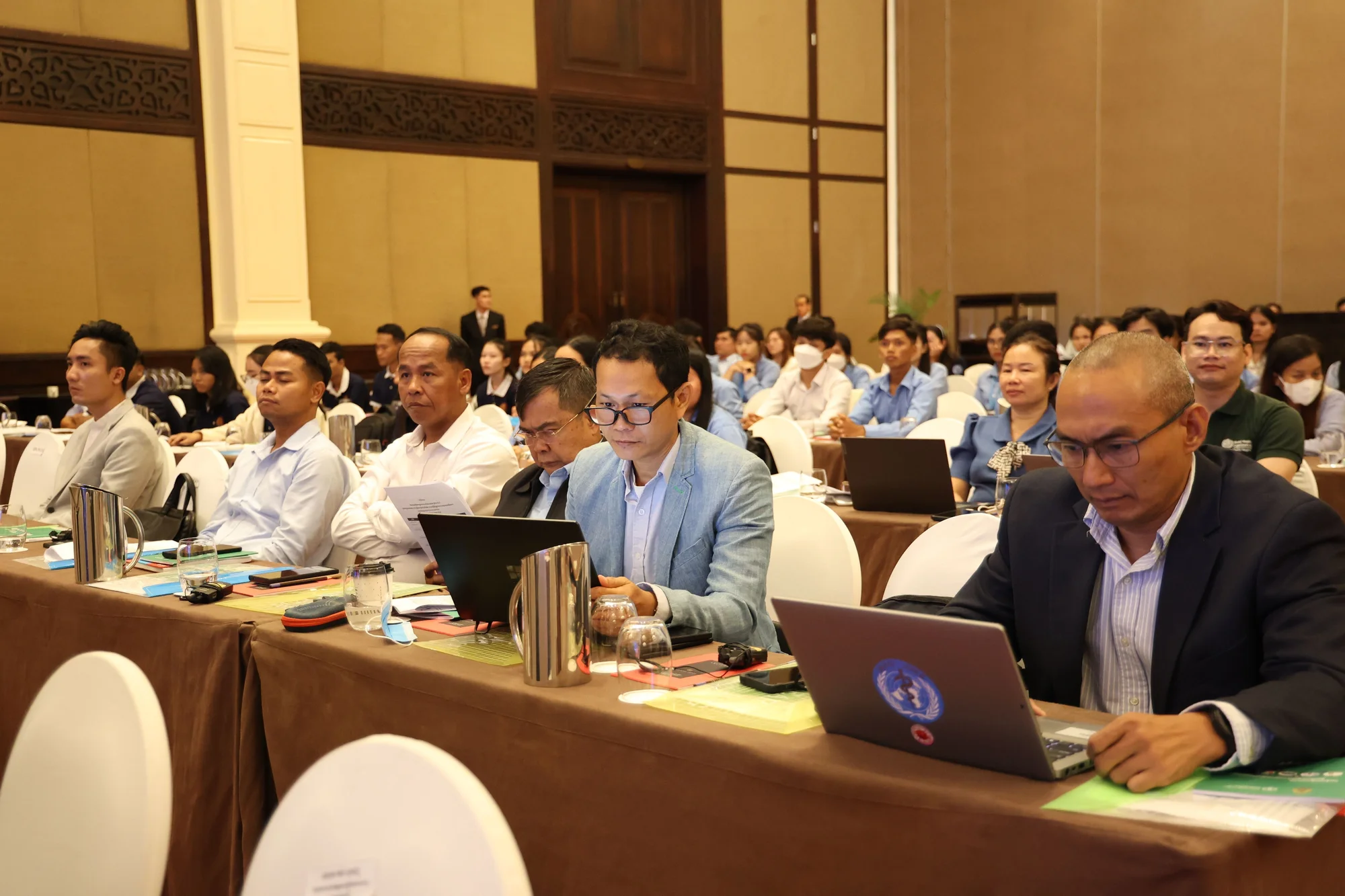
The geography of hospitality investment across Asia-Pacific is continuing to broaden. New branded hotels are no longer concentrated only in traditional international travel hubs such as Tokyo, Bangkok, Singapore, Shanghai, or Sydney. Regional cities, leisure destinations, and emerging business centers are gaining a larger place in the investment plans of major hotel groups.
Data from the past 15 years shows that approximately 85-90 percent of branded hotel deals signed across the region have taken place outside the 20 largest gateway cities. The trend has continued after the pandemic. Since 2019, between 84 and 88 percent of new agreements have been signed in markets outside the major hubs, while the share stood at 85.9 percent in the first quarter of 2026. The shift is not limited to growth in room numbers. Secondary cities were previously dominated by midscale and economy hotel development, but the latest investment cycle is bringing a larger share of upscale and luxury properties. This is giving some destinations the infrastructure to accommodate not only individual business and leisure travelers, but also larger corporate groups, incentive travel programs, and meetings.
For the MICE sector, hotel capacity alone is not enough, but it remains an important starting point. The ability to accommodate hundreds or thousands of participants in the same destination, offer rooms across different price points, and provide meeting, dining, and social event spaces can directly influence destination selection.
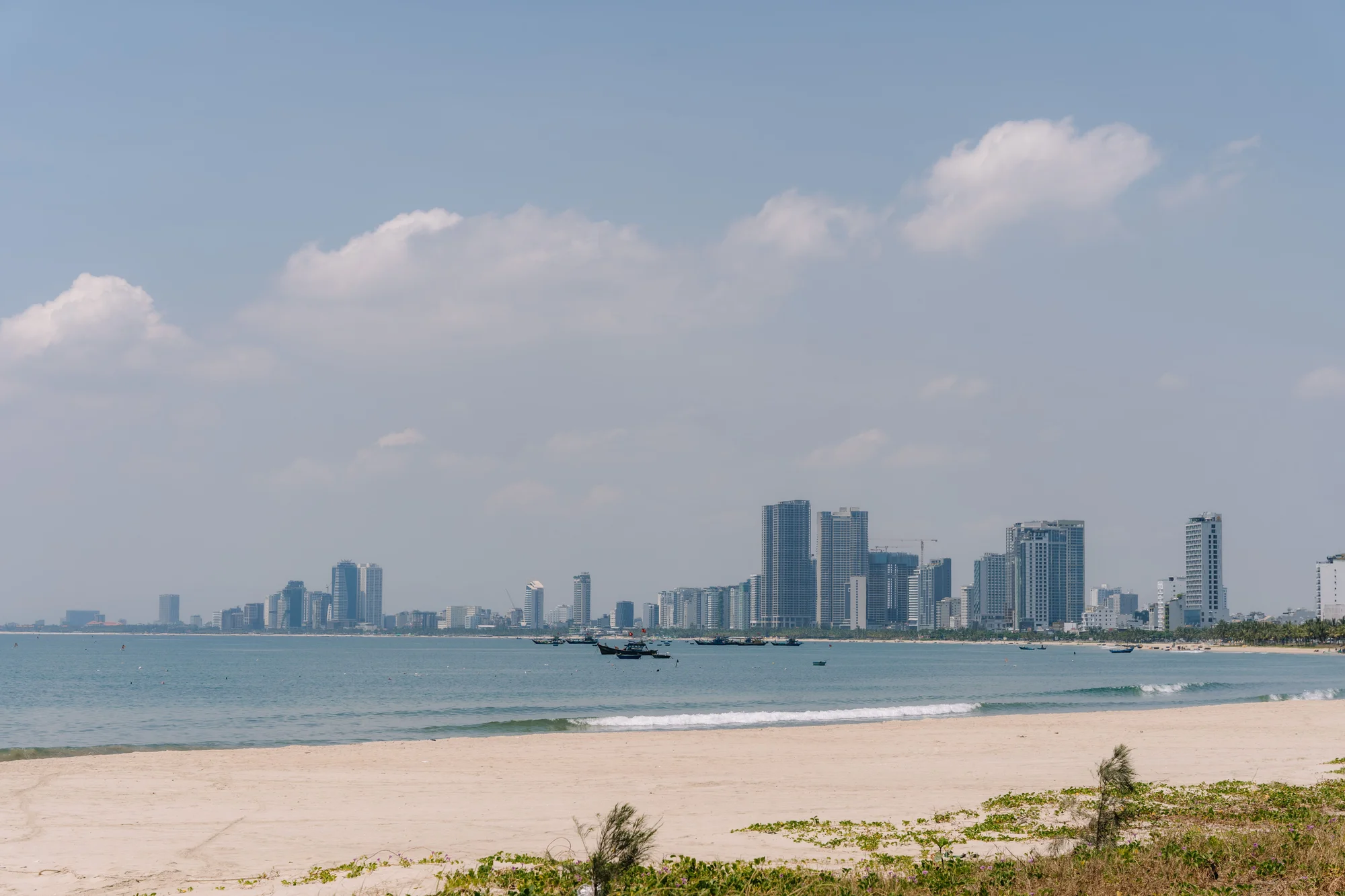
Investment Is Accelerating in Secondary Cities
India is one of the markets where this shift is most visible. The volume of branded hotel deals signed in the country’s secondary and tertiary cities increased by 452 percent between 2019 and 2025. Similar momentum can be seen in other major markets across the region. Deal volume in Japanese cities outside the main gateways grew by 89 percent over the same period, while China recorded a 71 percent increase. In South Korea, only one deal was recorded in this category in 2019, compared with 14 in 2025.
Tourism demand is not the only force behind this growth. New industrial zones, technology investment, manufacturing centers, and expanding local economies are also pushing hotel demand beyond major capitals and financial centers. In India, China, Vietnam, and Indonesia in particular, the emergence of new business hubs is increasing corporate travel while also creating demand for meetings, training programs, and company events.
Destinations Combining Business and Leisure Are Gaining an Advantage
A significant share of new investment is flowing into destinations capable of generating both business and leisure demand. Batam in Indonesia creates corporate travel through its special economic zones and industrial investment, while also attracting short leisure breaks. Bali, meanwhile, has long combined a strong leisure market with corporate meetings, incentive travel, and private events.
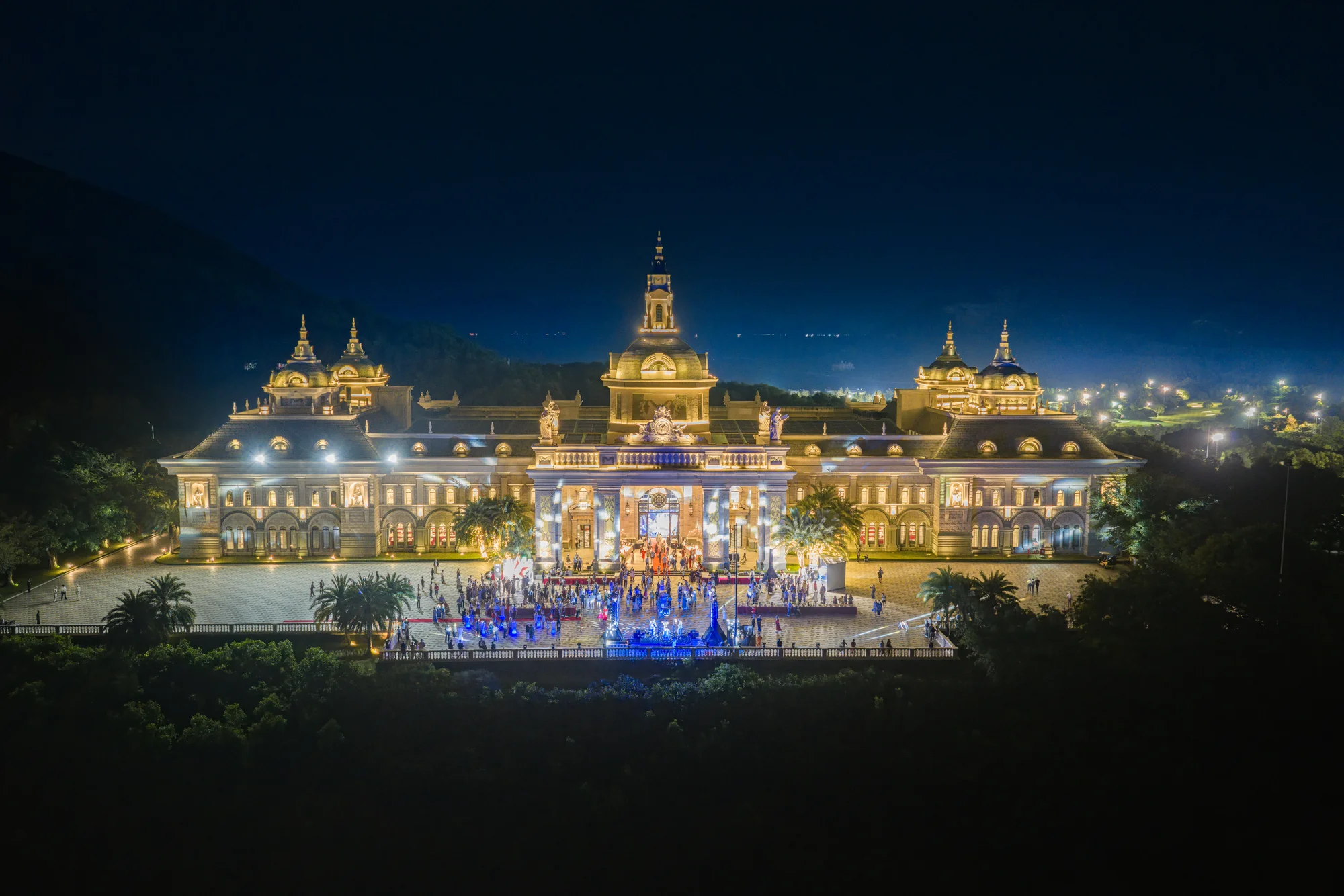
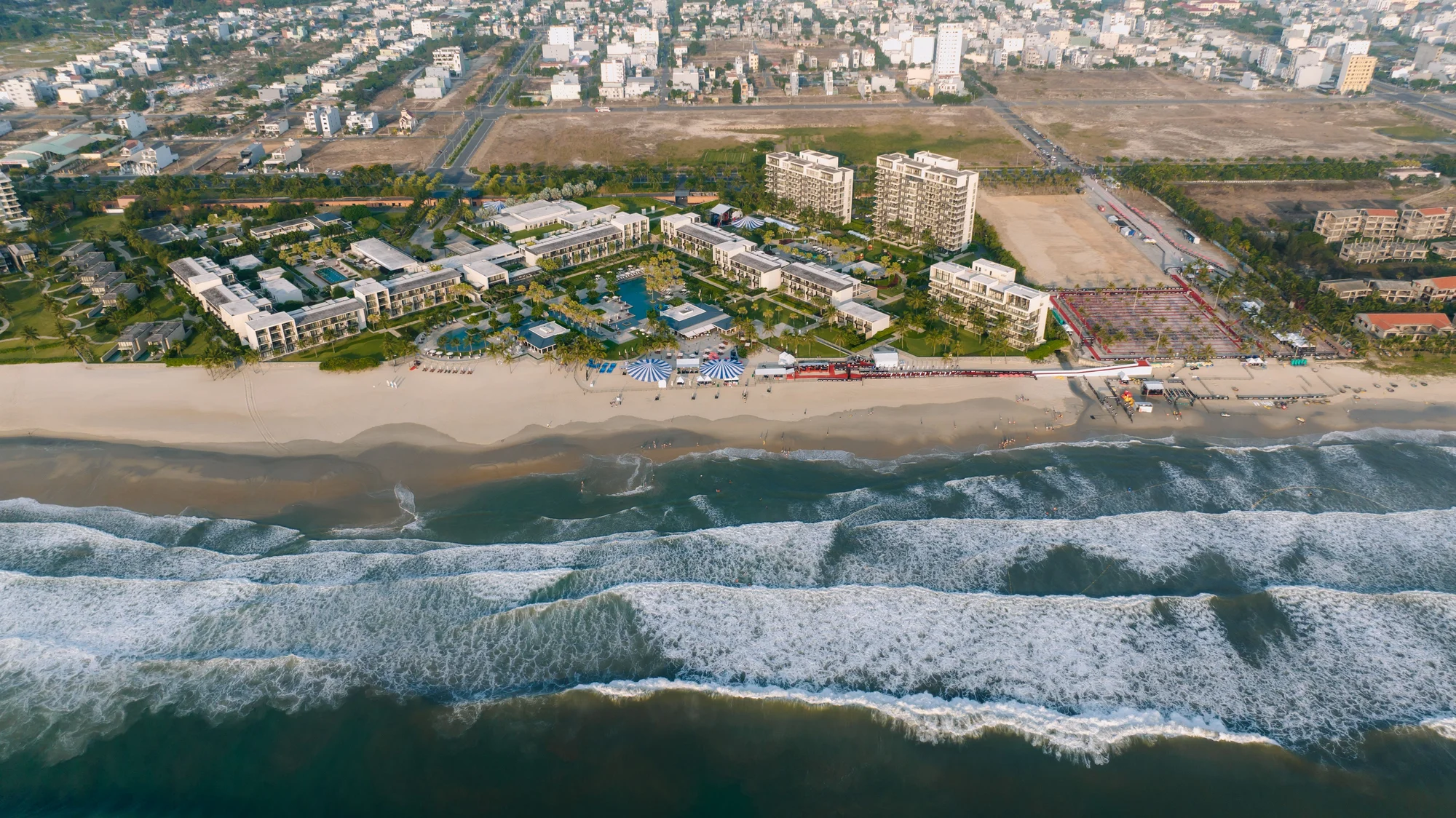
Da Nang in Vietnam is developing along a similar path. Growth in its technology and investment ecosystem is supporting business travel, while the city’s coastal infrastructure provides additional options for the leisure components of corporate programs. Large-scale resort development in Phu Quoc is also helping the island move toward greater capacity for larger group events.
In destinations such as Penang and Cebu, manufacturing, technology, and commercial demand also coexist with leisure travel. This mix reduces hotels’ dependence on a single travel segment or season. For MICE and incentive travel, the same structure creates an additional advantage. Companies can build broader programs in destinations where business agendas can be combined with gastronomy, culture, beaches, or nature-based experiences.