
Although inflation in the events industry is slowing, budgets are not returning to pre-pandemic levels. Rising costs across accommodation, transportation, food and beverage, entertainment, and décor have made it increasingly difficult to deliver the same event with the same budget. Maritz’s new Event Price Index shows how these changes are affecting event budgets across different spending categories. Based on pricing data collected from hotels, destination management companies, and destination marketing organizations in a major meetings market, some costs have increased by as much as 146 percent since 2019. Rather than providing a single global inflation rate for the entire industry, the index is designed to show the scale of the cost pressure organizers are facing.
Transportation is one of the clearest examples. Maritz previously budgeted around $400 per person for a round-trip domestic flight in the United States, while current planning assumptions are closer to $650. As more of the budget is allocated to airfare, less remains available for the participant experience at the destination. The pressure is not limited to flights. Higher prices for event décor, local transportation, entertainment, hotels, food and beverage, and technical services are making it increasingly difficult for organizers to maintain the same program through only a few cost-saving measures.
Even Small Items Are Seeing Major Increases
Examples in the Maritz index show how cost pressure is spreading across different parts of an event. Table décor for a cocktail reception that cost $25 in 2025 is expected to reach $40 in 2027, representing a 60 percent increase in two years.
The cost of a one-way group transfer is expected to rise from $142 to $184 over the same period, while the price of a music trio is projected to increase from $5,000 in 2025 to around $6,700 in 2027. Individually, these increases may appear relatively small, but when multiplied across hundreds or thousands of participants, they can create a much larger impact on the overall event budget. In categories such as transportation, food and beverage, or staffing, even a small per-person increase can significantly affect total costs.
Increases Will Slow in 2027, but Prices Will Not Fall Back
According to Maritz forecasts, the total per-person cost of meetings and events is expected to increase by around 6 percent during 2026. In 2027, the rate of increase is projected to slow to between 1 and 2 percent. Hotel prices are expected to rise by 4 to 6 percent in 2026 and by 1 to 2 percent in 2027. Airfare costs could increase by 10 to 20 percent in 2026, before slowing to 1 to 2 percent growth in 2027. Food and beverage costs are also expected to rise by another 3 to 5 percent next year.

This highlights an important distinction for the industry. Slower price growth does not mean lower prices. Even if inflationary pressure eases in 2027, organizers are unlikely to return to the budget levels of several years ago. The higher cost base established after the pandemic is expected to remain largely in place, requiring budgets to be planned around these new levels.
Three-Day Events Are Becoming Two-Day Programs
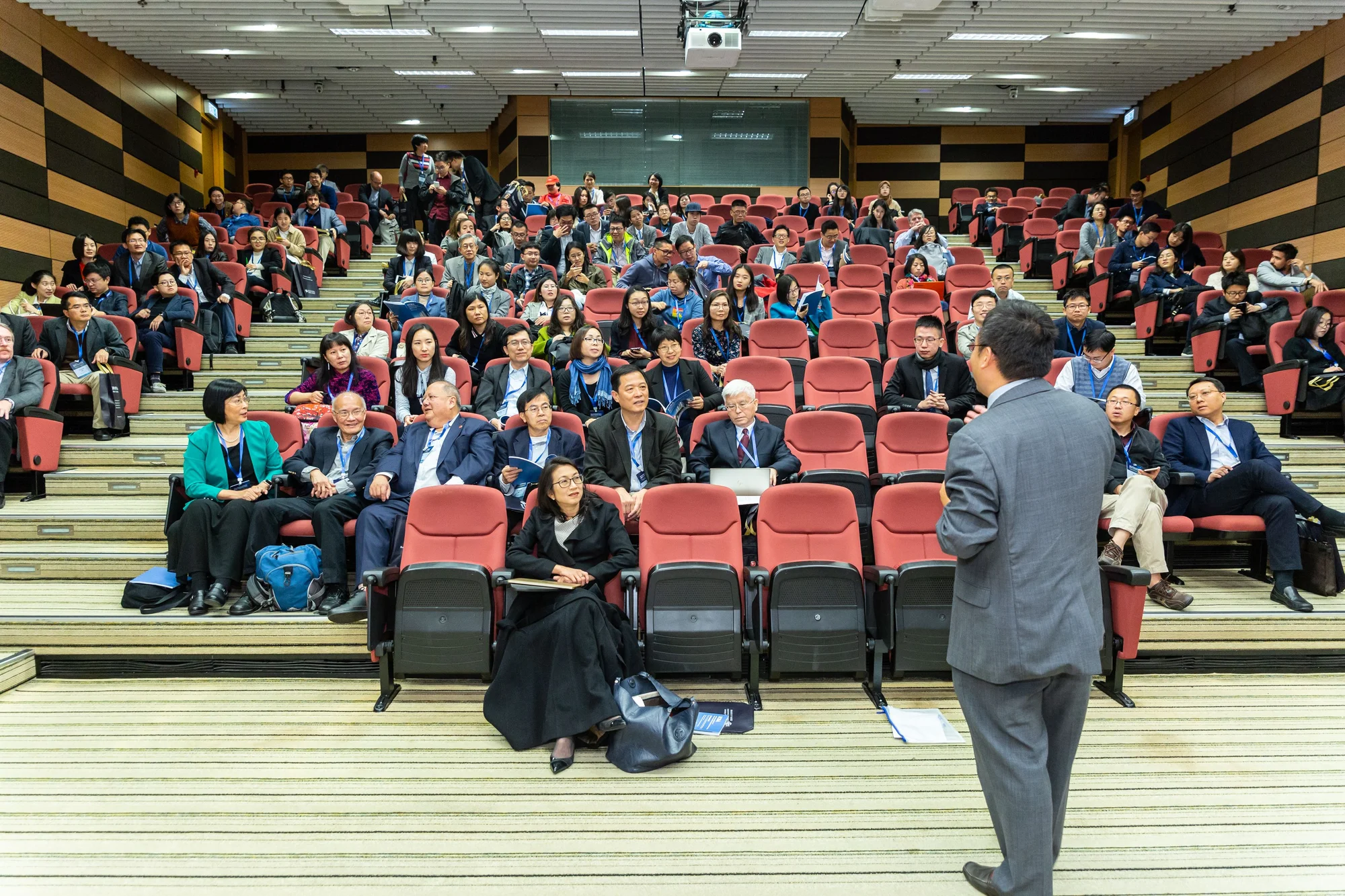
Companies are responding to higher costs not by eliminating events altogether, but by reshaping them. In one example shared by Maritz, an automotive company reduced a three-day dealer meeting to two days. Core objectives, including new vehicle presentations, company messaging, and bringing dealers together, were maintained while the overall program was shortened.
This approach signals a new phase in event budgeting. Rather than trying to reproduce last year’s program at a lower cost, organizers are reconsidering which parts of the event are truly necessary. Removing one hotel night does not only reduce accommodation costs. It can also eliminate a full day of food and beverage, transportation, staffing, technical services, and venue expenses. As a result, program length, participant numbers, and destination choice are becoming more central to budget management.
Incentive Travel Is Also Getting Shorter
A similar shift can be seen in incentive travel. According to Maritz data, the average incentive trip decreased from 4.6 nights in 2024 to 4.3 nights in 2026. Companies may also reduce the number of people who qualify for the program, choose more affordable destinations, or scale back participant gifts. This is also creating a new competitive dynamic for destinations. Higher airfare and accommodation costs could make previously secondary cities or shorter-haul destinations more attractive to organizers.
For large participant groups in particular, even a relatively small difference in airfare can change the total budget by hundreds of thousands of dollars. Accessibility is therefore becoming not only an operational consideration, but also a financial criterion in destination selection.