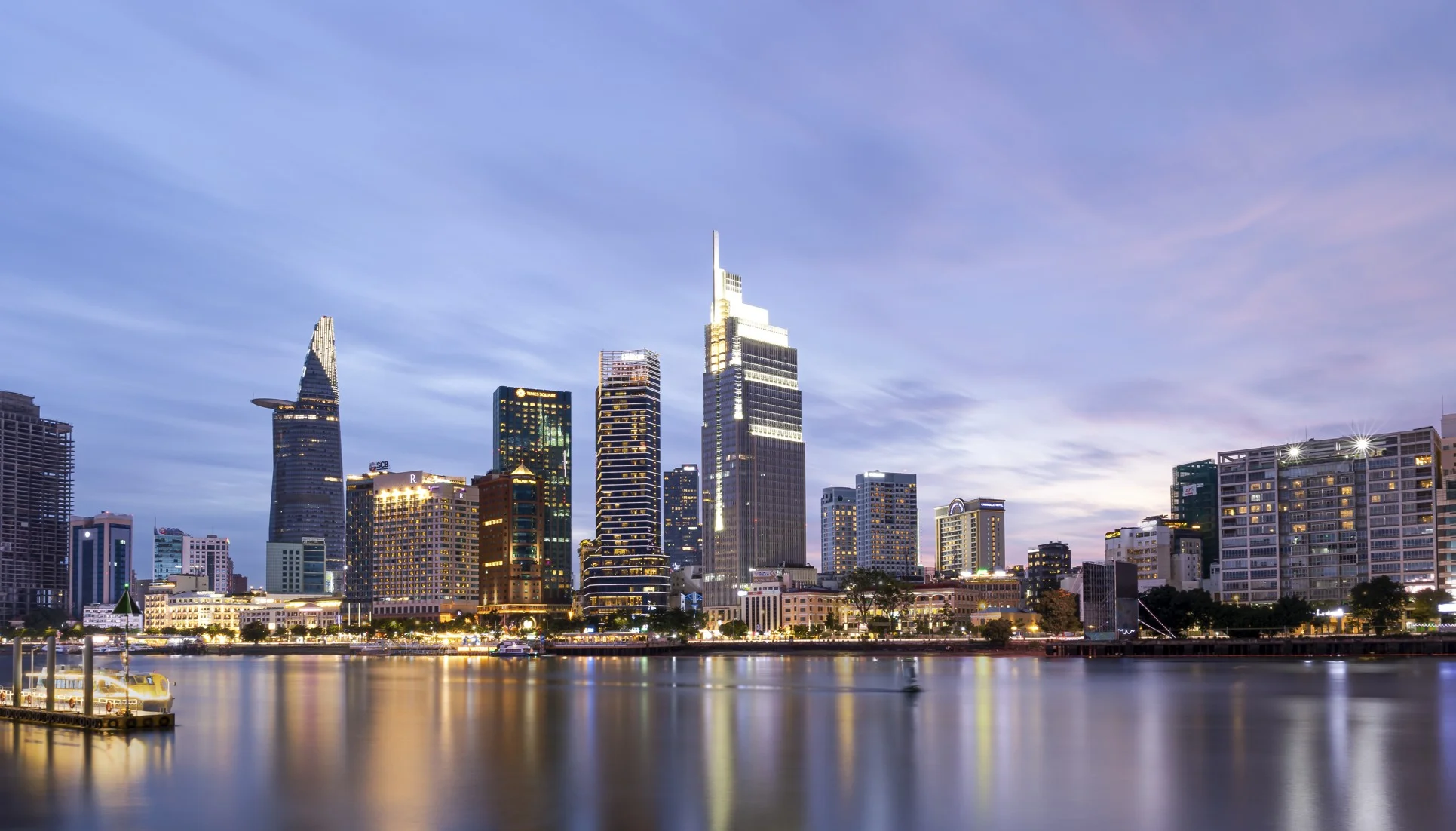
According to data from the Ho Chi Minh City Department of Tourism, the city supported more than 200 domestic and international MICE groups between 2022 and 2025. Revenue generated from MICE tourism during the same period is estimated at approximately $2.9-3.3 billion. This represents around 10-12 percent of the city's total tourism revenue. International MICE visitors alone are estimated to have generated approximately $1.8-2.1 billion.
The Goal Is Not Simply More Visitors
Ho Chi Minh City's new approach is shifting the focus from increasing total visitor numbers to generating greater economic value from each visitor. Pham Huy Binh, Director of the Ho Chi Minh City Department of Tourism, says extending the length of stay and increasing per capita spending among MICE visitors will be among the priorities in the new period. The city does not view the impact of MICE as being limited to hotels and tourism revenue, with economic activity spreading into trade, investment and services also forming part of the strategy.
This approach is also aligned with Vietnam's broader tourism policy. At a MICE forum held in Ho Chi Minh City in August, the Vietnamese government announced its goal of positioning MICE as one of the country's strategic tourism products. International-standard event infrastructure, destination branding, digitalisation and sustainability are among the key priorities in the new strategy.
MICE Is Part of the City's Broader Tourism Strategy
Ho Chi Minh City's MICE ambitions form part of a wider plan to increase overall tourism revenue. The city aims to raise tourism revenue to approximately $12.7 billion in 2026. Total tourism revenue reached around $9.1 billion in the first seven months of the year, while international arrivals exceeded 7.1 million. City authorities are particularly focused on attracting more visitors from markets with higher spending potential.
ITE HCMC 2026 was one example of this strategy on the MICE side. The event brought together more than 520 participating organisations and 260 international buyers from over 32 countries and territories. More than 20,000 B2B meetings were planned as part of the event.
Challenges Remain
Despite the growth of Ho Chi Minh City's MICE market, city authorities have also highlighted several structural shortcomings. According to the Department of Tourism, current incentive policies are not yet competitive enough compared with rival destinations in the region. Limited funding for MICE promotion and a shortage of specialised human resources are also among the areas identified for improvement.
Another issue is the absence of a dedicated MICE database and statistical system. As a result, some indicators related to the sector's economic impact are based on estimates rather than direct measurement. Ho Chi Minh City's new approach therefore goes beyond simply attracting more congresses or incentive groups. The city is seeking to increase MICE visitors' length of stay, spending and wider economic impact across different sectors. This shift shows that MICE is being positioned not merely as a tourism segment, but as an economic tool capable of generating higher added value for the city.