

Formula 1 races are no longer simply three-day sporting events confined to the track. From Las Vegas to Melbourne, Singapore and Mexico City, Grand Prix weekends simultaneously stimulate hotels, restaurants, retail, transport and the wider events economy. Economic impact reports published in recent years also illustrate the scale of this activity. In some cities, the contribution reaches hundreds of millions of dollars, making Formula 1 weekends some of the most valuable periods in the tourism calendar.
Three Las Vegas Races Generate $3.2 Billion
The three races held since Formula 1 returned to Las Vegas in 2023 have generated a combined economic impact of $3.2 billion for Southern Nevada. According to the Las Vegas Convention and Visitors Authority, the 2025 race alone generated $43 million in state and local tax revenue. The agreement between Formula 1 and Las Vegas has also been extended through 2037.
The Las Vegas model goes beyond traditional sports tourism. With the race taking place directly on the Las Vegas Strip, the Grand Prix becomes a broader destination experience integrated with hotels, restaurants, entertainment venues and corporate hospitality programmes.
Visitor Spending Stands Out in Melbourne
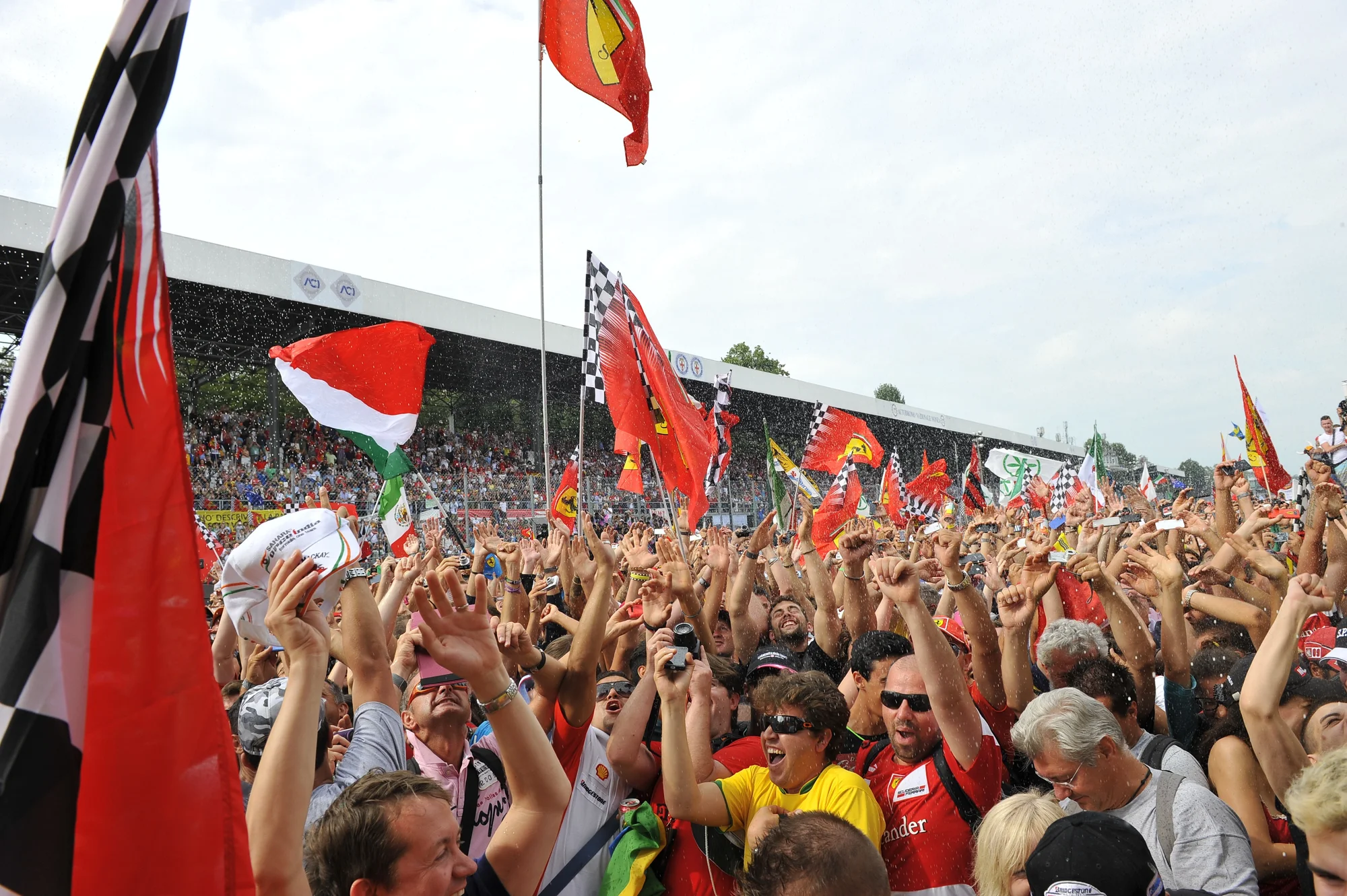
The 2025 Australian Grand Prix in Melbourne was estimated to have contributed AUD 323.9 million to the Victorian economy. According to an economic impact assessment prepared by BDO, the race supported 1,631 full-time equivalent jobs. Among visitors from outside the city, 96 percent used paid accommodation, with an average stay of 4.6 nights. Average spending on activities outside the race itself reached AUD 1,338 per person.
These figures show that the economic value of Formula 1 extends well beyond ticket sales. Accommodation, food and beverage, and other spending across the city account for a significant share of the overall impact.
Singapore Extends the Race Across the City
Singapore uses Formula 1 as part of a broader tourism and events strategy. According to Singapore's Ministry of Trade and Industry, the race generated more than SGD 2.2 billion in additional tourism revenue between its launch in 2008 and 2024. Over the same period, Formula 1 attracted more than 720,000 international visitors to the country.
Through Grand Prix Season Singapore, the race is surrounded by an approximately 10-day programme of retail, gastronomy, entertainment and other events. There is also a significant cost involved. The Singapore government has said that the annual cost of staging the race was around SGD 140 million between 2022 and 2025. As a result, Formula 1's impact on the city economy is assessed not only through revenue, but also by weighing the cost of the event against the additional tourism spending it generates.
Hotels Benefit in Mexico City
The 2025 Grand Prix in Mexico City was reported to have generated approximately MXN 20 billion in economic activity for the city. Local authorities said the race weekend created significant movement across tourism, trade and services, while hotel occupancy had been expected to reach around 90 percent ahead of the event.
Mexico City's example shows how major sporting events can do more than attract international visitors, creating intense short-term demand across local service industries.
Istanbul Returns to the Formula 1 Calendar
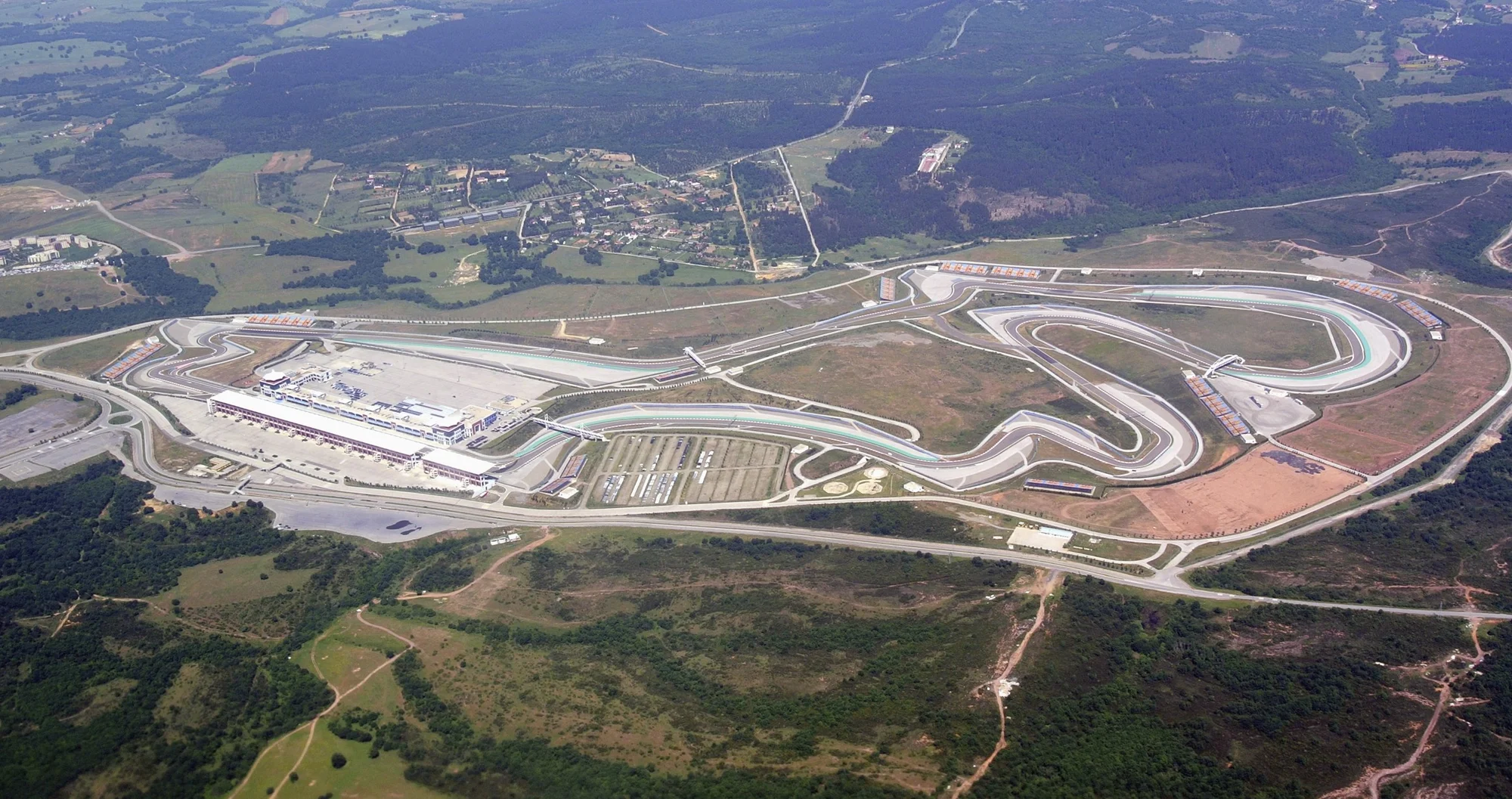
Formula 1 will return to Istanbul Park in 2027. Under an agreement announced in April 2026, the Turkish Grand Prix is set to remain on the calendar for five years, from 2027 to 2031. Türkiye has not yet published a detailed economic impact report for the 2027 race comparable to those available for Las Vegas, Melbourne or Singapore. However, Culture and Tourism Minister Mehmet Nuri Ersoy has said that Formula 1 has been seen to increase tourism demand by 6 percent and that the focus is on the tourism gains generated by the event. Istanbul's return to Formula 1 in 2027 will therefore be an important test not only for motorsport, but also for the city's tourism and events economy.
Economic impact data from Las Vegas, Melbourne, Singapore and Mexico City shows that the value of a Formula 1 weekend is no longer measured only on the racetrack. Hotel nights, visitor spending, tax revenues, employment and destination visibility are becoming an increasingly important part of what Grand Prix events mean for host cities.