Egypt is seeking to extend its strong tourism growth beyond visitor numbers alone. With Sharm El-Sheikh's resort infrastructure, Cairo's international events capacity and new facilities emerging in the New Administrative Capital, the country is working to strengthen its position in higher-value segments such as MICE and high-budget destination weddings.
Egypt welcomed around 19 million international visitors in 2025, representing 21 percent growth from the previous year. Over the same period, charter flights to the country's tourism destinations increased by 32 percent. According to official figures, tourist flights connected Egyptian destinations with 193 cities worldwide throughout 2025. This connectivity strengthens Egypt's ability to handle multi-day congresses, incentive travel programmes and large wedding groups.
Sharm El-Sheikh Combines Resorts and Congresses
One of Egypt's strongest MICE assets is Sharm El-Sheikh. The Sharm El-Sheikh International Convention Center offers a combined capacity of 10,000 people across its two main halls. With additional areas developed during COP27, the complex is reported to accommodate up to 45,000 people across different conference, exhibition and event formats. The venue is also set to host the annual conference of the International Organization of Securities Commissions in 2026.
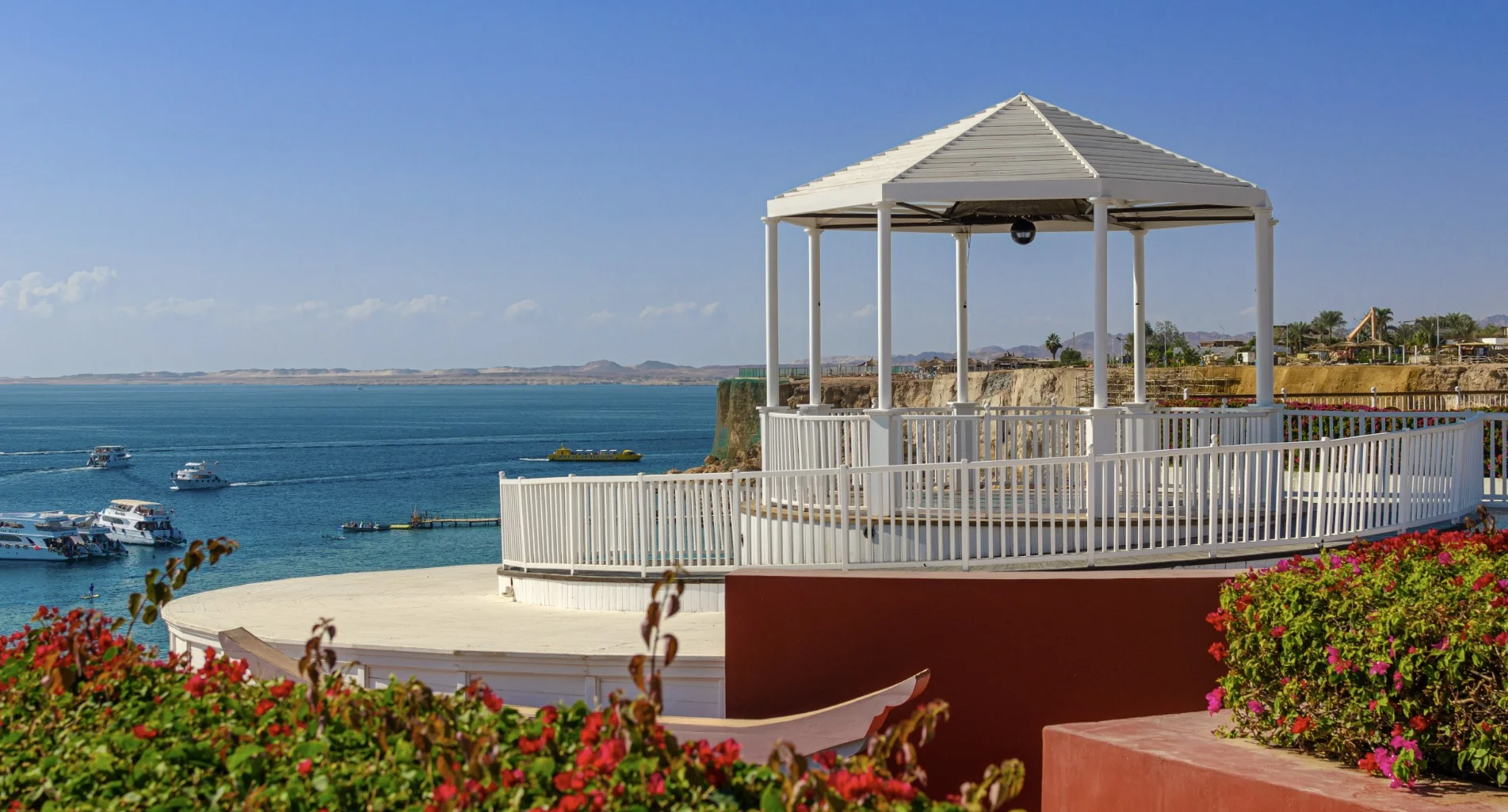
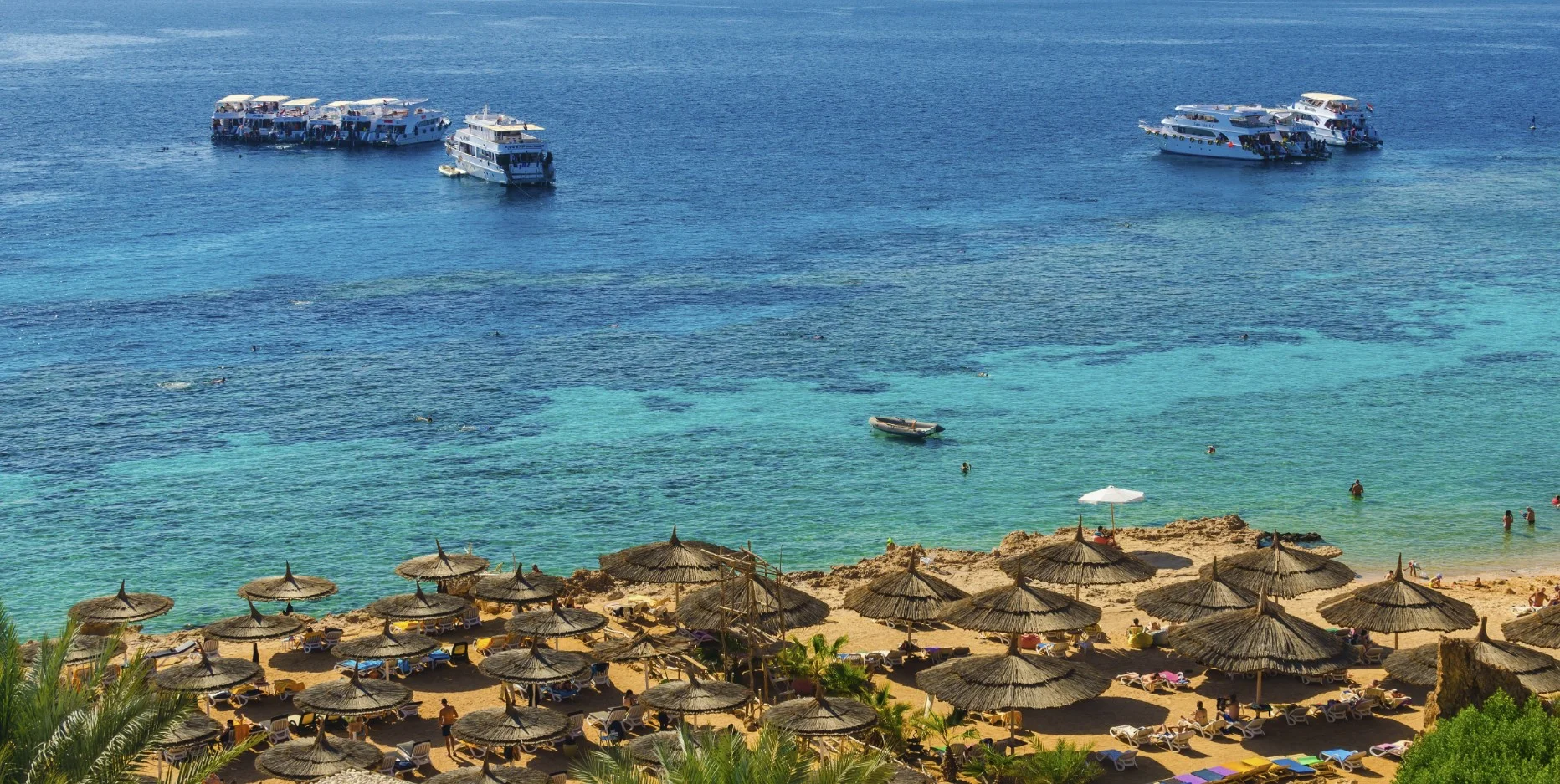
What sets the city apart is its ability to combine convention infrastructure directly with a resort product. International meetings, gala programmes, incentive travel and weddings can all be supported by accommodation, beachfront settings and event spaces within the same destination. This structure is also important for destination weddings. In particular, multi-day Indian weddings often require accommodation, different rituals, gastronomy, staging and entertainment to be managed within the same property or across nearby venues.
The Indian Market Is on the Radar for Wedding Tourism
Egypt's interest in Indian weddings is not limited to private-sector marketing. During talks between Egypt's Ministry of Tourism and Antiquities and Indian counterparts in 2025, growing interest from Indian travellers was discussed, while wedding tourism was identified as one of Egypt's promising tourism segments. The two sides also discussed joint initiatives targeting the Indian market and closer cooperation between tour operators.
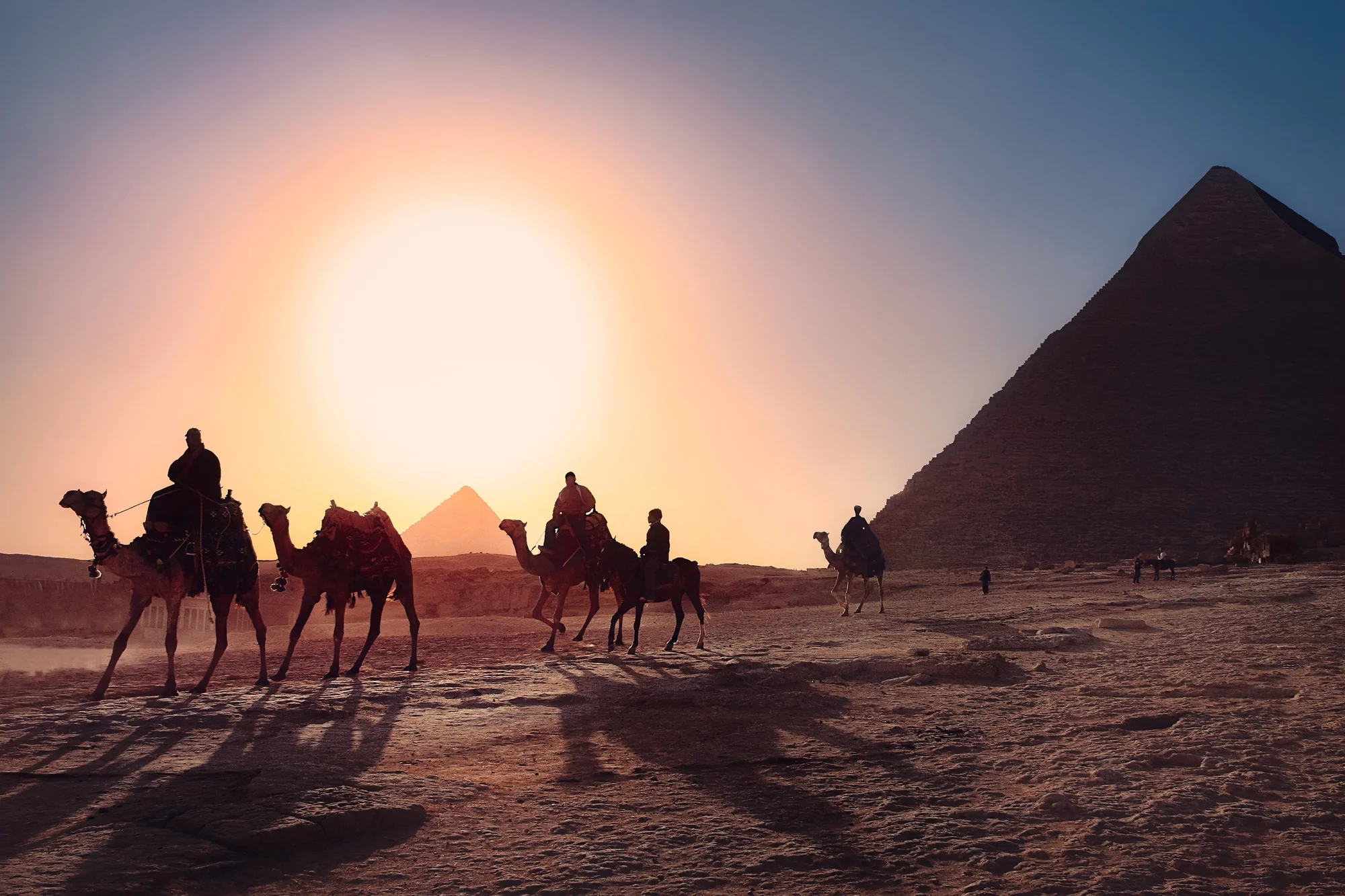
A 2026 study on India-Egypt relations published by the Information and Decision Support Center, which operates under the Egyptian Cabinet, also highlights Egypt's emergence as a destination for high-value weddings among Indian couples. The study notes that destination marketing and air connectivity could help expand this potential. Cairo and Sharm El-Sheikh offer different products within this market. Cairo can provide a culturally driven wedding experience around its history, the Nile and the pyramids, while Sharm El-Sheikh is better suited to beachfront, resort-based and multi-day private group celebrations.
Cairo's Events Calendar Runs Throughout the Year
Egypt's MICE capacity is not limited to the Red Sea coast. The Cairo International Convention Center's 2026 calendar includes exhibitions and conferences throughout the year across sectors such as fashion, textiles, agriculture, energy, water technologies and industry. Even in October, the venue is scheduled to host a series of international exhibitions and sector-focused events.
This is being complemented by new events infrastructure in the New Administrative Capital. Located east of Cairo, the new city is expanding Egypt's events capacity geographically with venues designed for large-scale corporate and international events alongside government institutions.
Egypt Can Target Two Markets With the Same Infrastructure
One of Egypt's advantages is that MICE and destination weddings do not require entirely separate infrastructure. Large resorts, ballrooms, convention centres, international air connectivity and extensive accommodation capacity can serve both markets. Resort destinations such as Sharm El-Sheikh can use this overlap directly, while Cairo and the New Administrative Capital can differentiate themselves through congresses, corporate events and urban weddings.
Egypt's opportunity lies not only in attracting more tourists, but in converting this capacity into events that bring longer stays, larger travelling groups and higher spending within the destination.