

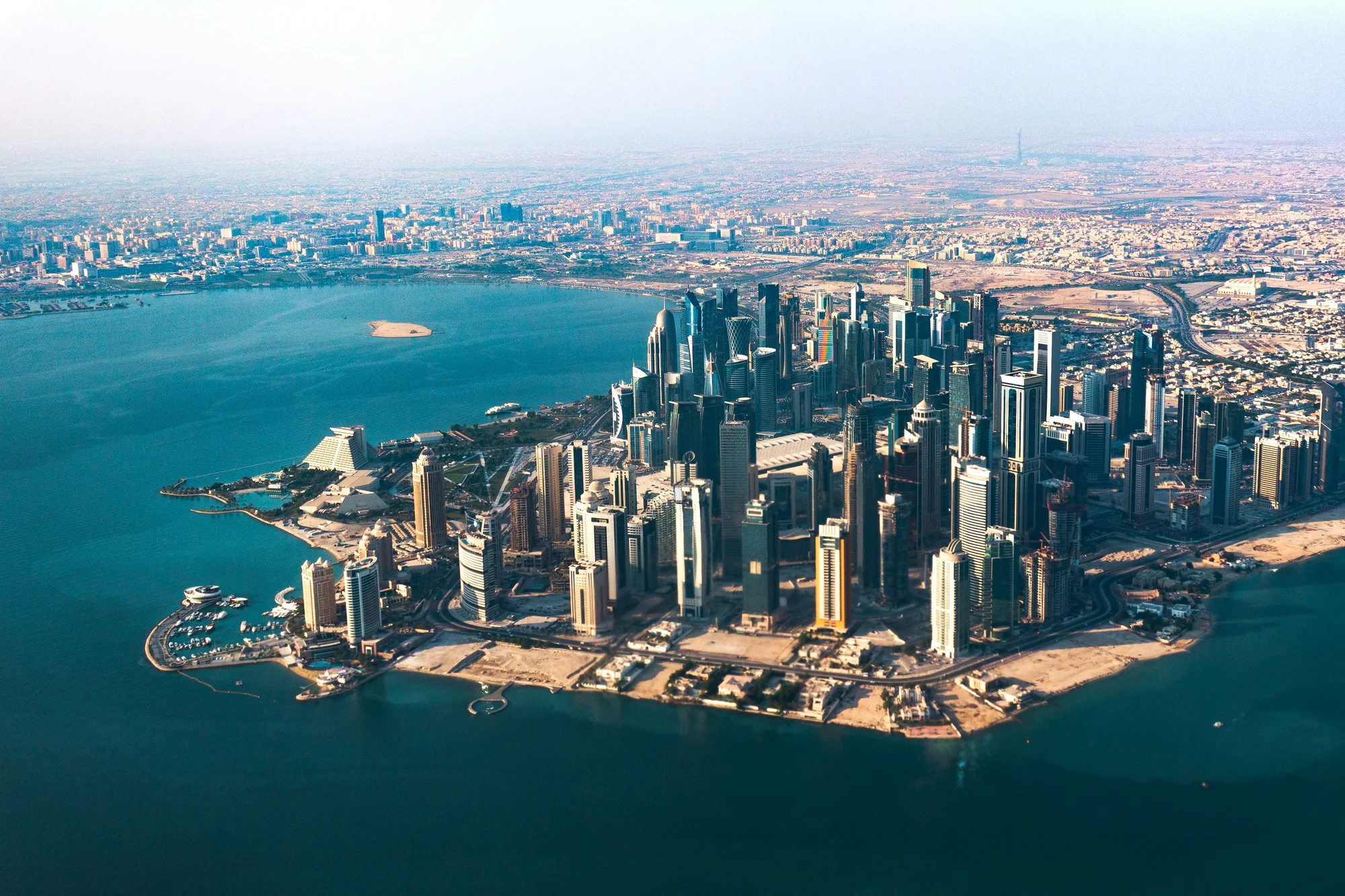
Qatar is working to extend the event-destination identity it built through major international sporting events into a broader year-round calendar. The exhibitions, conferences, cultural events and sporting competitions taking place in Doha during the final months of 2026 point to a more diversified model that is less dependent on a single event or sector.
This diversity becomes particularly visible from late September through November. Doha Jewellery & Watches Exhibition is followed by Hospitality Qatar and Food Qatar, then Milipol Qatar and the Doha International Conference on AI & Security. The World Investment Forum takes place at the end of October, while the FIP World Cup and Qatar Boat Show are scheduled for early November.
Multiple Sectors Share the Same Calendar
What stands out in Doha's events strategy is not only the number of events, but also the variety of sectors they target. Doha Jewellery & Watches Exhibition brings together international jewellery and watch brands, while Hospitality Qatar and Food Qatar focus on hospitality, food and beverage, and tourism. Milipol Qatar attracts professionals from the security and defence technology sectors. The Doha International Conference on AI & Security, held during the same period, targets a different professional audience at the intersection of technology and security.
The calendar then continues across other segments. The World Investment Forum brings investors and decision-makers to Doha, while the FIP World Cup generates international sports traffic. Qatar Boat Show highlights the marine and luxury consumption segments. This mix shows that Doha is supporting its business events sector not only through traditional congresses and exhibitions, but also through sports, luxury, investment and technology.
DECC and QNCC Serve Different Event Scales
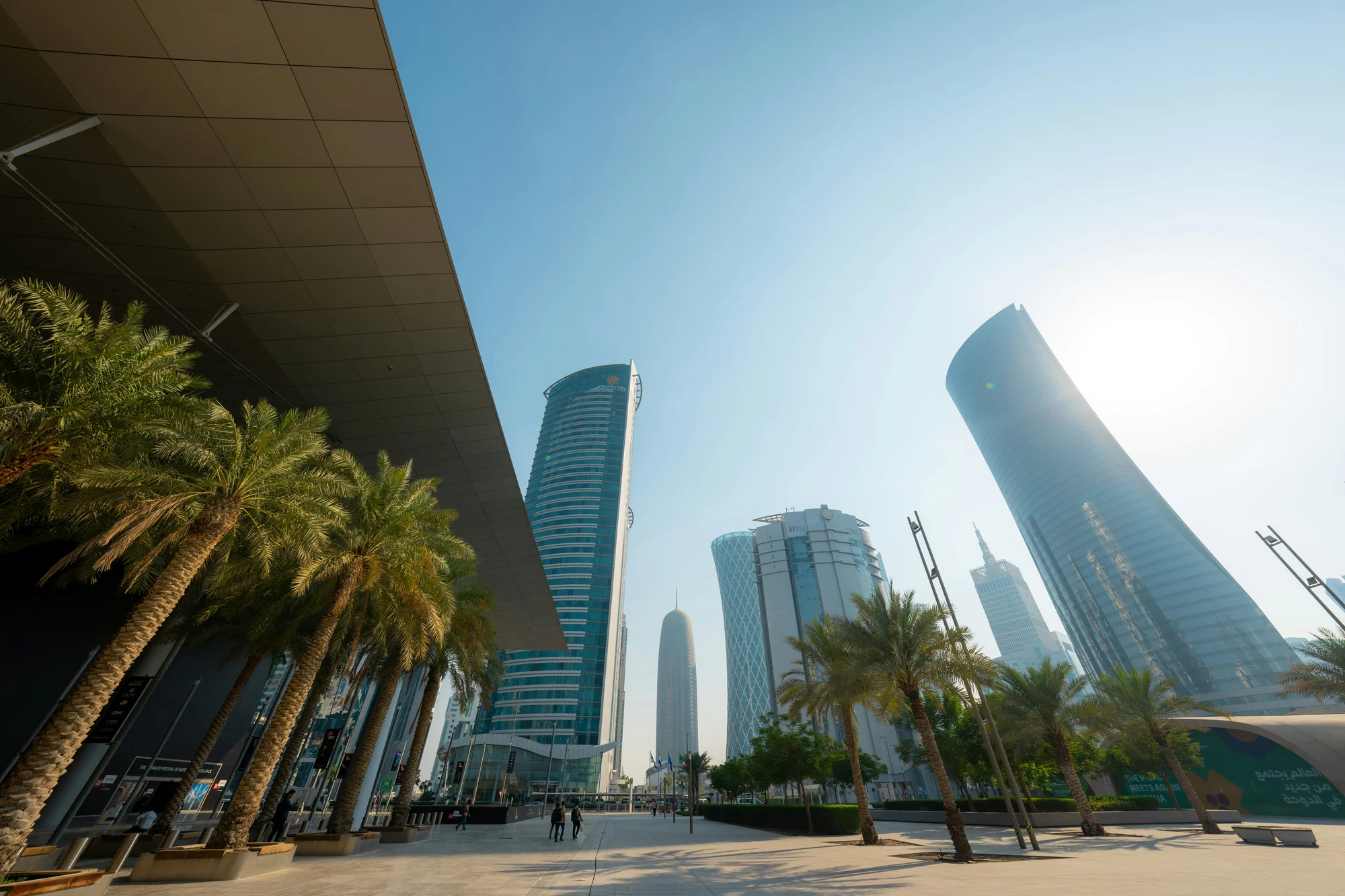
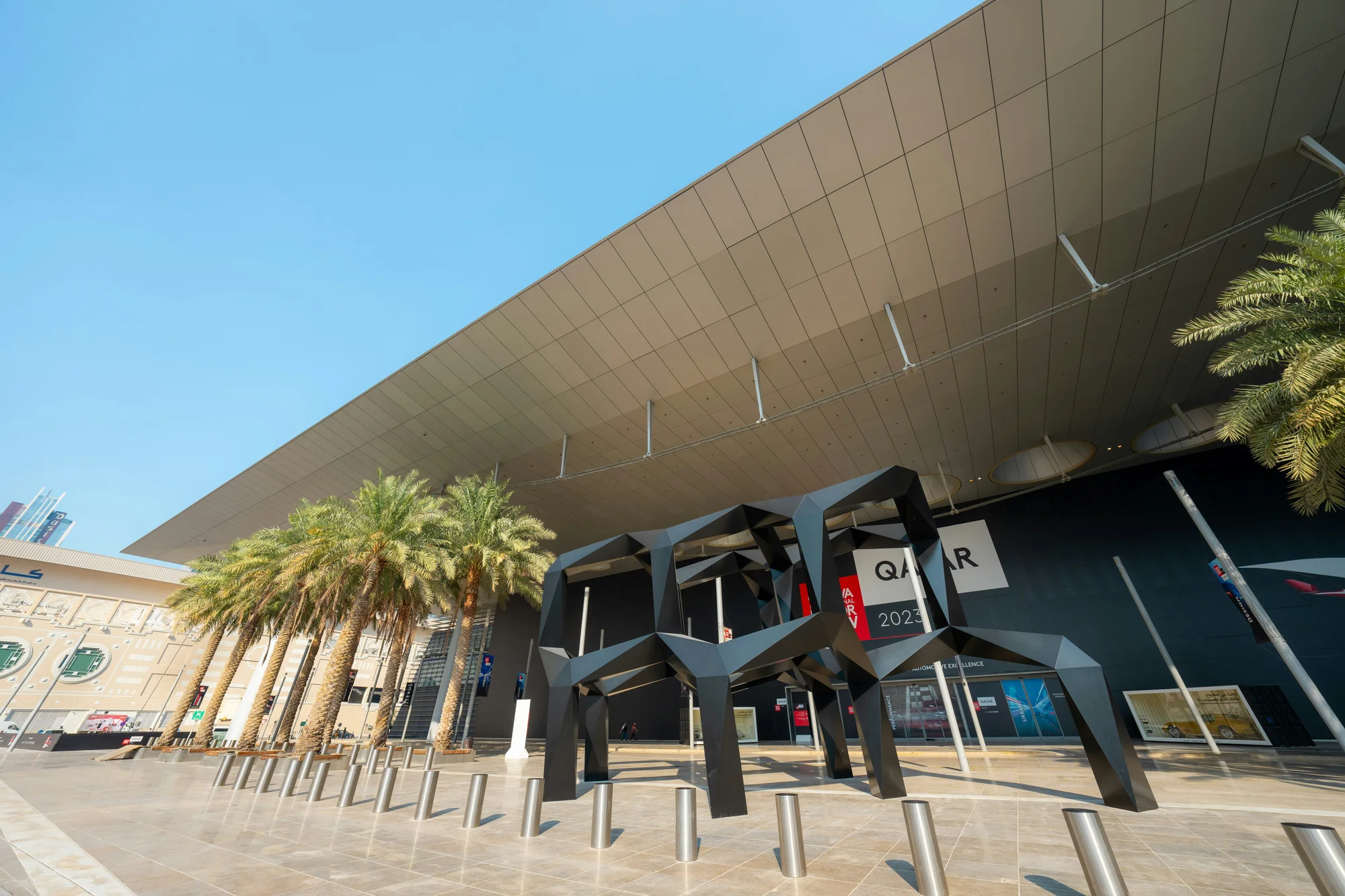
One of the key elements supporting this concentration of events is Doha's venue infrastructure. The Doha Exhibition and Convention Center (DECC) in West Bay offers around 29,000 square metres of column-free event space. The venue can be divided into five separate halls and also includes meeting rooms and extensive foyer areas. DECC's central location, close to the business district and surrounding hotels, gives it an advantage particularly for exhibitions and trade events.
The Qatar National Convention Centre (QNCC), meanwhile, accommodates larger congress and conference formats. The venue offers around 40,000 square metres of exhibition space, along with major conference halls, a theatre and numerous meeting rooms. The ability of the two centres to support different event formats makes it easier for Doha to serve multiple sectors and participant profiles at the same time.
Airline and Hotel Infrastructure Support the Calendar
International accessibility plays as important a role in Doha's events strategy as venue capacity. Qatar Airways' extensive network from Doha provides direct or one-stop access for business travellers arriving from Europe, Asia, Africa and the Americas. Connections through Hamad International Airport can reduce travel time and operational complexity, particularly for congresses, exhibitions and corporate events lasting several days.
The concentration of international hotels in and around West Bay also complements the city's events infrastructure. Meeting rooms, ballrooms and corporate event facilities at major hotels provide additional capacity for smaller meetings and side events alongside programmes hosted at DECC and QNCC.