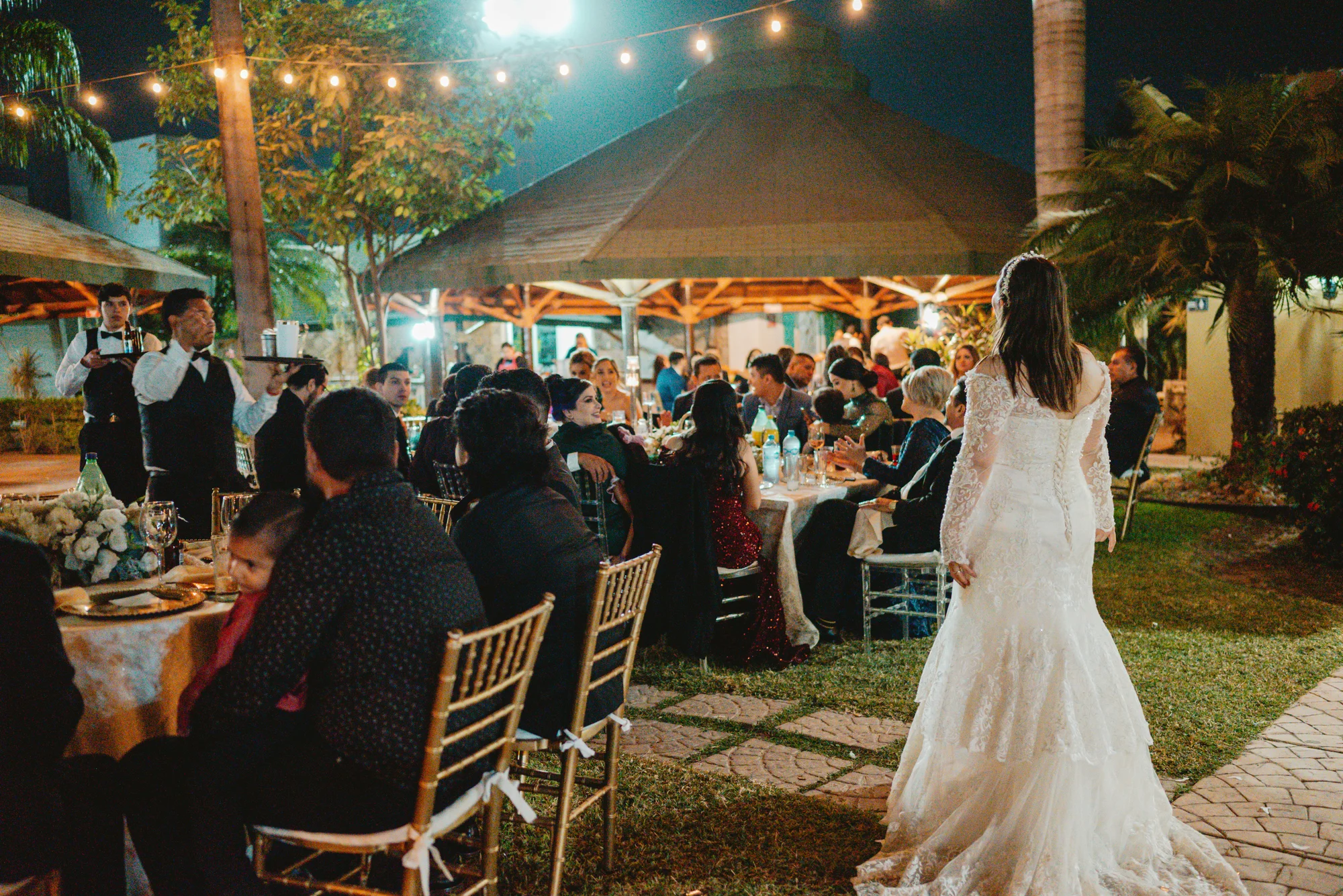


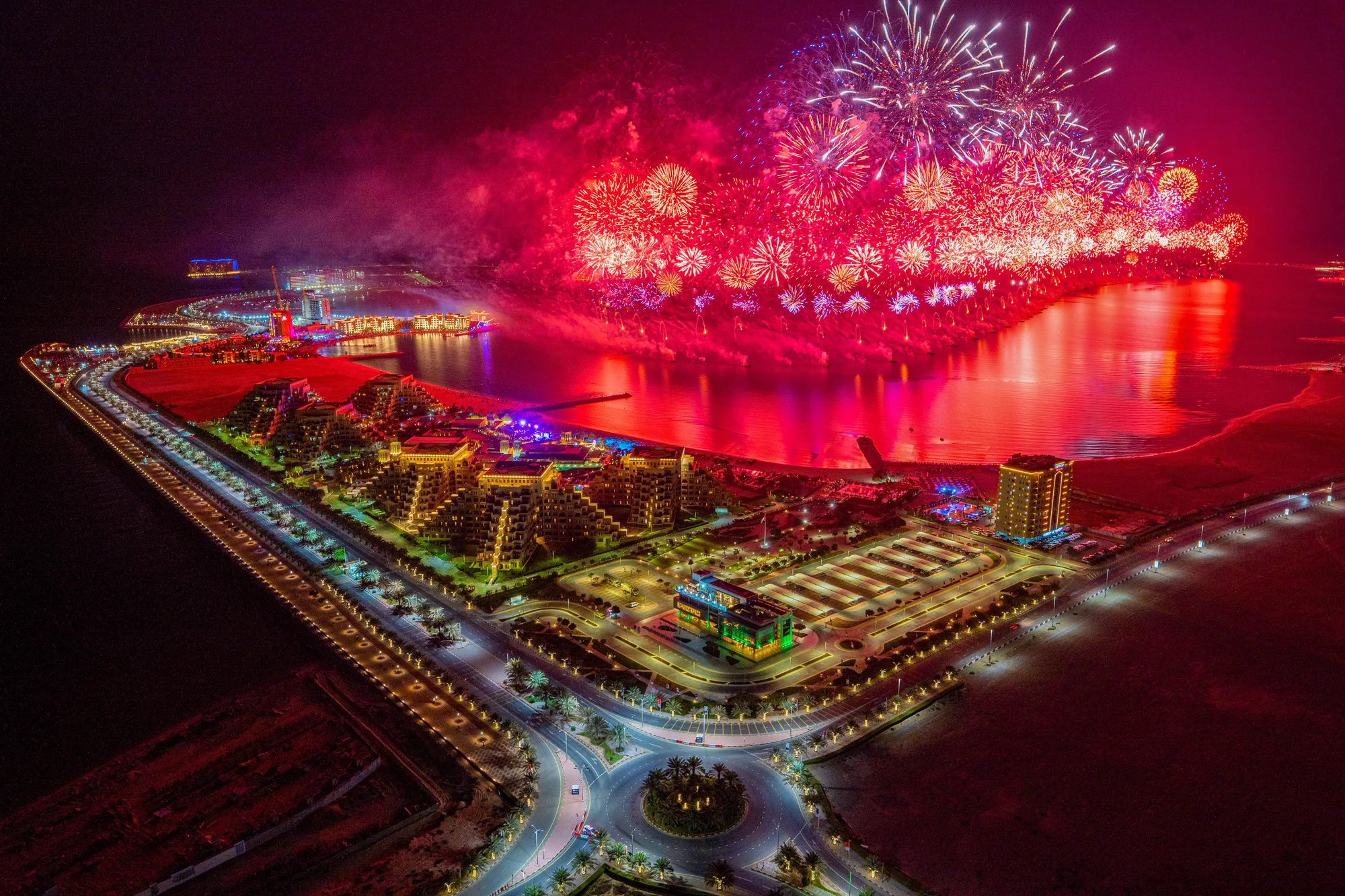
Competition in destination weddings is no longer based solely on beaches, hotels or event venues. Destinations are now offering direct incentives, transport support and administrative assistance to couples and organisers in an effort to capture a larger share of the wedding market.
Ras Al Khaimah in the United Arab Emirates is one of the clearest examples of this approach. Under the Ras Al Khaimah Tourism Development Authority’s 2026 incentive programme, different forms of support are offered to couples, wedding planners and hotels within the same package. The programme ranges from complimentary or discounted services and airport support to room upgrades and simplified civil marriage procedures.
Support Goes Beyond Hotel Discounts
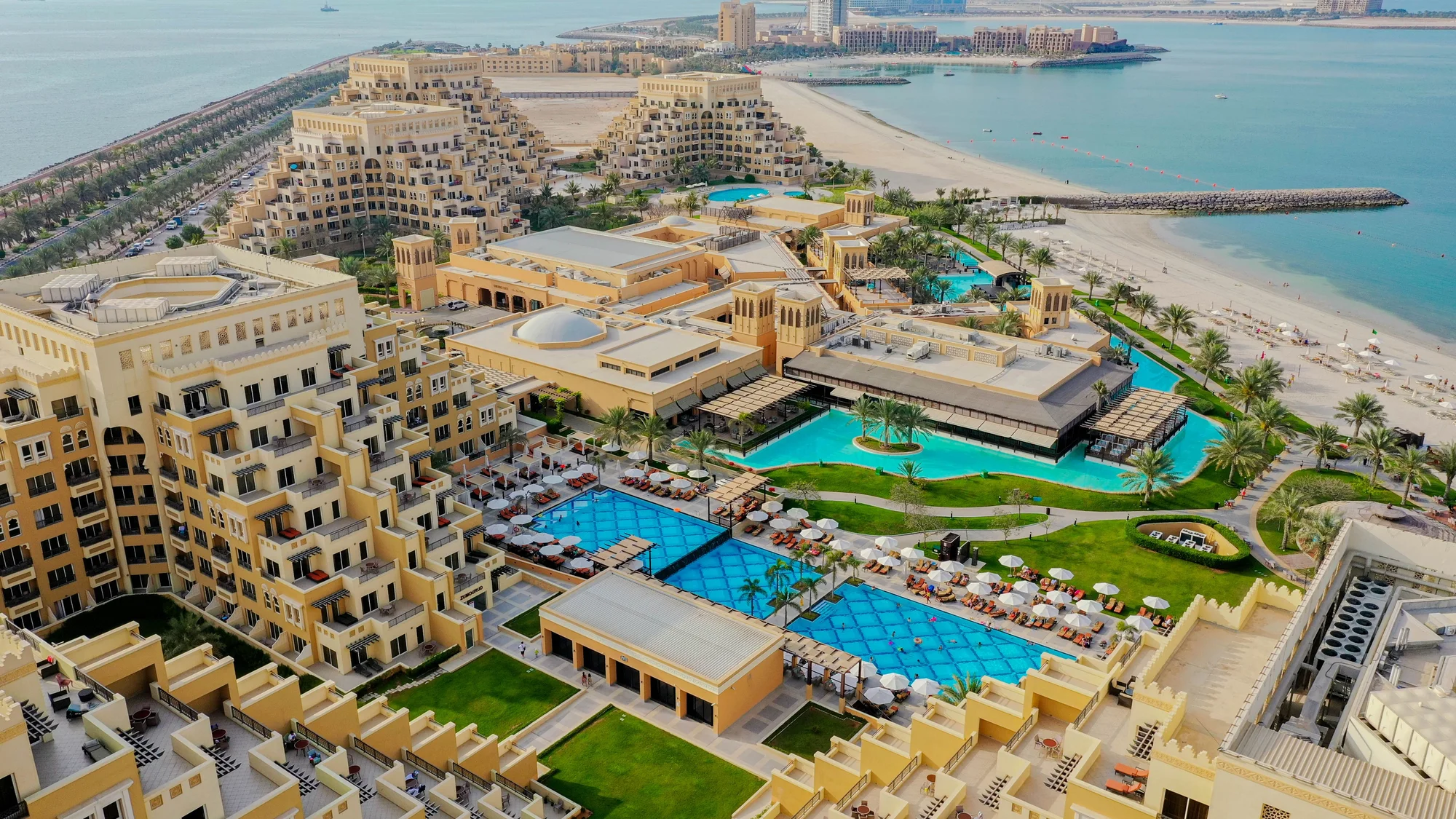
Ras Al Khaimah’s 2026 wedding incentive package includes visa and transfer support for planners on site inspection visits, rental discounts or waivers at selected venues, and additional incentives for events starting from 150 room nights. Hotels can also offer benefits such as complimentary room or suite upgrades for the couple, limousine transfers, spa treatments and wedding cakes. Ras Al Khaimah International Airport is also part of the programme, offering incentives such as free parking, VIP terminal discounts and baggage support for charter flights operated for weddings.
This structure shows that the destination wedding product is no longer simply a package created by a hotel. The tourism authority, hotels and the airport are becoming part of the same operation.
Marriage Procedures Are Becoming a Competitive Factor
Another notable element of Ras Al Khaimah’s strategy is the simplification of civil marriage procedures. The tourism authority allows wedding planners to apply for civil marriage permits on behalf of couples. The system is designed to make the process easier to manage, particularly for international couples who want to formalise their marriage at the destination.
A certification programme introduced earlier also provided organisers with support on permit procedures, expedited applications and local regulations. Such measures show that even bureaucracy is becoming a factor that can influence destination choice in the wedding tourism market.
Incentives Have Already Delivered Economic Results
Ras Al Khaimah’s interest in the wedding market is not new. According to the tourism authority, revenue generated from weddings in the emirate increased by 330 percent year on year during the first ten months of 2023. During the same period, rental waivers for organisers, complimentary hotel services and airport support for charter flights had also been introduced.
Wedding and MICE incentive programmes remained part of Ras Al Khaimah’s international marketing strategy in 2024. The tourism authority said it carried out more than 80 international MICE activities and industry engagements across 20 markets that year.
Destinations Are Now Competing on Operational Ease
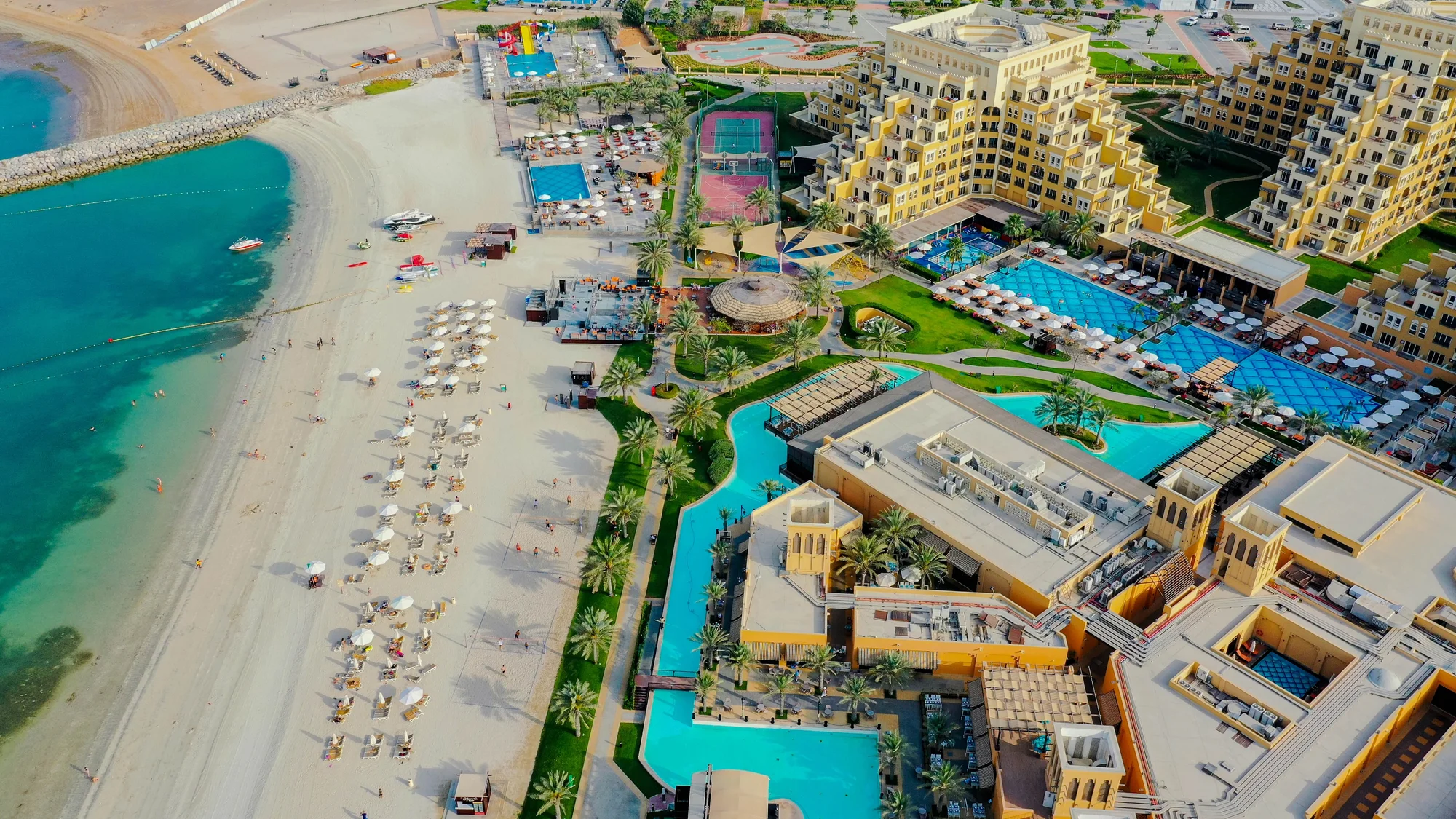
Ras Al Khaimah provides a broader example of how competition in destination weddings is changing. Hotel capacity, scenery and event spaces remain important in couples’ decisions. However, transport support, permit procedures, planner incentives, hotel benefits and airport services are increasingly becoming part of the total destination offering.
This is particularly important for large destination weddings where hundreds of guests travel from different countries. The larger the event, the more significant the costs of transport, accommodation and permit procedures become. Competition in destination weddings is therefore no longer based only on having the “most beautiful venue”. Ras Al Khaimah’s model shows that the ability to offer couples and organisers a simpler, more cost-effective and integrated operation is becoming increasingly important.