

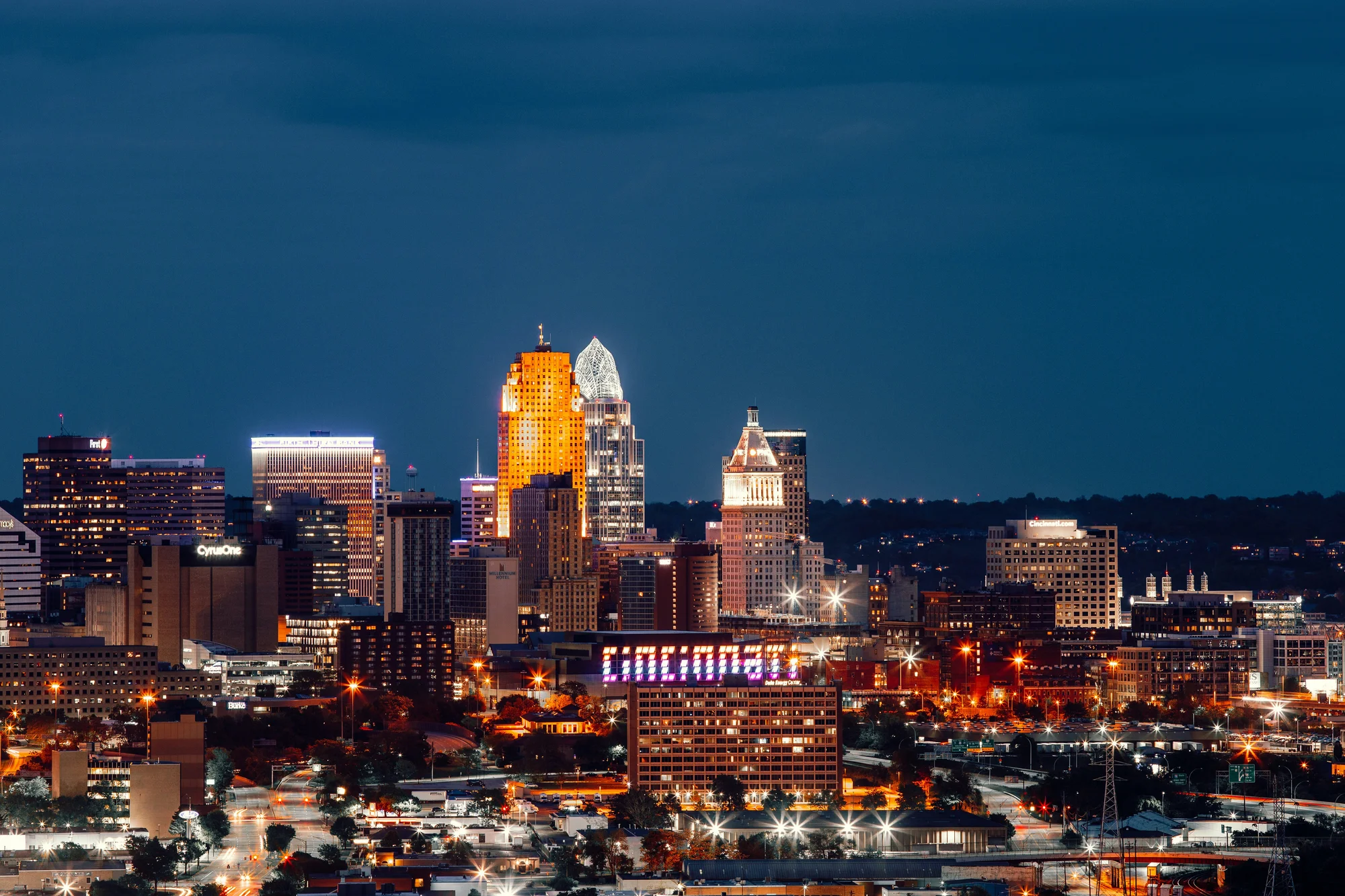
The economic value of a convention is not limited to venue rental fees or spending during the event itself. Participant spending on accommodation, food and beverage, transportation, and other services can significantly expand the impact of a major event across the city economy.
The 85th Grand Conclave of Omega Psi Phi Fraternity, held in Cincinnati, is one recent example. According to an economic impact analysis prepared after the convention, which took place from late July into early August, the event generated a total of $43.25 million in business activity across the city.
The Convention Generated 50,000 Hotel Room Nights
Direct visitor spending linked to the Grand Conclave reached $23.66 million. The event also generated approximately 50,025 hotel room nights and more than 75,000 visitor days. The accommodation sector received the largest share of spending, with more than $11.1 million spent on hotels. Restaurants and food and beverage businesses generated approximately $5.2 million, while transportation spending exceeded $3 million and business services received more than $2.3 million.
The event also generated approximately $1.58 million in local tax revenue. This distribution shows how quickly the economic impact of a major convention can extend beyond the venue itself. As participants spend more time in the city, a broader network of businesses, from hotels and restaurants to transportation companies and other service providers, can benefit from the event.
Attendance Alone Does Not Explain Economic Impact
For years, the success of major events was largely measured by attendance figures. For destinations, however, the real economic outcome is more closely linked to how long visitors stay in the city and how much they spend during that time. In the case of Omega Psi Phi, more than 50,000 hotel room nights show that the impact of the convention extended far beyond the number of people inside the meeting halls. Multi-day programs, accompanying guests, and social activities outside the convention itself can expand spending across the city.
For this reason, when assessing the value an event brings to a destination, indicators such as hotel room nights, visitor days, direct spending, and local tax revenue are becoming increasingly important alongside attendance figures.
Cincinnati Invests $800 Million in Convention Infrastructure
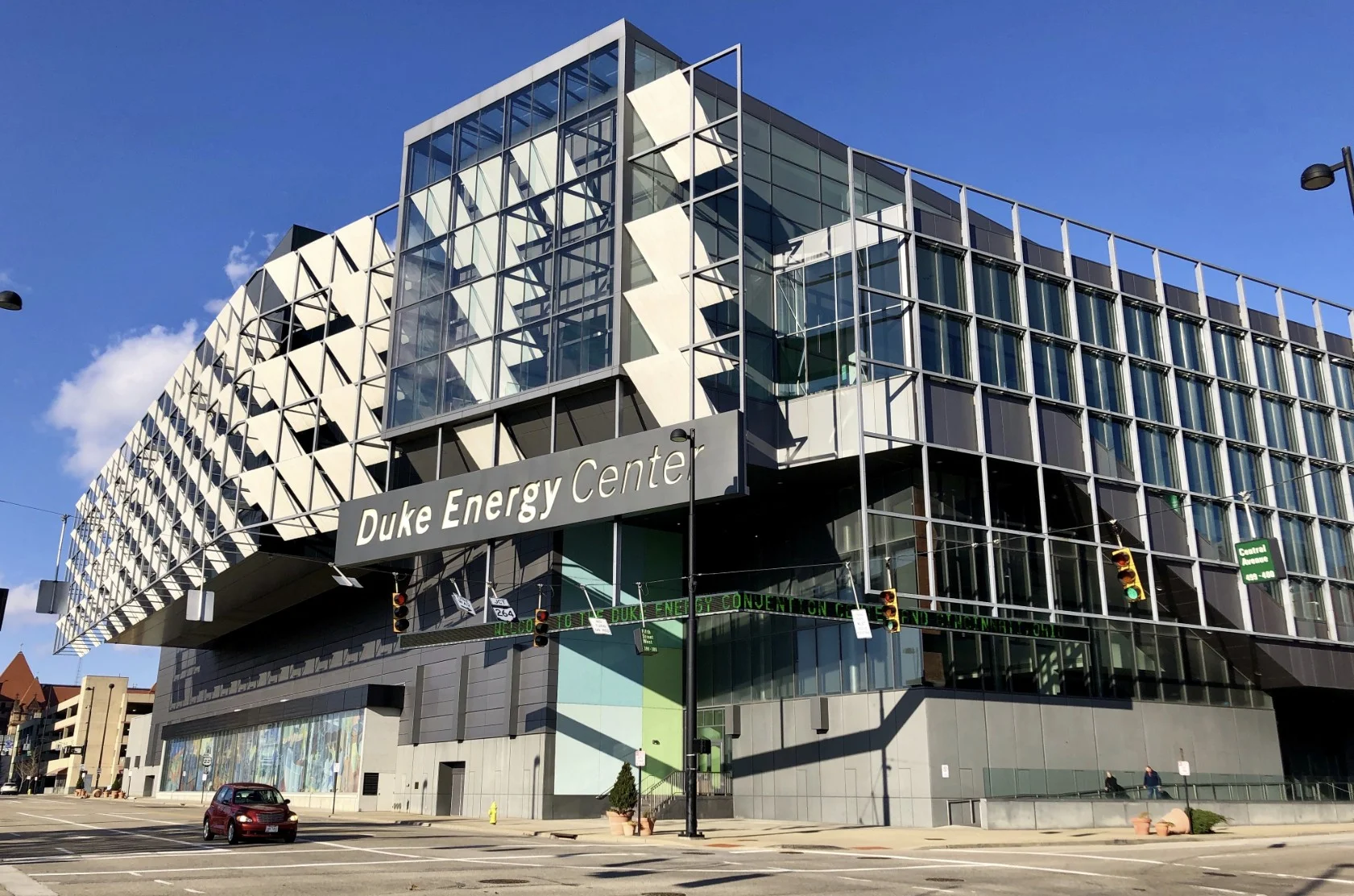
The results of the Grand Conclave were announced at a time when Cincinnati is expanding its convention infrastructure. Total investment in the city’s Convention District is expected to exceed $800 million. At the center of this transformation is First Financial Center, which reopened in early 2026 following an 18-month, $264 million renovation. With upgraded technology, interior design, and event infrastructure, the venue has become an important part of the city’s strategy to attract large conventions with citywide economic impact, such as the Grand Conclave.
Investment in the district does not stop there. Once a planned 700-room convention hotel near the center opens, the area is expected to offer approximately 3,000 hotel rooms within a three-block radius.

Measuring the Return on Convention Investment
One of the notable aspects of the Cincinnati case is that the destination is not evaluating the return on event investment solely through total visitor numbers. The destination’s hosting cost for the Grand Conclave was reported at approximately $361,000, while the event generated around $1.54 million in direct local tax revenue. This resulted in more than $1.17 million in net return from direct tax revenue alone.
This approach also shows why investments in convention centers, headquarters hotels, and destination marketing have become part of economic development strategies for many cities.