

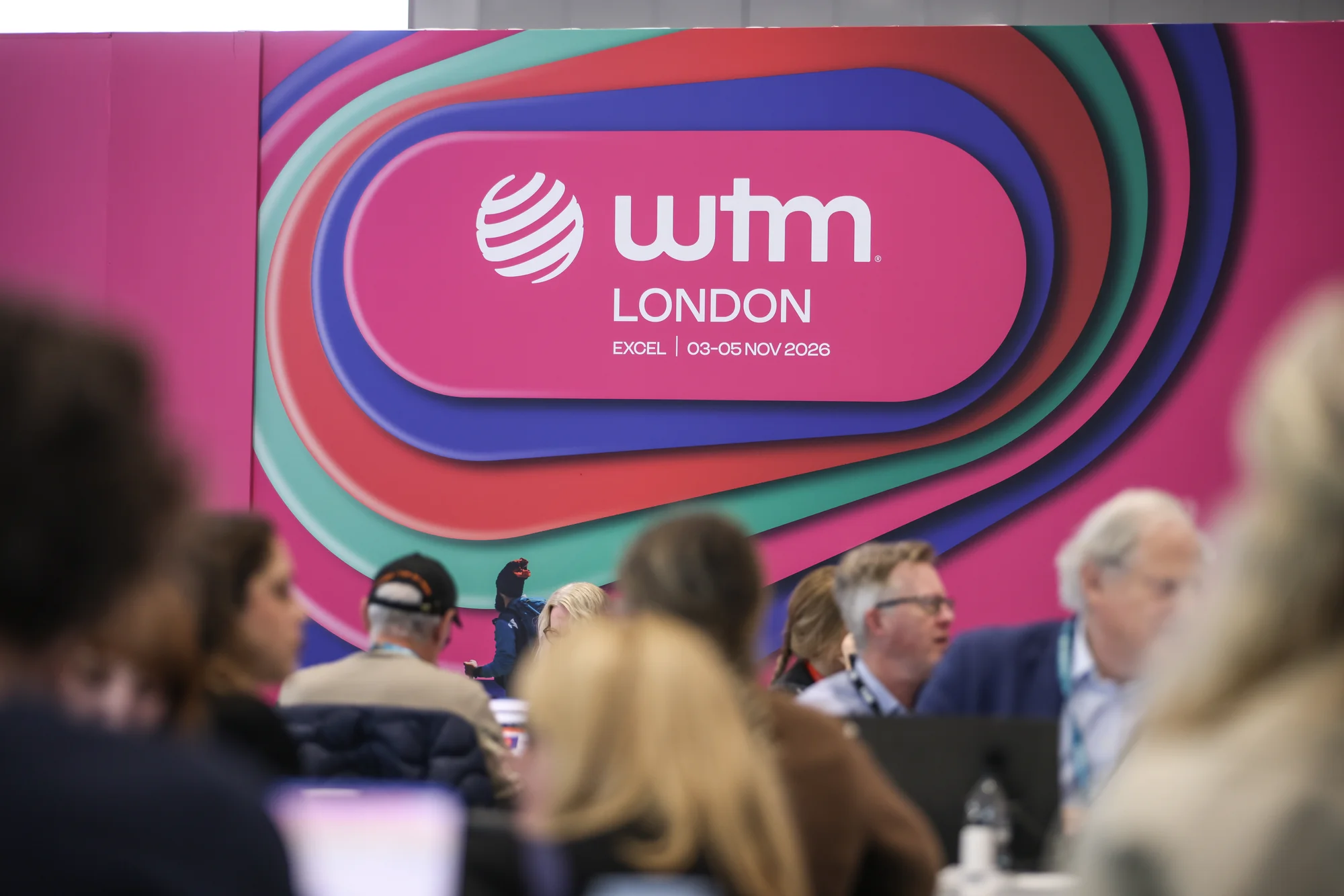
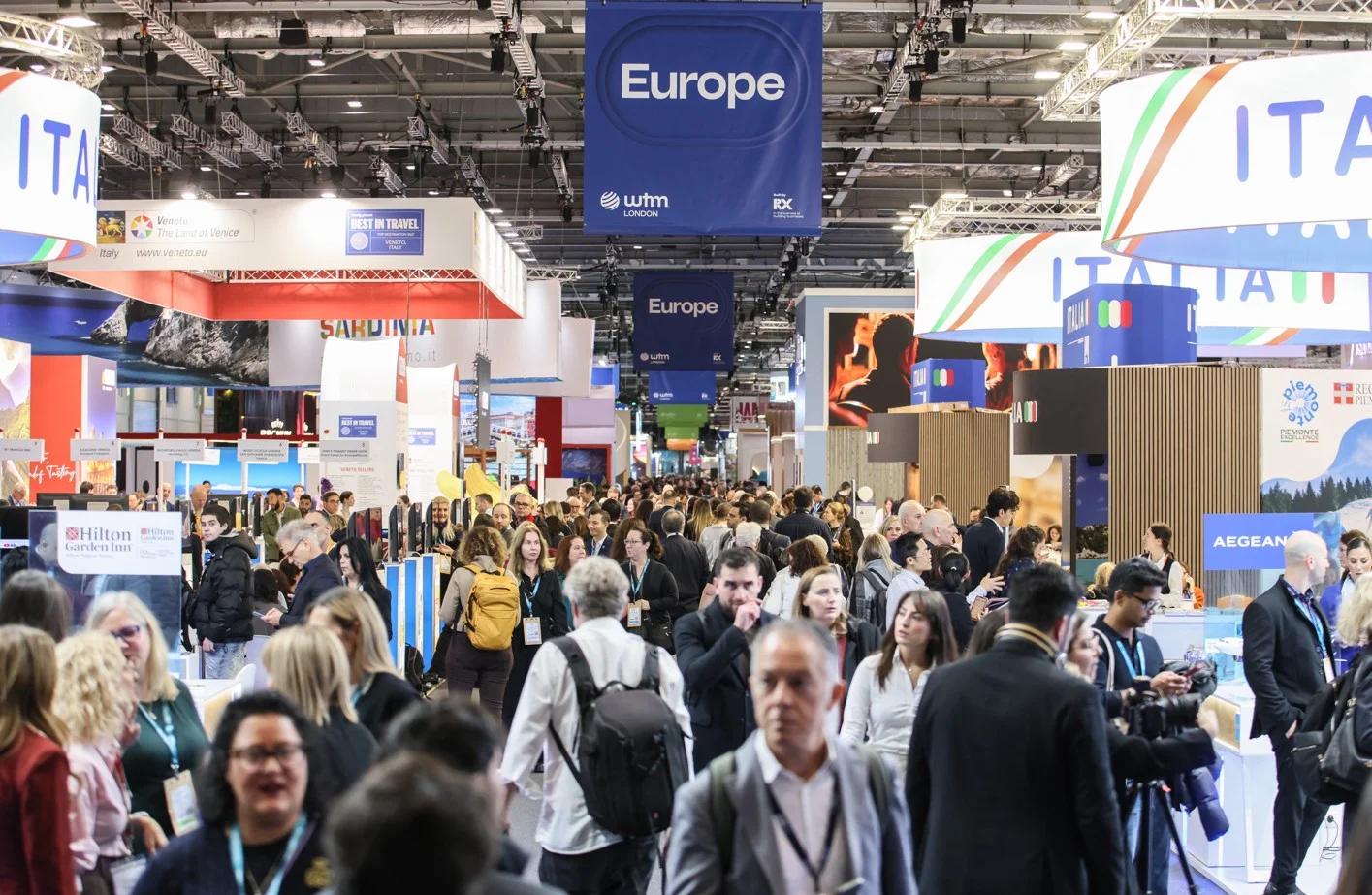
World Travel Market London closed its 2026 edition with a sharp increase in accredited buyers, adding another sign that large travel exhibitions are placing more emphasis on the quality of business taking place on the show floor. WTM London Event Director Chris Carter-Chapman said accredited buyer numbers increased 50% compared with last year during the three-day event at ExCeL London.
The increase matters because buyers are one of the most commercially important groups at a B2B exhibition. Unlike general trade visitors, accredited buyers go through a qualification process and attend with responsibility for sourcing products, destinations and services. WTM London has been strengthening this side of the event through dedicated buyer access, meeting tools and matchmaking services designed to connect buyers directly with exhibitors. The shift also reflects a wider change in how large exhibitions measure success.
Total attendance remains important, but organisers increasingly need to show exhibitors how many decision-makers attended, how many meetings took place and what kind of commercial opportunities were created. For destinations, hotels, airlines, DMCs and tourism businesses paying to exhibit, a large crowd is useful only if enough of the right people are inside it.
More Buyers Can Change The Value Of The Exhibition Floor
WTM London already entered 2026 from a strong commercial base. The 2025 event welcomed 5,500 buyers, while more than 40,000 confirmed business meetings took place during the show. RX said those meetings helped generate more than £2.2 billion in business deals directly attributed to WTM London.
That makes the rise in buyer participation particularly important. More qualified buyers can increase the number of potential meetings available to exhibitors without requiring the exhibition itself to become dramatically larger. This creates what could be described as greater business density. An exhibitor may still spend three days at the same stand, but the value of that time increases if more tour operators, travel agencies, corporate buyers and other decision-makers are available for meetings.
WTM supports this through its Connect Me matchmaking platform, which allows participants to identify relevant companies and arrange meetings before arriving at the venue. Buyers also receive early access to the exhibition halls and dedicated meeting areas. These services may seem like small operational details, but they are becoming central to the value proposition of modern trade shows. The event is no longer simply providing a hall where companies can meet by chance. It is increasingly trying to engineer those meetings before the doors open.
More Than 4,000 Exhibitors Compete For Buyer Attention
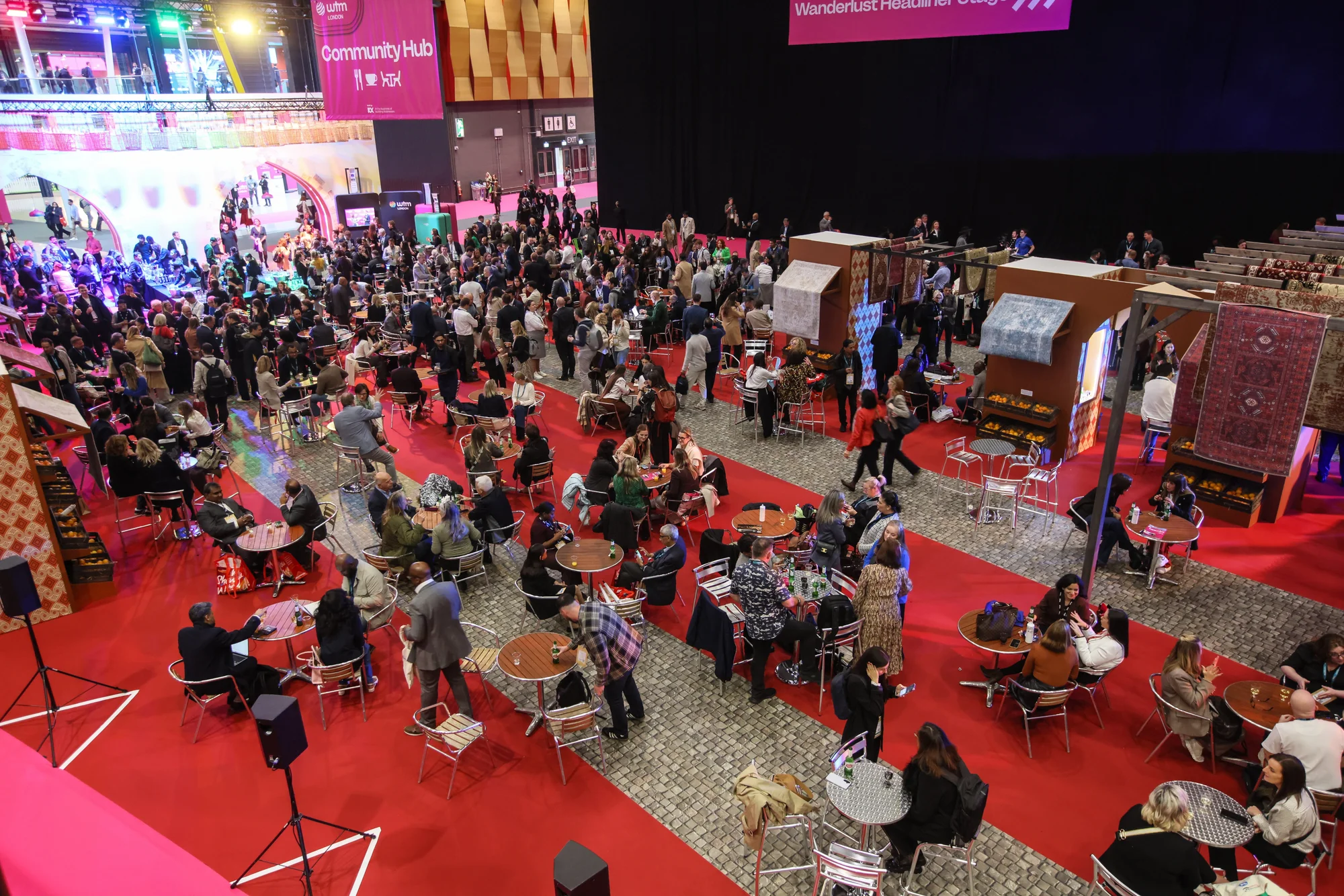
The scale of that matchmaking challenge is substantial. WTM London's 2026 exhibitor directory listed more than 4,100 exhibitors, covering accommodation, destinations, technology, activities, DMCs, transport and other parts of the global tourism industry. With thousands of companies competing for attention, buyers cannot realistically visit every stand.The role of event technology and pre-event planning therefore becomes more important.
Matchmaking systems allow buyers to narrow the exhibition down to suppliers that fit their actual business needs. For exhibitors, this also changes preparation. A strong stand design can still attract attention, but companies increasingly need clear profiles, products and meeting objectives before the event begins if they want to appear in relevant buyer searches.

This is especially important at very large trade shows. The larger the event becomes, the greater the risk that visitors spend valuable time simply trying to find the right companies. Good matchmaking reduces that friction.
Trade Shows Are Under Pressure To Prove Commercial Results
The increase in WTM's accredited buyer base comes at a time when exhibitors across the events industry are paying closer attention to return on investment. Exhibiting requires more than buying floor space. Companies also spend on stand construction, travel, accommodation, staffing, marketing, entertainment and hospitality. For international exhibitors, those costs can become significant.
The number of qualified buyers, scheduled meetings and decision-makers becomes part of the argument for why an exhibitor should return the following year. WTM London's previous results show how this approach can be measured. More than 40,000 confirmed meetings and £2.2 billion in attributed deals give exhibitors figures that go beyond attendance.
The 50% rise in accredited buyers strengthens that commercial story. It also suggests that buyer recruitment itself is becoming a major part of exhibition strategy. Organisers need to identify valuable buyers, convince them to attend and then make the event easy enough to navigate that they can complete a large number of useful meetings in a limited amount of time.
Buyer Experience Is Becoming Its Own Event Product
WTM London treats buyers as a distinct audience within the wider exhibition. Applicants must meet qualification criteria before being accepted into the Buyer Programme. Once approved, they receive services including dedicated matchmaking, early hall access, hospitality areas and private meeting facilities. This reflects a wider change in B2B events.
For years, exhibitors were often treated as the main paying customer while visitors formed the audience around them. That relationship is becoming more balanced. A strong exhibition needs both sides of the marketplace. Without enough exhibitors, buyers have fewer products to discover. Without enough high-quality buyers, exhibitors have less reason to invest in the show.
The organiser therefore needs to design separate experiences for each group and make sure they connect efficiently. In that sense, the buyer programme is no longer simply an attendance category. It is becoming a product inside the event.