

Indonesia is preparing to host the IESF World Esports Championship for the third time, bringing one of the world’s largest national-team esports competitions to ICE BSD City in Banten. The 18th edition of the championship, known as WEC26, will take place from December 15 to 20.
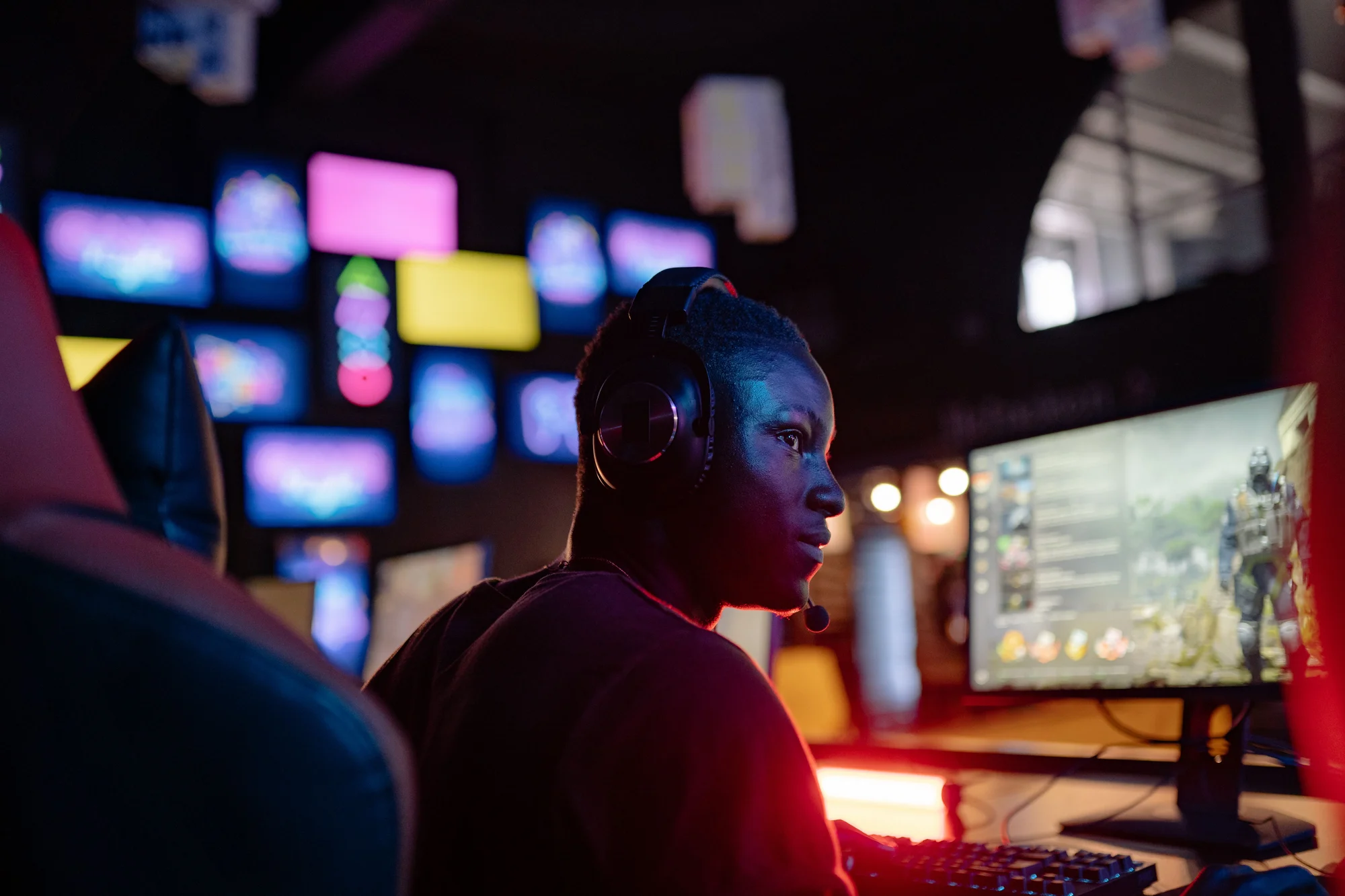
More than 400 athletes are expected to compete across seven competitions built around five game titles: Counter-Strike 2, Dota 2, Mobile Legends: Bang Bang, PUBG MOBILE and eFootball. Separate women’s competitions will also be held for Counter-Strike 2 and Mobile Legends: Bang Bang. A total prize pool of $500,000 will be distributed across the seven competitions.
ICE BSD City Becomes a Global Esports Arena
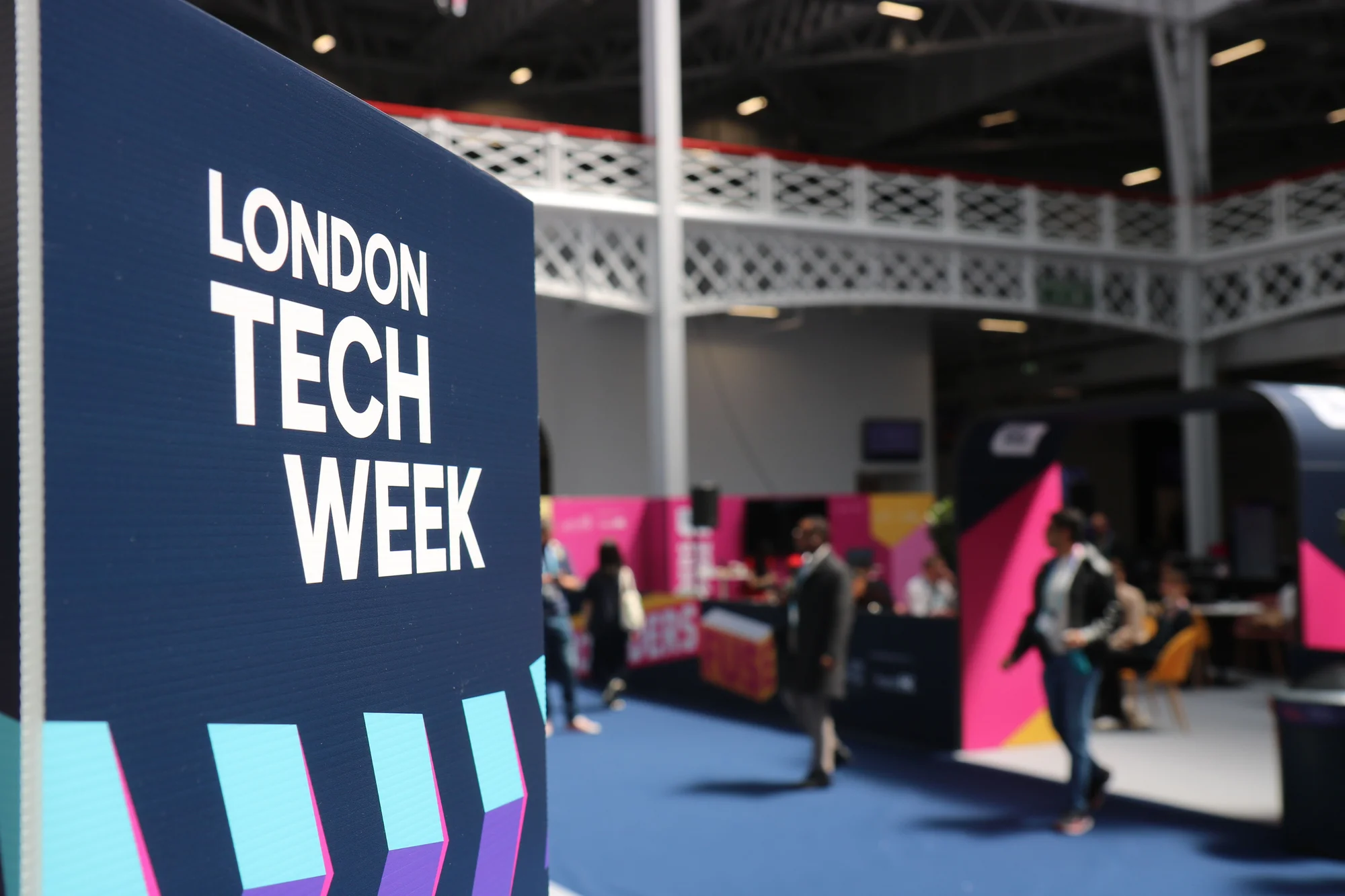
WEC26 will take over Indonesia Convention Exhibition, one of the country’s largest event venues. The ICE complex covers approximately 220,000 square metres across a 22-hectare site and includes 10 exhibition halls. A typical hall covers around 4,860 square metres, giving organisers substantial flexibility for competition stages, audience areas, broadcast production and supporting event infrastructure.
The choice of a major convention centre reflects the increasing physical scale of international esports. Large tournaments are no longer simply gaming competitions staged inside small arenas. They require production facilities, broadcast infrastructure, player areas, fan experiences and multiple competition environments operating simultaneously. For six days, ICE BSD City will effectively shift from a convention and exhibition venue into an international esports campus.
Seven Competitions Share a $500,000 Prize Pool
The $500,000 prize pool will be divided across all seven competitions. PUBG MOBILE carries the largest individual allocation at $120,000, while Counter-Strike 2 and Dota 2 each offer $100,000. Counter-Strike 2 Women will compete for $60,000, Mobile Legends: Bang Bang for $50,000, eFootball for $40,000 and Mobile Legends: Bang Bang Women for $30,000.
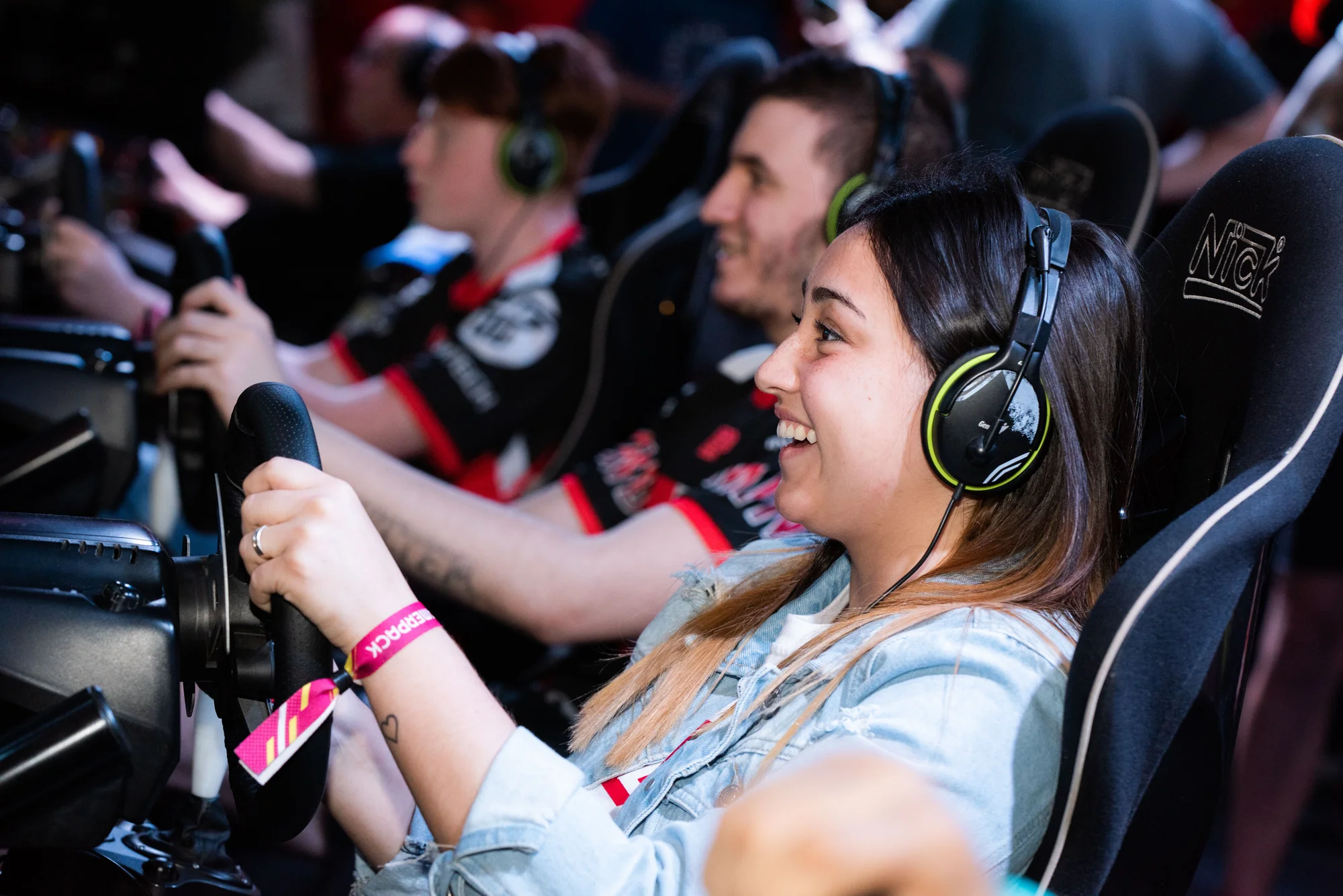
Unlike many professional esports tournaments organised around commercial clubs, the IESF World Esports Championship uses a national-team model. Players compete under their countries’ flags through national federations, giving the event a structure closer to an international sporting championship. That format also broadens the geographic footprint of the event. The latest official WEC26 programme lists 99 participating nations, with teams coming from Africa, the Americas, Asia, Europe and Oceania.
Indonesia Hosts the Championship for the Third Time
Indonesia has already developed a long relationship with the World Esports Championship. The country first hosted the event in Jakarta in 2016 before welcoming it again in Bali in 2022. Indonesia finished the 2022 edition as Champion Nation. WEC26 now brings the championship back four years later, this time to Banten.
The return also reflects Indonesia’s growing investment in esports as part of its national sports ecosystem. In October, the country inaugurated the 2026–2030 leadership of the Indonesian Esports Central Board, PB ESI. IESF President Vlad Marinescu described three World Championships in ten years as evidence of Indonesia’s commitment to developing the sector. Hosting the event in Banten also gives the championship a different destination setting from its previous editions in Jakarta and Bali.
Esports Is Becoming Part of the Major Events Market
WEC26 illustrates how esports is increasingly moving into the same event infrastructure used by exhibitions, conventions and major entertainment productions. The requirements are different from a traditional congress, but many of the operational needs overlap. International athletes and teams require accommodation and transportation. Organisers need large venues, technical production, security, hospitality and broadcast services. Sponsors and national federations create additional demand around the competition itself. Large esports championships can therefore sit increasingly comfortably within the wider business and live events ecosystem.
For destinations, they can also attract a younger international audience while placing convention infrastructure in front of a global digital viewership.Indonesia’s decision to host the World Esports Championship for a third time shows that esports is becoming more than a competitive gaming product. With 99 nations represented, more than 400 athletes expected and one of the country’s largest convention centres providing the stage, WEC26 will operate as a six-day international event built at the intersection of sport, technology, entertainment and destination hosting.