

Luxembourg has become a global meeting point for chefs and hospitality professionals as the RAK Porcelain Culinary World Cup takes over Luxexpo The Box from November 21 to 25. Held as the centrepiece of Expogast 2026, the competition brings together culinary teams from around 55 countries across five continents.
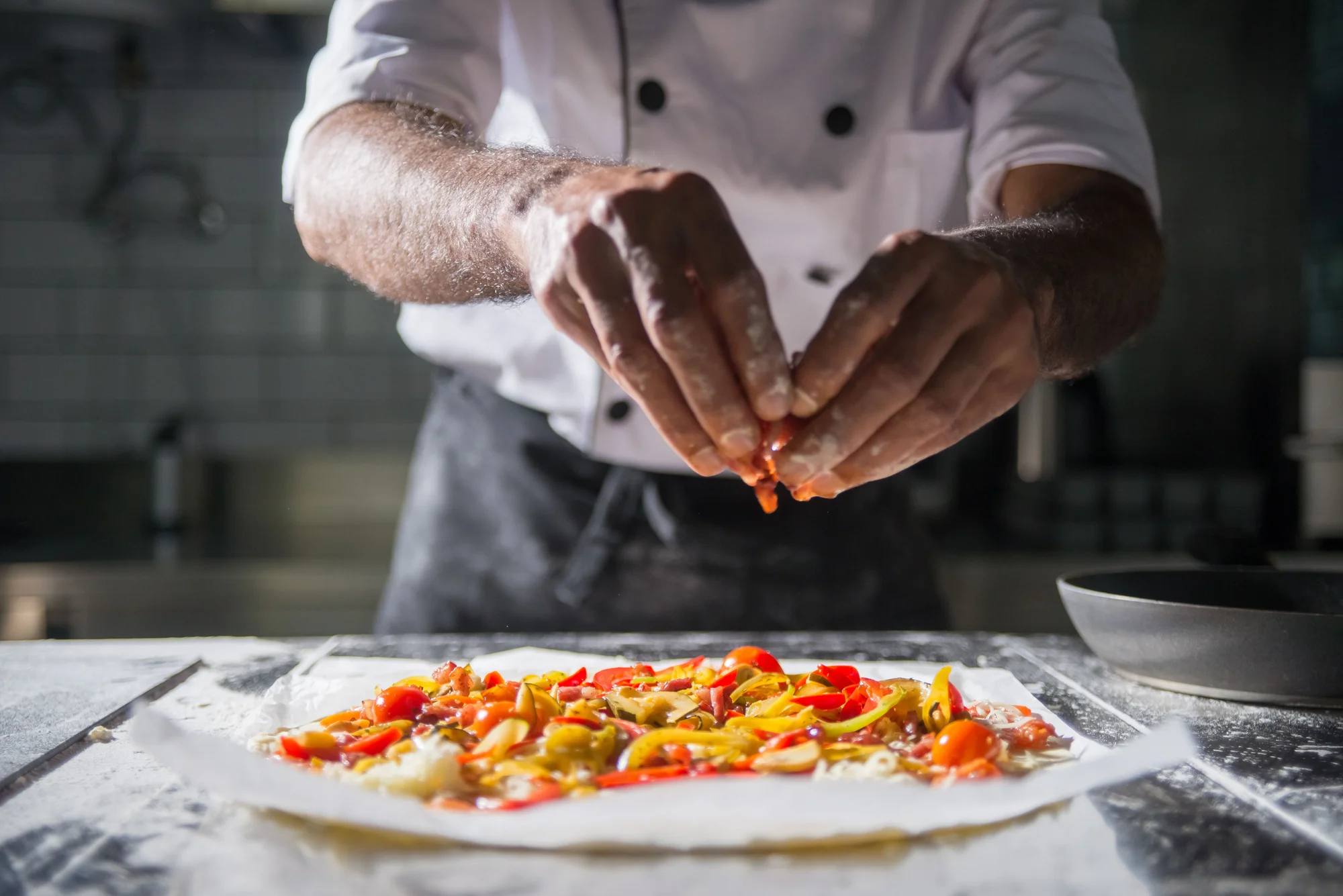
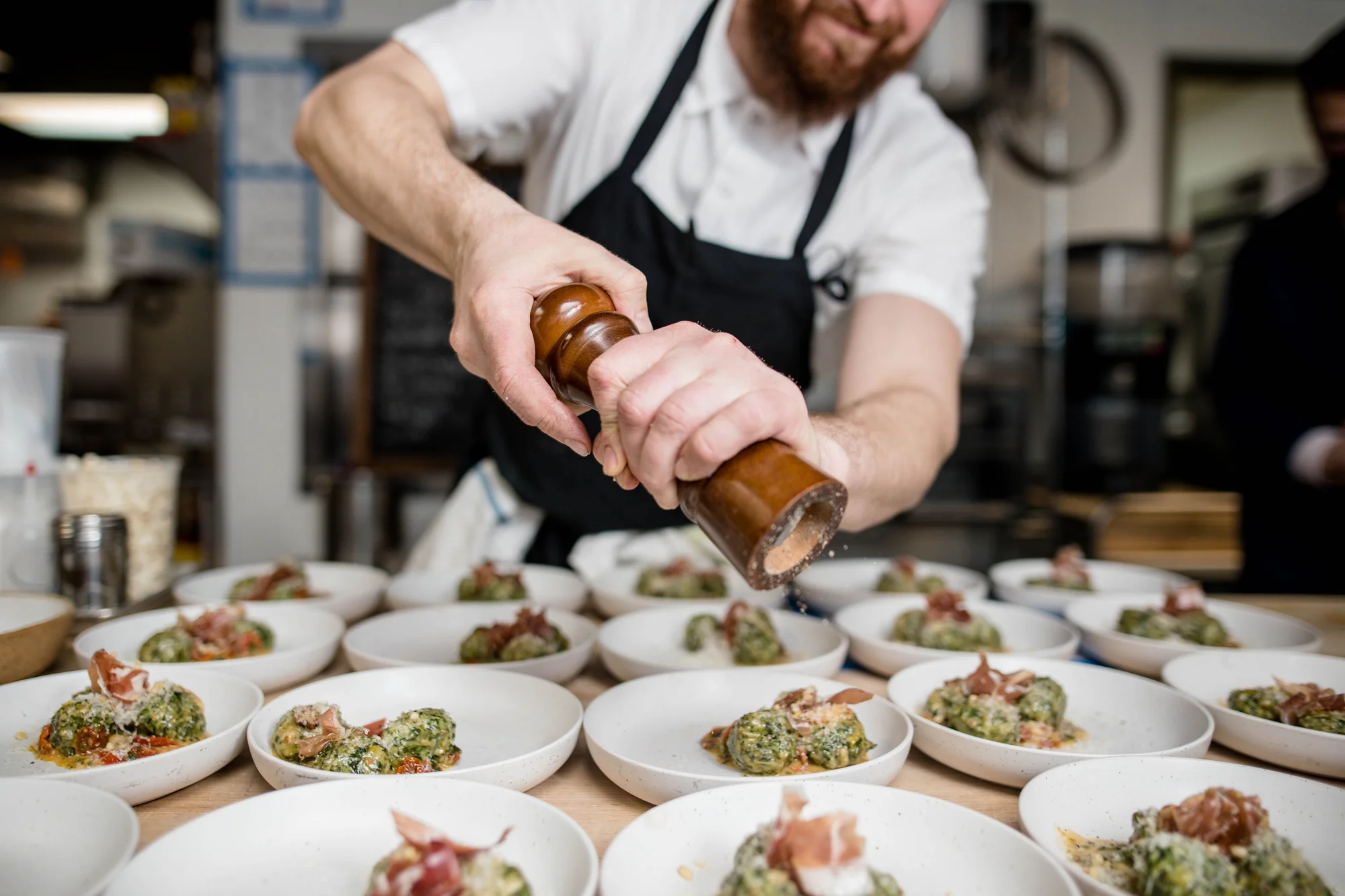
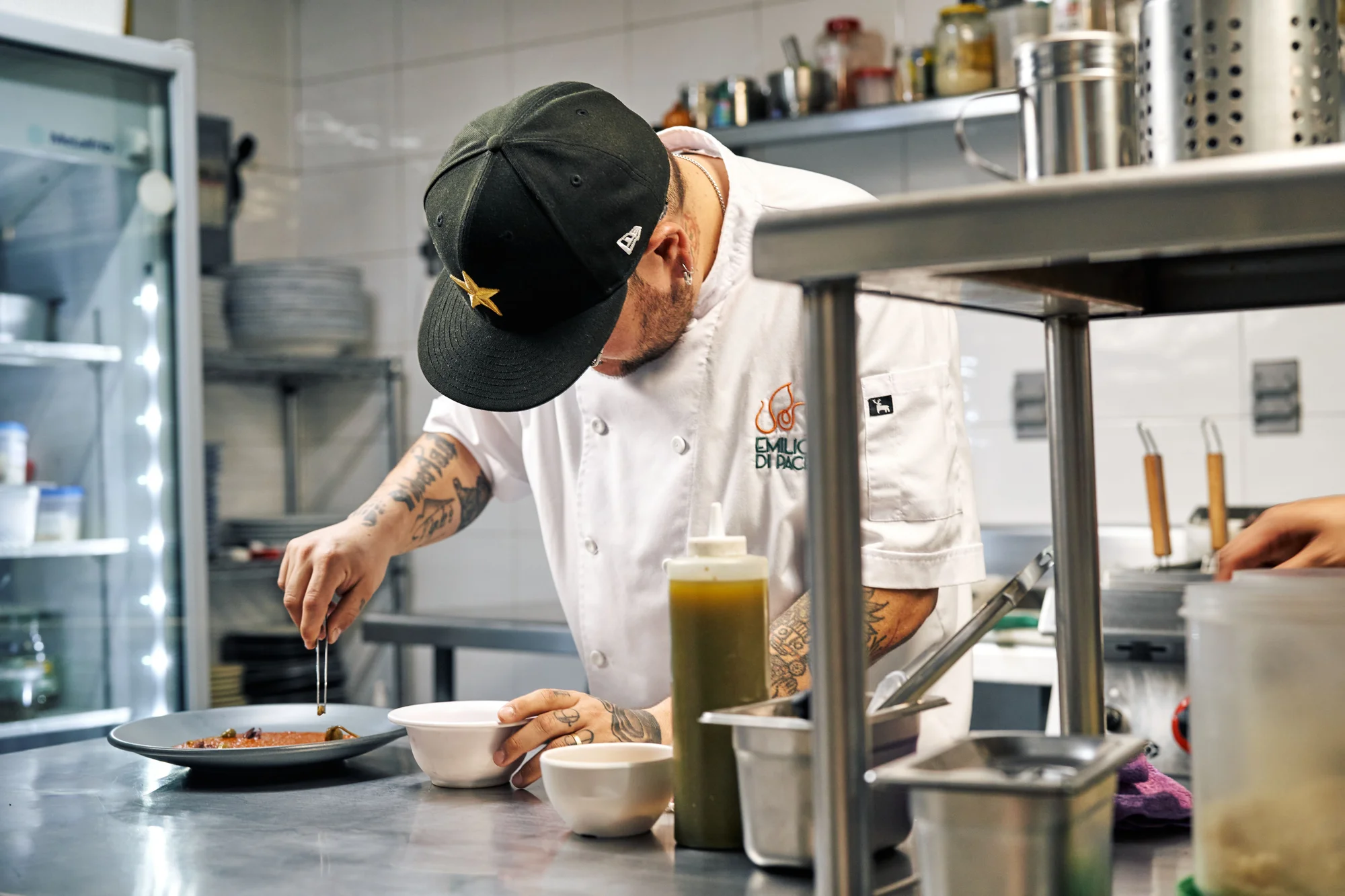
The programme includes 30 national teams, 15 junior national teams and 15 Community Catering teams, alongside regional competitors, individual chefs and pastry specialists. Rather than keeping the competition behind closed doors, Expogast places cooking at the centre of the visitor experience. Teams prepare their dishes live in dedicated competition kitchens before serving menus to guests and international juries.
Competition Becomes Part of the Event Experience
The Culinary World Cup combines professional competition with a format that allows visitors to experience the results directly. Part of the exhibition floor is transformed into large restaurant environments with around 900 covers, where guests can taste menus prepared during the competition. National and junior teams compete through formats including Hot Kitchen, Chef’s Table and Restaurant of Nations, while Community Catering teams develop menus for large-scale food service environments.
For many teams, preparations begin months before arriving in Luxembourg. The format therefore combines elements of a championship, live demonstration and hospitality experience within the same venue. For visitors, the chefs are not simply speakers or exhibitors. The production process itself becomes part of the event.
Expogast Expands Beyond the Competition
The World Cup operates inside the wider Expogast trade show, which takes place every four years. The event brings together chefs, producers, suppliers, buyers, distributors and hospitality professionals across approximately 24,700 square metres of exhibition space.
Alongside the competition, the programme includes chef demonstrations, professional meetings and discussions around the future of gastronomy and hospitality. A new Startup Village has also been introduced for 2026, giving young companies working across food, hospitality and retail a dedicated platform to present new concepts and technologies.
This broadens the event beyond culinary performance. While the competition provides much of the public spectacle, the exhibition also functions as a B2B environment for professionals looking at products, suppliers and changing trends across the food and hospitality industries.
Gastronomy Creates Its Own Live Event Format
Food has long been part of conferences, exhibitions and hospitality events, but competitions such as the Culinary World Cup reverse that relationship. Here, food is not supporting the event. Food production is the event. The kitchens, chefs, judging process and finished dishes all become part of the live programme, creating a format that can engage both industry professionals and the general public.
That also gives Expogast a strong visual identity. Instead of relying only on exhibition stands or conference stages, visitors can watch teams working under competition conditions and then experience the finished product through restaurant service. The model illustrates how gastronomy can function as both professional content and live entertainment.
For Luxembourg, the five-day event also brings an international hospitality audience into the destination while positioning the city as a meeting point for chefs and culinary professionals from around the world. With 85 elite teams competing and the exhibition bringing together the wider gastronomy industry, Expogast turns a cooking championship into a broader international hospitality event.