

Tourism’s economic importance in Europe is significantly larger than its direct contribution alone, according to the latest update of the EU Tourism Dashboard. The European Commission’s Joint Research Centre has introduced a new methodology measuring the combined direct, indirect and induced effects of tourism across the EU. Under the new calculation, tourism accounted for an estimated 10.1% of EU gross value added in 2025. Its direct contribution was considerably lower at 4.1%.
The difference reflects the wider economic activity created when visitor spending moves through sectors including transport, retail, food and beverage, culture, agriculture and other parts of the supply chain. For destinations, the new figure provides a broader way to understand the value generated by attracting visitors, meetings and major events.
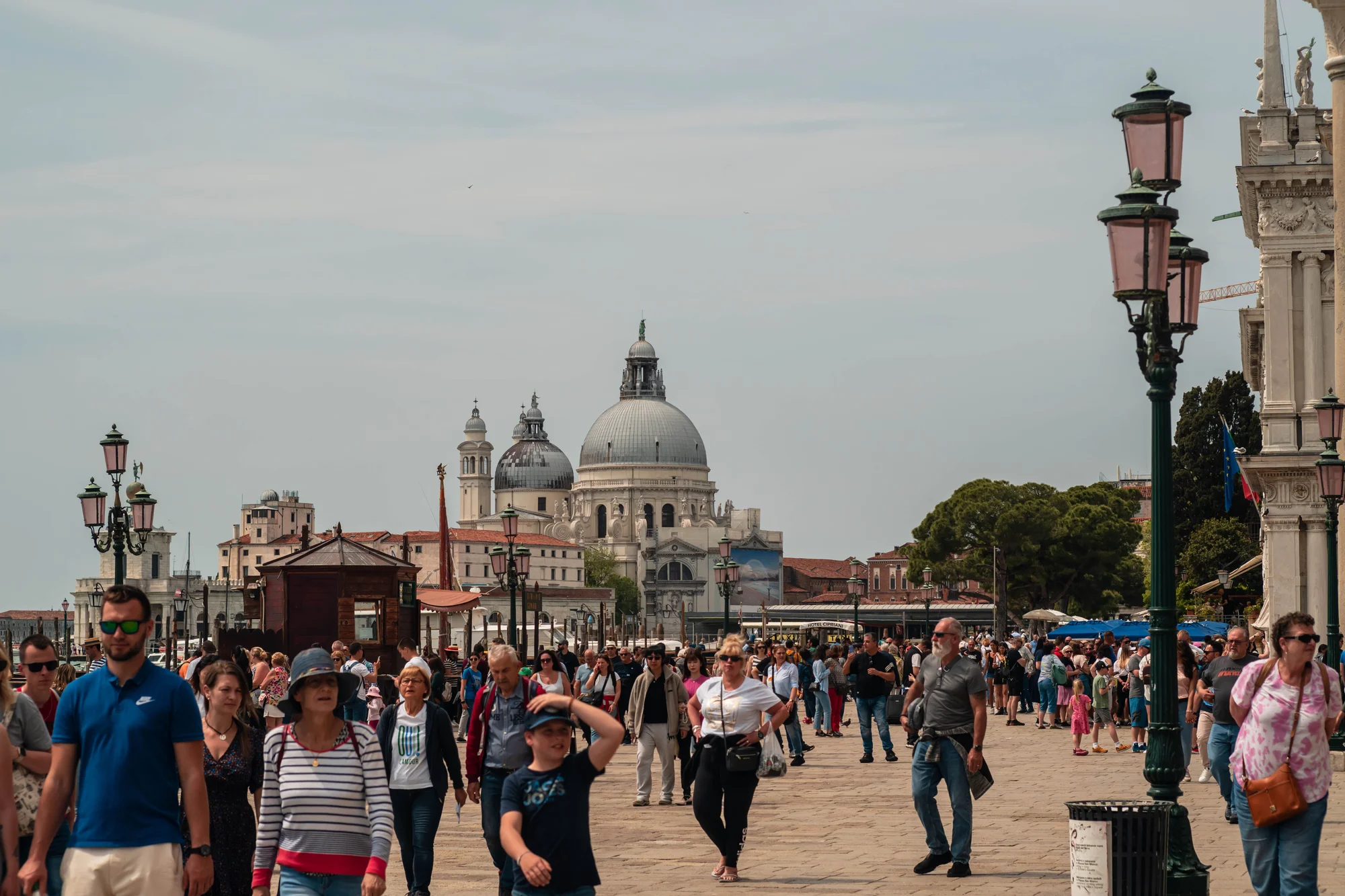
Tourism’s Impact Extends Far Beyond Hotels
Traditional tourism measurements often focus on businesses that interact directly with travellers. Accommodation, restaurants, tour operators and attractions remain central, but visitor spending creates additional activity throughout the economy. Hotels purchase food, technology, energy and professional services. Airlines and transport companies support tourism flows. Employees working across these sectors then spend part of their income elsewhere.
The new EU methodology includes these indirect and induced effects. That pushes tourism’s estimated economic contribution from 4.1% of EU GVA directly to 10.1% when the full chain is considered. Tourism also supports more than 20 million jobs across the EU and involves around five million businesses. Approximately 99% of those companies are small and medium-sized enterprises. This broad network helps explain why changes in visitor demand can affect industries well beyond hotels and attractions.
Some Destinations Depend Much More Heavily on Tourism
The economic weight of tourism varies significantly across Europe. In Portugal and Croatia, its total contribution exceeds 20% of gross value added under the new methodology. Tourism also plays an important employment role in destinations including Greece, Cyprus and Malta. That dependence creates both opportunity and risk.
Strong international demand can support investment, employment and infrastructure development, but destinations with greater tourism exposure can also be more sensitive to changes in air connectivity, traveller confidence or seasonal demand. For cities competing for meetings, incentives and international events, the wider economic impact can strengthen the case for public investment in convention infrastructure and destination marketing.

An international congress does not generate value only through venue rental. Delegates use hotels, restaurants, airlines, taxis, retail businesses, cultural attractions and local suppliers during their stay. The same principle applies to destination weddings and incentive programmes, where visitor spending can spread across several days and multiple businesses.
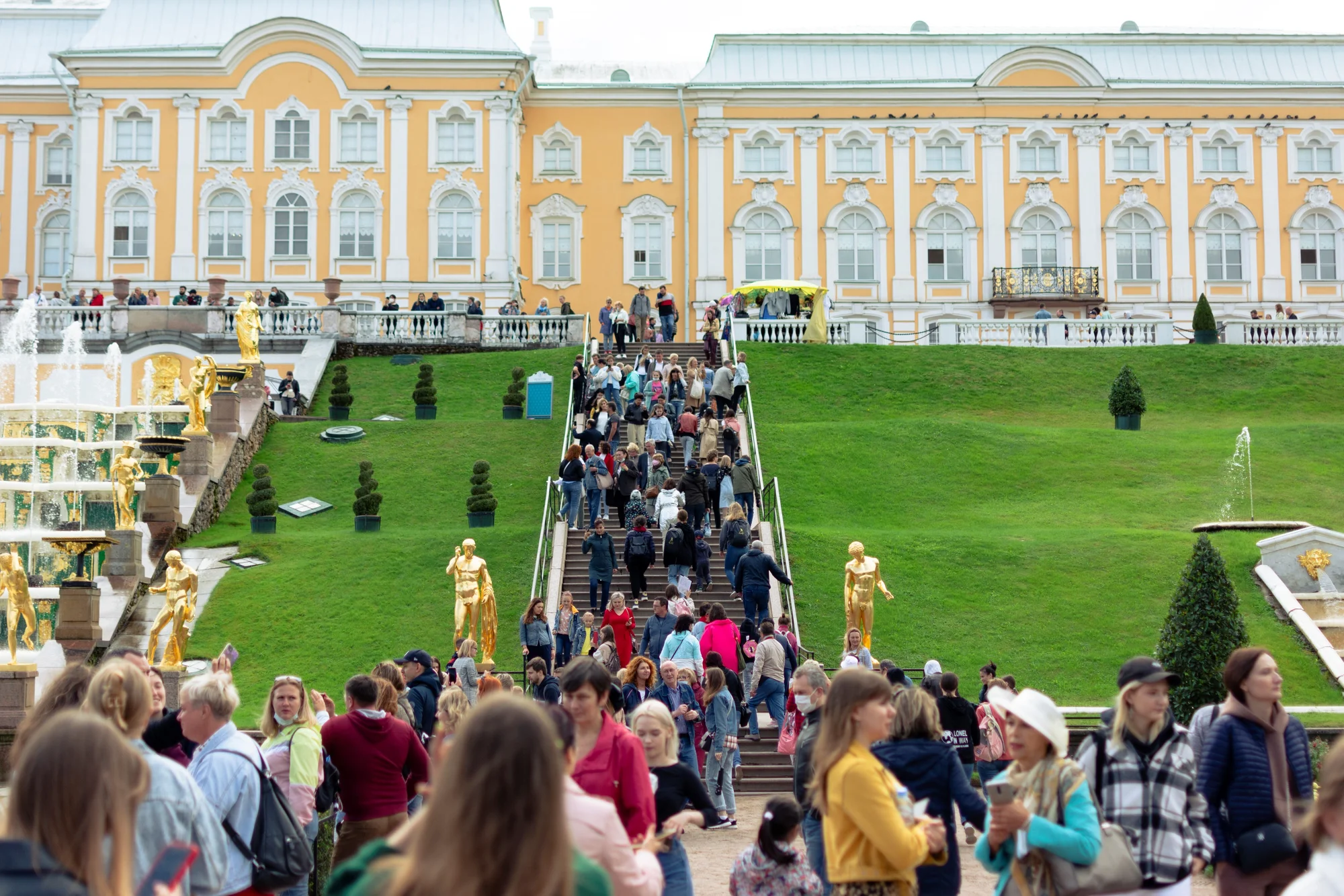
A New Winter Tourism Indicator Tracks Seasonality
The updated Tourism Dashboard also introduces a regional indicator for winter tourism. Using monthly Eurostat accommodation data, the tool measures how much of a destination’s annual overnight volume is concentrated in the winter season. Austria and Finland are among the markets showing particularly strong winter seasonality.
This type of data can help destinations identify periods where demand is highly concentrated and where additional business could help balance the calendar. Meetings and events can play an important role in that strategy. Unlike leisure travel, conferences and corporate events can often be scheduled during shoulder or lower-demand periods, helping destinations generate hotel occupancy and visitor spending outside peak tourism seasons.
Economic Impact Strengthens the Case for Events
The updated figures give tourism authorities and event destinations another way to measure the value of international visitors. Room nights and attendance remain important, but they show only part of the economic picture. A major congress or destination event also creates demand through transport, catering, retail, production, entertainment and other local services.
When those wider effects are included, tourism becomes one of the EU’s largest economic ecosystems. For destinations developing MICE strategies, that broader measurement can also strengthen the argument for investing in connectivity, event infrastructure and year-round visitor demand. The European Commission’s new 10.1% estimate makes one point particularly clear: tourism’s economic footprint extends considerably further than the businesses traditionally labelled as part of the tourism industry.