

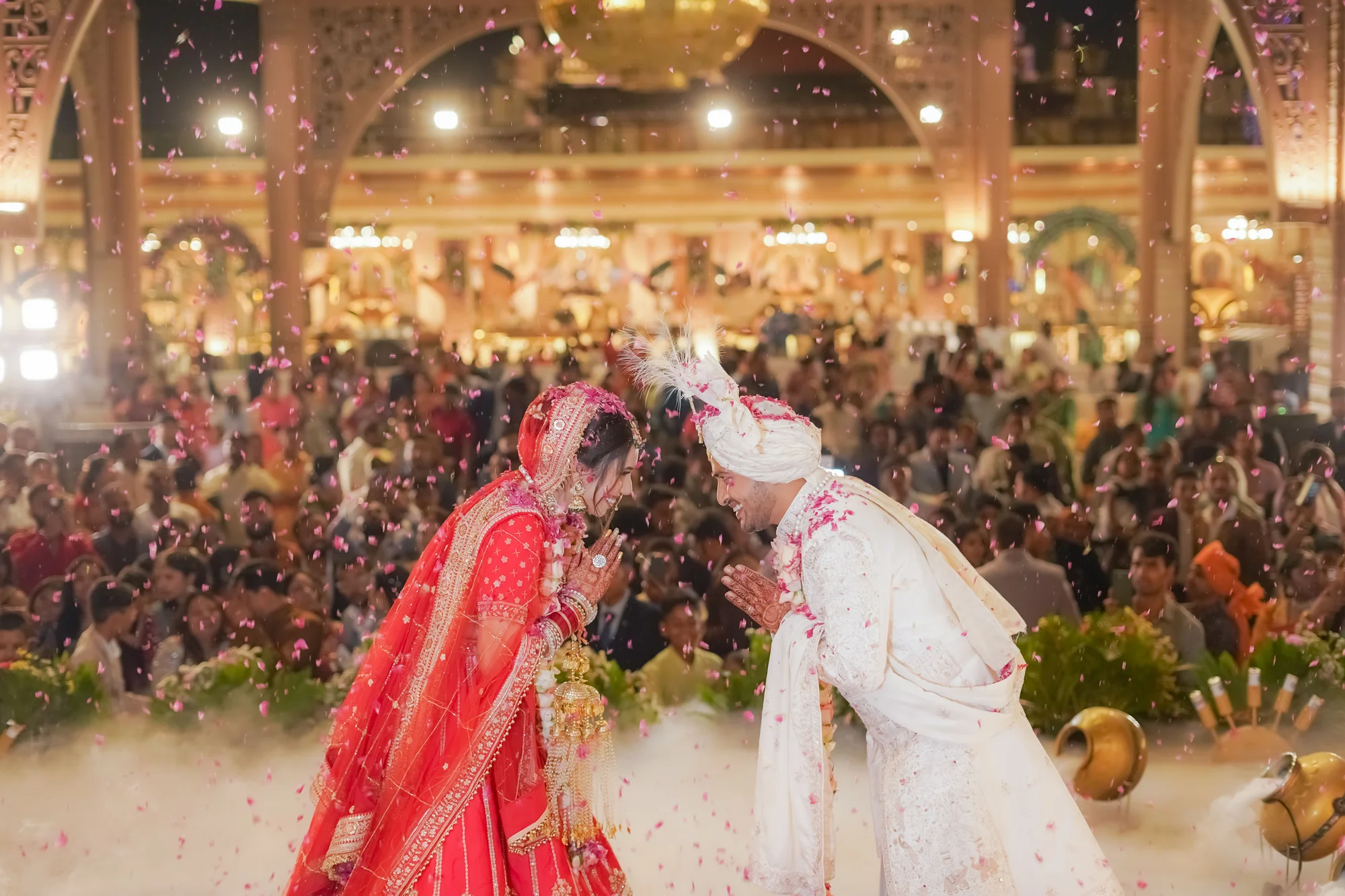
India is strengthening its approach to MICE and destination weddings through closer cooperation between government, venues and industry organisations. The Ministry of Tourism brought representatives from both sectors together in New Delhi for a stakeholder consultation focused on improving destination promotion, industry data and professional standards.
Participants included the Indian Exhibition Industry Association, Event and Entertainment Management Association, Indian Weddings Industry Association, Jio World Convention Centre, India Trade Promotion Organisation and India Convention Promotion Bureau. The consultation reflects a wider effort to position India not only as a major domestic events market, but as a stronger international destination for conferences, exhibitions and large-scale weddings.
India’s MICE Market Could Pass $100 Billion
India’s MICE market was valued at approximately $49.4 billion in 2024 and is projected to reach $103.7 billion by 2030. That growth is being supported by new convention infrastructure, expanding hotel capacity and improved transport links across the country. The Ministry of Tourism already promotes business events internationally through the Meet in India sub-brand under Incredible India.
India has also improved its position in the global association meetings market. According to ICCA figures cited by the Ministry, India moved from 37th place globally in 2022 to 26th in 2025, while ranking sixth in Asia-Pacific. New Delhi was the country’s highest-ranked city in 2025, followed jointly by Bengaluru and Mumbai. The numbers suggest India is gaining ground, but the government sees further opportunity if destinations, venues and professional organisations work more closely together.
Weddings and MICE Share Many of the Same Needs
Bringing wedding tourism and MICE into the same discussion reflects how closely the two sectors can overlap operationally. Large international conferences and multi-day destination weddings both require substantial hotel inventory, event venues, transportation, catering and professional production services. They also create demand beyond the main event.
Delegates and wedding guests may spend on restaurants, shopping, entertainment, cultural experiences and domestic travel before or after the programme. India has a particularly strong position in the wedding segment because of the scale and complexity of Indian celebrations.
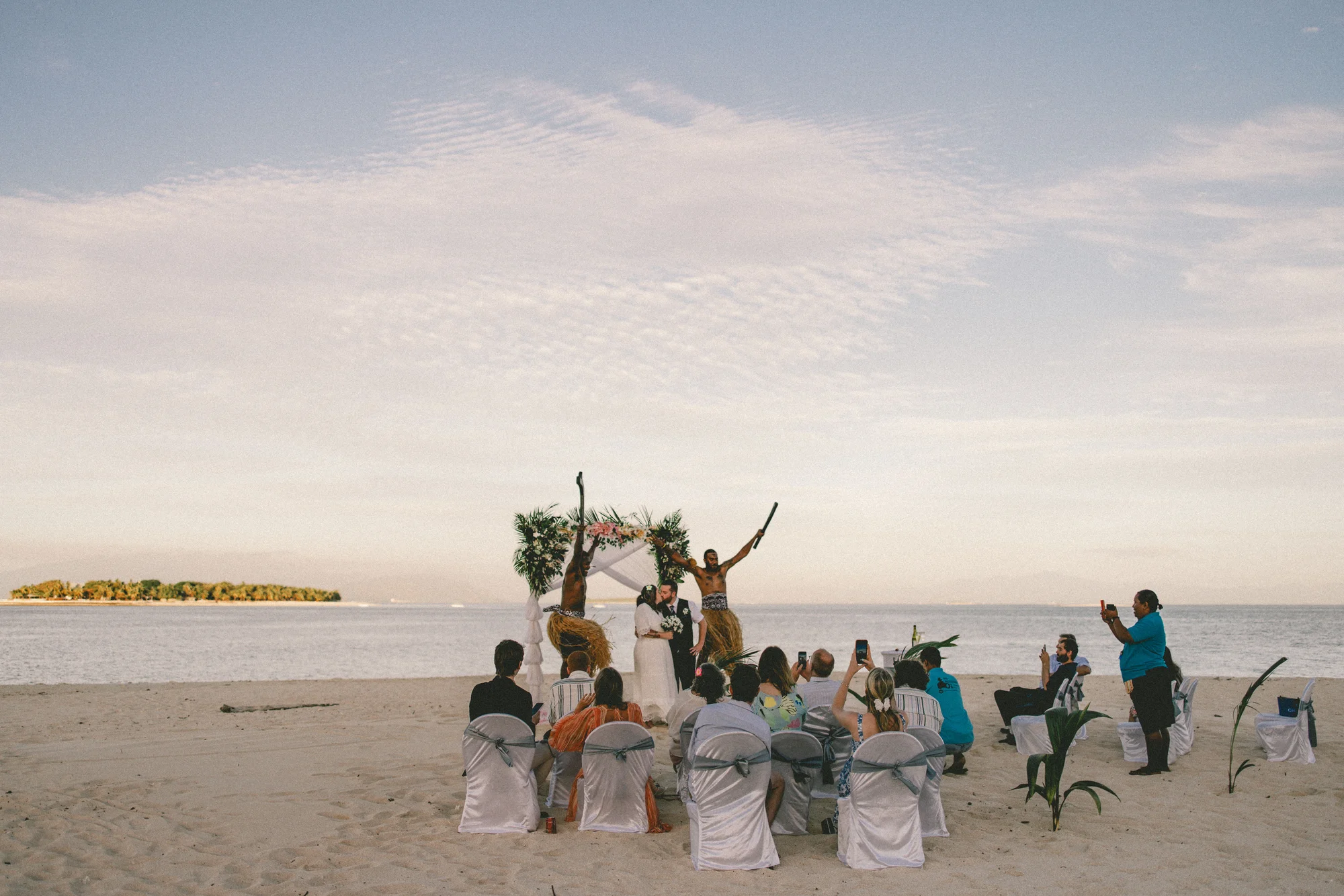
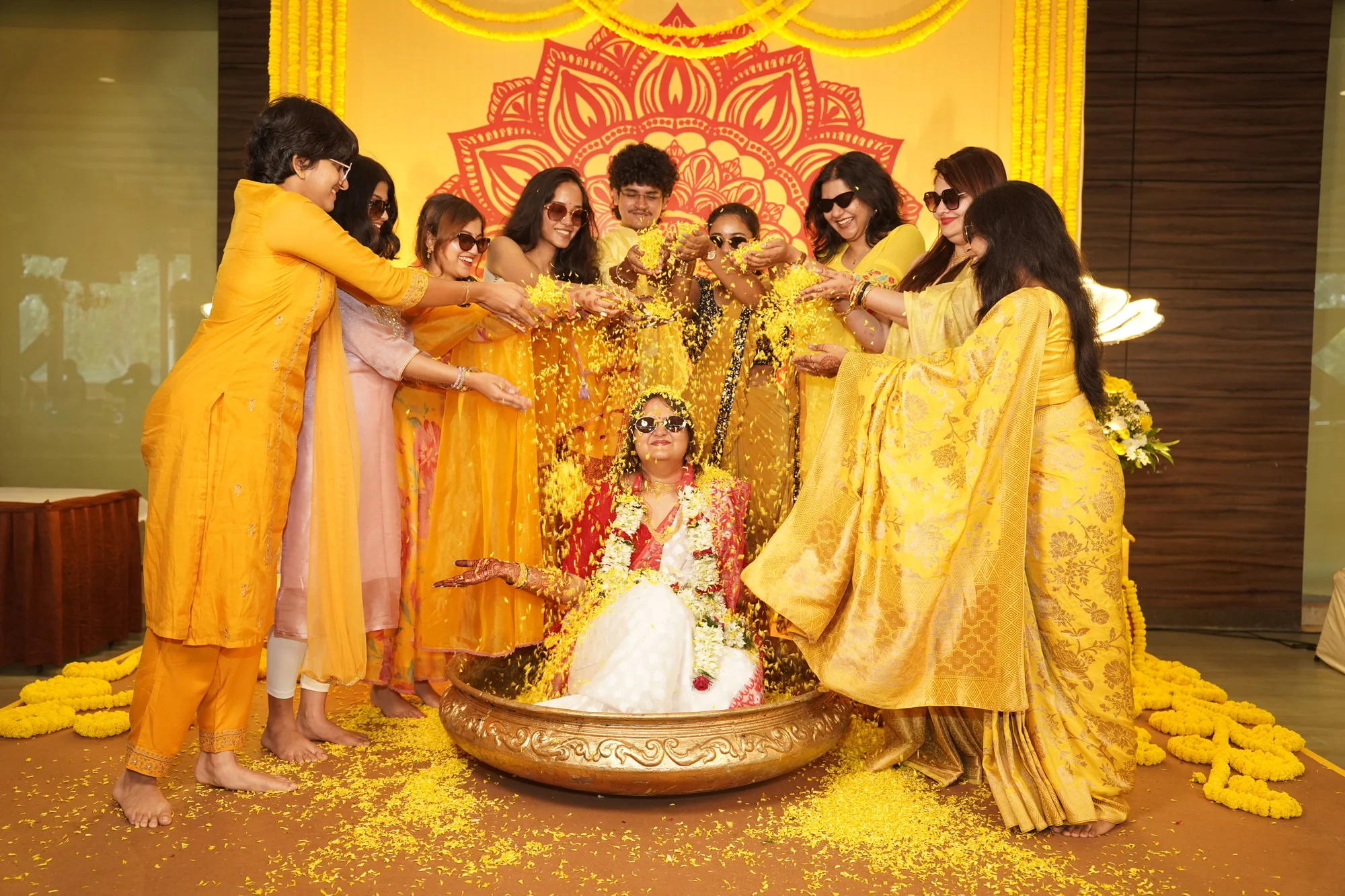
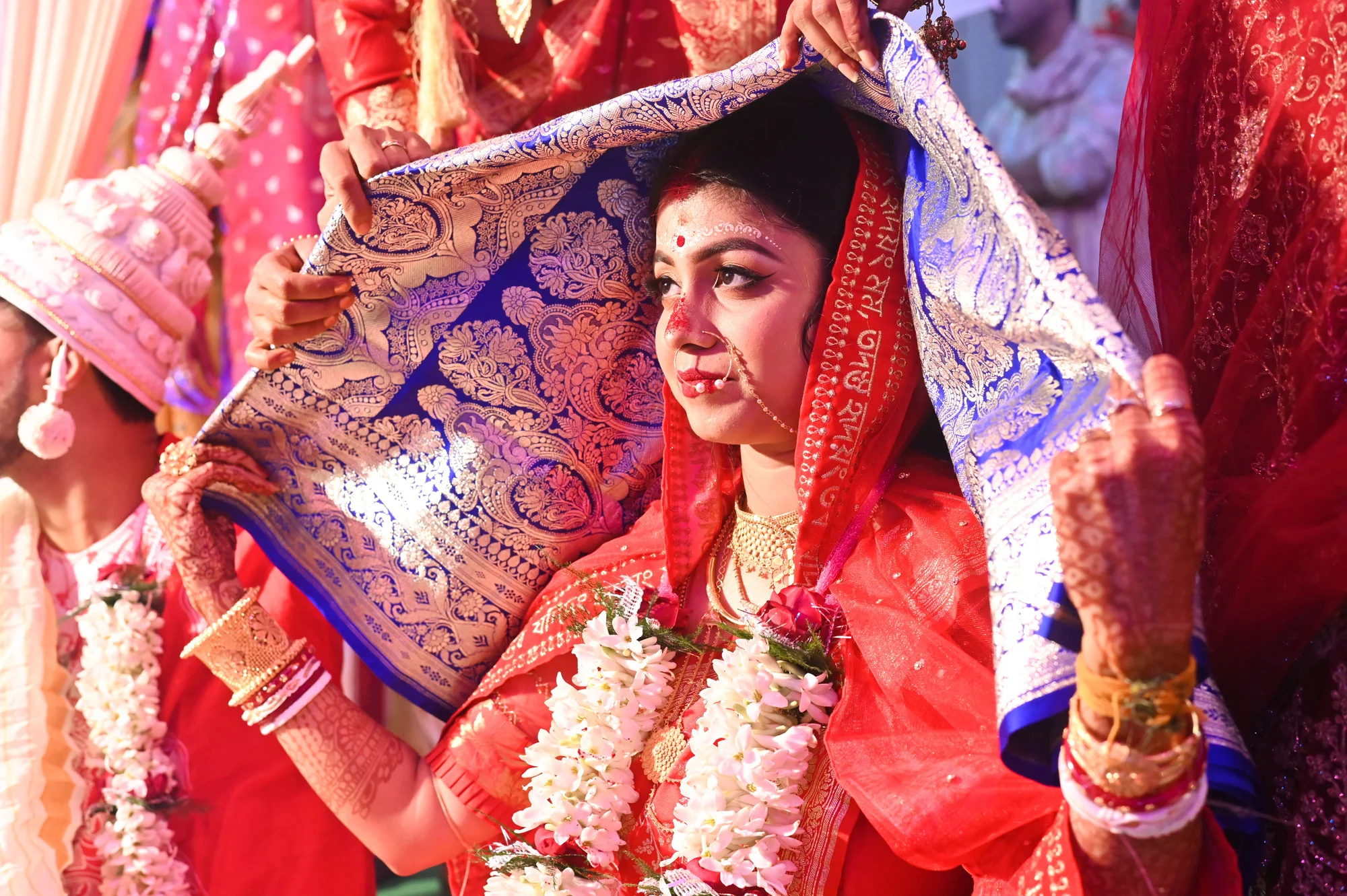
Multi-day weddings can include several ceremonies, entertainment programmes and large guest groups, creating demand for resorts, palaces, convention hotels and destination management companies. The challenge is turning that domestic expertise into a more internationally competitive tourism product.

Professional Recognition and Better Data Move Up the Agenda
The consultation identified professionalisation as one of the key areas for future development. The Ministry and industry discussed better recognition for service providers working across MICE and wedding tourism. That could include planners, production companies, destination management companies and other specialists responsible for delivering complex international programmes.
Improving industry data was another priority. Reliable information on event volumes, international delegates, wedding groups and economic impact can help destinations understand where demand is growing and where investment is needed. It can also strengthen international marketing. Destinations competing for global events increasingly need to demonstrate not only venue capacity but the scale of their supplier ecosystem and their ability to manage large groups.
States Will Play a Larger Role in Destination Promotion
The government also wants closer cooperation with individual states and Union Territories when promoting India internationally. That matters because India’s MICE and wedding product is highly diverse. New Delhi, Mumbai and Bengaluru offer major convention and corporate infrastructure, while destinations such as Rajasthan, Goa and Kerala provide very different settings for incentives and weddings.
Other cities are also developing new MICE infrastructure and hospitality capacity. A stronger state-level approach could allow India to market those destinations according to their individual strengths rather than presenting the country as a single uniform product. For international planners, that creates more choice across business events, incentive programmes and celebrations.
India Wants a Bigger Share of Global Events and Weddings
India already has the scale, hospitality industry and domestic events expertise needed to support large gatherings. The next stage is making that capacity easier for international organisers to understand and access. The latest consultation suggests the government is focusing on the ecosystem around the event as much as the venue itself: professional suppliers, better data, stronger state promotion and closer cooperation between public and private sectors.
Bringing MICE and wedding tourism into the same strategy also reflects the economic value of both markets. One may begin with a congress and the other with a celebration, but both ultimately depend on many of the same destination assets. With the MICE market projected to exceed $100 billion by 2030 and India continuing to rise in international association meeting rankings, the country is now looking to turn that scale into a stronger global position across both business events and destination weddings.